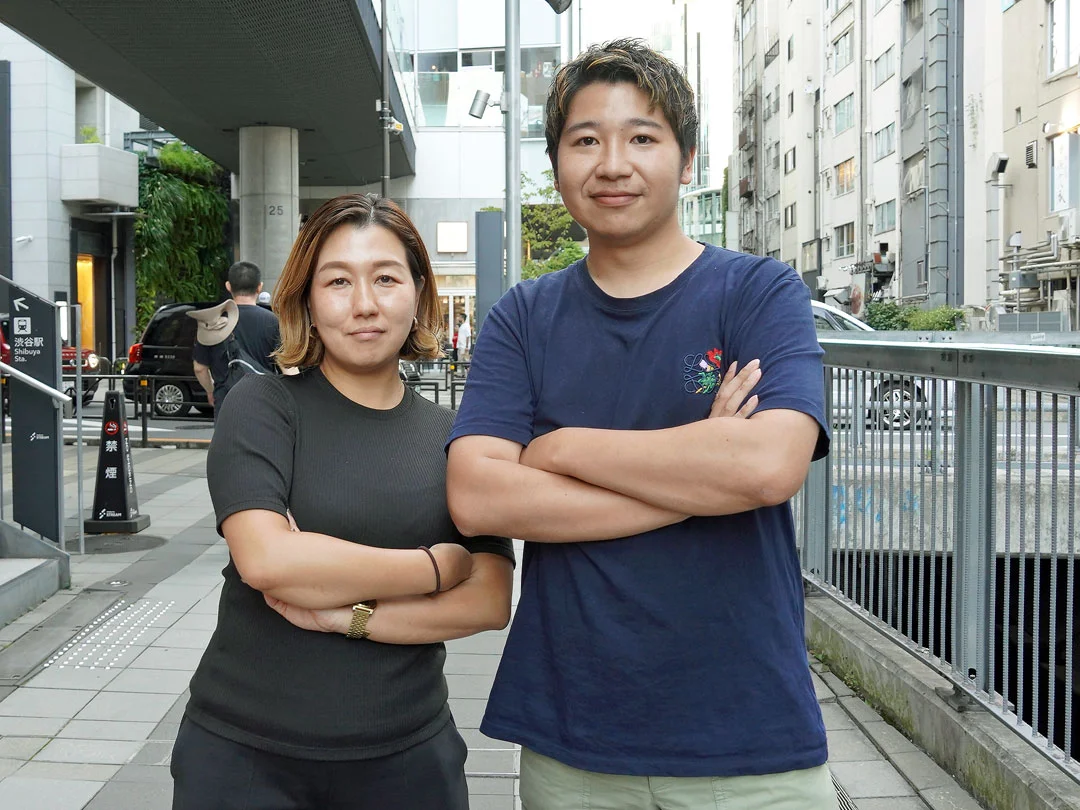


SHIBUY.A. × INTERVIEW
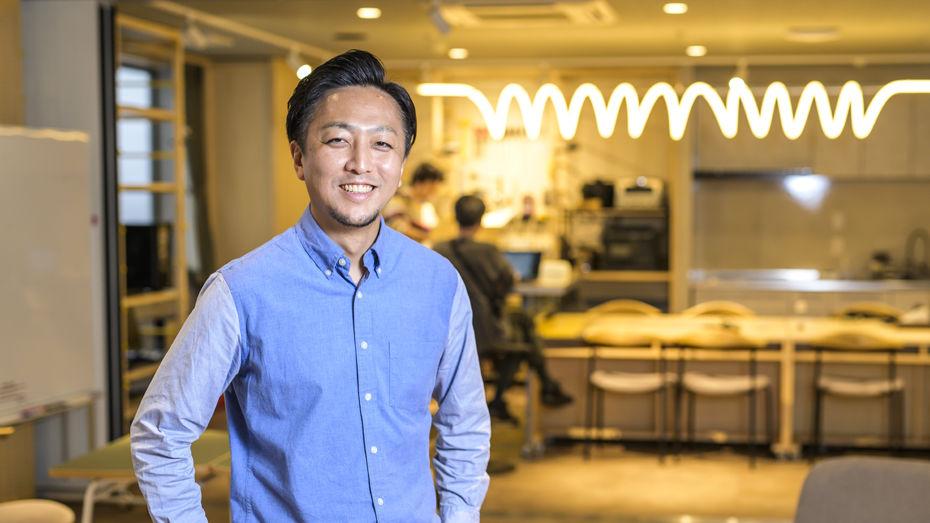
Open Innovation Hub "SOIL" Operations Manager
Creating an environment where people and technology can come together,
Creating socially implemented innovation from Shibuya.
2026-01-29
SHARE
While attending university, she changed her career path from aspiring to become a news announcer to joining Tokyu Corporation, where she became interested in urban development. She gained around 15 years of experience in the real estate field, starting with condominium development, followed by office tenant leasing and dealing with tenants in properties the company is involved in. She then moved to public relations, where she is responsible for media relations. In 2024, she moved to Future Design Lab, the innovation promotion organization that runs SOIL, and is currently the operations manager for SOIL.
SOIL is an open innovation hub based in Shibuya that functions as a "soil" for working with a variety of partners to solve social issues. Its official name is Shibuya Open Innovation Lab, and it uses the city of Shibuya as its field, bringing together people from different walks of life, including startups, large corporations, venture capitalists, and government officials, to carry out demonstrations and collaborations with the aim of creating new value. How is the project progressing against the backdrop of Shibuya's receptive nature, where cultures and values blend together? We spoke to Hiroyuki Tanaka, the operation manager, about SOIL's efforts and its relationship with the city.
Creating the "soil" where various ideas can start to take shape
What is the purpose of establishing the open innovation initiative "SOIL"?
SOIL was established in 2019 as a space where Tokyu and external partners can work together to implement initiatives that address social issues. It brings together people from a diverse range of backgrounds, including not only startups but also venture capitalists, government officials, and representatives from large corporations, and provides an environment in which they can act with a "try it first" mentality, using the Shibuya area as their field. Unlike typical coworking spaces, it is not a place where startups regularly reside, but rather a base for experimentation and collaboration. External parties can use this space to conduct proof-of-concept experiments and verify prototypes, allowing them to share challenges and work together to find solutions.
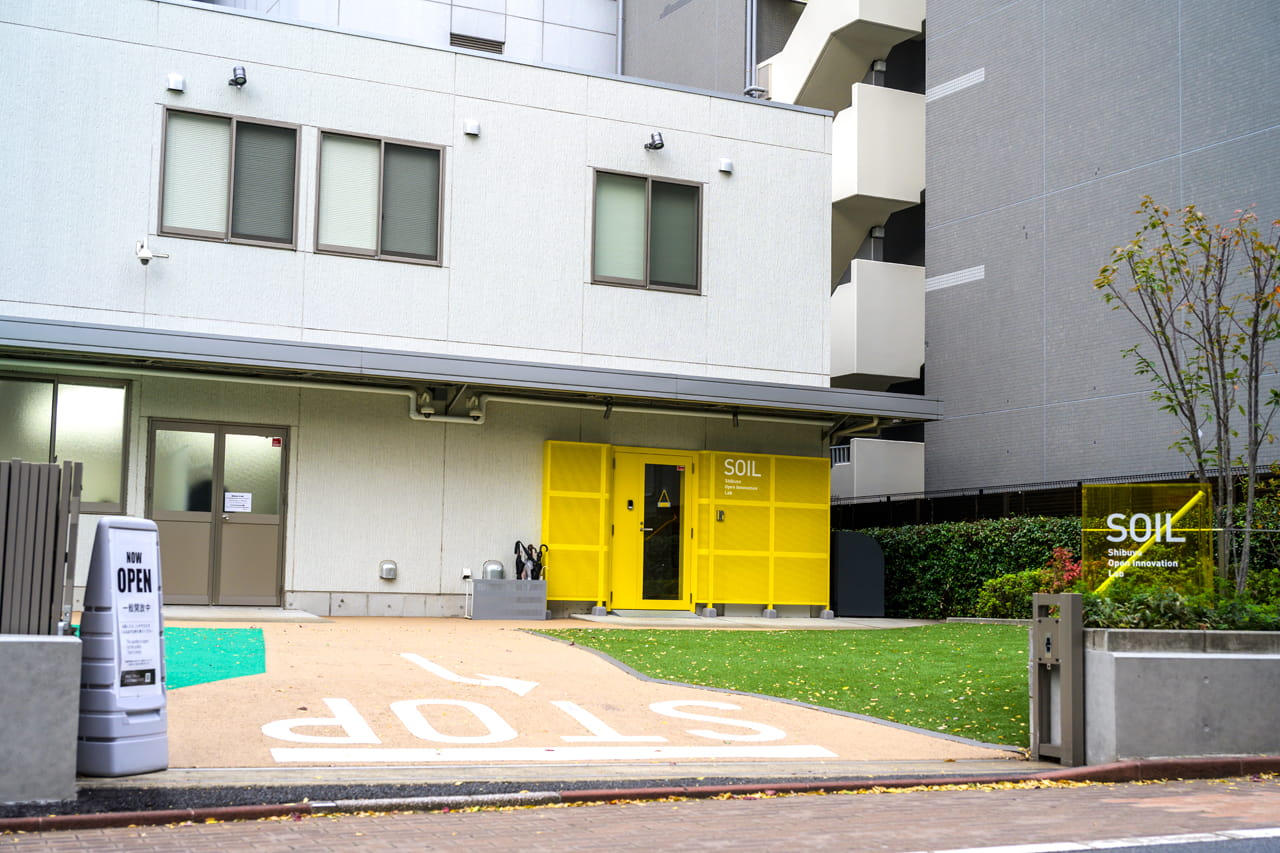
The exterior of "SOIL" located in Shibuya 3-chome, adjacent to Konno Hachiman Shrine
SOIL's space is invitation-only, and there are already around 900 members. Some people come frequently, while others use it occasionally, and it has become a place where connections with the outside world naturally expand. What is important is not to be bound by formalities or rules, but to create a "soil" where people with the same interests and awareness of issues can come together and various ideas can start to take shape.
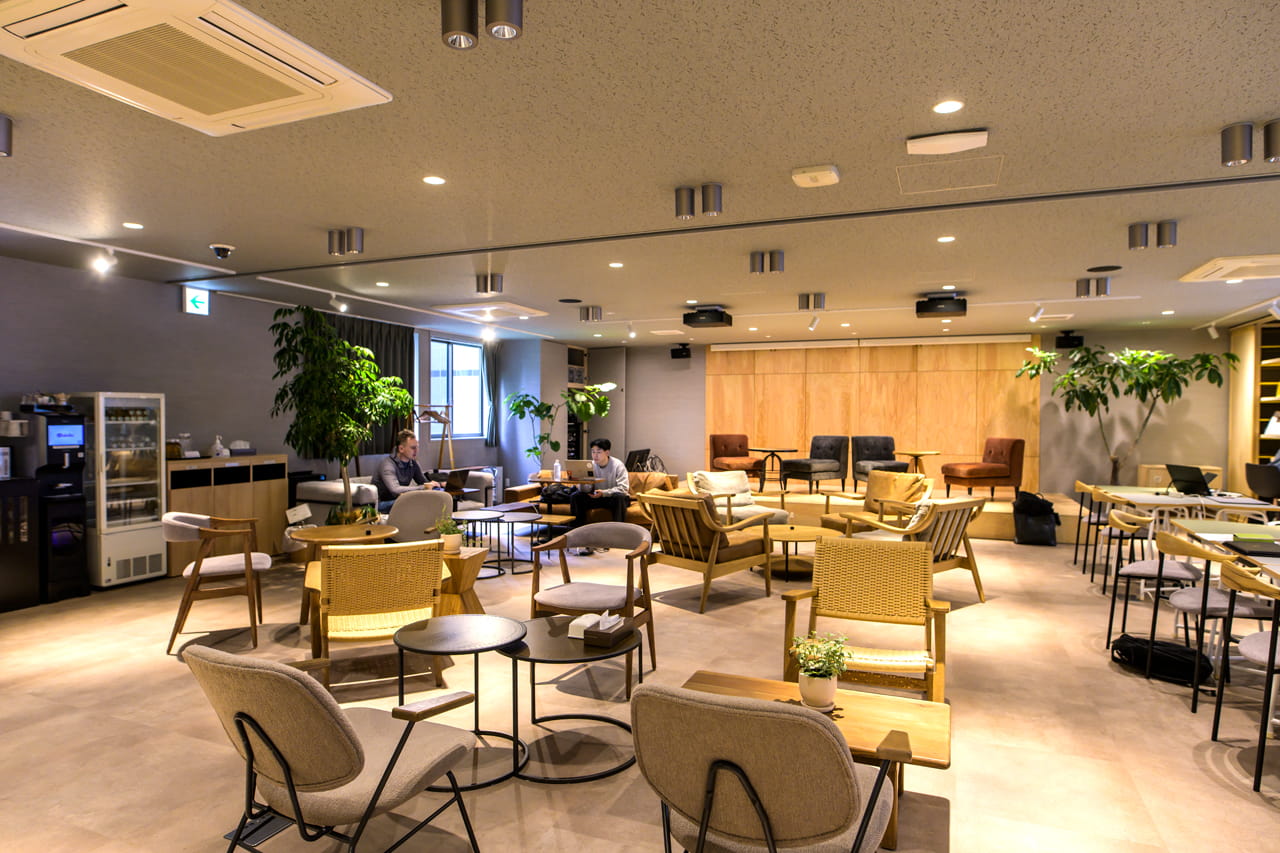
The open space on the second floor is a multipurpose space that can be used for work or meetings. There is also a stage in the back that can be used for talk events and live streaming.
Please tell us the aim of focusing on the implementation (execution) of "1→n" rather than "0→1."
SOIL emphasizes not "0 → 1," creating something completely new from scratch, but rather the "1 → n" phase, which involves figuring out how to implement existing technologies and services in society. Tokyu operates many fields in the Shibuya area, including stations and commercial facilities. This is why we have an advantage in being involved in the process of deciding where to test new technologies and how to establish them. For startups, it is also of great value to know how their technology will function in an actual city and what challenges will arise when it is implemented. For this reason, SOIL adopts a style of improving things as they are actually put into operation.
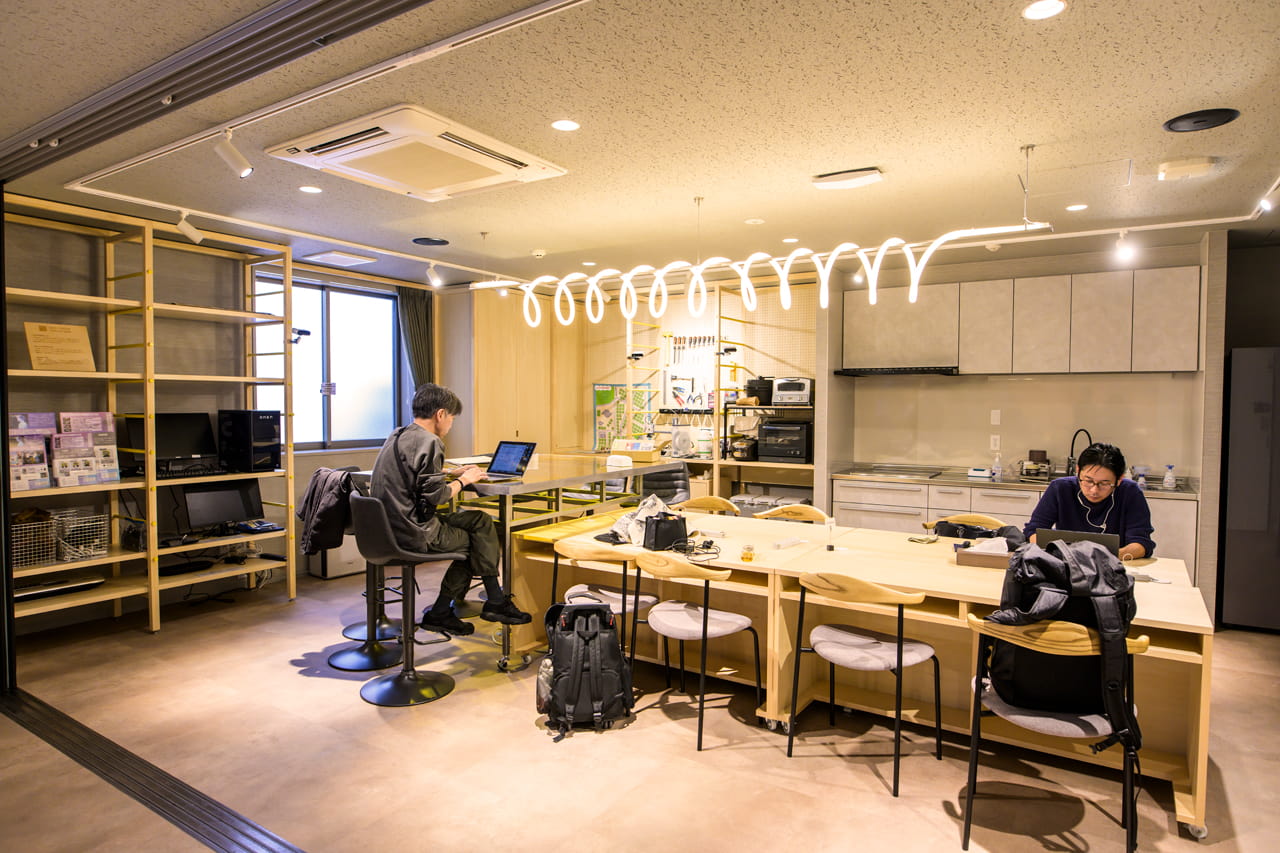
The facility has a workshop space equipped with tools as well as a fully equipped kitchen, where you can create things on-site.
Promoting projects based on "social implementation"
How did you come to be the operations manager, Mr. Tanaka?
I joined Tokyu as a new graduate in 2008 and have been working in the real estate field for a long time. My field changed, starting with condominium development, then office tenant leasing, and then properties in the redevelopment area around Shibuya, but my work continued to be related to urban development. Then, like a bolt from the blue, I was transferred to the public relations department, where I was involved in work completely unrelated to real estate, including media relations. I was put in charge of running SOIL in October 2024, and I was involved in the preparations for the move of the base from Miyamasuzaka to Shibuya 3-Chome in April of the following year. I had previously proposed new business ventures to the company, and I believe that connection was what led to me being approached. I don't mind taking on new challenges, and I actually wanted to settle down and create something, so I naturally approached the project with a positive attitude.
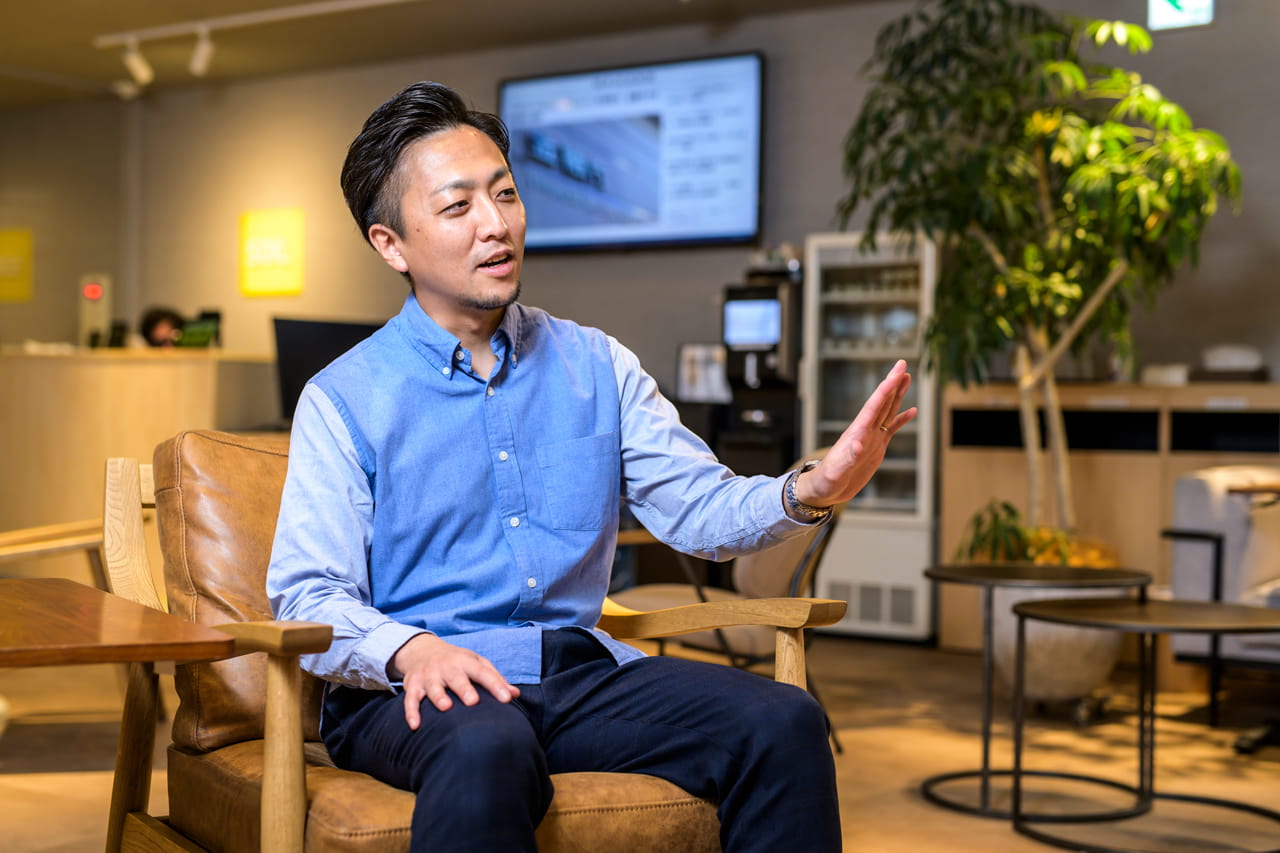
What kind of projects are you currently working on?
Using SOIL as a foundation, we are running a program called the Tokyu Alliance Platform, which connects external companies with the businesses of our group. We accept a wide range of proposals throughout the year, but when selecting them, we place great importance on whether they can envision a long-term future together with our company. Assuming that a product or service exists, we must be able to realistically imagine what kind of social implementation it will have in the future, and how it can be spread throughout the city, starting with Shibuya. This is the yardstick that characterizes our company. We set a deadline for applications every month, from which we select the projects that will move on to the next step. We have received a total of over 1,100 applications over the past 10 years, always covering a diverse range of themes.
The seeds of innovation grow in Shibuya, a city with a high level of acceptance
Can you give us some specific examples?
One of the projects we are currently focusing our efforts on is the "water circulation system" currently in operation on the first floor of SOIL. This is a groundbreaking system that purifies water using the power of microorganisms, without the use of chemicals, and because sludge does not accumulate above a certain level, sludge treatment is not necessary. The project is being carried out in collaboration with general construction consultant Chodai, Token Sangyo, which maintains and manages the system, and Tokyu Corporation, and a demonstration experiment has been conducted in a tropical orchard in Miyakojima City, Okinawa. As a result, stable operation and high wastewater treatment capacity were confirmed, and a demonstration experiment will begin in Shibuya in the spring of 2025, the first of its kind in a city center.
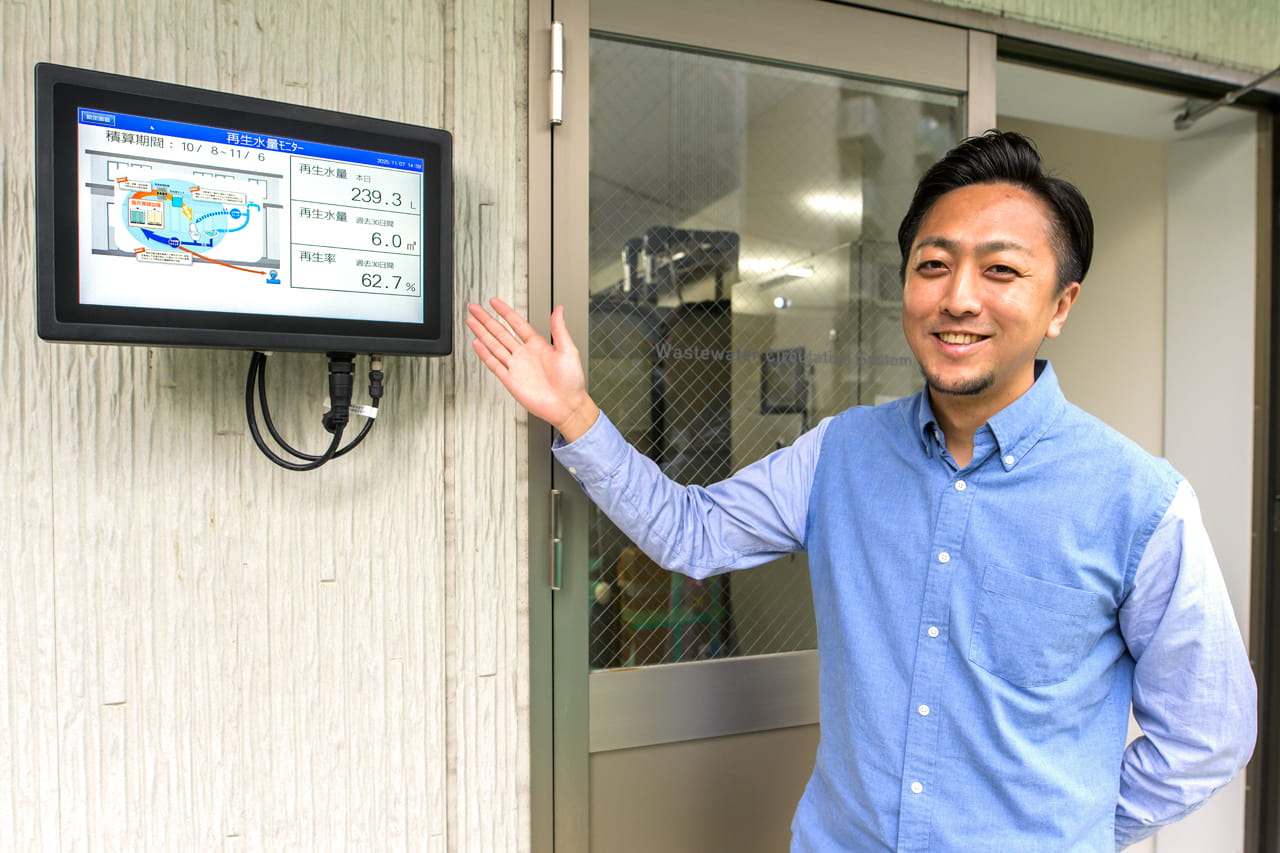
The water circulation system in operation on the first floor. A recycled water volume monitor is installed at the entrance.
Currently, wastewater from SOIL's toilets and kitchens is purified using a water recycling system until it can be reused. As water shortages become more serious worldwide, being able to treat and reuse wastewater regardless of region or location and "circulating water for operation" is of great significance, and it also addresses the problem of toilets becoming unusable in the event of a disaster. At present, there are issues such as the behavior of microorganisms changing with the seasons and the cost-effectiveness of the investment, but the system is already working at a practical level, providing added value in terms of disaster resilience, such as allowing water to be used even during water outages. We also see potential for it to be expanded to public spaces such as train stations and parks in the future.
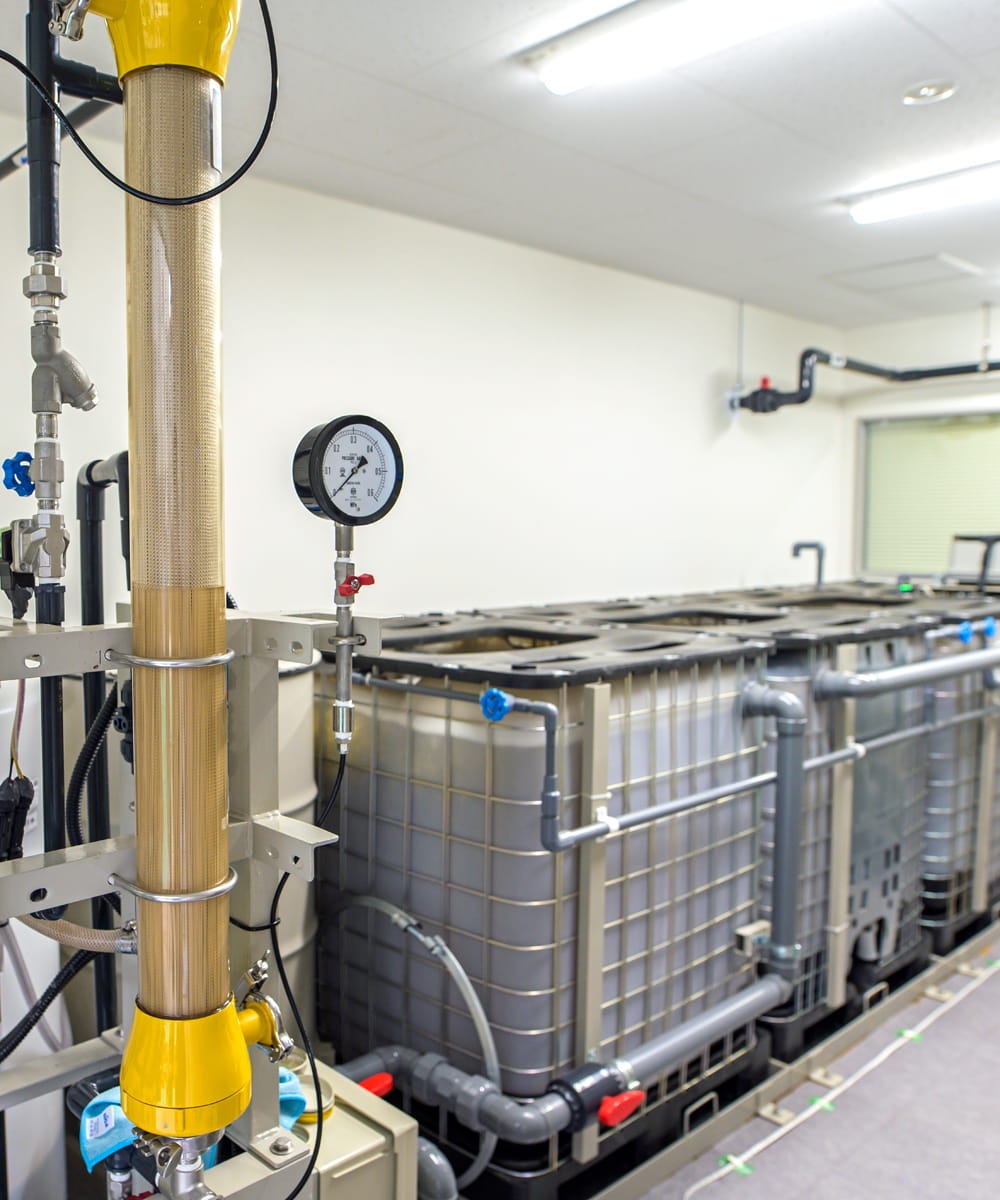
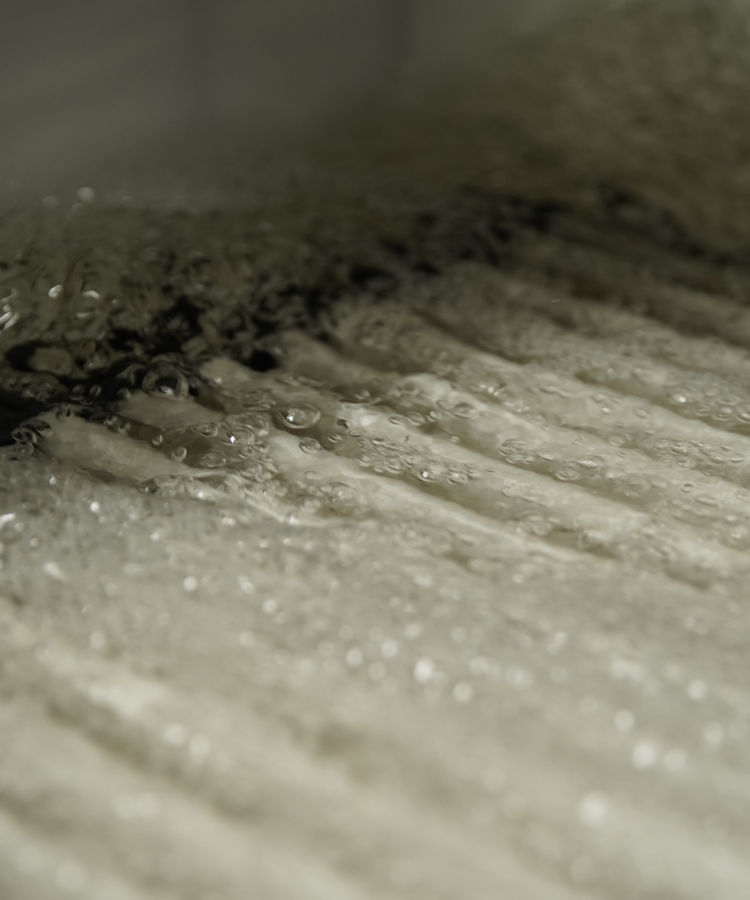
Left) The facility has installed a complex fermentation facility, which utilizes the power of microorganisms in the tanks to purify wastewater. Right) Reclaimed water inside the tanks.
We are also using SOIL as a base for a variety of other projects and activities aimed at solving problems in the city and improving convenience. For example, in Shibuya, large-scale transportation such as trains and buses has been handled by Tokyu and other railway companies, but there is still room to expand options for "individual mobility" that lies before and after that. Even just changing the convenience of these small movements can make a big difference to the experience of the city. With this idea as a backdrop, we have been working with LUUP, a micromobility sharing company, to promote the social implementation of shared mobility.
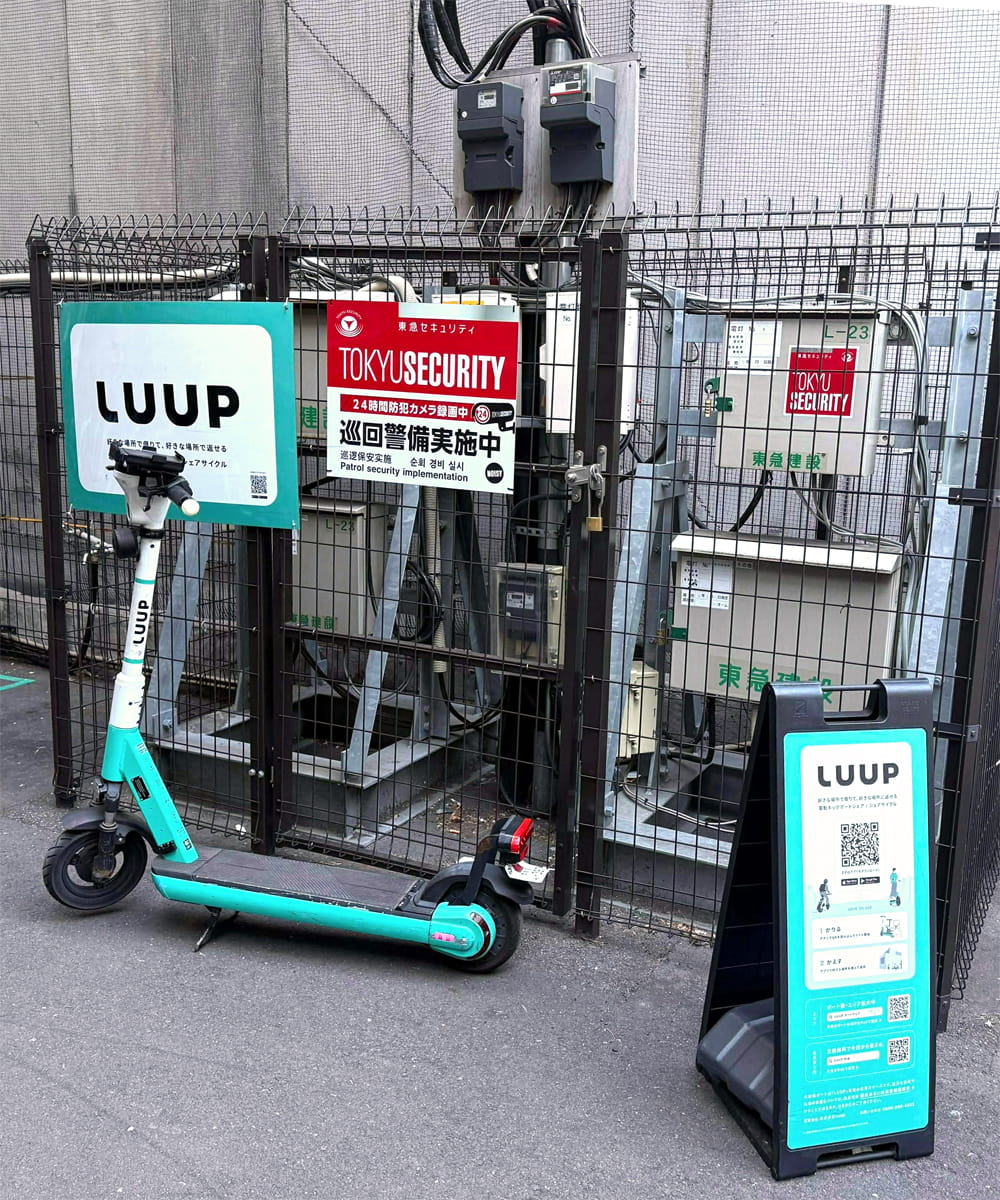
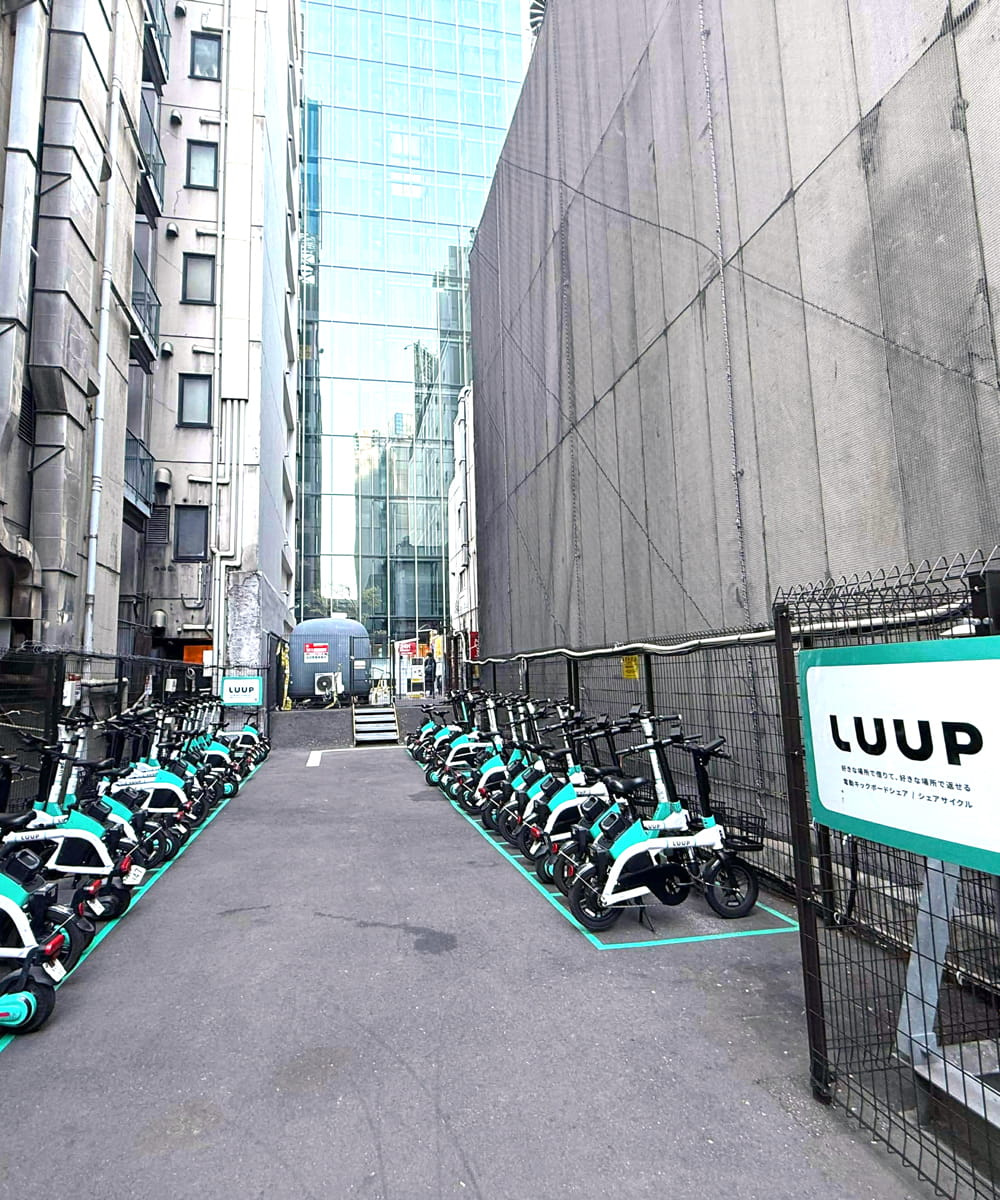
In Shibuya, some vacant lots can be seen in areas scheduled for redevelopment. Increasingly, the idle period before construction begins is being efficiently utilized as LUUP ports (bicycle parking lots). LUUP, which is attracting attention as a new urban infrastructure, is steadily being implemented in the city of Shibuya.
One project that aims to solve existing problems is to visualize the piping that runs through hidden locations within train stations. In fact, in many old stations, old blueprints are no longer available, making it difficult to know where the drainage from toilets and other facilities runs. Koei DreamWorks' "Pipe-kun" is a promising solution to these problems.
A capsule camera equipped with a sensor is actually inserted into the narrow pipe, and like an endoscope, it moves forward to investigate and record the inside. This technology has made it possible to organize the state of the pipe, which was previously impossible to grasp, into a diagram.
What are the advantages of SOIL being located in Shibuya?
I feel that a major benefit of running SOIL in Shibuya is that the city itself has the soil to accept new things. I believe that new ideas don't germinate easily in orderly places, but Shibuya has the opposite vibrancy. It's natural for cultures to mix, like a businessperson in a suit and a girl in Gothic Lolita drinking in the same bar. That kind of diversity is what gives birth to interesting things. When a new product comes out, many people come over and say, "I'd like to give it a try." This level of acceptance is hard to find in other cities.
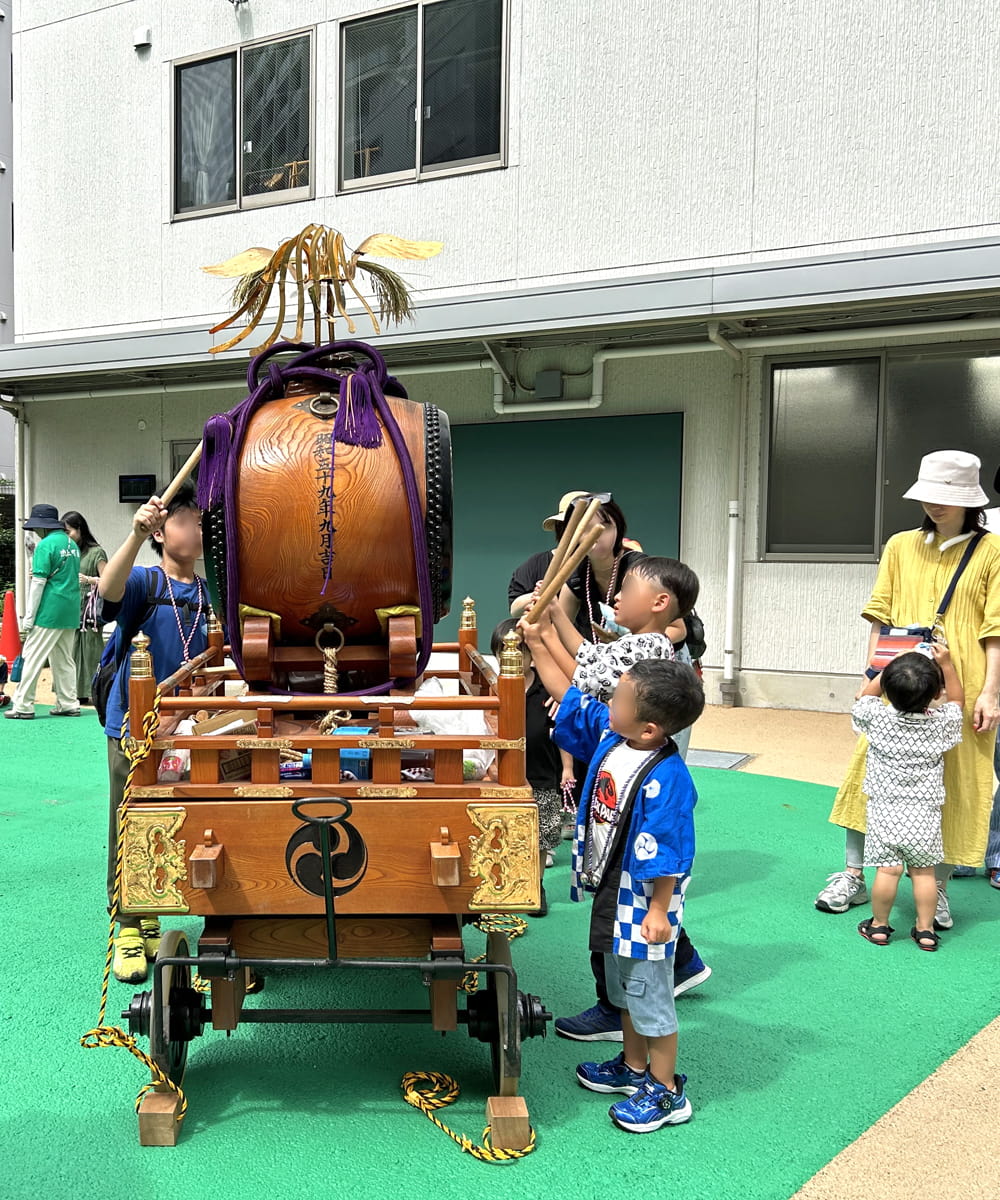
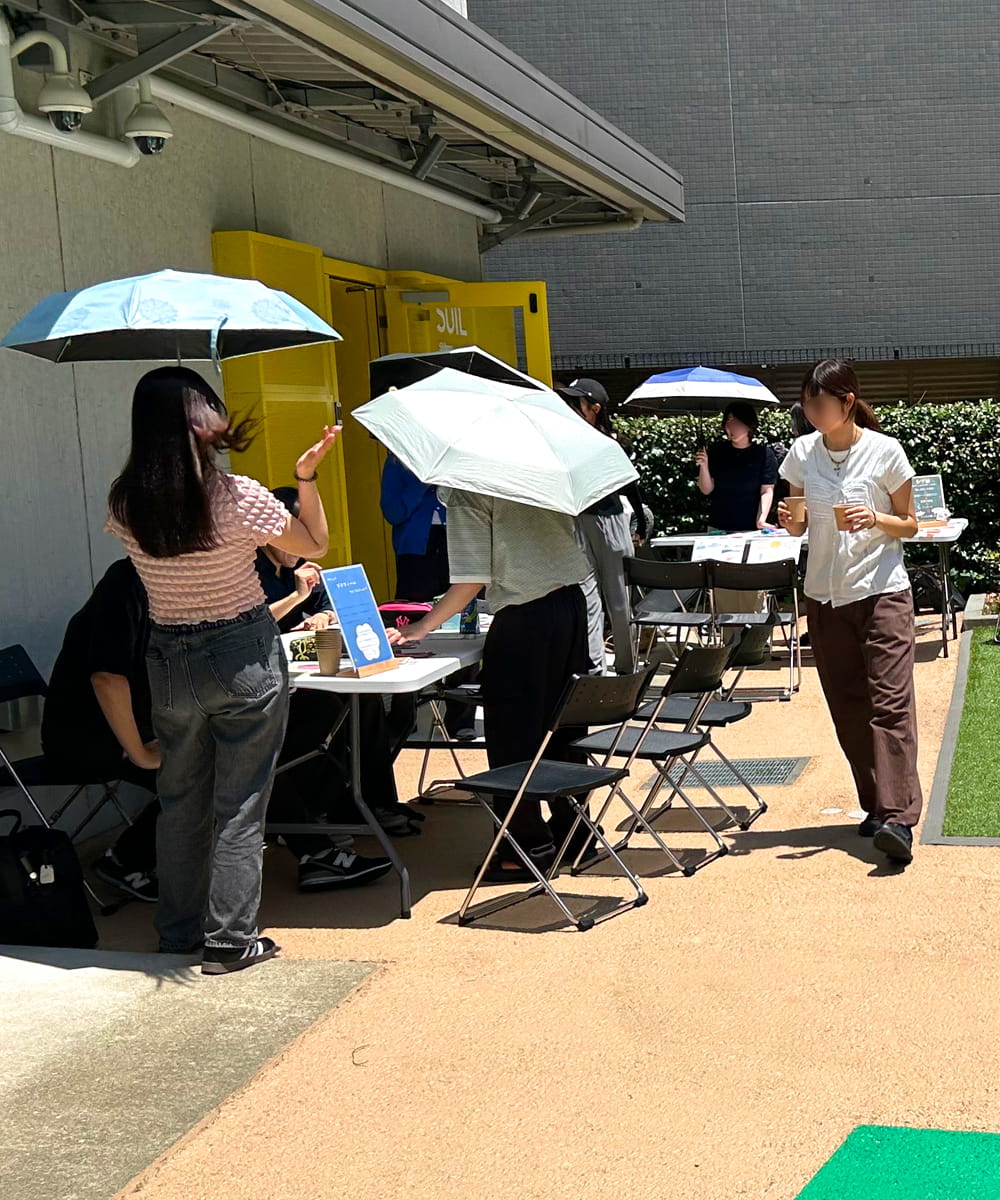
The plaza in front of the facility is open to festivals and events hosted by nearby universities, and is actively used as a place to build connections and communicate with the local community.
At SOIL, we also value our loose connections with the local community. When we set up tables in the outdoor space, passersby can drop in and have a meal, giving us a sense of being naturally open to the town. We've even tried setting up a food truck here before, and held a workshop planned by students from a nearby university here. We want to continue to cherish the fact that we remain a space that local people can use casually in this way.
I want to create a system that will attract people to the city from the perspective of food and entertainment.
How do you interact with Shibuya, Tanaka-san?
There are a lot of chain stores in front of Shibuya Station, but if you walk a little further out, you'll suddenly find a lot more unique shops. Around the outer edge of the so-called "bowl," around Shinsen, Shoto, and Aoyama Gakuin, there are a lot of really interesting shops, and eating out has become a regular thing for me. Shibuya isn't just a "working town," I think it's a town where food and culture naturally permeate, and I love being involved with that kind of town atmosphere. It has everything, so you never get bored, and you discover something new every time you walk around. Perhaps that's why I'm interested in creating "reasons to visit" in SOIL's initiatives. It feels like I'm enjoying Shibuya for both work and leisure.
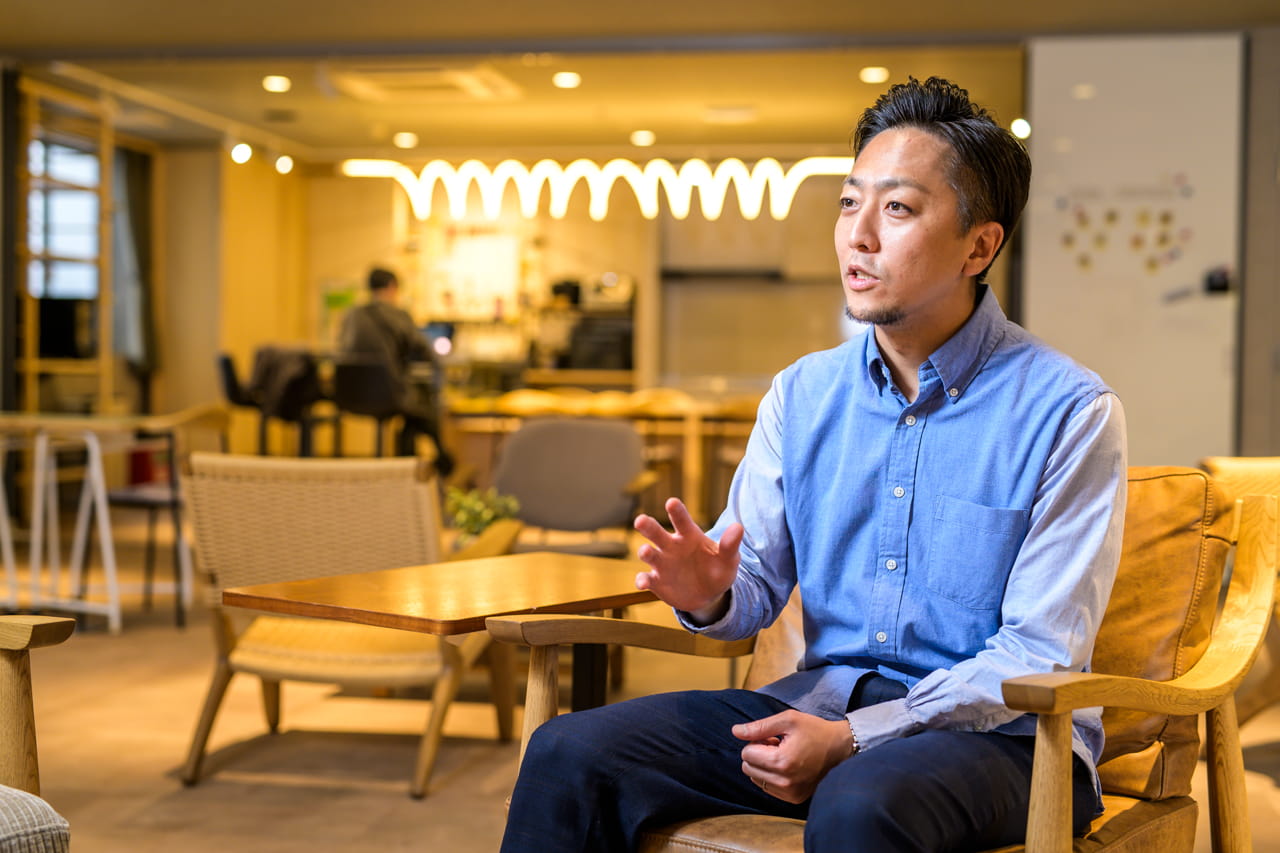
Please tell us about your vision for the future.
Personally, I hope that Shibuya and the areas along the Tokyu Line will become "towns where people gather through food." While hearing, sight, and touch can be somewhat replicated remotely, smell and taste can currently only be experienced by visiting a specific location. That's why I think food is a major reason to visit a town and a catalyst for people to move around. I'd be delighted if not just Shibuya, but the entire Tokyu Line area could become a place where chefs can develop and where people can discover delicious restaurants. Food and entertainment perspectives are gradually being incorporated into SOIL's projects, and we're steadily moving forward with initiatives that haven't yet been made public. While this idea originally started out as a personal one, surprisingly many people have sympathized with it, and some have even expressed interest in working together. As new interests and movements emerge, I wonder how far SOIL can expand—and I hope to explore this potential as I face the future of Shibuya.
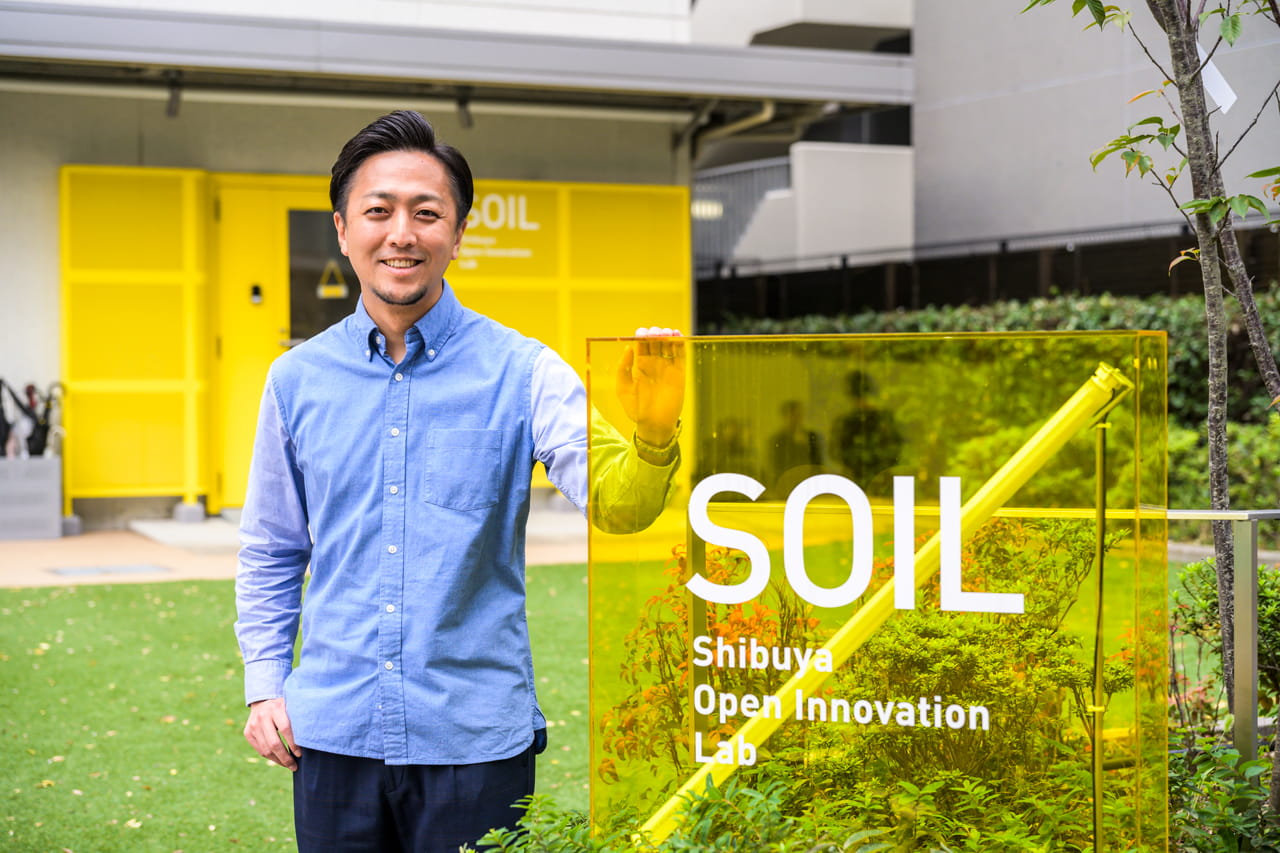
Interview and writing: Ryota Ninomiya / Photography: Osamu Matsuba
Featured articles on the site

渋谷の肉料理おすすめ5選! 渋谷在勤・かごさんが厳選するお店を紹介
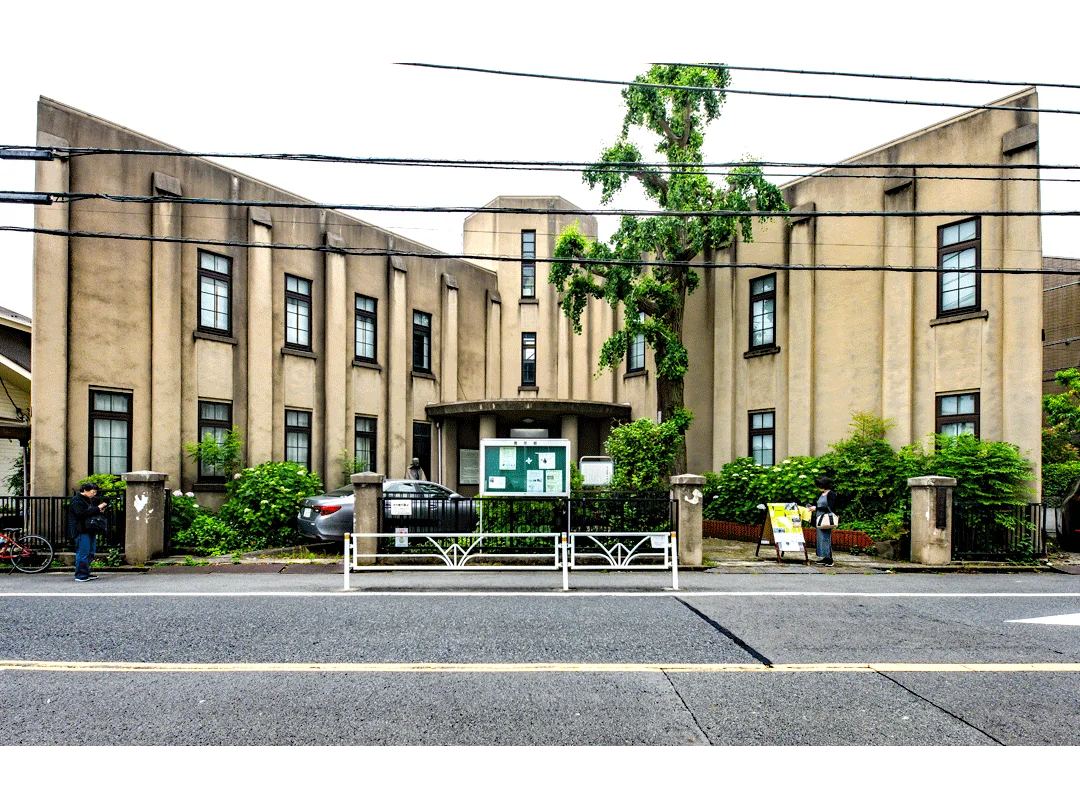
[Shibuya Scenery Records Vol. 2] The "Onko Gakkai Kaikan" continues to preserve the legacy of blind scholar Hanawa Hokiichi
Seibu Shibuya and Tokyu Department Store collaborate for the "final" time: Former rivals offer each other encouragement.