

SHIBUYA × WATCH

【レポート】渋谷Bunkamuraで高木由利子写真展 遊牧の「村」を巡るように約100点展示
SHARE
Bunkamura ザ・ミュージアムで3月10日、写真家・高木由利子さんの写真展「Threads of Beauty 1995-2025 ― 時をまとい、風をまとう。」が始まった。
同展は、街を舞台にファッションや文化を発信する都市型イベント「渋谷ファッションウィーク」と連動して開催。高木さんにとって東京の美術館では初の個展となり、世界12カ国で撮影した約100点の作品を展示する。衣服や装いを通して「人の存在」を見つめてきた高木さんの活動を、30年のスパンで振り返る内容となっている。
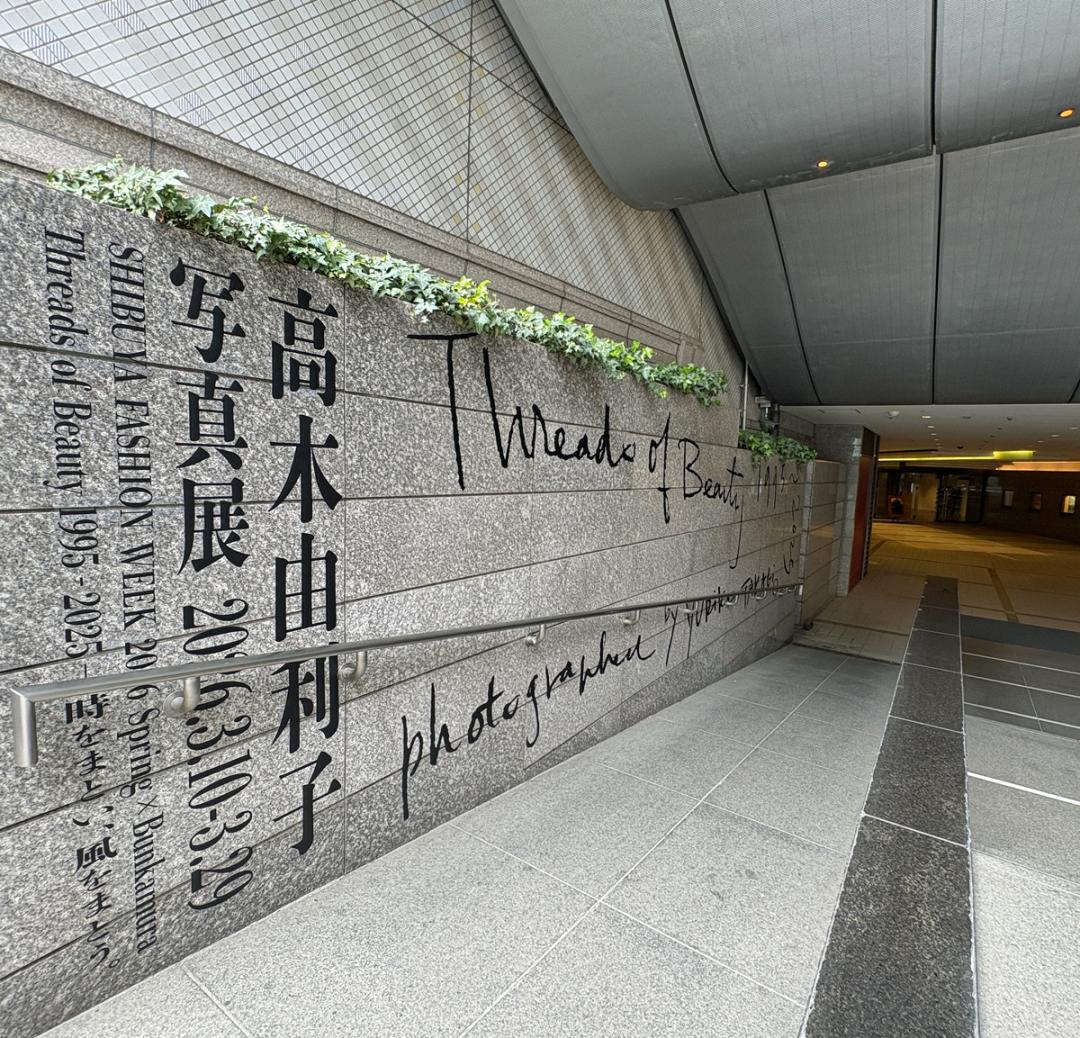
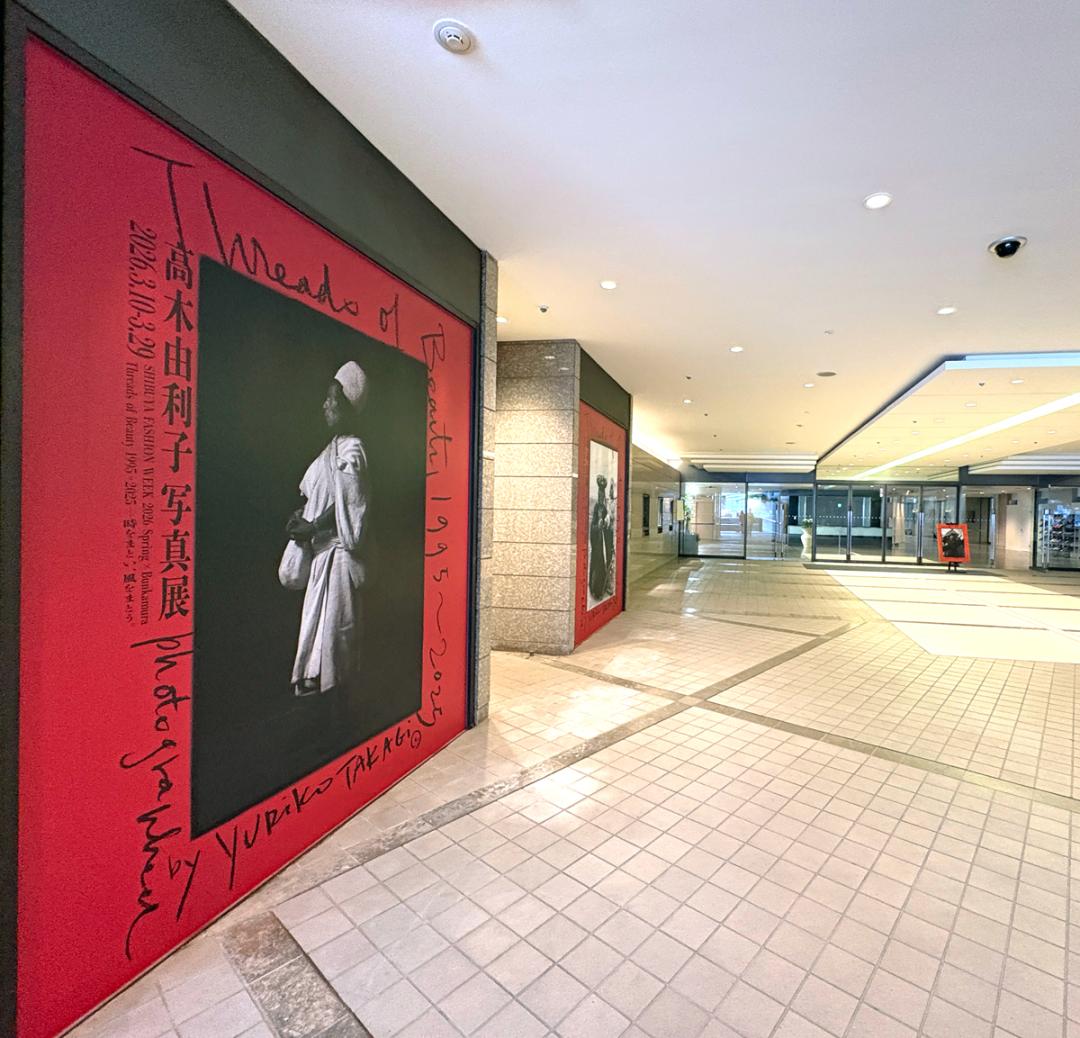
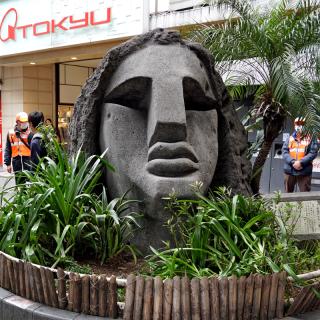
Bunkamura入口の装飾
高木さんは1951年東京都生まれ。武蔵野美術大学でグラフィックデザインを学んだ後、英国Trent Polytechnicでファッションデザインを学び、ヨーロッパでフリーランスデザイナーとして活動。その後写真家に転身し、衣服や人体を通して文化やアイデンティティを探る作品を発表してきた。
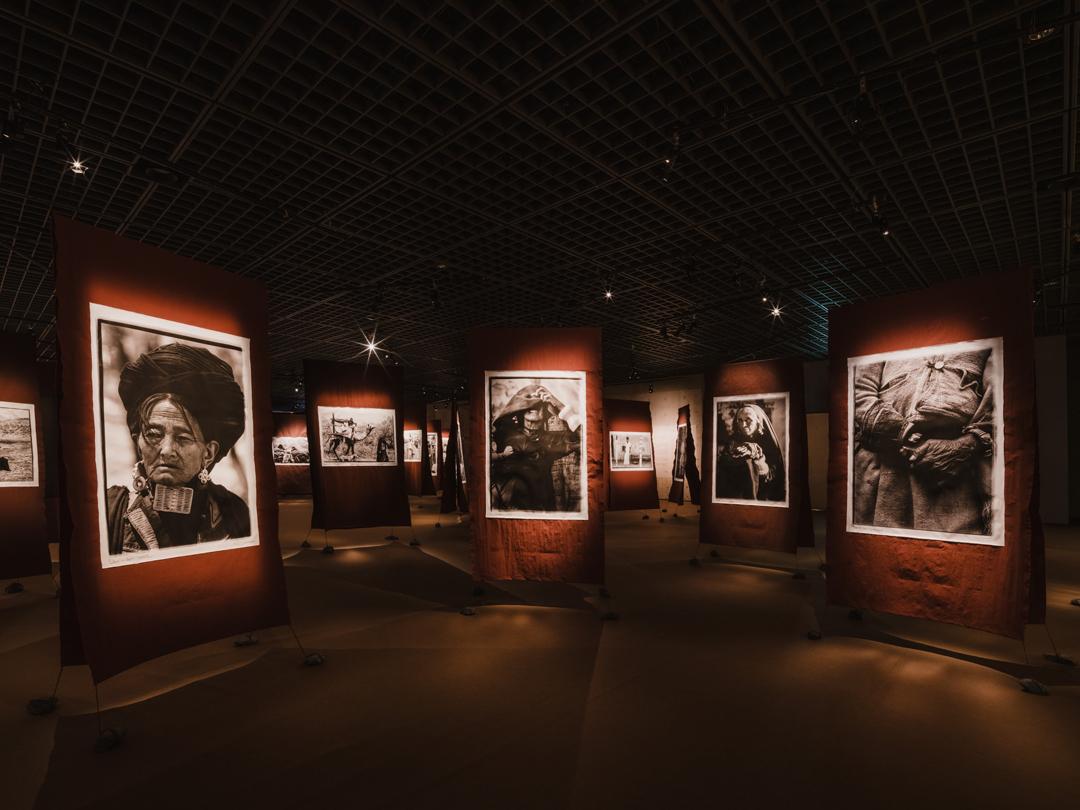
会場内の展示風景
展示では、民族衣装を日常的に身にまとう人々の姿を多く捉えている。会場担当者は「少数民族や遊牧民など、衣装を生活の中で着続けている人々を被写体にしたシリーズが中心。写真からは、その土地の物語や力強さを感じてもらえると思う」と話す。
「道のない展示」 遊牧民の感覚を空間で体験
展示は8つのテーマで構成され、それぞれの集まりを「Village(村)」と名付けた。会場構成を手がけたのは、パリを拠点に活動する建築家・田根剛さん。展示空間には順路が設けられておらず、来場者が自由に歩き回りながら作品と出合う構成になっている。
担当者は「遊牧民の人たちは“道ができるとさらに奥地へ移動してしまう”という高木さんの言葉が印象的だったと田根さんが語っていた。そこで今回はあえて順路を作らず、来場者が好きな方向から作品を巡れる展示にした」と説明する。
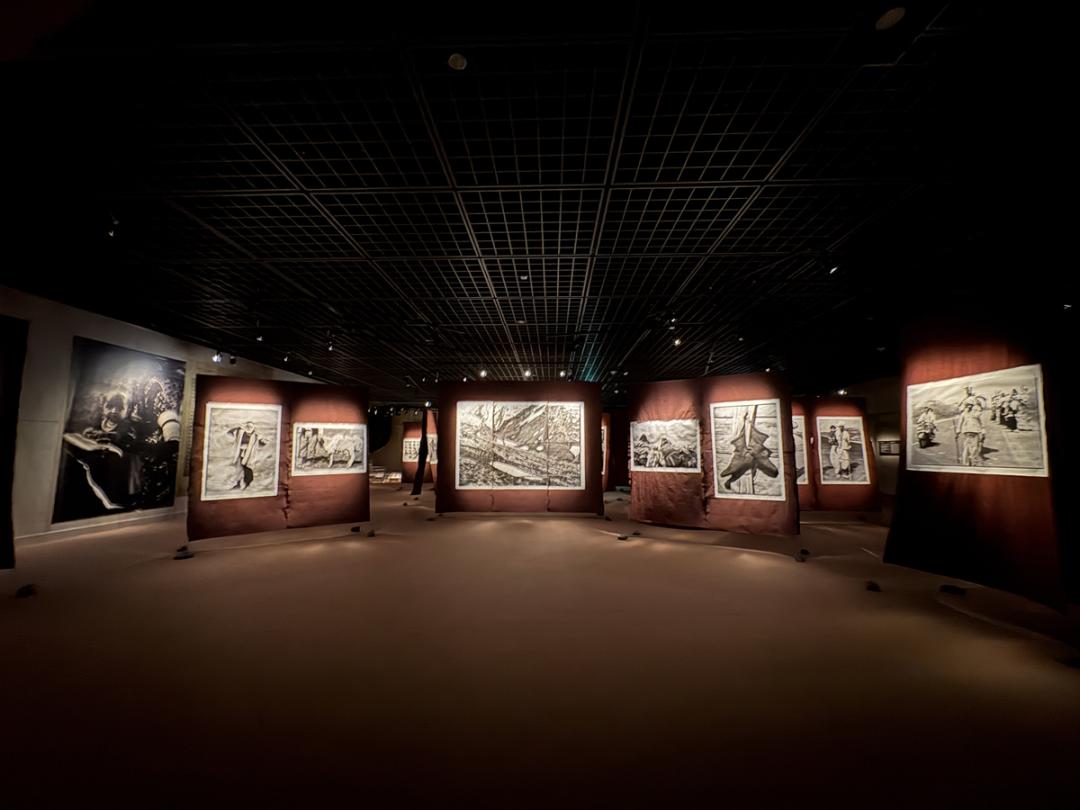
会場中央にある広くスペースの空いた「広場」
会場中央には「広場」と呼ばれる大きな展示空間があり、ロバやラクダ、羊など動物と共に生きる人々の姿を捉えた作品が集まる。照明はゆっくりと明暗を変え、朝から夜へと移り変わる時間の流れや雲の影を表現。空間全体が“村の一日”のような雰囲気を生み出している。
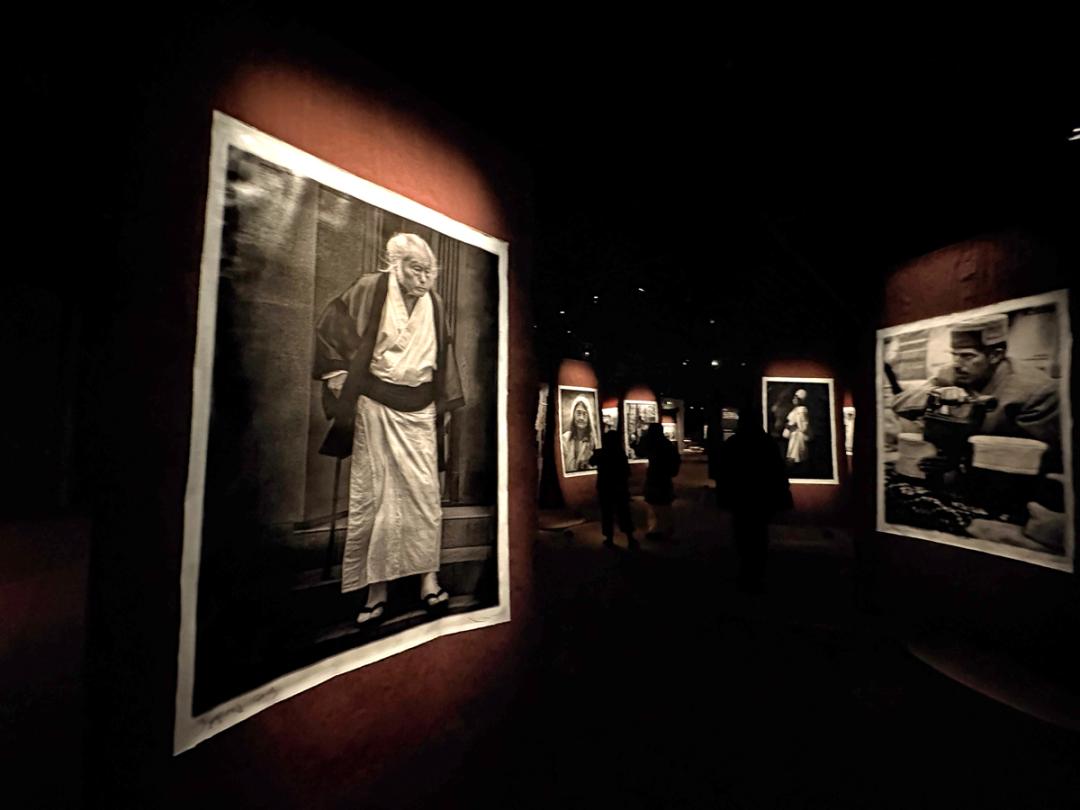
着物を着た姿など、日本で撮影した作品もある
布に縫い付けた写真 ノマドのテントのような展示
会場でまず目を引くのが、布を支持体にした大判作品だ。写真を竹の繊維で作られた「竹和紙」にプリントし、布に縫い付けて展示する独特の手法が使われている。
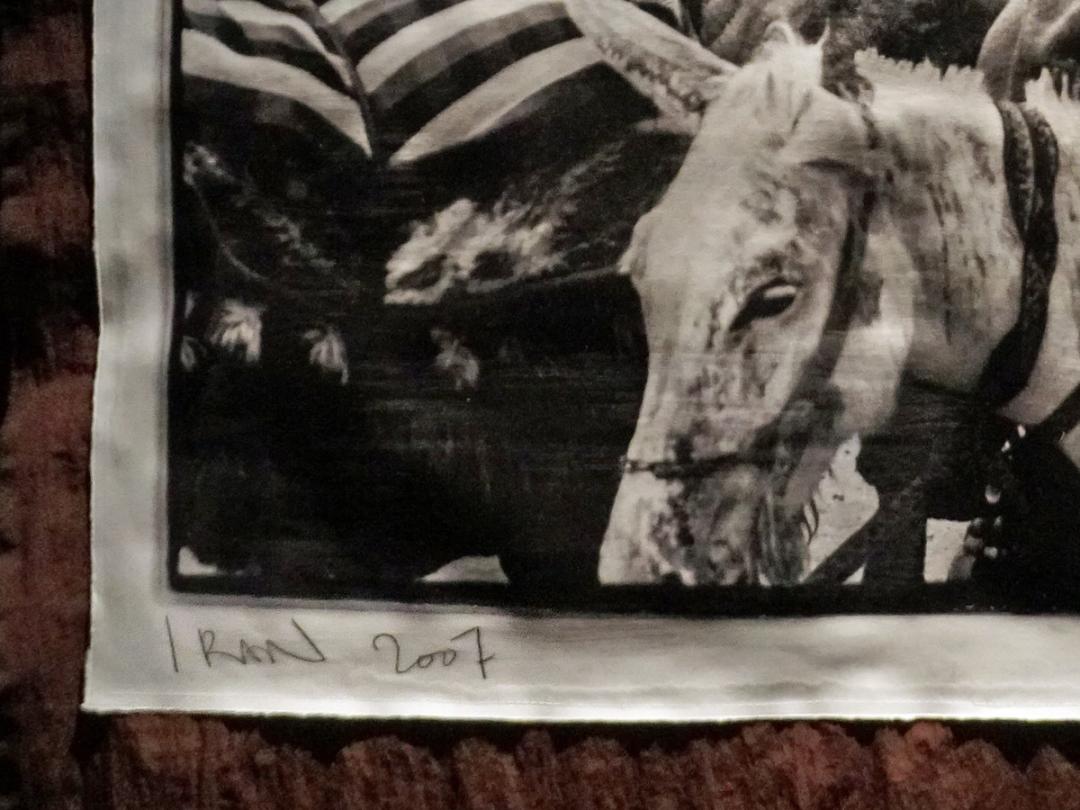
作品左下には、高木さんが撮影した国と撮影年を記載
「写真を布に組み付けた状態で会場に運び、高木さんが撮影日とサインを書き入れ、最後にニスを塗って仕上げている。ニスによって黒の発色がより鮮やかになり、シャープさが際立つ」と説明する。
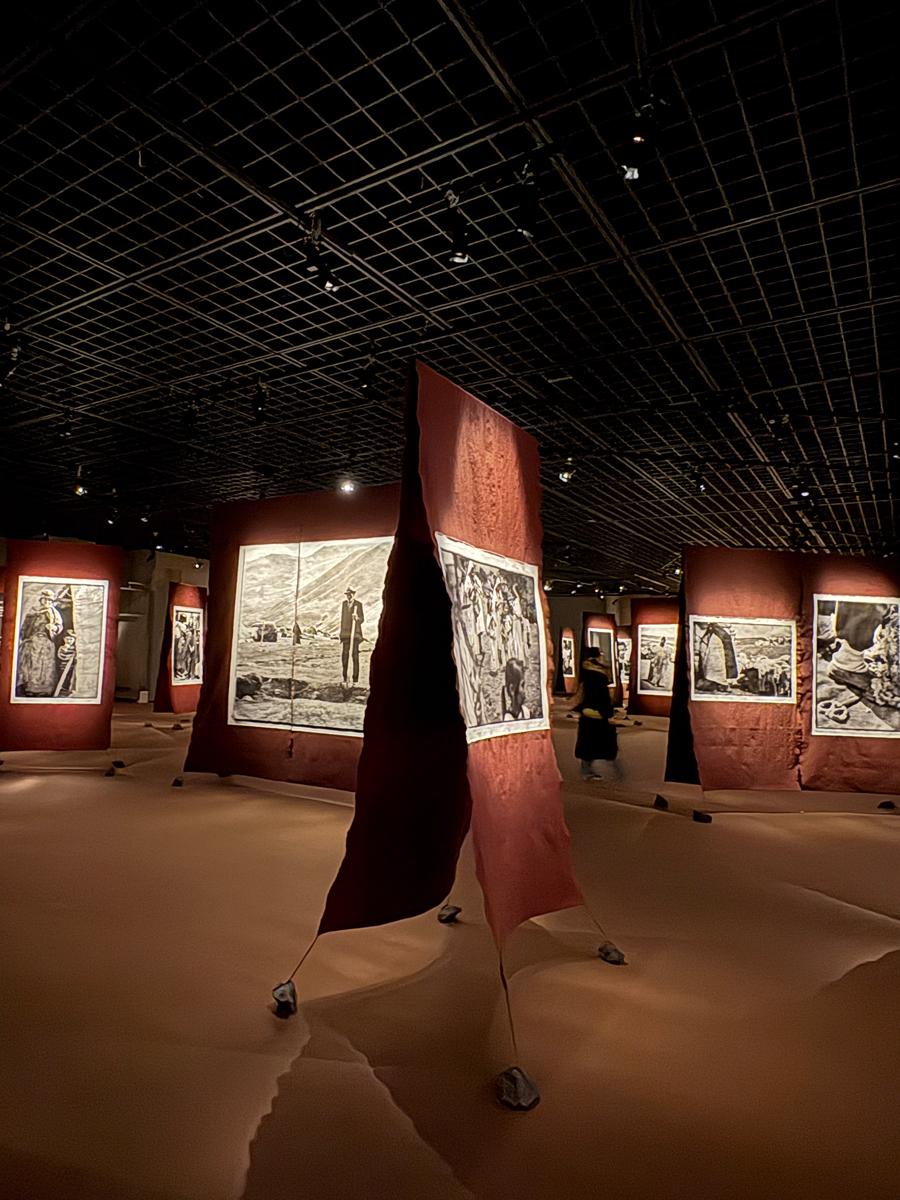
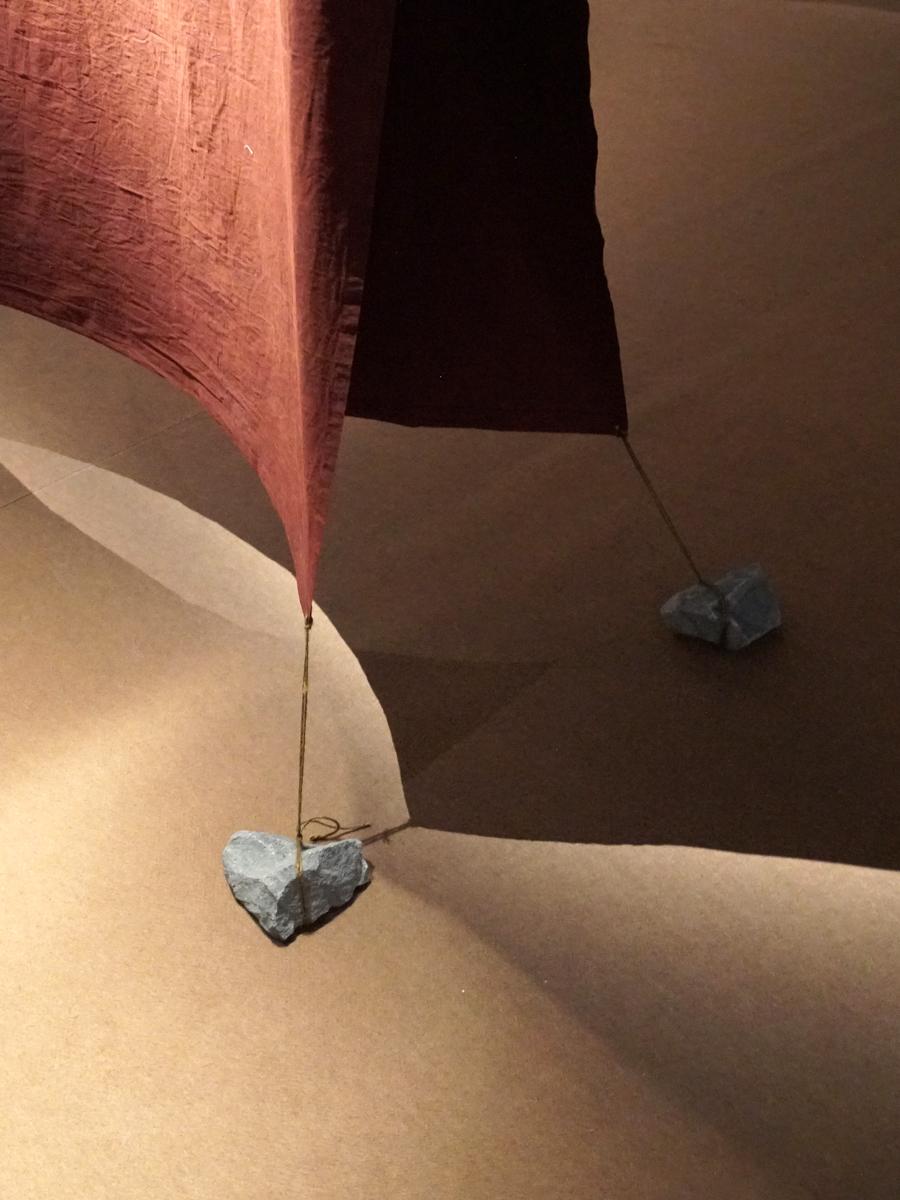
各作品は、布を天井から吊り下げ、四隅を石で押さえた三角柱状のかたちで展示。石の位置を動かすことで、三角柱の底辺を広げたり縮めたりと、形状を変えることができる。布製のため、丸めればコンパクトに収納でき、撤収や別会場への移動も容易。展示終了後に設営資材の廃棄物がほとんど出ない点も、高木さんのこだわりだという
展示の8〜9割がこの形式で構成され、テントのように吊された作品群が並ぶ空間は、遊牧民の暮らしを思わせる雰囲気を生み出している。下部には石の重しが置かれ、風景の中に佇む布の作品がゆらぎながら存在感を放つ。
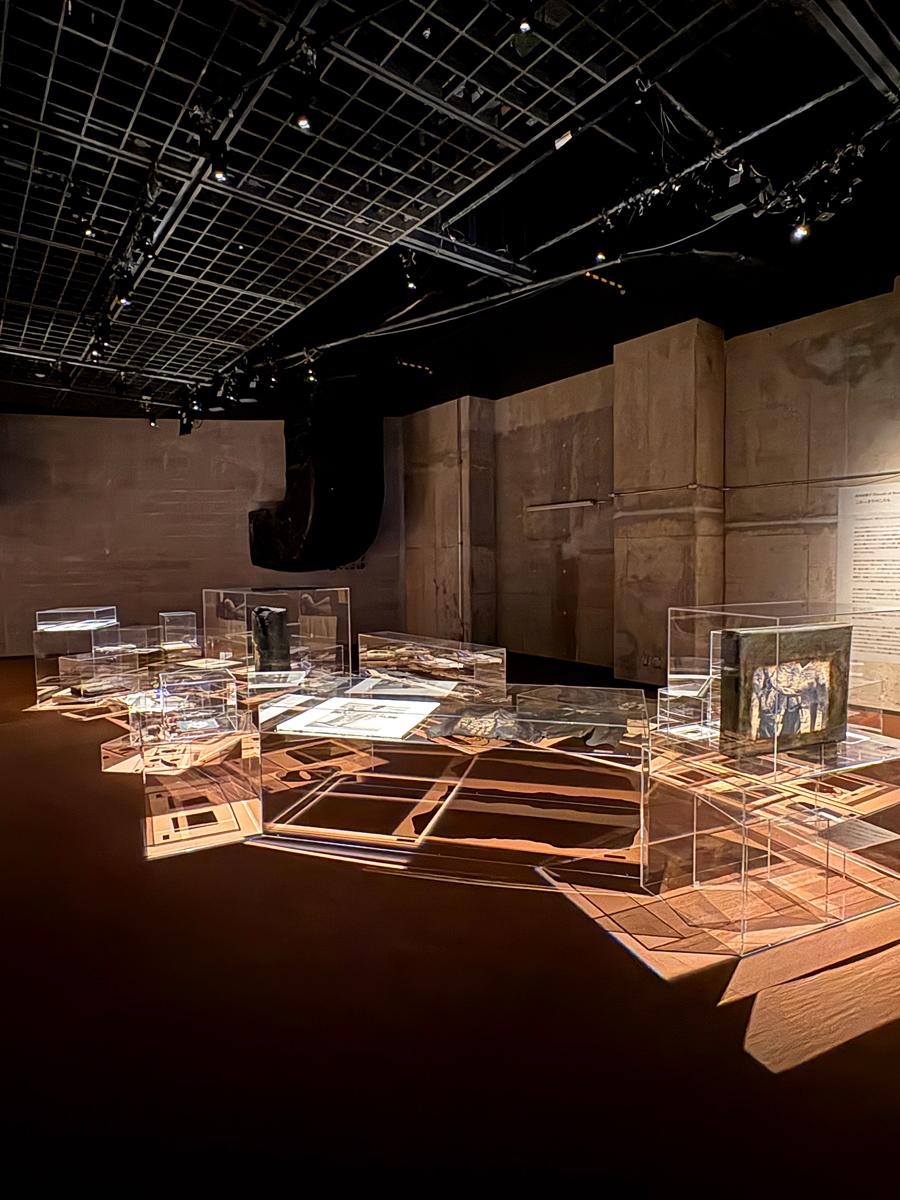
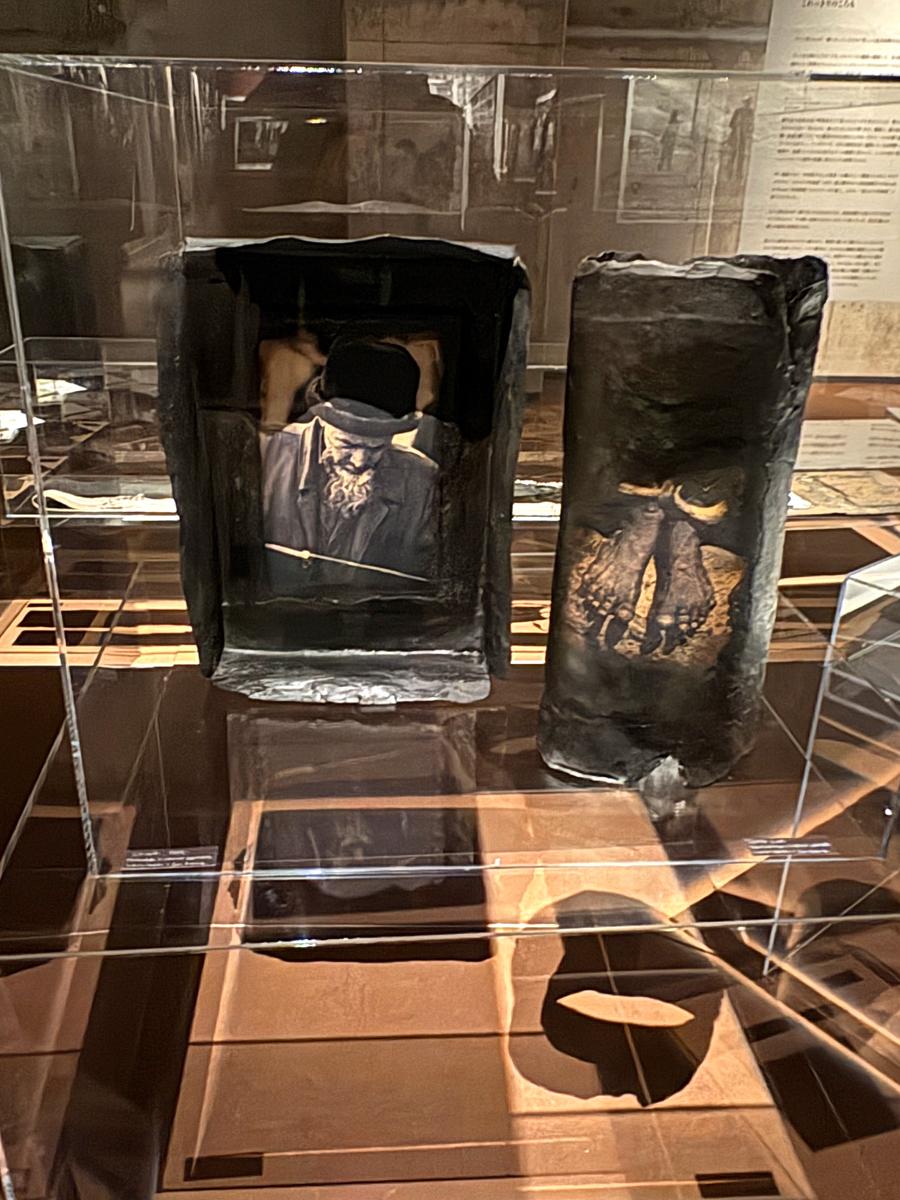
高木さんの所有の品々を展示する「発掘エリア」。田根さんの提案でBunkamuraで長く使われてきたアクリルボックスを活用し展示
会場の一角には、高木さんが「発掘エリア」と呼ぶ展示も設けられている。各地での取材資料や作品、漆作家とのコラボレーション作品、リトグラフなどを展示。展示ケースには、同館が所蔵していた展示用アクリルボックスのパーツを再利用している。
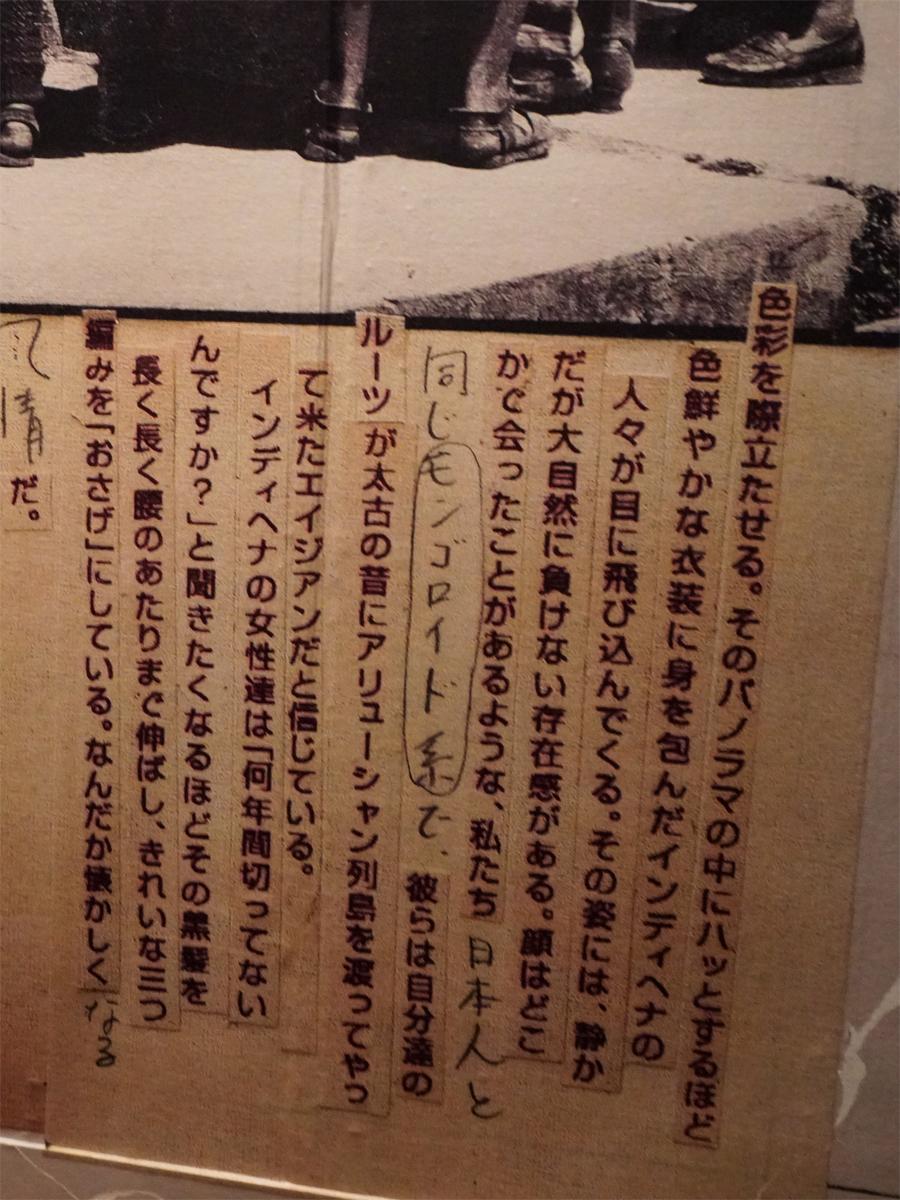
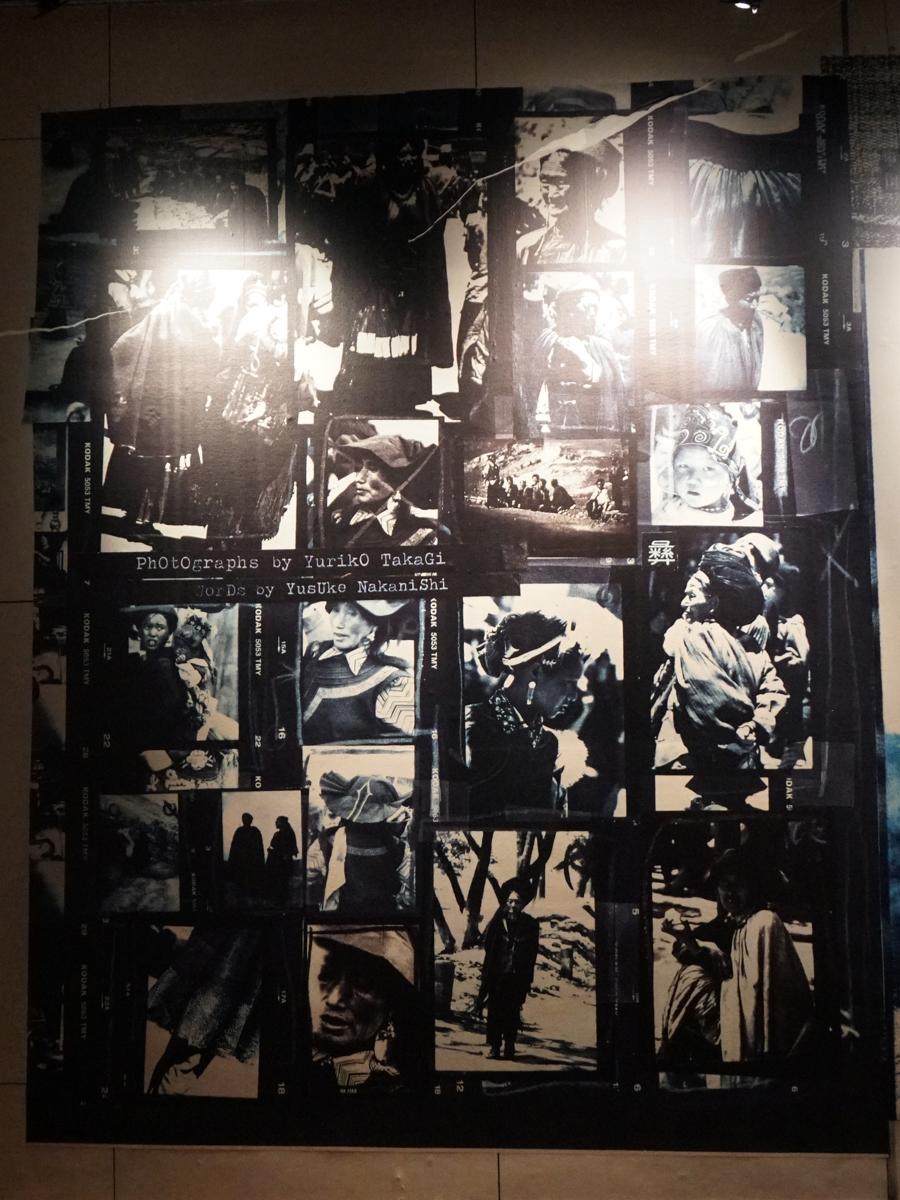
2005年~2007年に高木さんと山口小夜子が月刊誌「ソトコト」で連載した「蒙古班革命」。写真とインタビューで構成された同連載の校了前の原稿や写真を壁面にコラージュし、会場の装飾として演出している
また壁面には、高木さんが雑誌「ソトコト」に連載していた記事を拡大して掲出。紙面にはあえて裂け目を入れ、パリの街角でポスターが重なり破れていくような風景をイメージしたという。
渋谷の街と呼応する新作映像
展示終盤のスペースには、新作映像《同時多発的服飾 SHIBUYA × THE OTHER SIDE》を初公開する。スクリーンの右側には世界各地の民族衣装を写した「Threads of Beauty」シリーズの写真、左側には2000年代半ば頃に渋谷で撮影した映像が並び、二つの世界を交差させる。
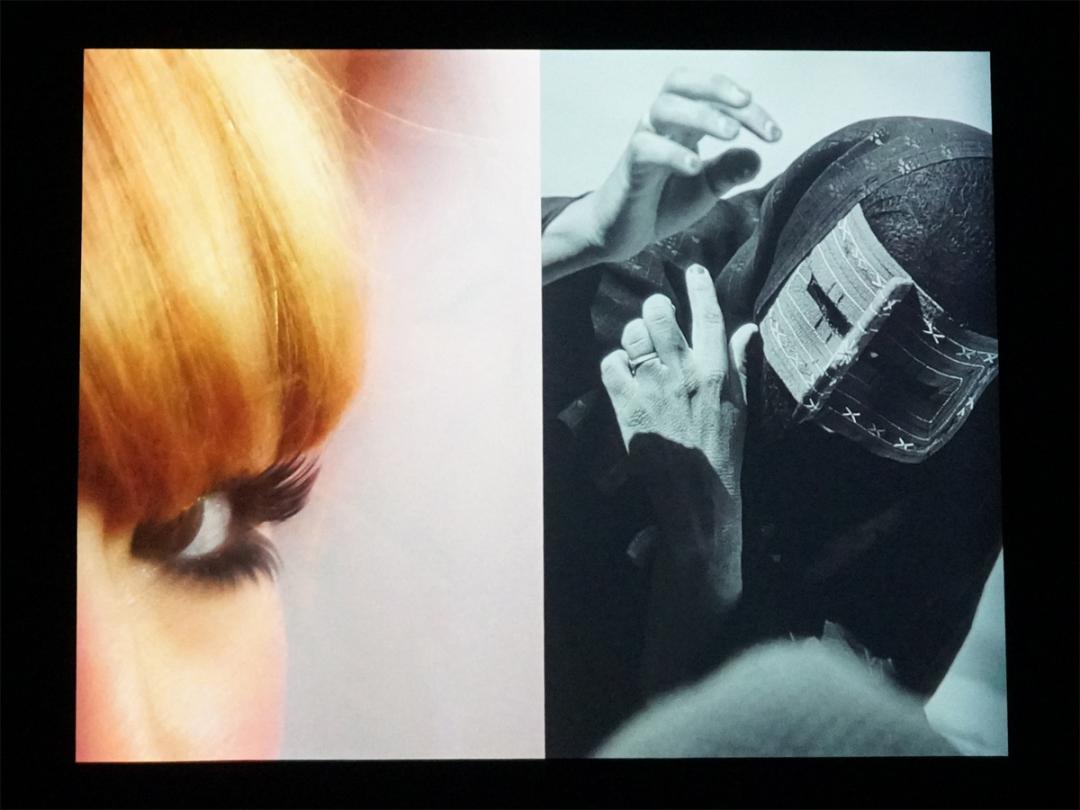
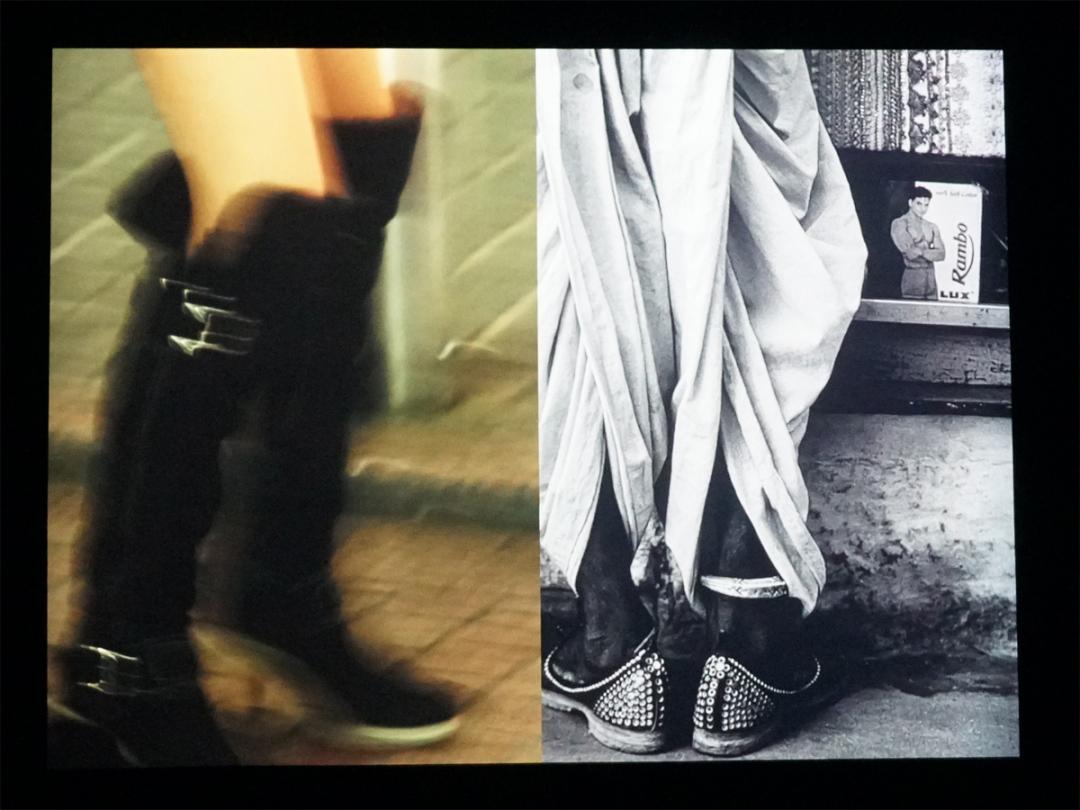
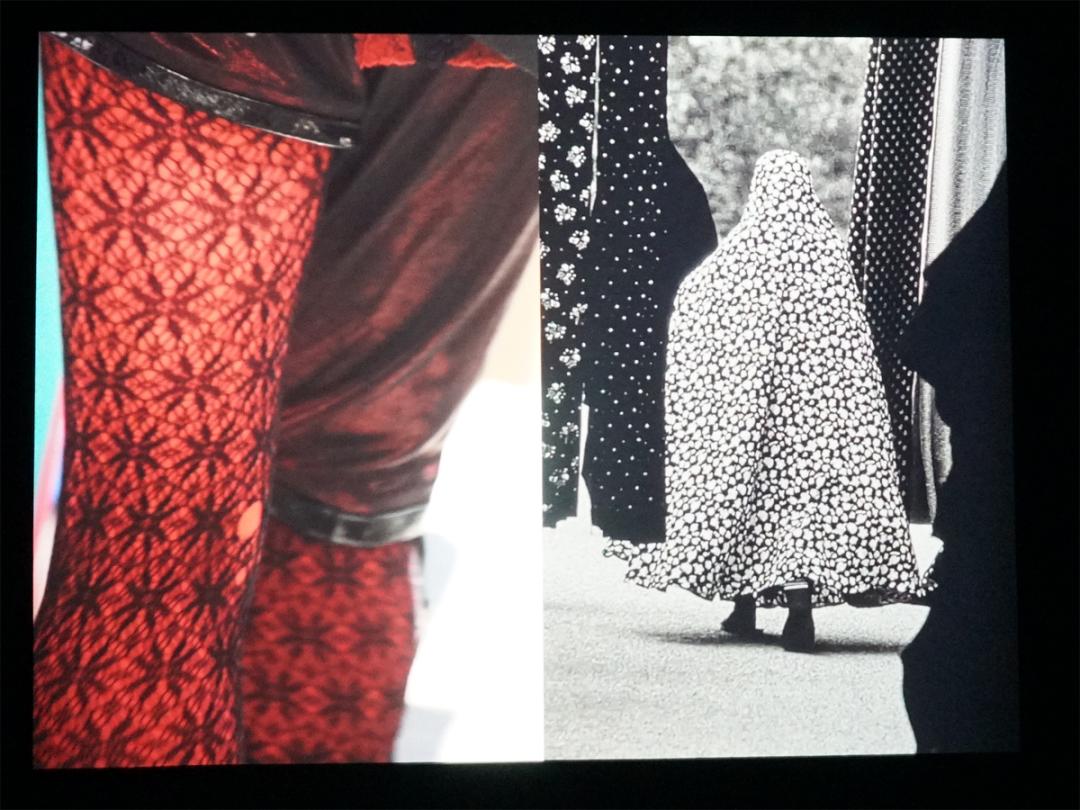
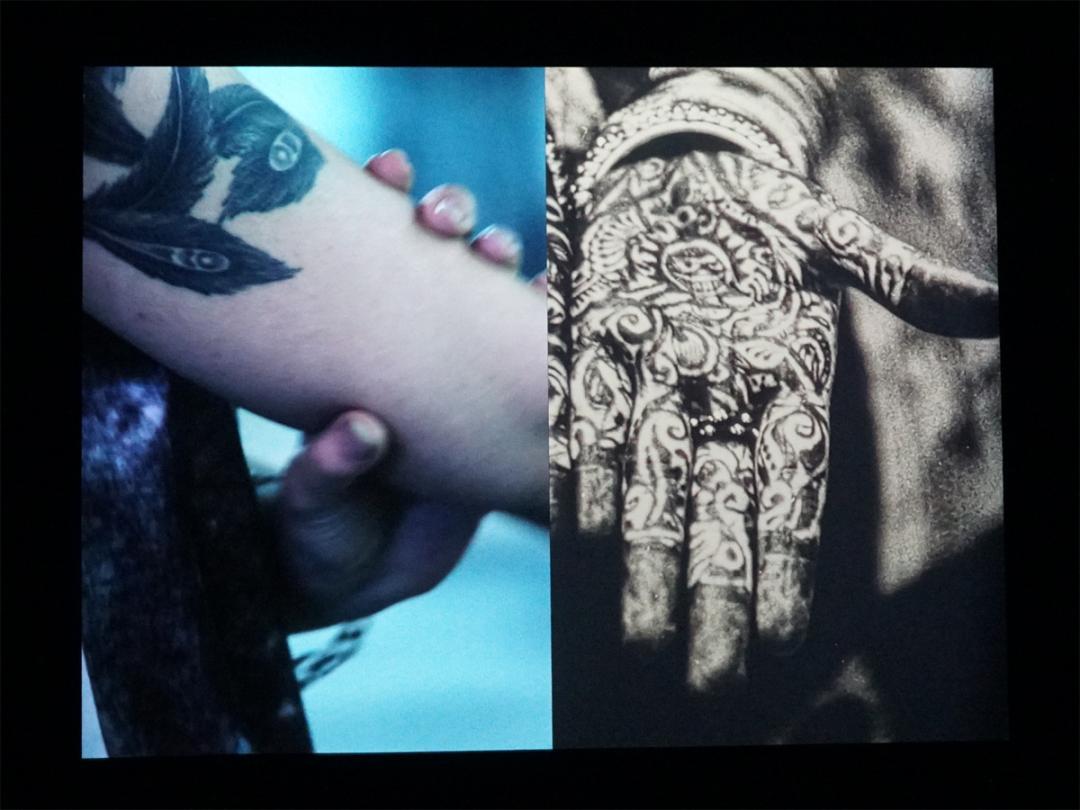
渋谷の若者たちのファッションと、世界各地で撮影した民族衣装をまとった人々を左右で比較しながら構成する動画作品
担当者は「一見まったく異なる文化のように見えるが、“装うこと”はどちらにも共通する行為。おしゃれをすることで幸せな気持ちになったり、自分のアイデンティティを見つけたりする点では同じだと高木さんは考えている」と語る。
コンクリート壁を露出 展示室の“ありのまま”の姿
今回の展示では、これまで隠されていたザ・ミュージアムのコンクリート壁や空調ダクトをあえて露出させ、建物の素の姿を見せている。
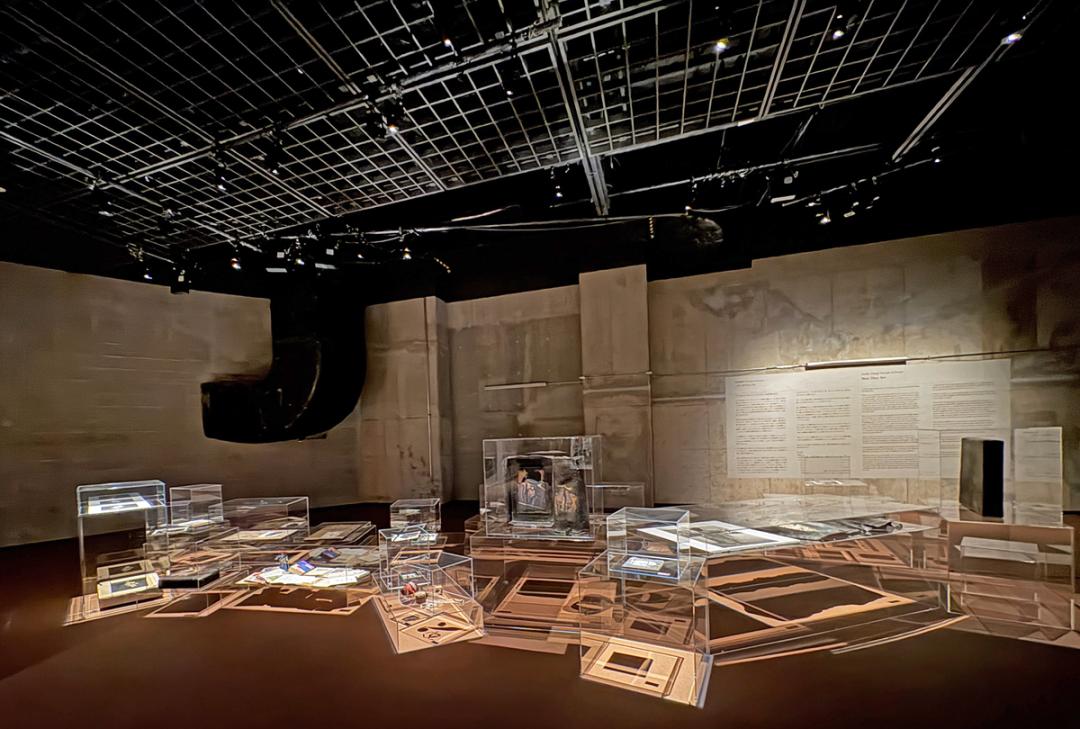
会場の壁面はコンクリートがむき出しで、奥には黒く大きなダクトも見える。通常は人目に触れない“裏側”をあえて見せる空間演出も特徴で、ザ・ミュージアムでは初めての試みだという
担当者は「普段は仮設壁で覆われているが、今回はこの空間の歴史も含めて見てもらいたいという考えから、コンクリート壁をそのまま見せる構成にした」と話す。
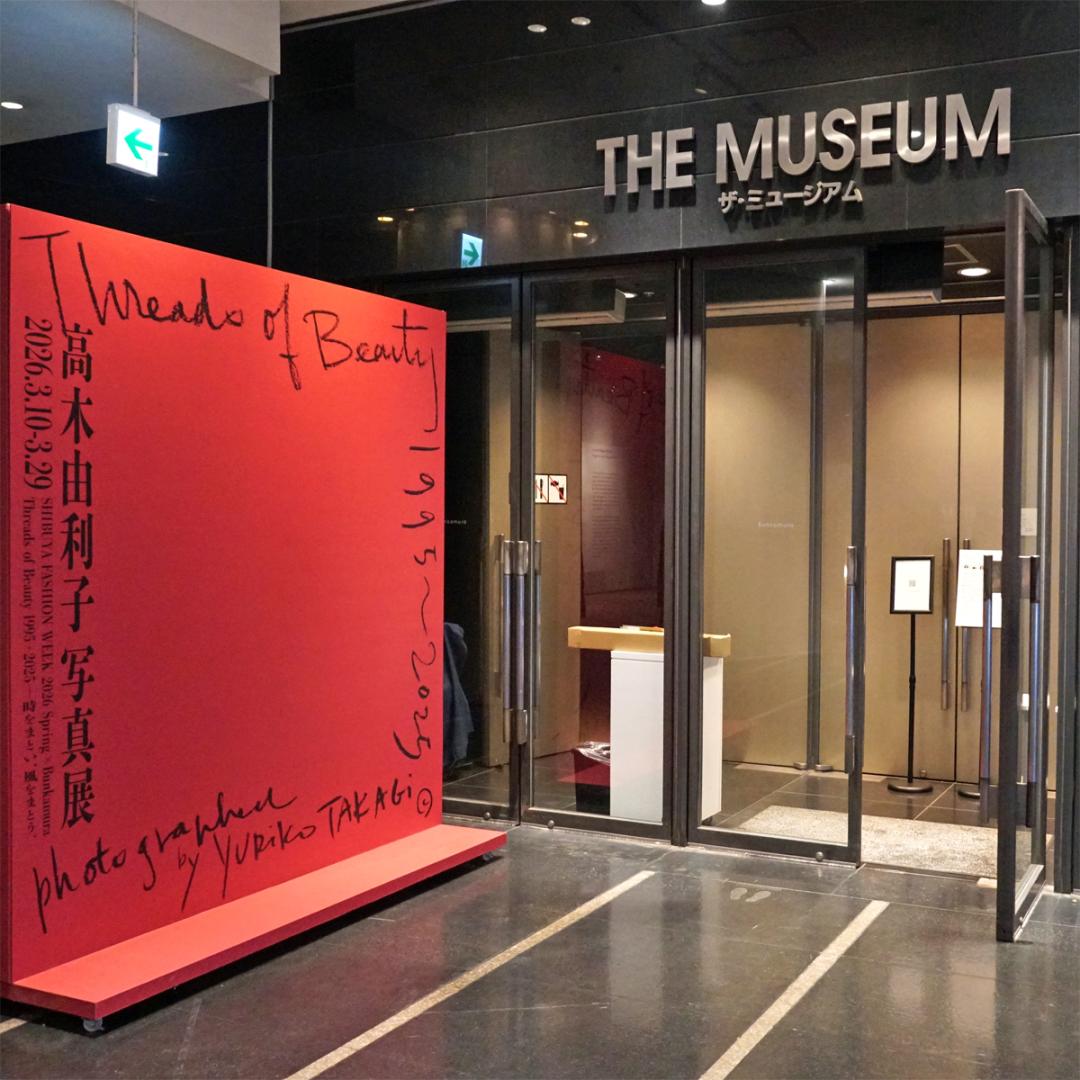
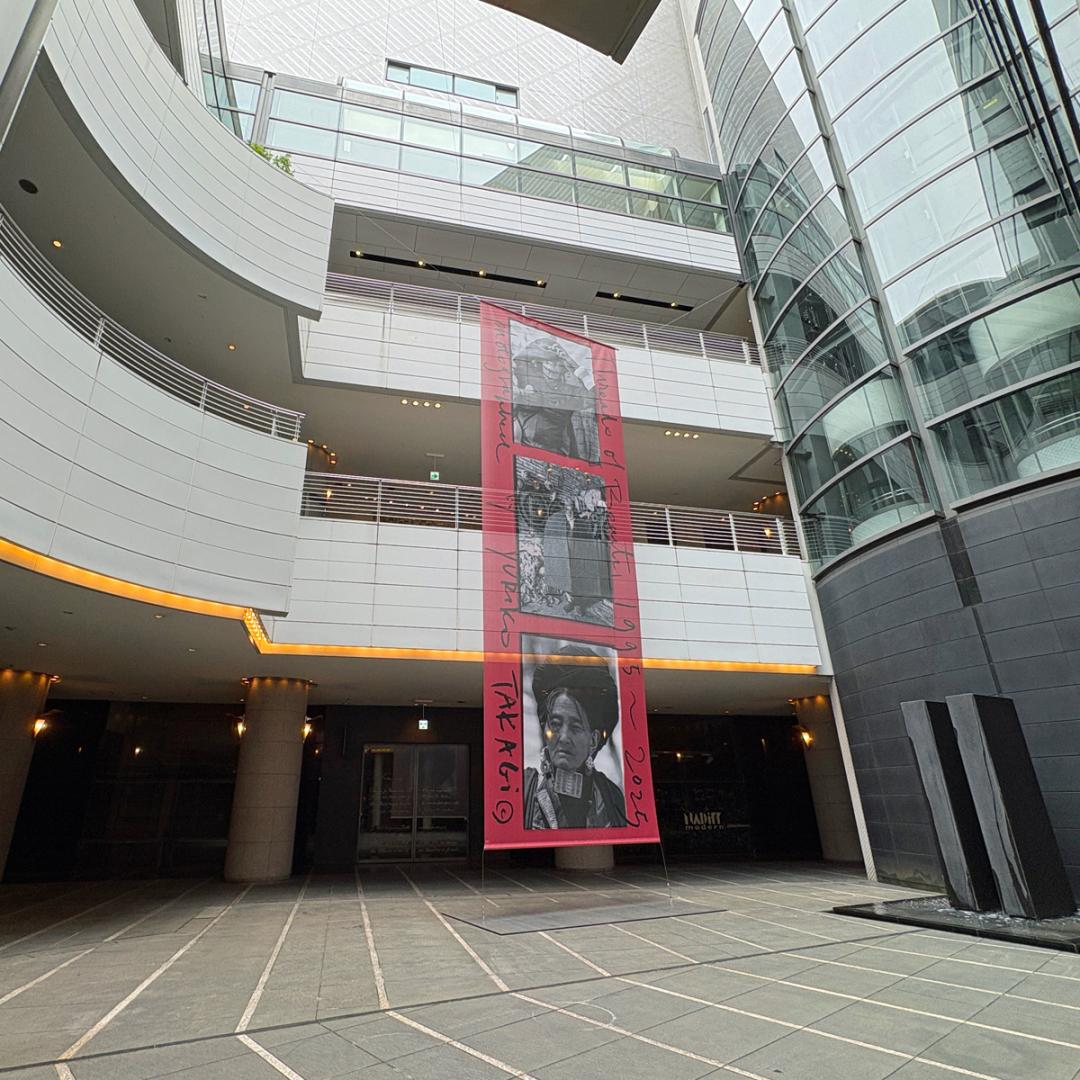
今回の展示企画をもって、同スペースでの営業を全て終える。見慣れた入口や、吹き抜けの地下広場も記憶に残しておきたい
Bunkamura ザ・ミュージアムは、隣接する東急本店跡地に建設中の新施設への拡大移転を控えており、現在の展示室で行われる展覧会としては同展が最後となる。高木さんの作品とともに、約40年の歴史を持つ展示空間を体感できる貴重な機会ともいえそうだ。
13時~20時(最終入場19時30分)。入場無料。 会期は3月29日まで。
- 高木由利子 写真展 Threads of Beauty 1995‐2025 ― 時をまとい、風をまとう。
- 会期:2026年3月10日(火)~3月29日(日) ※会期中無休
- 時間:13:00~20:00(最終入場19:30まで)
- 会場:Bunkamuraザ・ミュージアム
- 料金:無料
- 公式:詳細はこちら
- 主催:渋谷ファッションウィーク
- 共催 :東急株式会社、Bunkamura
開催場所
編集部・フジイ タカシ
渋谷の記録係。渋谷のカルチャー情報のほか、旬のニュースや話題、日々感じる事を書き綴っていきます。
同じジャンルの記事
2026-09-02〜
【渋谷風景録Vol.2】盲学者・塙保己一の遺業を守り続ける「温故学会会館」
2026-08-22〜
【レポート】渋谷ヒカリエで「遊ぶ」アート展 巨大すごろくや鍋を鳴らす卓球
2026-07-08〜
1/80で再現された「渋谷」ジオラマ誕生 都市モデラー・入交優さんが語る渋谷の魅力

2026-06-10〜
渋谷駅東口地下広場に給水スポット “マイボトル文化”発信拠点に
サイトの注目記事

渋谷の肉料理おすすめ5選! 渋谷在勤・かごさんが厳選するお店を紹介
渋谷の秋彩る「金王八幡宮例大祭」 道玄坂・青山で神輿渡御、縁日や多国籍グルメも
【渋谷風景録Vol.2】盲学者・塙保己一の遺業を守り続ける「温故学会会館」