SHIBUY.A. × INTERVIEW
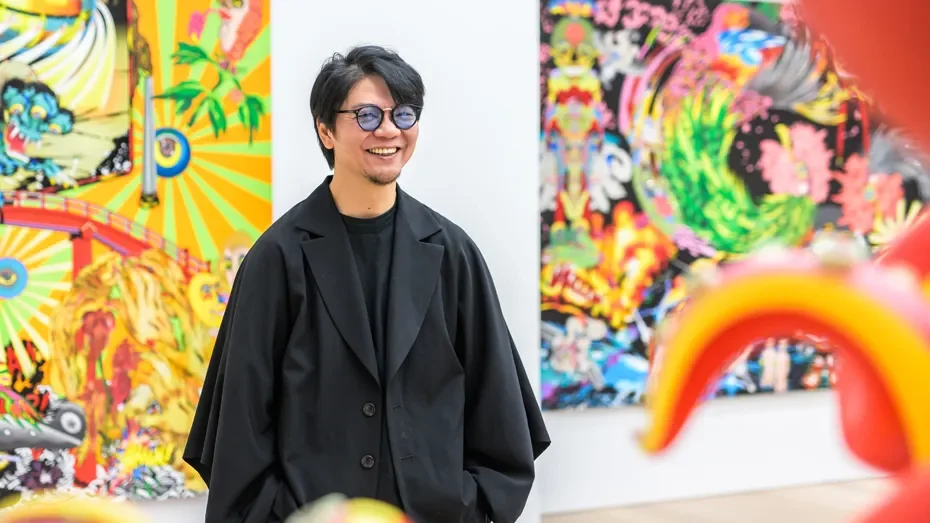
NANZUKA Representative / Gallerist
<Part 1>
Re-examining the question of "what art should be."
NANZUKA's 20-year journey in Shibuya.
2026-11-25
SHARE
Born in Tokyo in 1978, he studied art history at Waseda University and its graduate school. In 2005, he opened "NANZUKA UNDERGROUND" in Shibuya 2-chome, later relocating to Jingumae (closed in October 2026). He has expanded his activities to include "NANZUKA 2G" in Shibuya PARCO and a space in Nakameguro that combines sushi and art. In parallel, he introduces Japanese artists to the world through participation in overseas art fairs and exhibition planning. In 2024, he established "NANZUKA ART INSTITUTE," a museum-style art space in Shanghai. Also in the same year, he opened the bar "NANZUKA TAKEN" in SHIBUYA AXSH, and in September 2026, he opened a new flagship gallery, "NANZUKA," in the same facility.
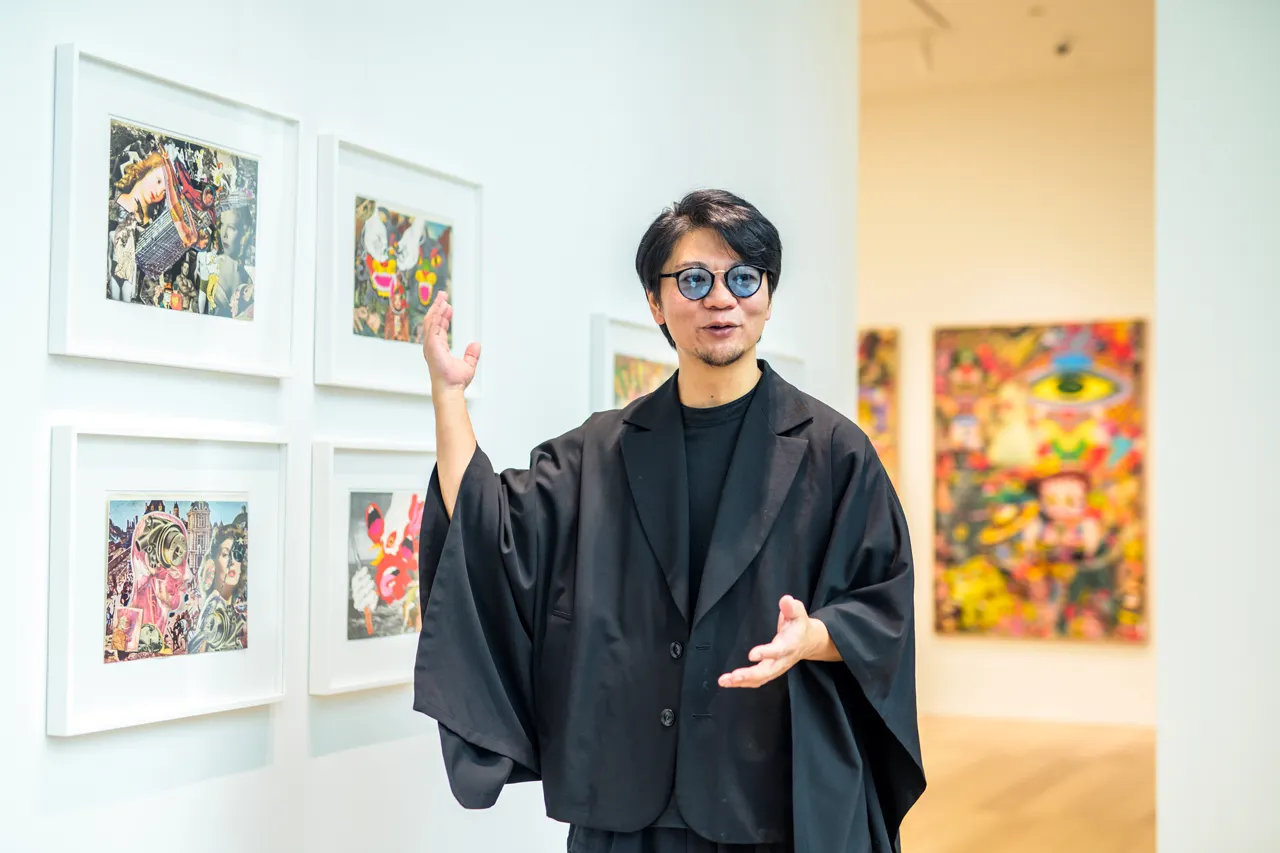
In September 2026, Masafumi Minamizuka opened a new gallery, "NANZUKA," in SHIBUYA AXSH, Shibuya 2-chome. For about 20 years, as a gallerist, he has valued an approach that focuses on the artwork and expression itself, without being bound by the framework of "how art should be." What kind of philosophy underlies his work, which has expanded from Shibuya to the world, together with artists such as Keiichi Tanaami? In the first part of this interview, we asked him about his thoughts on art and his journey so far.
"What defines art?" This simple question became the starting point for the gallery.
What kind of connection did you have with Shibuya 2-chome from a young age?
My grandmother ran a tailoring school called Minamizuka Tailoring School in a building that stood on this site before the redevelopment (Shibuya Ibis Building, now SHIBUYA AXSH). I spent my elementary and junior high school years in Fuchu, but I often came to Shibuya to visit my grandmother. At that time, there was a movie theater in the Tokyu Culture Hall, and a planetarium was also in operation. There were mixed-use buildings, small izakayas, bookstores, and so on, and although it was a big city, it had an impression that was somewhat similar to the area in front of a train station in a provincial city. When I became a high school student, I started coming to buy clothes on weekends. It was the 1990s, and street culture was booming in Ura-Harajuku, and the so-called Shibuya-kei was at its peak. There was a tense atmosphere in Center Gai at that time, and I even got into trouble with some gang members and had to run away. I was confident in my running ability because I was on the soccer team (laughs). Later, when I became a university student, I started helping my elderly grandmother with her work, and my connection with Shibuya deepened even further.
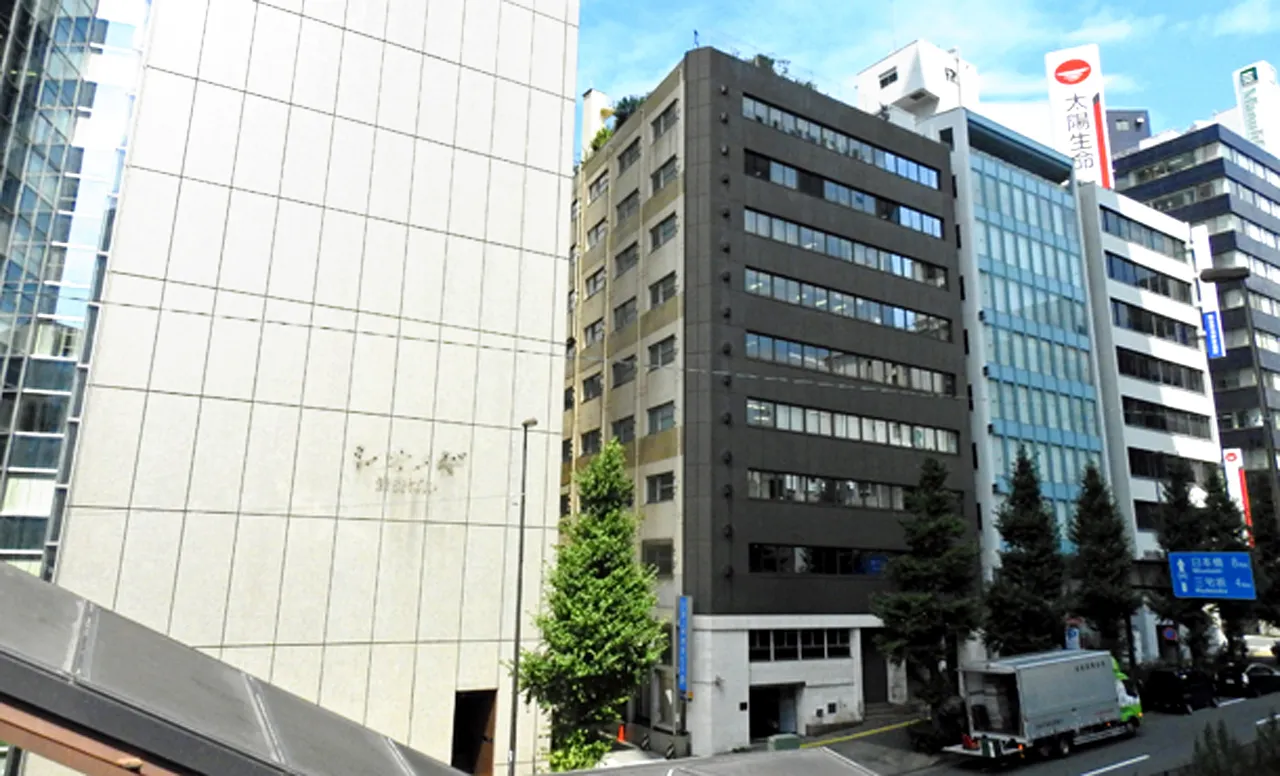
(Caption) From left to right: Shionogi Shibuya Building, Shibuya Ibis Building, Shibuya Toho Building, and Taiyo Life Shibuya Building. These four buildings, which lined up along Aoyama Street, were redeveloped, and the mixed-use complex "SHIBUYA AXSH" opened on the site in July 2024. Photo taken in 2019.
How did your interest in art develop?
Influenced by my mother, who was a children's book author, she often took me to art museums when I was little. I also had opportunities to travel abroad, and in high school, I visited museums in Paris and London with my parents. The Seibu Museum of Art at the time also actively held exhibitions of contemporary art, which I often went to see. What I liked back then was relatively new art, such as contemporary art. When you study art, you naturally accept that older works have value. However, when you look from traditional religious paintings to works by Monet and Picasso, the expression changes dramatically. I think I was interested in thinking about things like, "Why did they choose this expression?" and "What is good about this work, and where does its value lie?"
At university, I majored in art history and researched people who had taught themselves to paint. These included Kiyoshi Yamashita, known as a wandering painter; Chieko Takamura, wife of Kotaro Takamura, known for "Chieko-sho"; and Suma Maruki, who began painting after the age of 70. However, there was a large gap between these painters, who became known through journalism, and the academic art world. From there, I became interested in the question, "What defines art?" Rather than a critical perspective, it was a simple question of "What is art?" and I chose that theme for my graduation thesis.
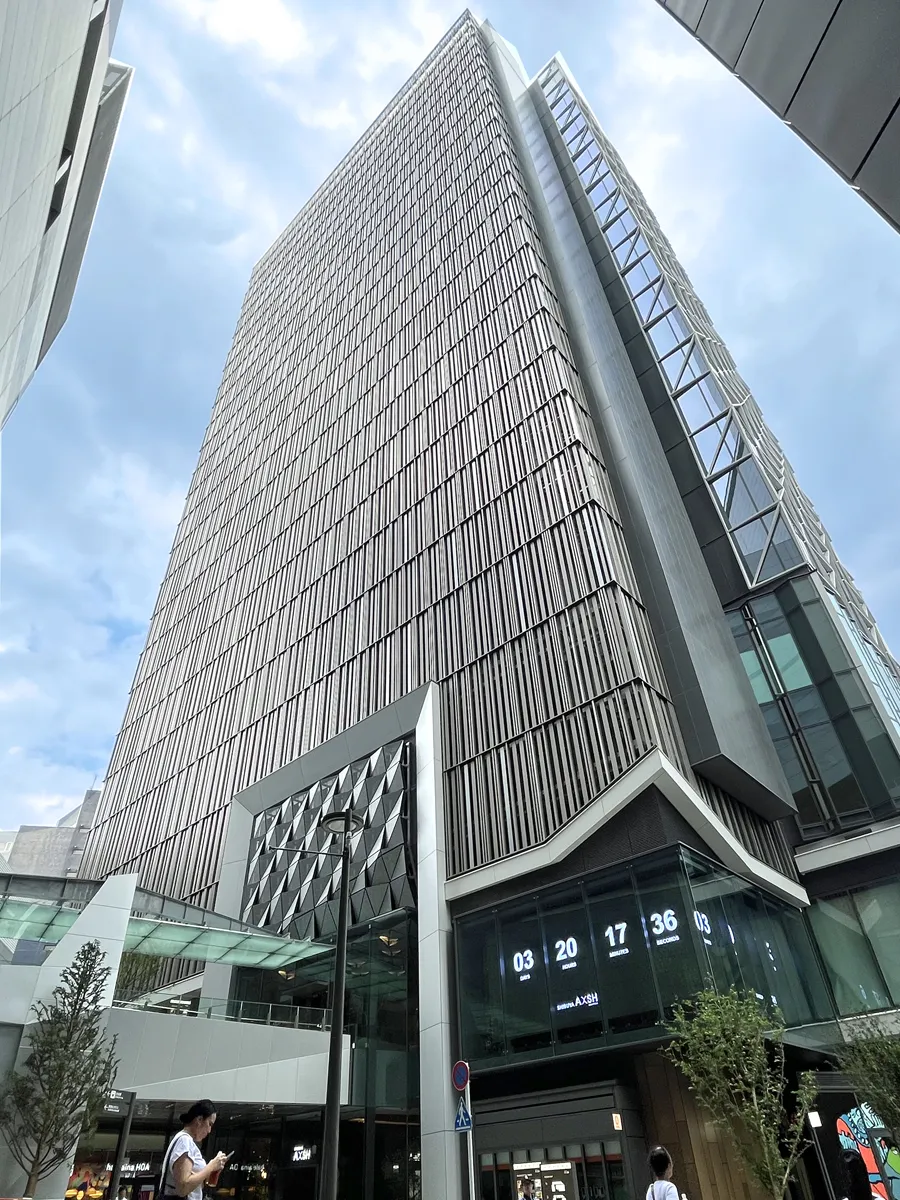
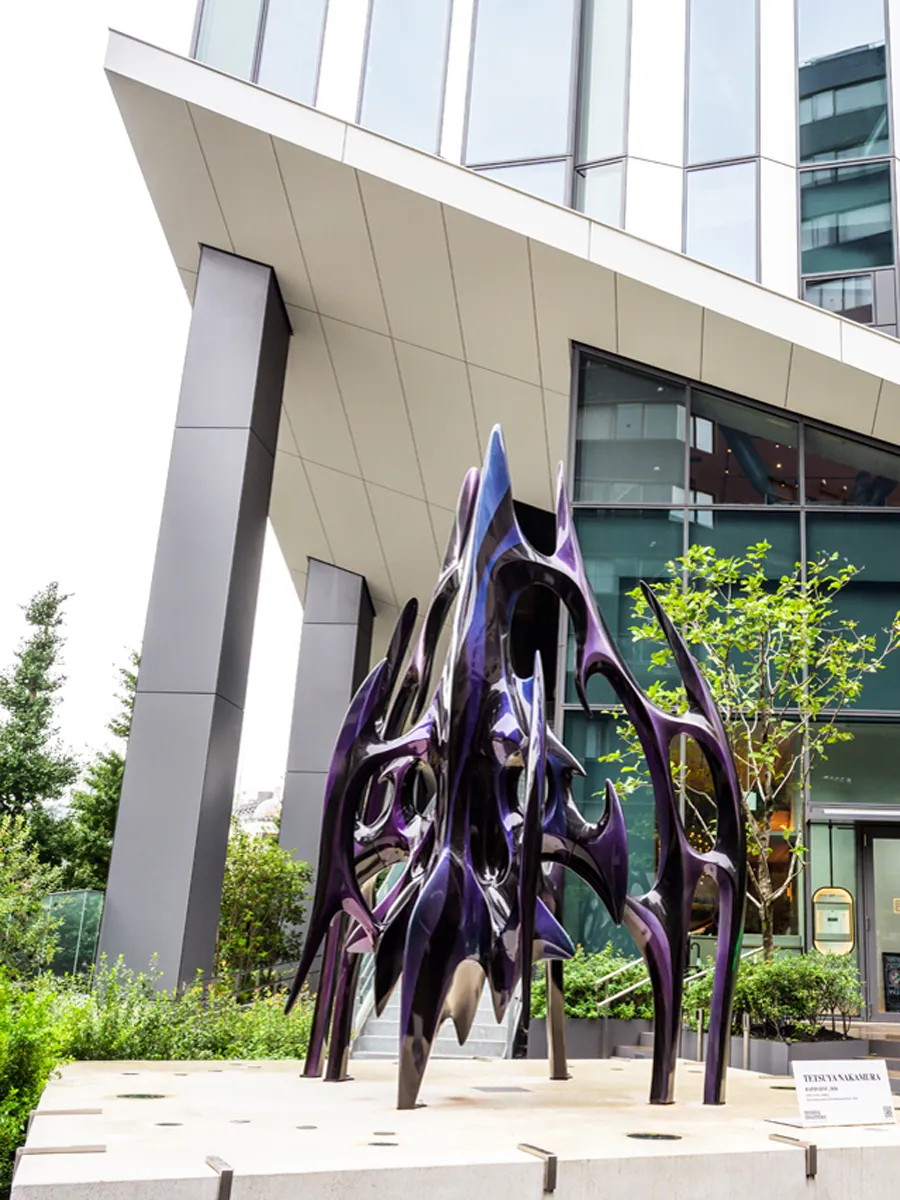
Left: Exterior view of SHIBUYA AXSH, which houses the new gallery "NANZUKA". Right: The plaza on the Aoyama side of SHIBUYA AXSH features a public art space created by NANZUKA. Until mid-March 2027, a large-scale work exceeding 3.3 meters in height, "RAPID RISE," by contemporary artist Tetsuya Nakamura, who belongs to NANZUKA, is installed there.
I have re-examined contemporary art from the perspective that "art should be free."
Could you tell us about the circumstances that led you to leave your research path and start a gallery?
My undergraduate thesis was interesting to my seminar professor, and since it was a difficult job market at the time, I didn't have many other options, so I went on to graduate school. I spent four years writing my master's thesis, but due to a procedural error, I was automatically forced to withdraw from academia. (laughs) I wasn't particularly keen on continuing on to a doctoral program anyway, so perhaps it was my destiny. At that time, I had a conversation with my professor about my career path, and he told me, "If you want to pursue a topic that interests you, you could also consider opening your own gallery." Many influential figures in academia were critical of art dealers who bought and sold artworks, so it was surprising to hear a professor in a research setting recommend a gallery. Looking back, I think that conversation was the catalyst for opening "NANZUKA UNDERGROUND" later on. Ideally, I should have worked for a gallery somewhere to learn how it worked, but the kind of expression I was interested in wasn't being handled by many other galleries or museums at the time, so I ended up starting my own. I started it without thinking too deeply about it at the time, but in the end, that might have been for the best.
What kind of gallery did you aim to create from the very beginning?
I believe that the moment we decide "art must be this way," the evolution of contemporary art comes to a halt. However, the art world is somewhat conservative and seems to define "art as this." Feeling a contradiction there, I began to think that when considering contemporary art, it might be good to temporarily set aside the traditional concept of fine art, the so-called art for art's sake, or pure art. This means setting aside the very concepts of what we call art and what constitutes art, and instead focusing on the social meaning of the works and expressions themselves.
This way, the expressions of so-called self-taught outsiders can also be included within the framework of fine art. Furthermore, design, fashion, and, more broadly, bodily expressions such as music and dance can also be considered art. I wanted to think without setting boundaries from the beginning, such as "this is art, and this is not art." I thought that we could consider the nature of art in the 21st century from that perspective. That's what I've been aiming for since I started the gallery.
Before opening the gallery, I had the opportunity to meet people involved in the Shibuya music and design scene. I learned a great deal from media artist Naohiro Ukawa, whom I still consider my mentor, and from Maha Harada, who was working as an independent curator before making her debut as a novelist. The support of these mentors was also instrumental in launching the gallery.
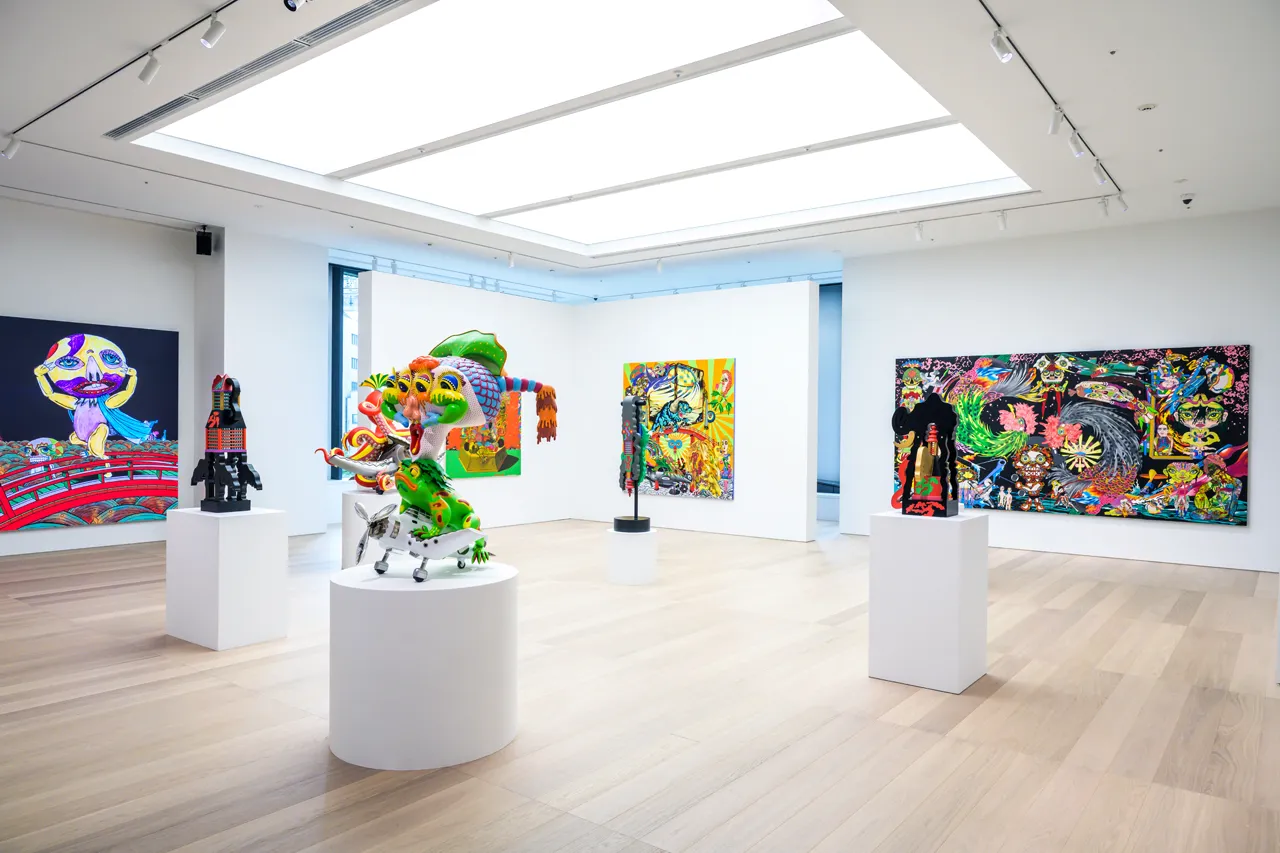
Interior view of the new gallery. In 2005, Ms. Minamizuka opened "NANZUKA UNDERGROUND" in Shibuya 2-chome. After that, she continued her activities while moving her base of operations to Shirokane, Jingumae, and other locations, and in September 2026, she opened a new gallery, "NANZUKA," on the 3rd floor of "SHIBUYA AXSH" in Shibuya 2-chome, the place where she started her business.
The collaboration with Keiichi Tanaami worked well together and led to recognition overseas.
Keiichi Tanaami was a figure who symbolized that way of thinking.
At the time, Mr. Ukawa was collaborating with Mr. Tanaami on the artwork for the rock band "SUPERCAR" album, and that's how I met Mr. Tanaami. Back then in Japan, Mr. Tanaami was primarily seen as a designer, and even art experts weren't taking him seriously. I think he must have felt frustrated by that. I was aware of the situation, so from the beginning, I was thinking about taking his work overseas. We exhibited at international art fairs, built connections with galleries there, and got them to handle Mr. Tanaami's work. We continued that activity, and by 2008, we had already had exhibitions in galleries in Switzerland and Germany, and participated in international fairs. Mr. Tanaami himself had been expressing the idea since the 1960s that "art of the future doesn't need to be confined to the framework of pure art." I strategized and acted to realize that idea. I think that this kind of collaborative effort worked well together and led to his recognition overseas.
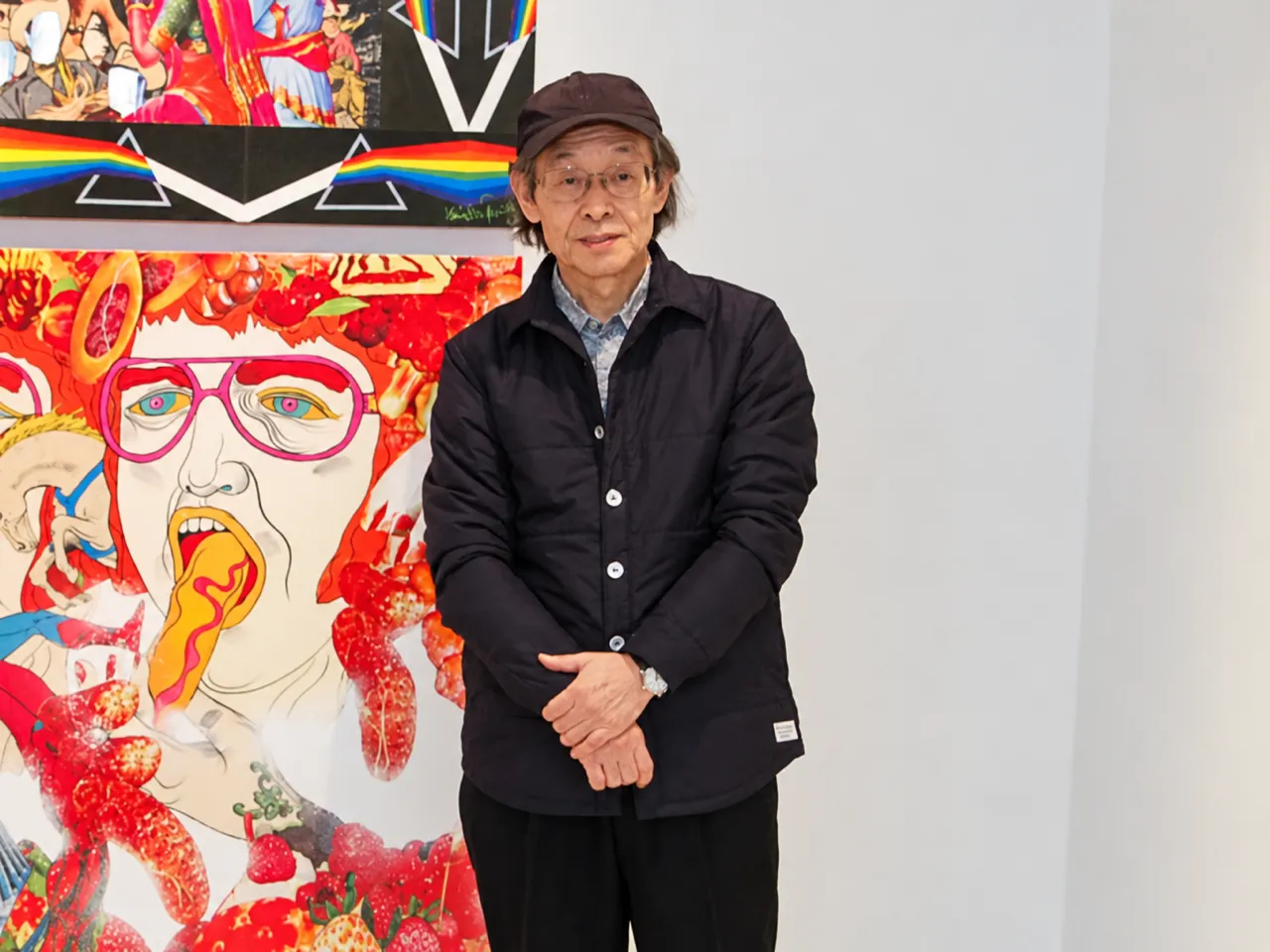
Keiichi Tanaami at the "ShibuPal Exhibition" held at Shibuya Parco in 2013. Photo taken in 2013.
At that time, there were differences in how design and fashion were perceived in Japan and overseas. In Japan, these fields were fixed as being inferior to fine arts, making re-evaluation difficult. On the other hand, in Europe and America, Japan was often viewed positively, with people saying, "Japan is strong in design and such." I think that Tanaami's work was appreciated not as something separate from fine arts simply because it was design work, but as an expression rooted in Japanese culture and history.
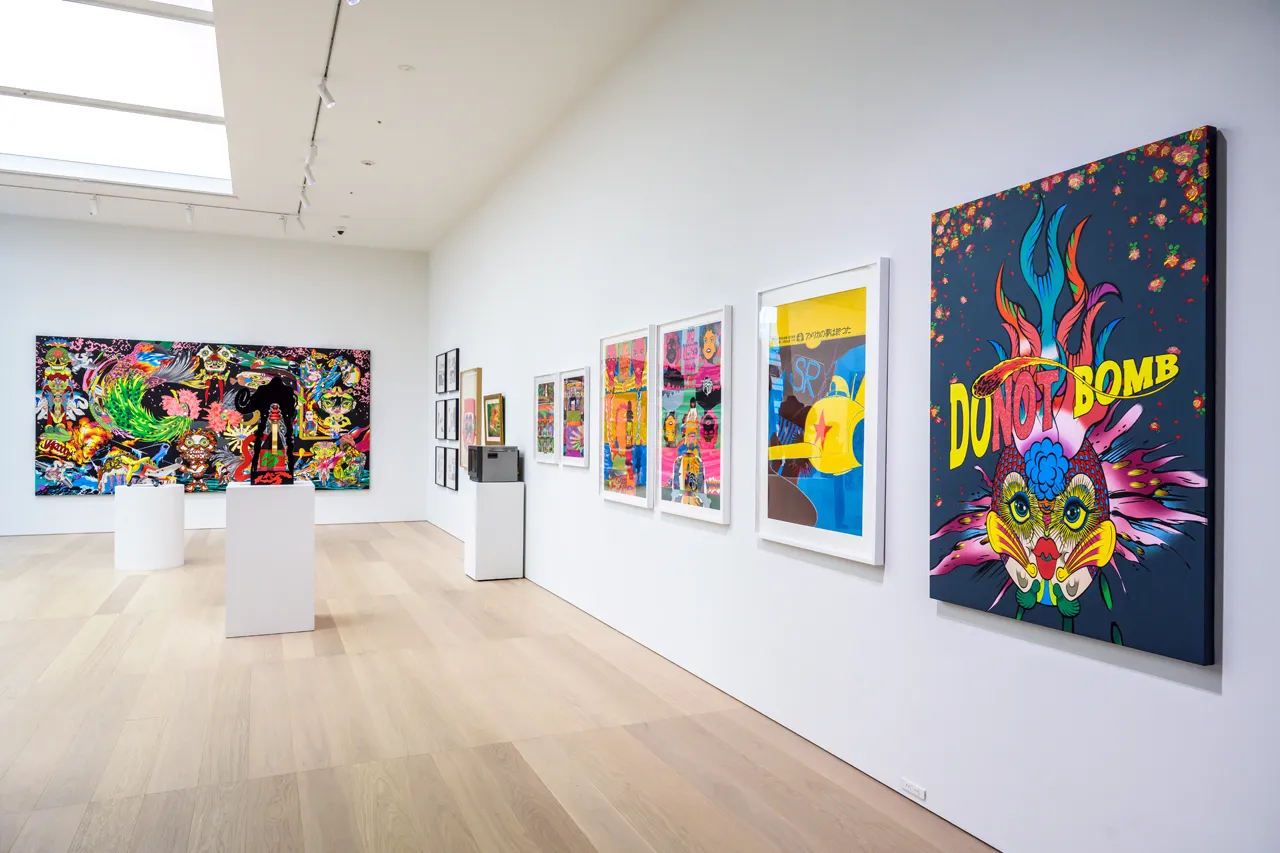
As the inaugural exhibition for the new gallery, Keiichi Tanaami's exhibition "DO NOT BOMB" (September 12 - October 17, 2026) will be held. The exhibition will showcase works ranging from his early pieces in the 1960s to previously unreleased works created shortly before his death in 2024, offering a retrospective of Tanaami's creative activities and achievements.
When introducing other authors, is there a common perspective you share?
There are many artists who are a little outside the traditional center of art. For example, Yuichi Yokoyama is a manga artist, and Hiroki Tsukuda originally came from the field of graphic design. Sometimes these artists who I work with come together on their own, and sometimes I find them by expanding my reach through social media and other means. However, nowadays, there is no longer a need to distinguish between being at the center of academic art and being outside of it. I think this change is largely due to the flow of the times. I don't know to what extent our activities influenced it, but in a sense, we may have been able to foresee that things would turn out this way to some extent.
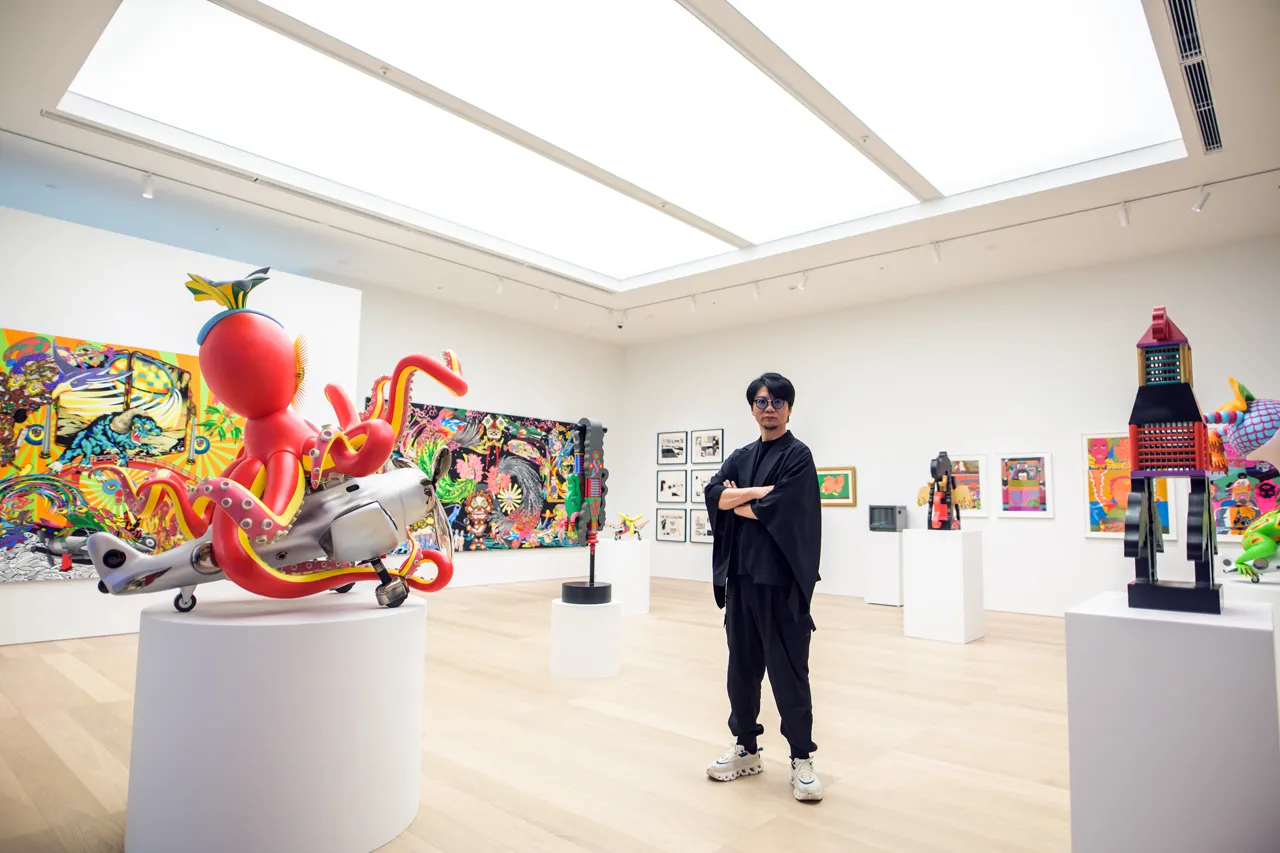
The interview took place inside the new gallery.
In the second part of this interview, we will discuss the thoughts behind the new gallery "NANZUKA," which opened in 2026, and the vision for the future.
Interview and writing: Ryota Ninomiya / Photography: Osamu Matsuba
Featured articles on the site
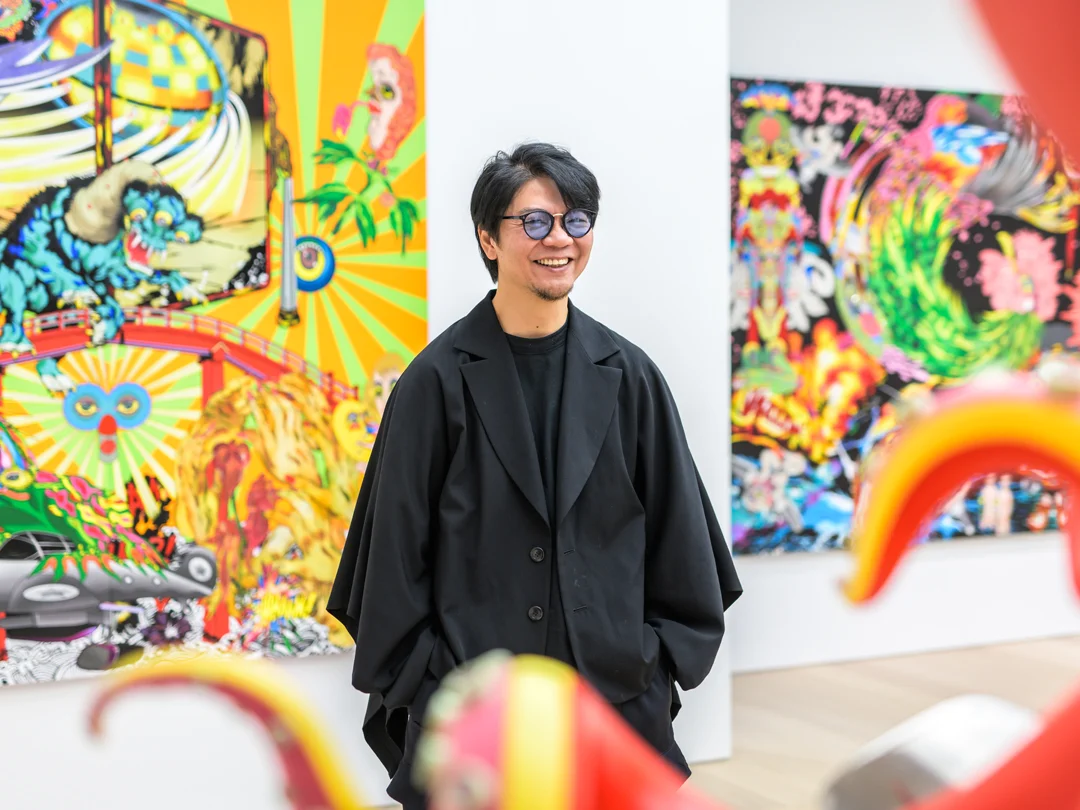
南塚真史さん(NANZUKA代表/ギャラリスト)|「アートはこうあるべき」を問い直す。 渋谷で歩んだNANZUKAの20年。
A special exhibition commemorating the 100th anniversary of Gaudí's death is being held in Shibuya, featuring over 160 items including original drawings and architectural models.
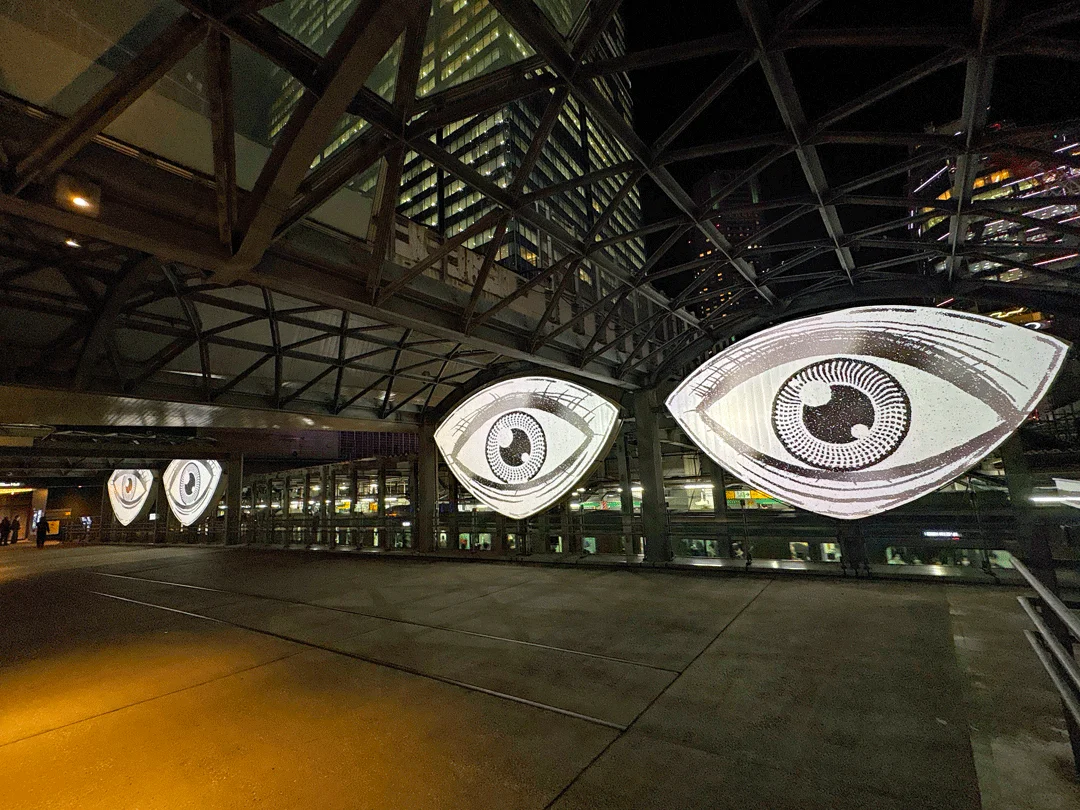
A giant "eye" appears in the sky above National Route 246 in Shibuya; light and sound art based on the design of the former Tokyu Toyoko Line Shibuya Station.