SHIBUY.A. × WATCH

Goodbye, Shibuya Hands. 48 years of history come to an end. A "labyrinth of creativity" born in a hilly town.
2026-11-15
SHARE
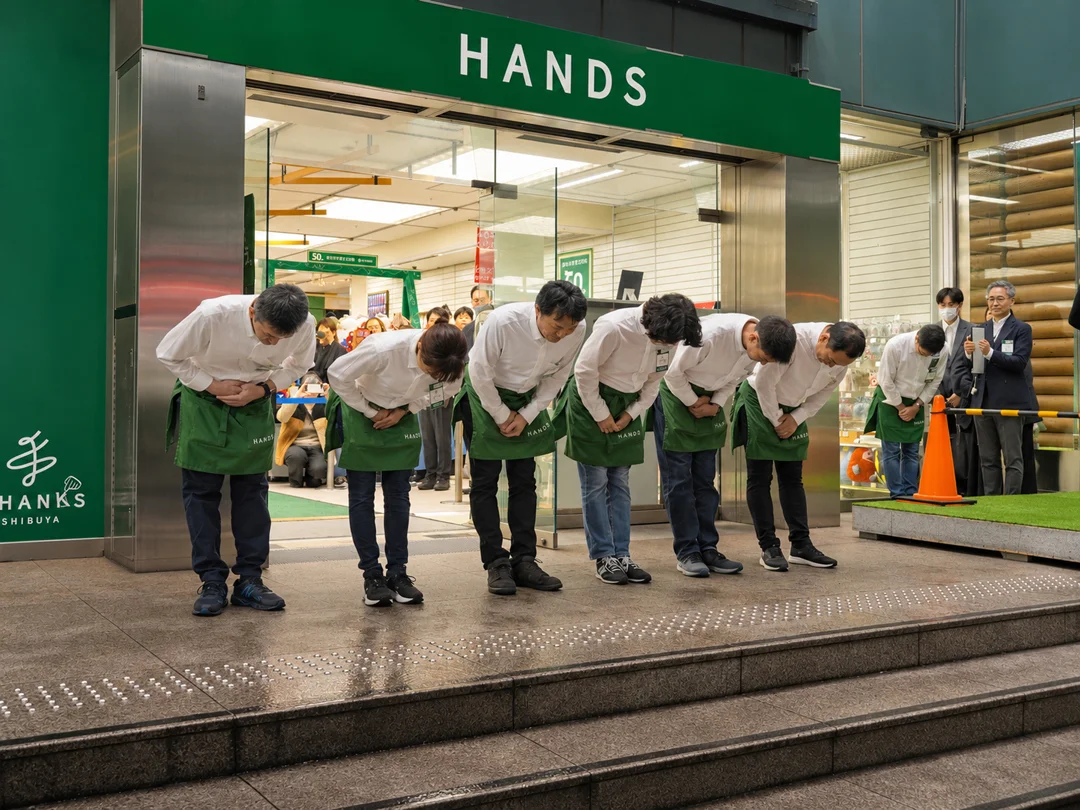
On Sunday, November 15th, at 7 p.m., the Tokyu Hands Shibuya store closed for the last time in Udagawa-cho, Shibuya, under a cold rain. As the rain intensified, the staff lined up in front of the store bowed deeply and said, "Thank you for 48 years. We will be back in Shibuya again." People gathered along the street shouted "Thank you!" and "Thank you for 48 years!" in gratitude. As many people watched the store close, the shutters slowly came down. 48 years had passed since its opening on September 9, 1978 (Showa 53). The Shibuya landmark, once affectionately known as "Tokyu Hands," closed its doors, ending its long history.
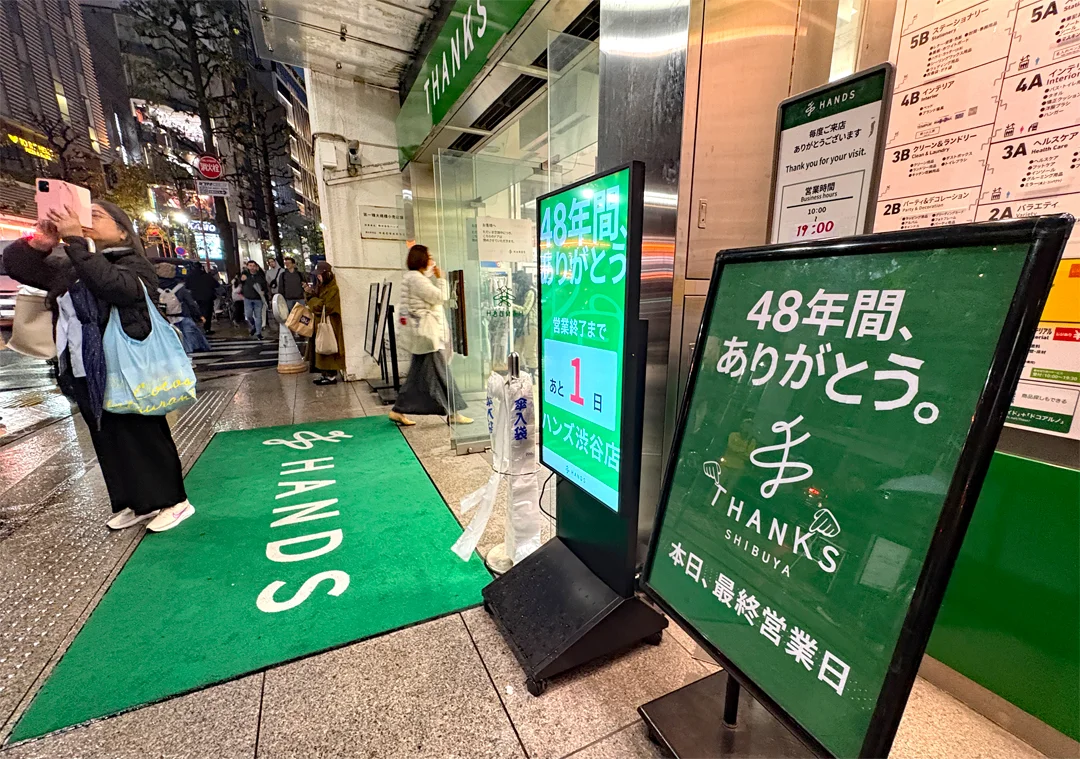
Near the main entrance of Hands Shibuya store on November 15th, the "last day of business"
Whether you were there to buy tools and materials, wandering around aimlessly, or discovering the joy of crafting for the first time, Hands Shibuya was more than just a place to shop. It was a special place that supported the culture and creativity nurtured in the Shibuya area.
Born with the aim of "restoring the power of the human hand" in an era of mass consumption.
The history of Tokyu Hands dates back to 1976. In an era of rapid economic growth where mass production and mass consumption were commonplace, Tokyu Fudosan conceived a new retail format that proposed the joy of creating and innovating one's own life, rather than simply buying and using ready-made products. At the heart of this was the idea of "reclaiming the power of human hands."
In November of the same year, the first store opened in Fujisawa City, Kanagawa Prefecture. The following year, 1977, the second store opened in Futako-Tamagawa, where the company experimented with product selection and sales methods. Then, on September 9, 1978, the third store, the Shibuya store, was born. It was a large flagship store that brought together the know-how cultivated at the previous two stores, and on its opening day, approximately 25,000 people visited, and there was a constant line of people heading to the store from Shibuya Station.
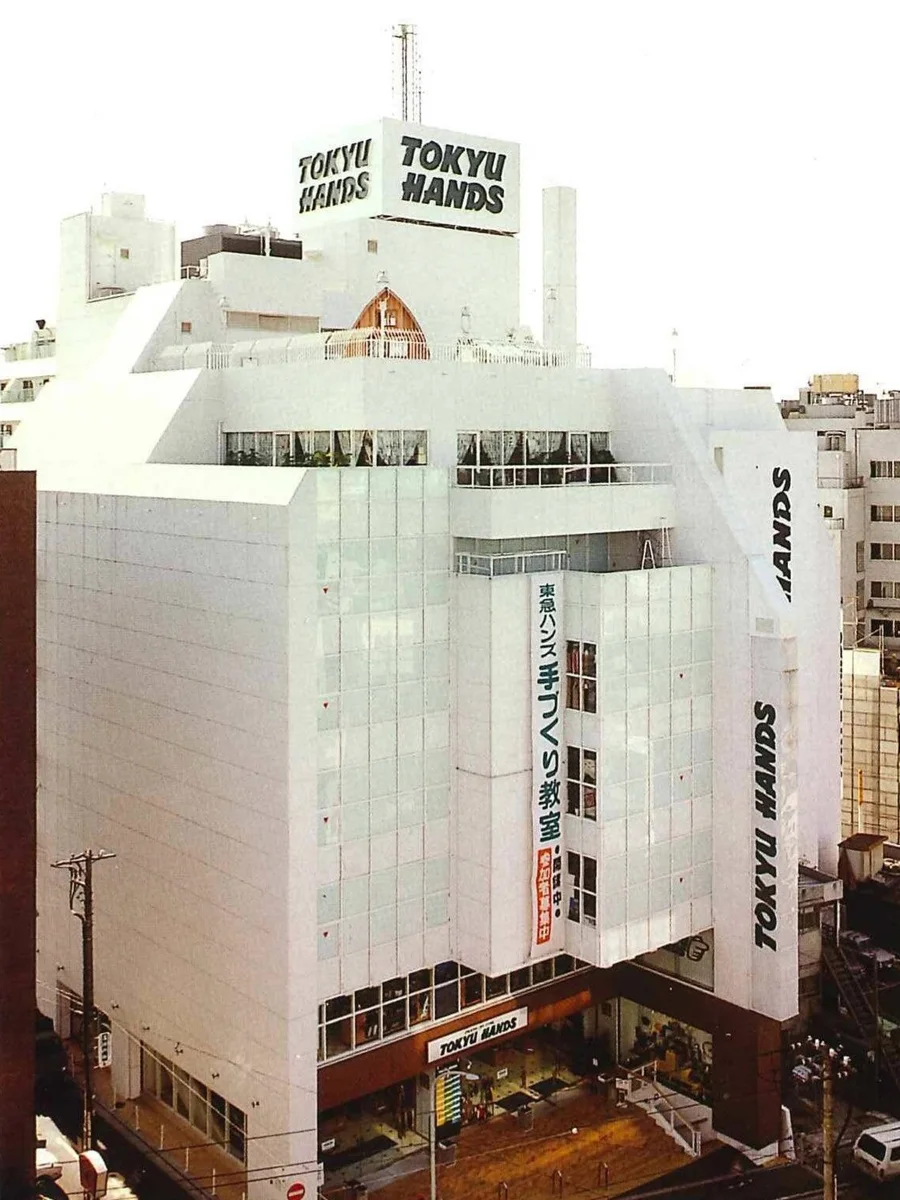
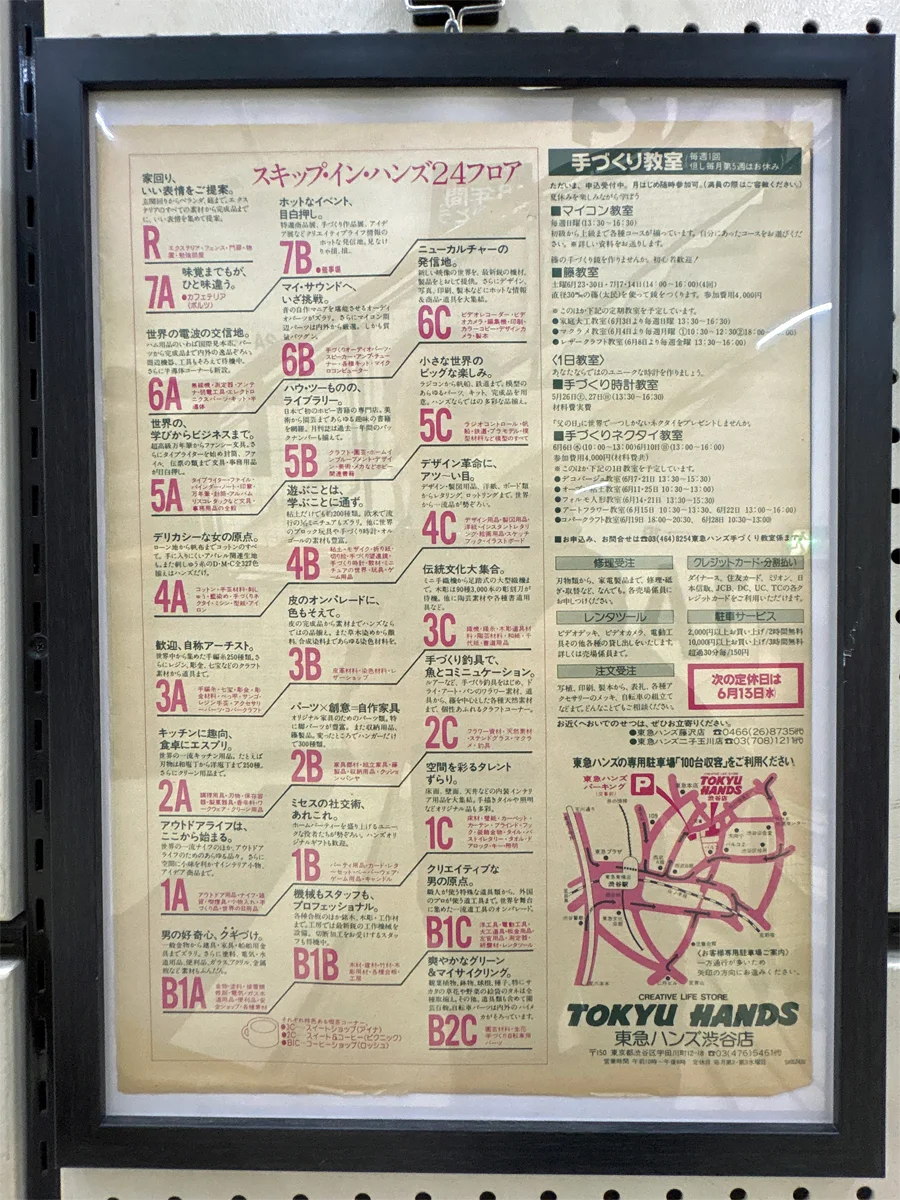
Left: Exterior view when the store opened in 1978. Right: Flyer from 1978 (displayed inside the store).
The store was filled with items you wouldn't typically find in a regular general store. There were about 1,000 different types of light bulbs alone, and around 3,000 carving tools, from professional-grade to children's sizes. Tools, wood, metal, art supplies, model-making equipment, laboratory equipment, and other specialized materials and tools were crammed into the space.
I came to buy what I needed, but I was captivated by tools I'd never seen before, and before I knew it, I'd stepped into a different section of the store. This continuous stream of discoveries was the real charm of the Shibuya store. Perhaps what Hands offered was more than just the joy of buying things; it was the experience of wanting to create something myself.
Hamano Yasuhiro's "Skip Floor" takes advantage of the slope.
One of the key aspects of the Hands Shibuya store is its unique building structure, unlike that of other commercial facilities. The store is located halfway up Organ Hill, which stretches from Inokashira Street to the hilltop of Udagawa-cho. The slope and the shape of the site present constraints. For a commercial facility that wants to secure a large, flat sales area, this was by no means an ideal location.
It was lifestyle producer Yasuhiro Hamano, who was involved in creating the concept and producing the stores during the founding period, who transformed the disadvantages of this terrain into the unique characteristics of the facility.
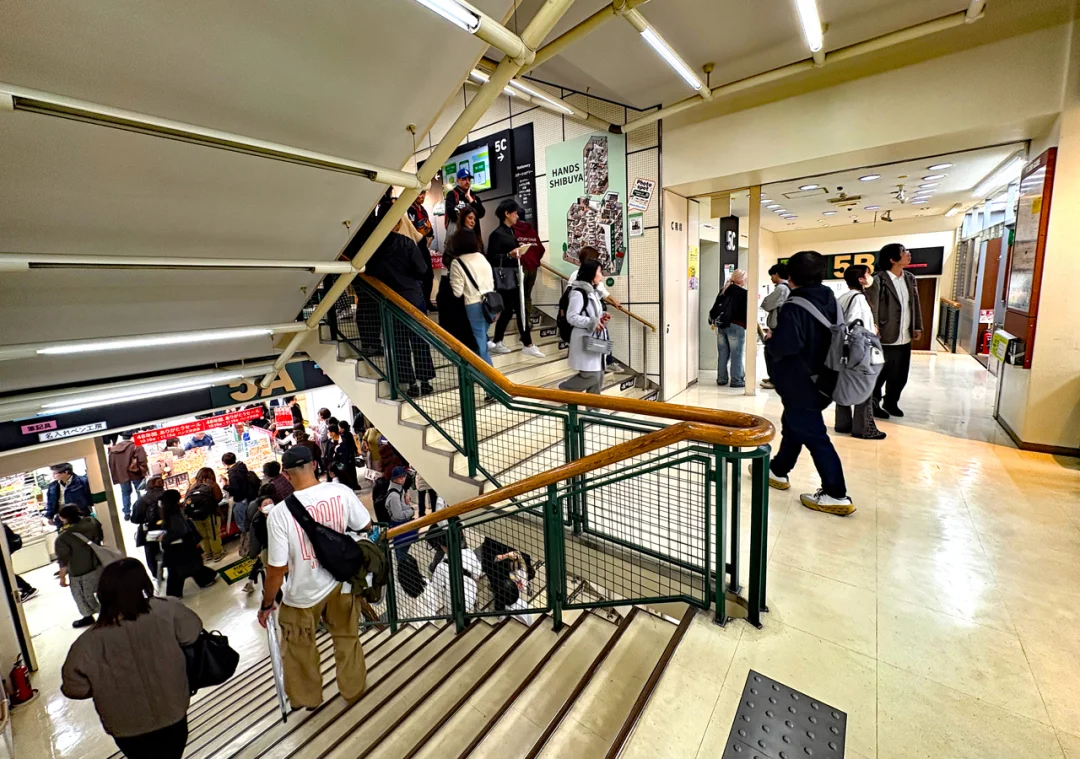
A "skip floor" allows for free movement between floors A, B, and C by shifting the height by half a floor at a time.
The design adopted is a "skip-floor" structure, where floor levels are slightly staggered. Each floor is divided into three sections, "A," "B," and "C," and connected by short staircases, creating a continuous sales area that follows the slope of the hill. The 24 floors are connected in a spiral. There are no escalators in the building; visitors navigate the sales areas by climbing and descending a total of 408 steps. After climbing just a few steps, a different genre of products unfolds before you. You might find yourself on a different floor without realizing it, or take an unexpected detour to reach your desired sales area.
In terms of efficiently purchasing desired items, the layout may not have been particularly convenient. However, that slightly inconvenient and complex space was precisely what made the Shibuya store so appealing.
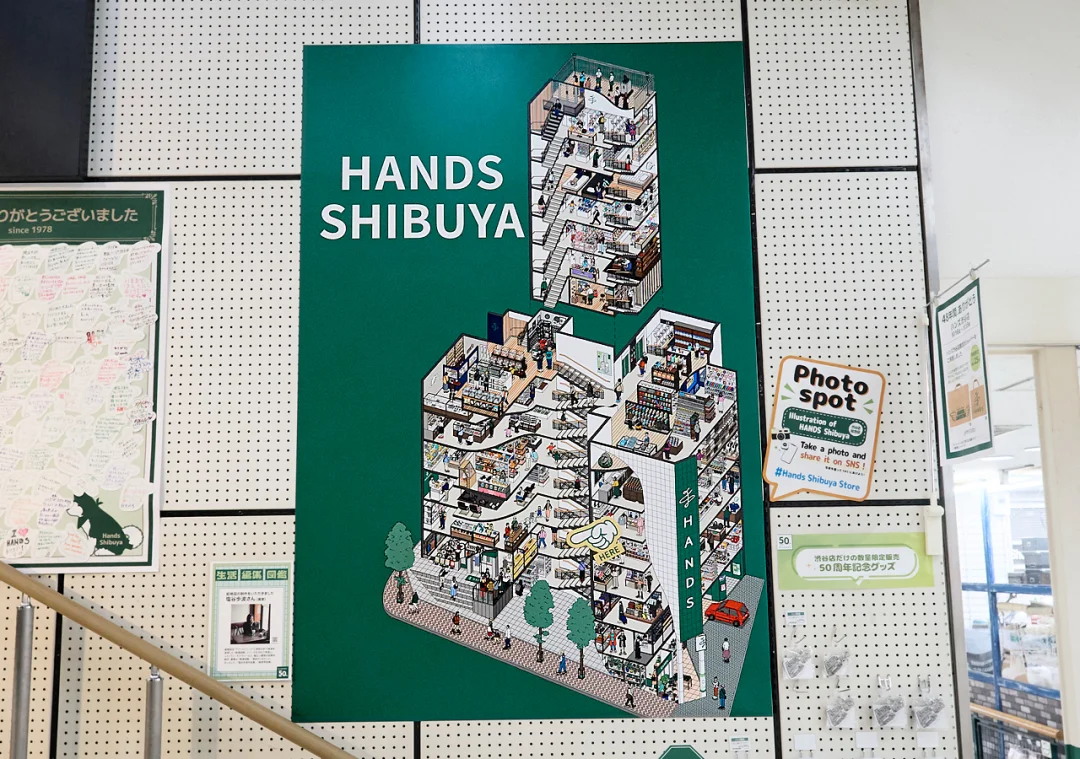
A cross-section illustration of the Hands Shibuya store drawn by painter and architectural illustrator Ayumi Shioya. It clearly shows the unique "skip-floor" structure.
The experience of wandering around searching for products was as exciting as exploring a maze. It was as if the joy of exploring the slopes and back alleys of Shibuya had been brought directly into the building.
Mr. Hamano has been involved in the production of numerous commercial facilities and stores, including "FROM-1st" in Omotesando, "QFRONT" in front of Shibuya Station, and "Patagonia Flagship" on Cat Street. His philosophy of urban development is not simply to create commercial facilities, but to create places where people gather and new cultures and lifestyles are born. This philosophy of Mr. Hamano was also reflected in the Tokyu Hands Shibuya store.
The "toolbox" that supported the creators of Shibuya
The impact that Hands Shibuya store has had on the city goes beyond just the uniqueness of its building. In Shibuya, where diverse cultures such as music, fashion, design, and art have intersected, Hands has supported people's creative activities from a familiar place.
NHK is located very close by, and the surrounding area is home to many design offices and production companies. There are also many design and fashion-related vocational schools, including Kuwasawa Design Institute. Designers search for materials they need for their projects, students buy art supplies for their assignments, and artists seek inspiration for their work. Many people have probably visited this area countless times for these reasons.
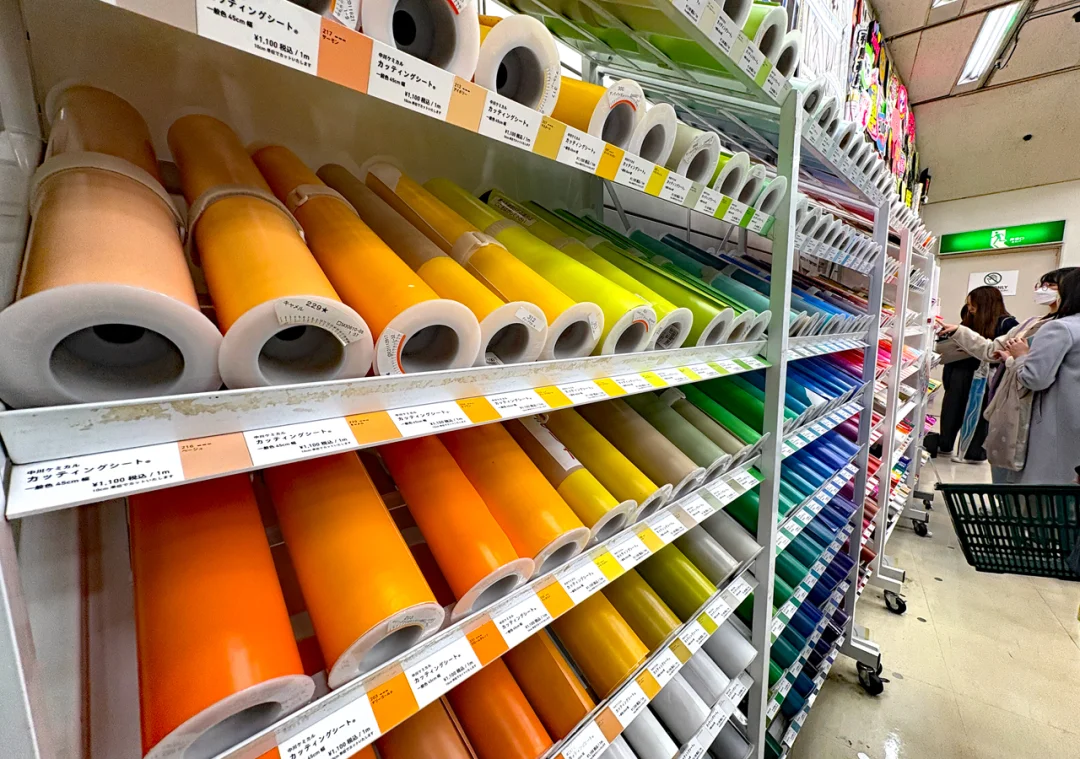
The wide variety of colors and other options were what made Hands so appealing.
Professional-grade specialized tools and children's craft supplies were displayed side-by-side in the same building. Hands' defining characteristic was its combination of the depth and sophistication of a specialty store and its approachable, accessible nature.
Unlike today, when you can find what you need instantly by searching the internet and have it delivered to your home the next day, there used to be great significance in actually picking up products, comparing them in person, and walking around the store.
Even without a clear idea of what to create, simply browsing materials and tools can spark creativity. Handling specialized products can open doors to previously unknown worlds. Hands was not only a place to sell finished products, but also a place to nurture ideas that hadn't yet taken shape.
A man working in design visited the store on its closing day and said he couldn't stop crying as he walked around the floor. "When I saw the acrylic gouache in the art supplies section, I remembered coming here to buy it when I was a student. Forgotten memories came flooding back, and tears just started flowing," he recalled.
During her student days studying design, whenever she was struggling with an assignment, she would visit Hands with her notebook and pen and consult with the staff. "When I told them what I wanted to make, they would tell me in detail which floor had the materials and tools I needed for painting. Even as an adult, whenever I had a problem, I would first consult with the staff at Hands. To me, the staff were like gods," she said, expressing her regret at leaving the store.
From Tokyu to Cainz: Hands has changed with the times.
In the nearly half-century since its founding, the retail environment has changed dramatically. In 1990, the Shibuya store's new building was expanded, increasing its sales floor space. Meanwhile, with the spread of online shopping and changes in consumer lifestyles, the role of large urban stores has also had to be re-evaluated.
In 2006, Tokyu Land Corporation sold the "Nishi-Shibuya Tokyu Building," which housed the Shibuya store. The building subsequently changed ownership and was acquired by the major real estate company Hulic in 2013. Hands continued to operate while leasing the building.
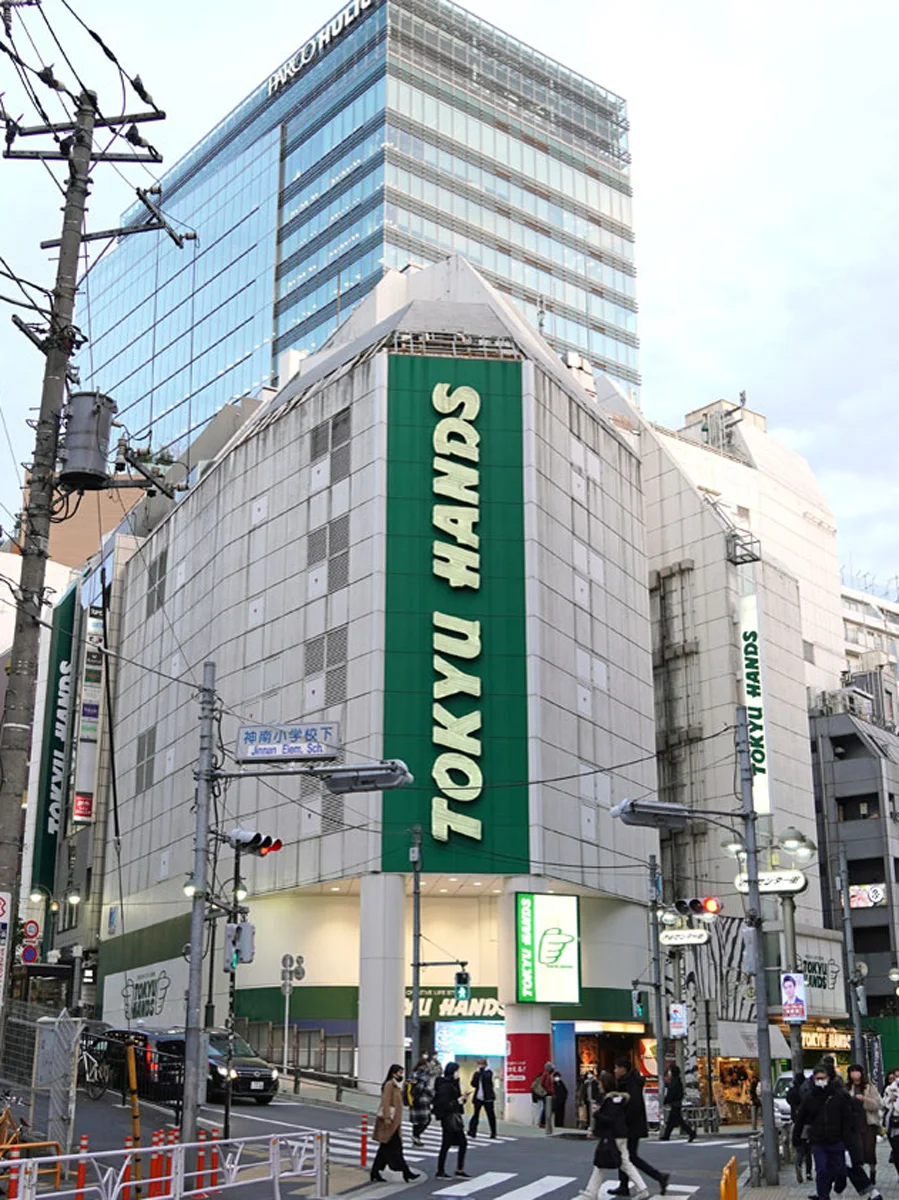
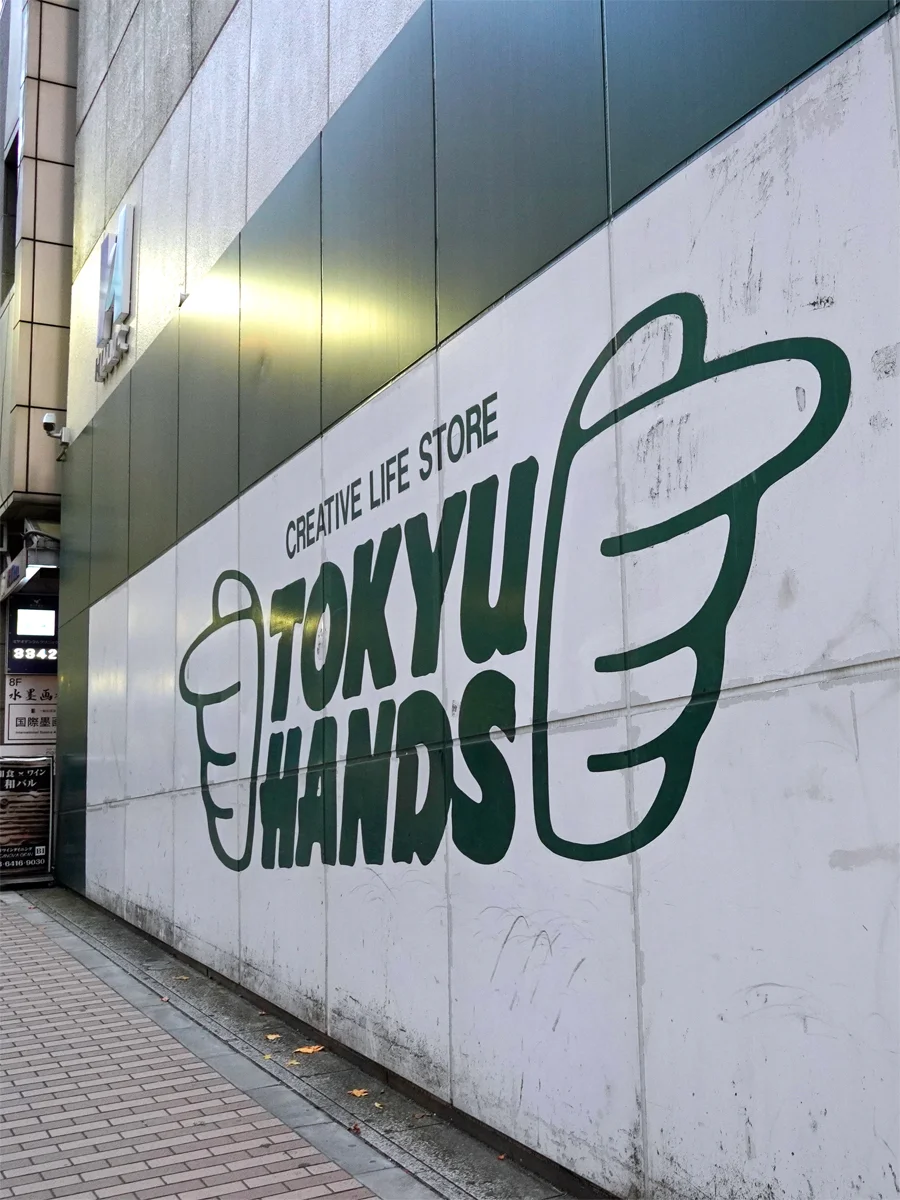
The Tokyu Hands logo brings back memories (photo taken in December 2021).
A major turning point was the spread of the coronavirus from 2020 onwards. Tokyu Hands, which had stores mainly in urban areas, was hit hard by temporary store closures, reduced operating hours, and a decrease in foreign visitors to Japan.
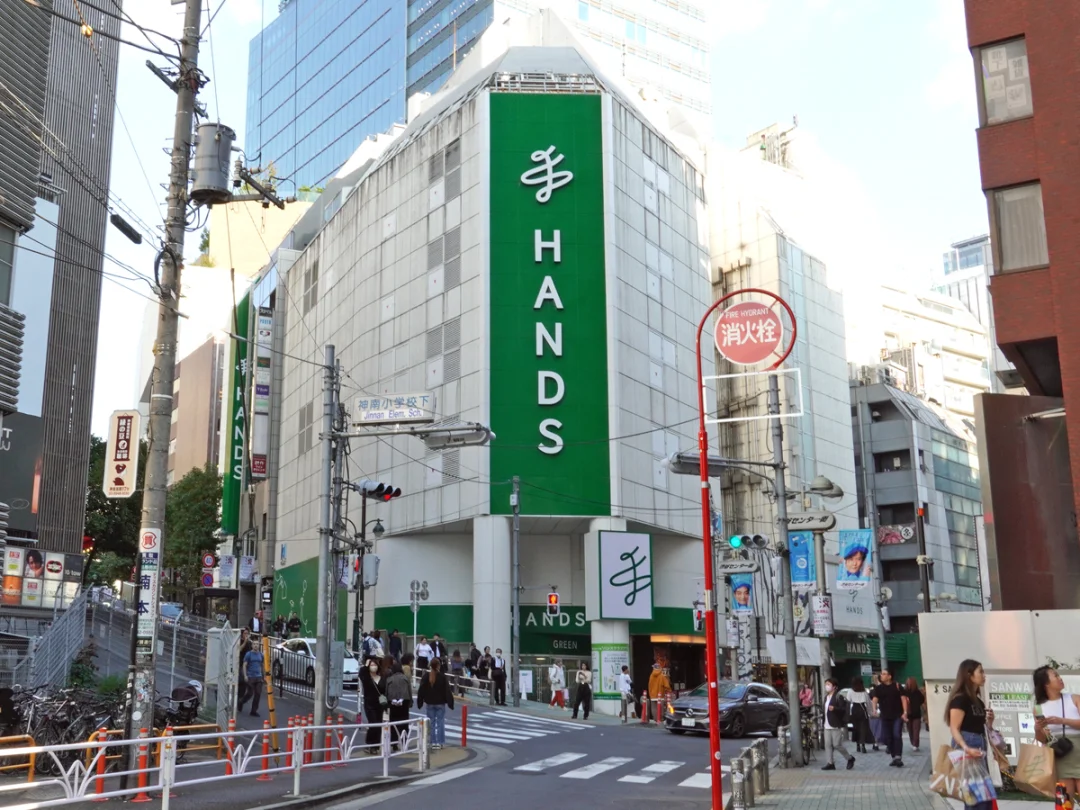
The logo has been revamped to "HANDS" (photo taken in 2023).
In March 2022, Tokyu Fudosan Holdings transferred all of Tokyu Hands' shares to Cainz, a major home improvement retailer. The long-familiar "Tokyu Hands" left the Tokyu Group, and in the same year, its name changed to "Hands." The familiar logo, featuring a green hand, was also replaced with a new design.
Then, in 2026, due to the expiration of the lease agreement and the aging of the building, the business closed after 48 years of operation.
From "HANDS" to "THANKS": Words of gratitude shared throughout the city.
On October 30th, a large sign, approximately 17 meters tall, facing the Y-junction where Inokashira Street and Organ Hill intersect, was replaced.
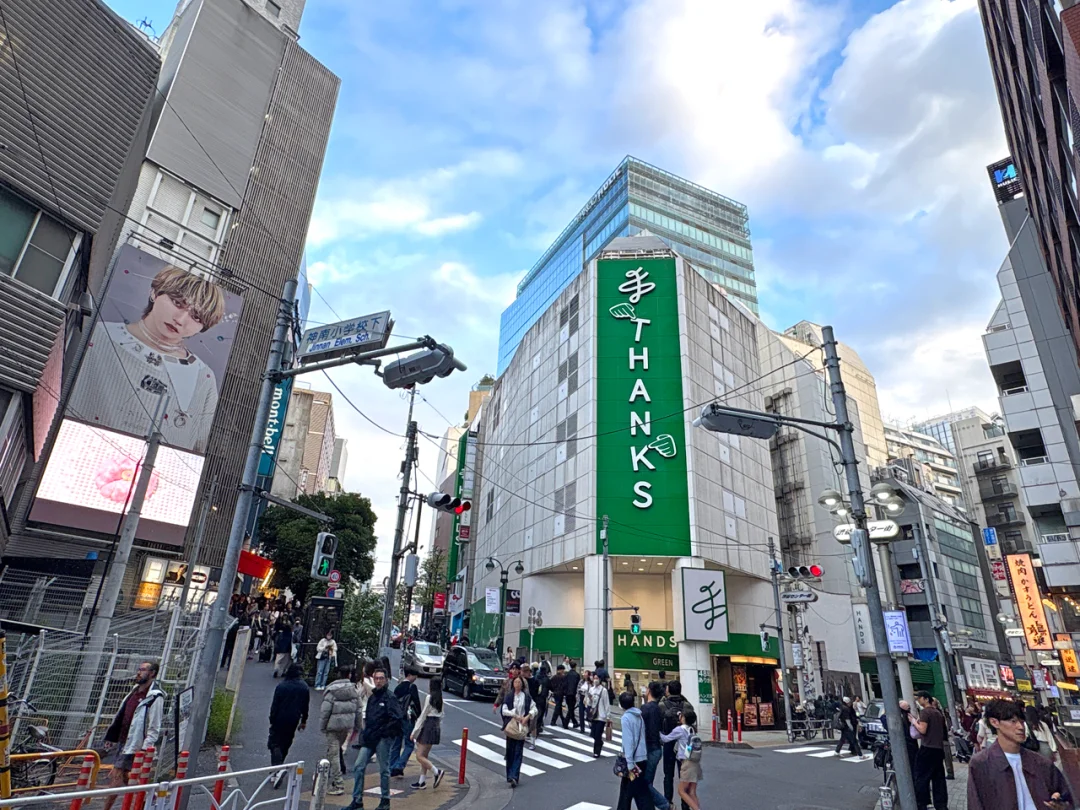
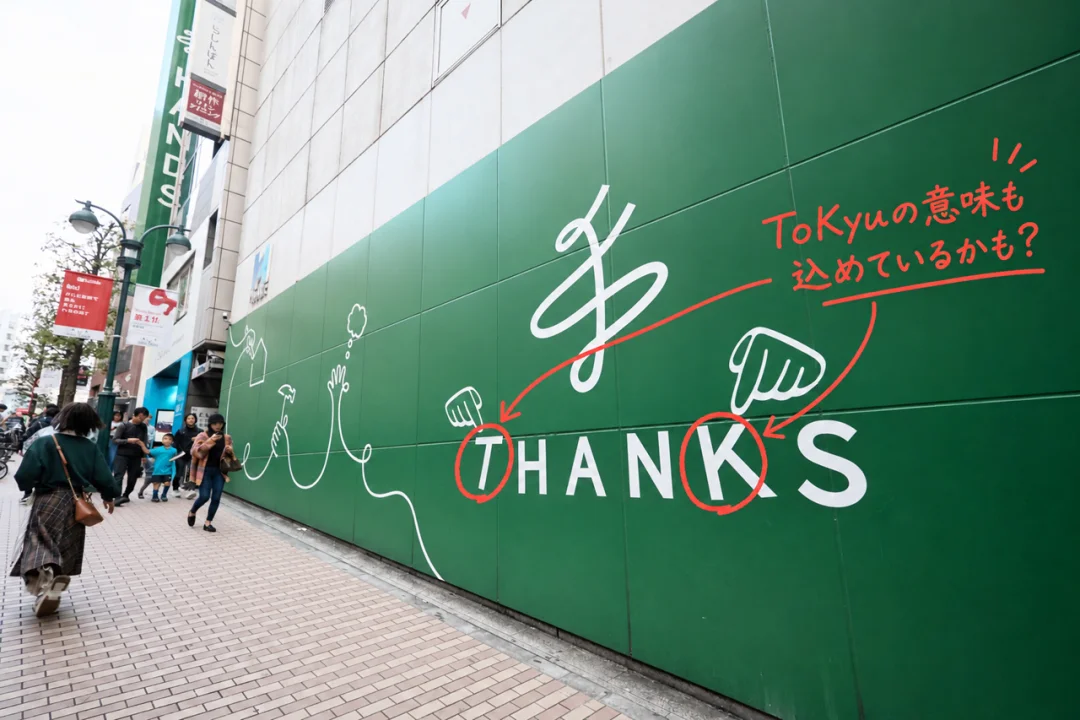
As the store approaches its closure, the logo will change to "THANKS".
The word "HANDS" has been transformed into "THANKS" by adding a "T" and a "K". By adding just two letters, the sign, which had been a landmark of the city for many years, has been reborn as a powerful message of gratitude to Shibuya. If you look closely, you can see the green hands that were once the symbol of the sign supporting the added "T" and "K". It may be a coincidence, but these two letters inevitably look like "ToKyu" (東急), perhaps because we have been familiar with "Tokyu Hands" for many years.
Inside the store, they continued to run events typical of Hands until the very end, such as selling commemorative goods for the store's closure and displaying messages from customers.
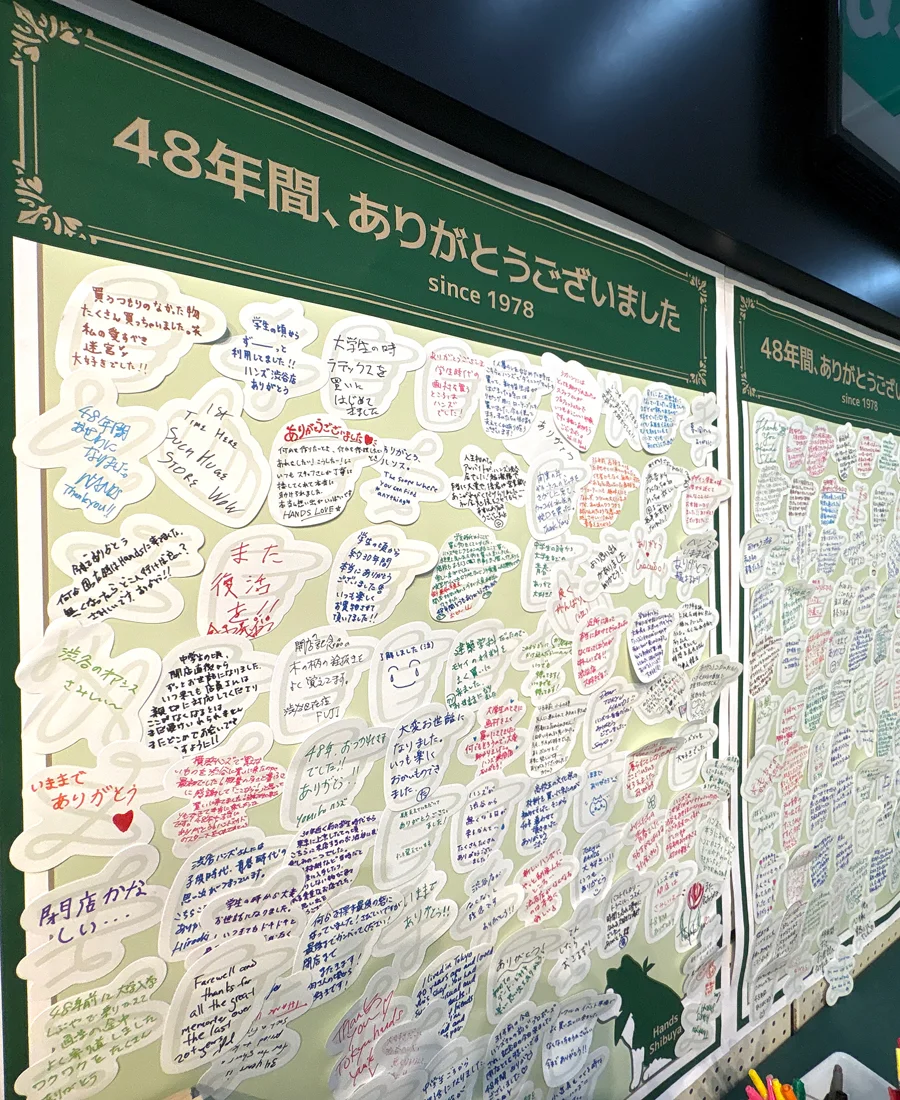
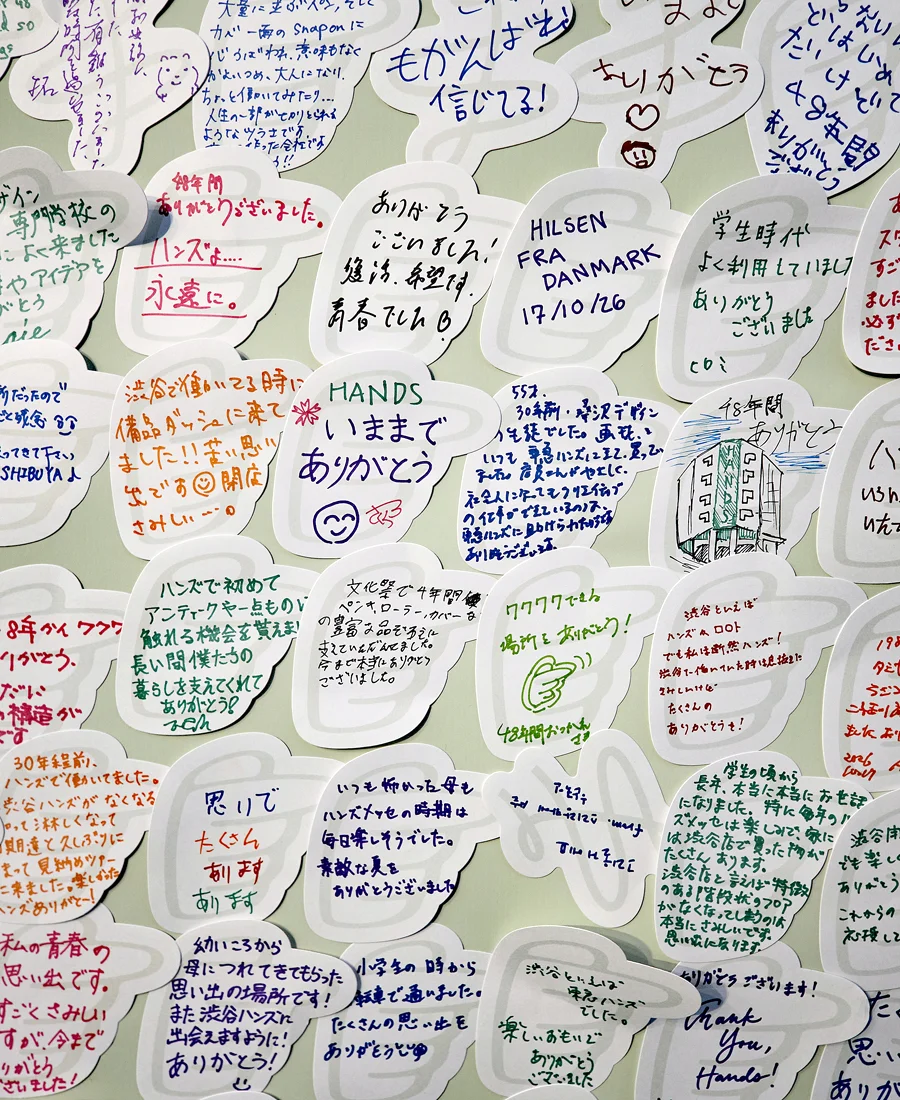
A message board displayed inside the store. It is said that there are more than 10,000 message cards left by visitors.
As the closing date approached, messages of gratitude to Hands spread throughout Shibuya. In response to the store's "THANKS," surrounding restaurants and commercial facilities also offered their thanks. Green message posters were displayed at 18 locations in Shibuya, including "Choraku Udagawacho Chinese Restaurant," "Shibuya Sarashina Soba Restaurant," and "Shibuya BEAM."
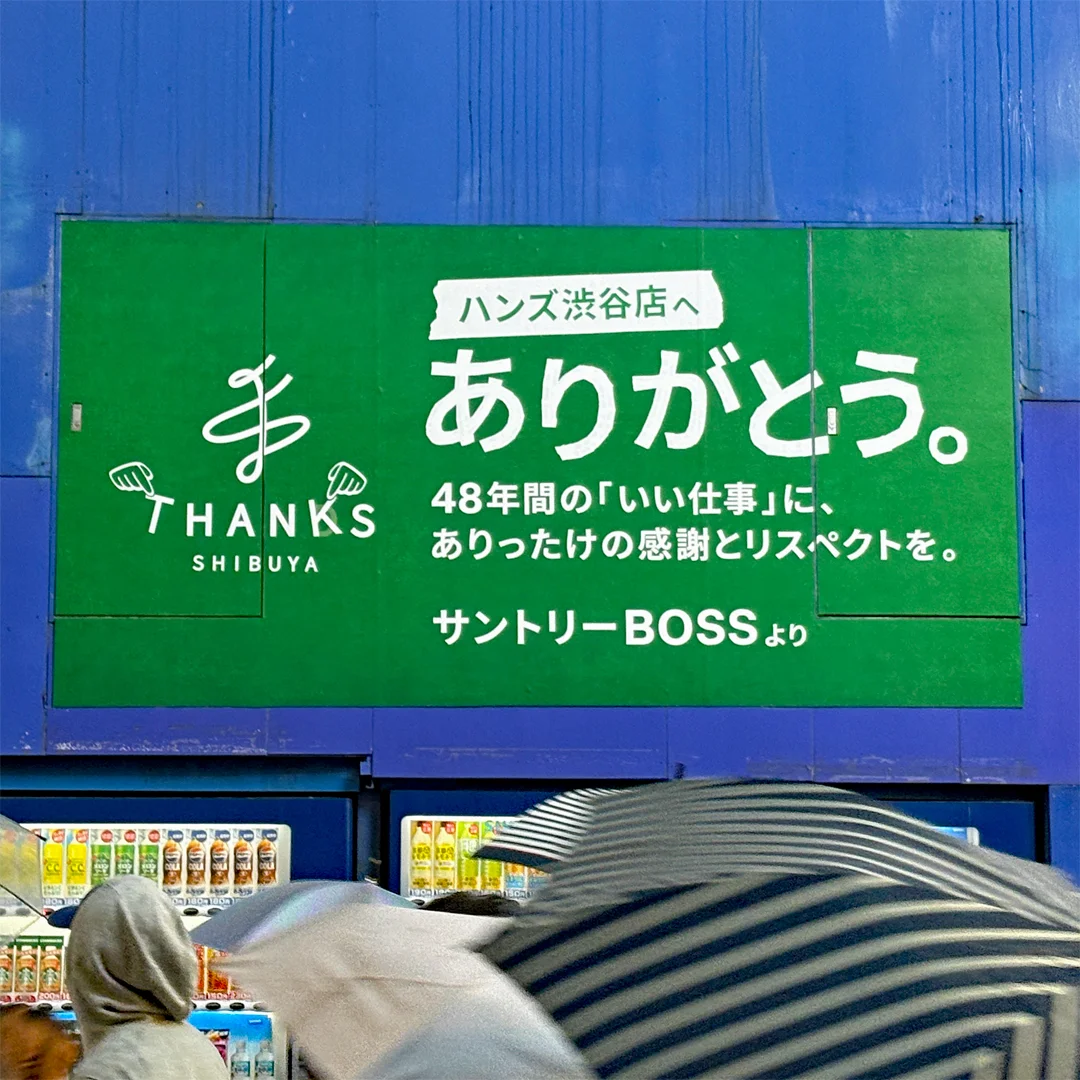
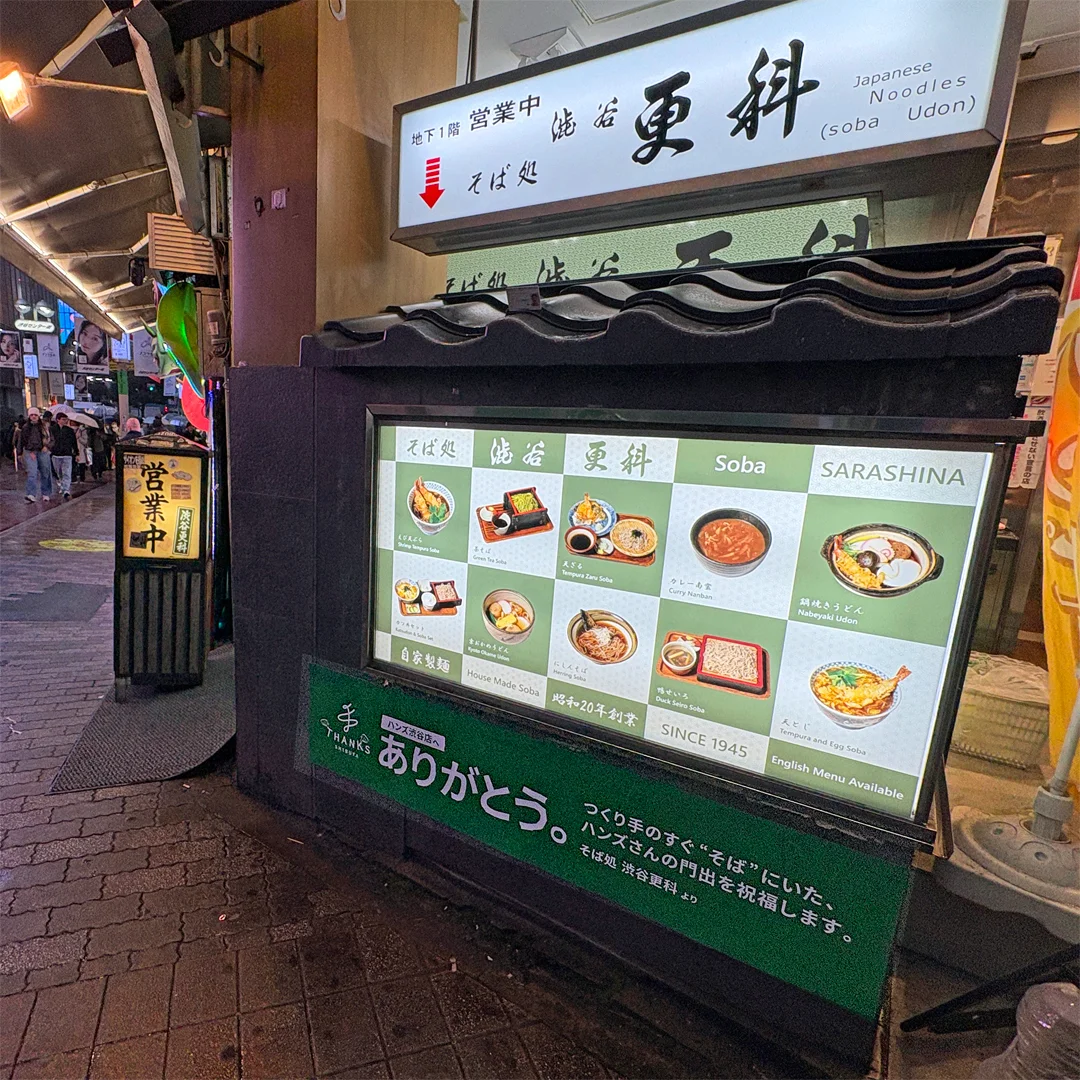
Left: The top of a vending machine at the entrance to Center Gai. A "Thank you" message from Suntory BOSS. Right: A message from Shibuya Sarashina, a long-established soba restaurant in Center Gai: "We were always 'by the side' of the makers..."
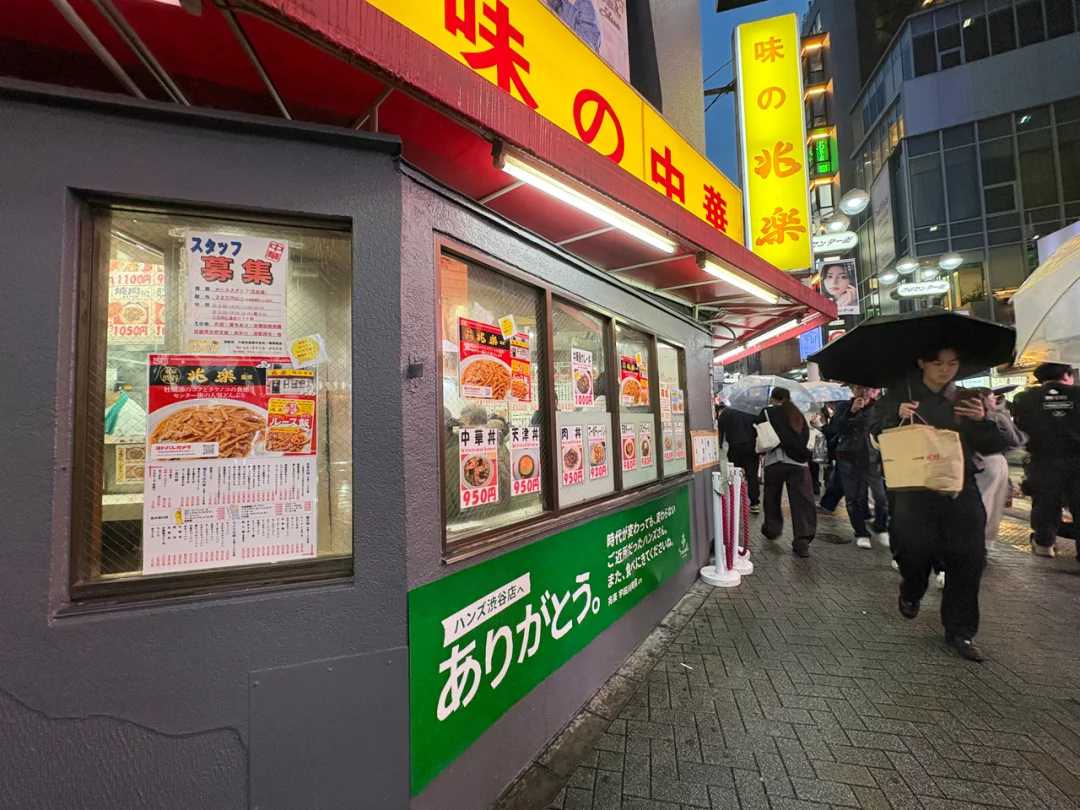
A message from Ajino Choraku, a local Chinese restaurant in Center Gai: "Hands-san, we were neighbors. Please come and eat again."
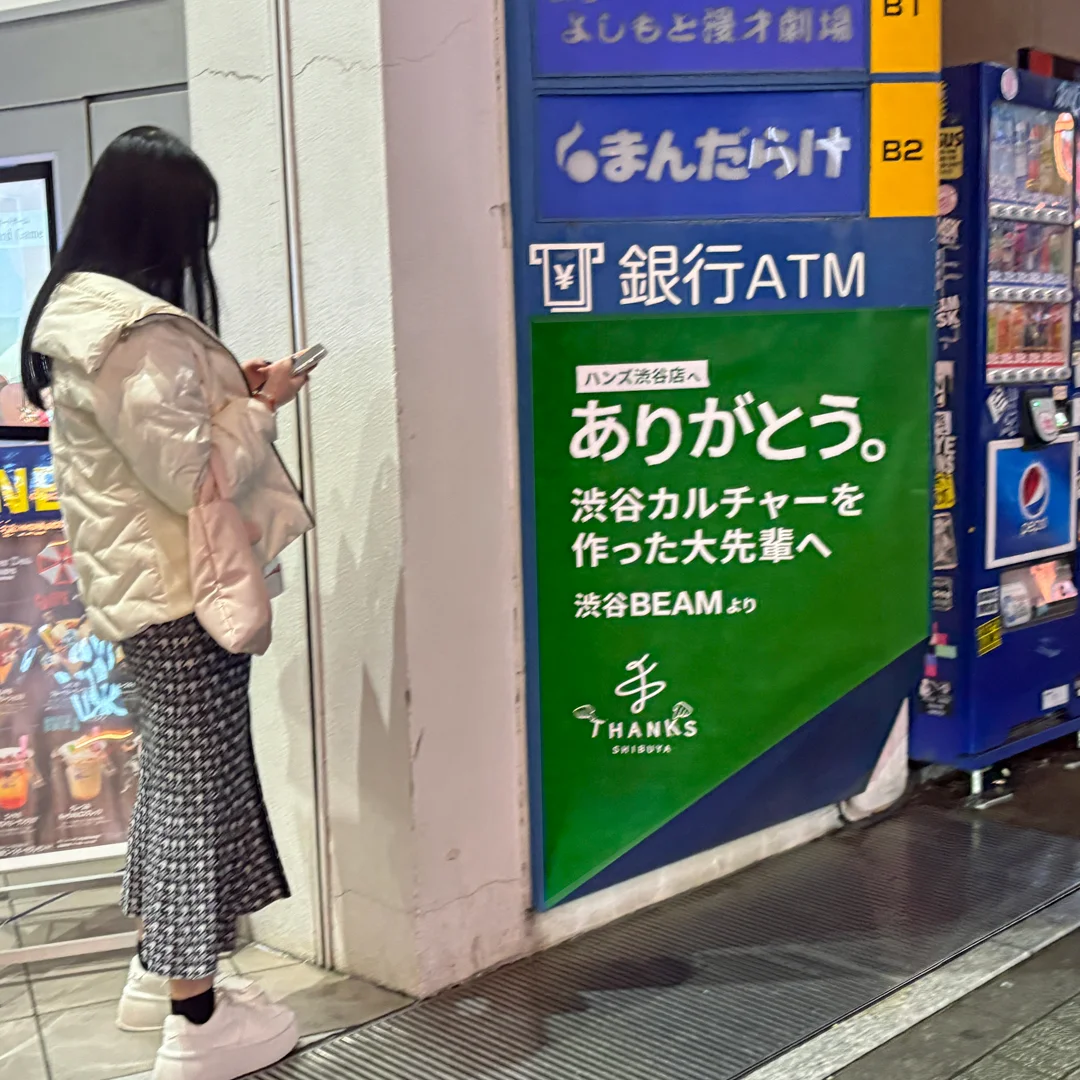
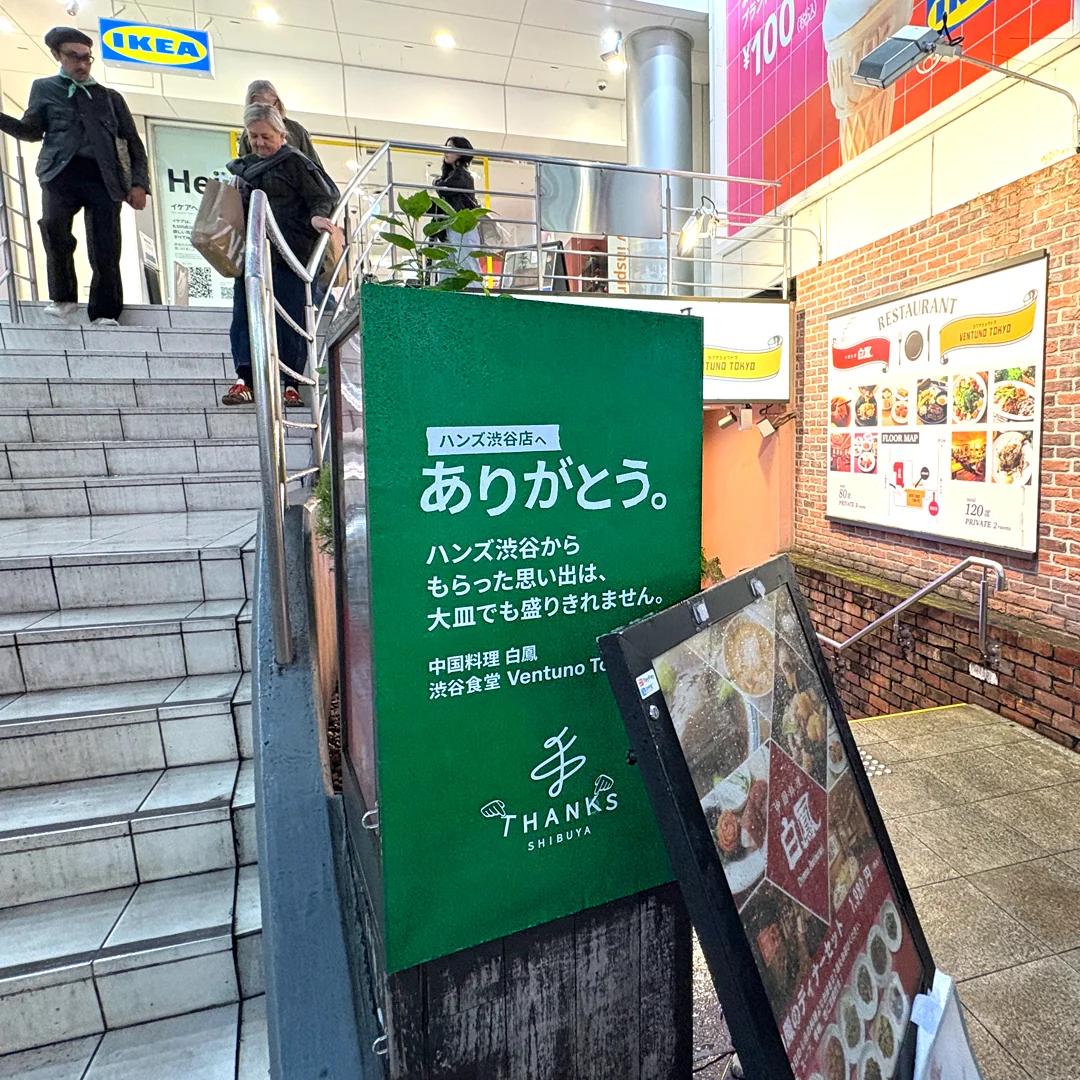
Left: A message from Shibuya BEAM: "To the great senior figures who created Shibuya's culture." Right: A message from the Chinese restaurant "Hakuhou": "The memories you've given us are too many to fit on a large platter."
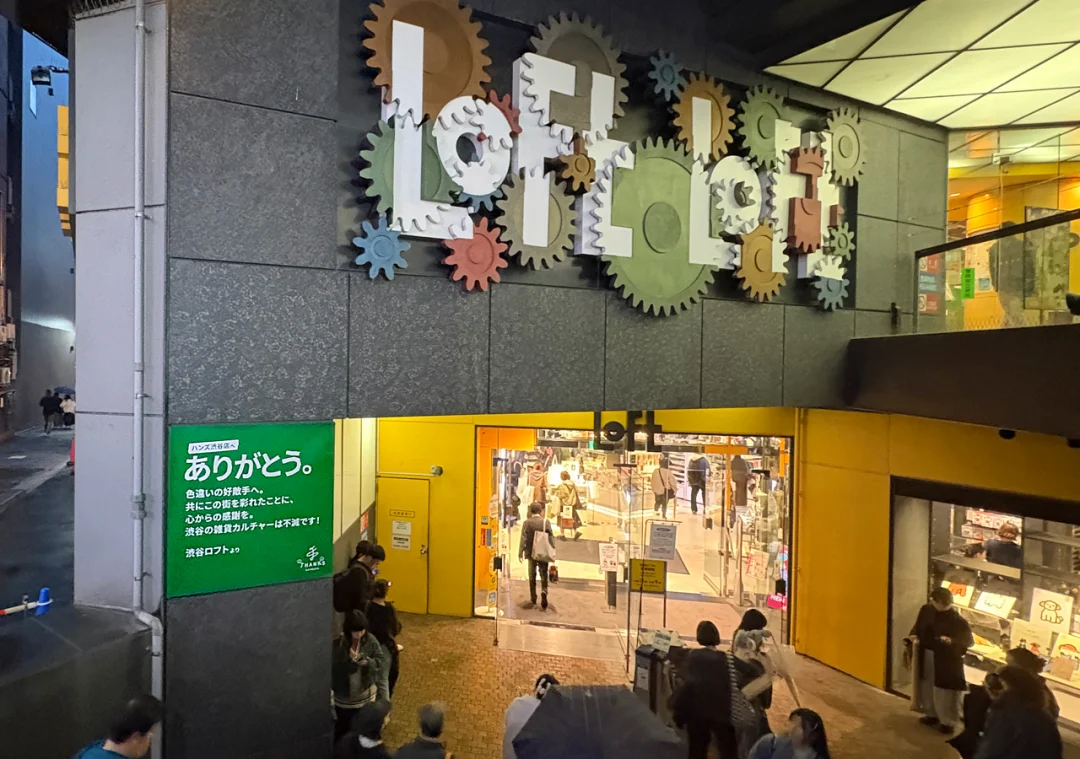
Shibuya Loft, a long-time rival, also sent a message of support to their former rival from the Tokyu vs. Seibu era, saying, "To our rival in a different color, we are truly grateful for the opportunity to have shared the vibrant atmosphere of this city with you. Shibuya's general merchandise culture is immortal!"
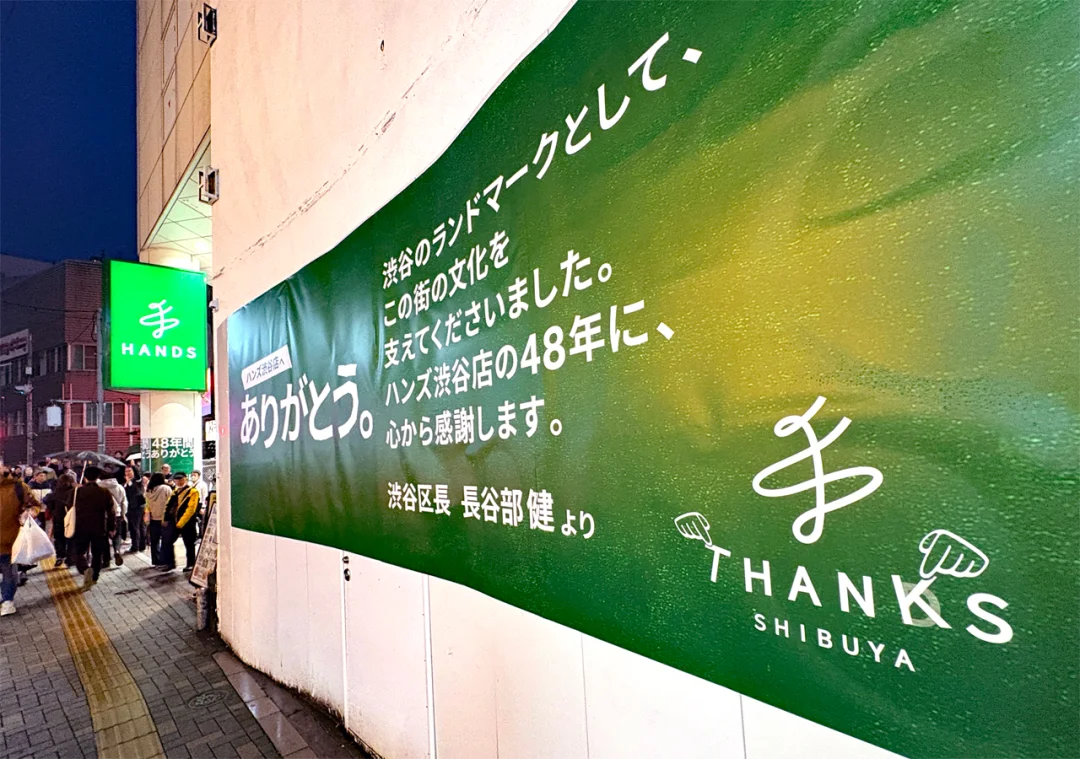
Shibuya Ward Mayor Hasebe also expressed his gratitude, saying, "As a landmark of Shibuya, it has supported the culture of this city."
In addition, messages of gratitude were displayed on street screens at Shibuya Parco, Shibuya Fukuras, Shibuya Sakura Stage, and other locations, with expressions of appreciation for Hands being seen all over the city. Hands conveyed its gratitude to the city, and the city returned the favor. The fact that so many messages came from surrounding stores speaks volumes about how Hands was more than just a commercial facility; it was deeply rooted in the Shibuya community.
The site is being transformed into a hotel. 48 years of memories left in Shibuya.
The building that housed the Hands Shibuya store is scheduled for demolition and reconstruction. Hulic, which owns the land and building, is reportedly planning to develop a hotel on the site, aiming for an opening sometime after 2030.
In recent years, large-scale redevelopment has led to a concentration of new urban functions such as offices, hotels, and commercial facilities around Shibuya Station. Even a corner of Udagawa-cho, which was once considered a disadvantage for commercial location due to its distance from the station, is changing its appearance in preparation for the next era.
On the other hand, the closure of Hands Shibuya store means losing more than just a place to buy products. In recent years, Hands has expanded its presence by opening stores in large commercial facilities and developing compact store formats such as "Hands Be." While convenience and efficiency in shopping are in high demand these days, the Shibuya store had a charm that couldn't be described by rationality alone. A complex space that cleverly utilized the slopes. Specialized products that appeared with each step up the stairs. Unexpected encounters with tools and materials. And that unique atmosphere that stimulated the desire to create something. A slightly inconvenient, yet all the more inviting, "labyrinth of creativity" was something unique to the Shibuya store.
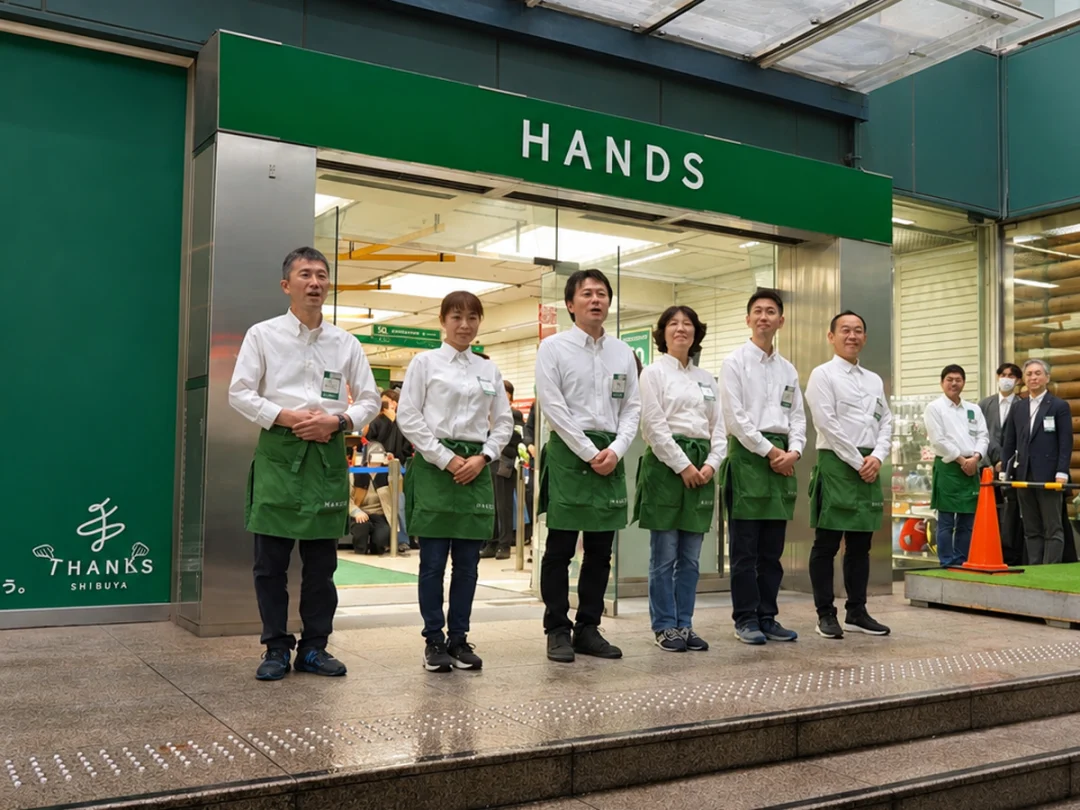
The staff of the Shibuya store stand up to give their final greetings.
As the store closed for the last day of business, manager Shimizu promised to return to Shibuya, and voices of "Thank you" echoed repeatedly from the street. In the rain, the sight of the store and the town expressing their gratitude to each other symbolized how much this place had been loved by many people.
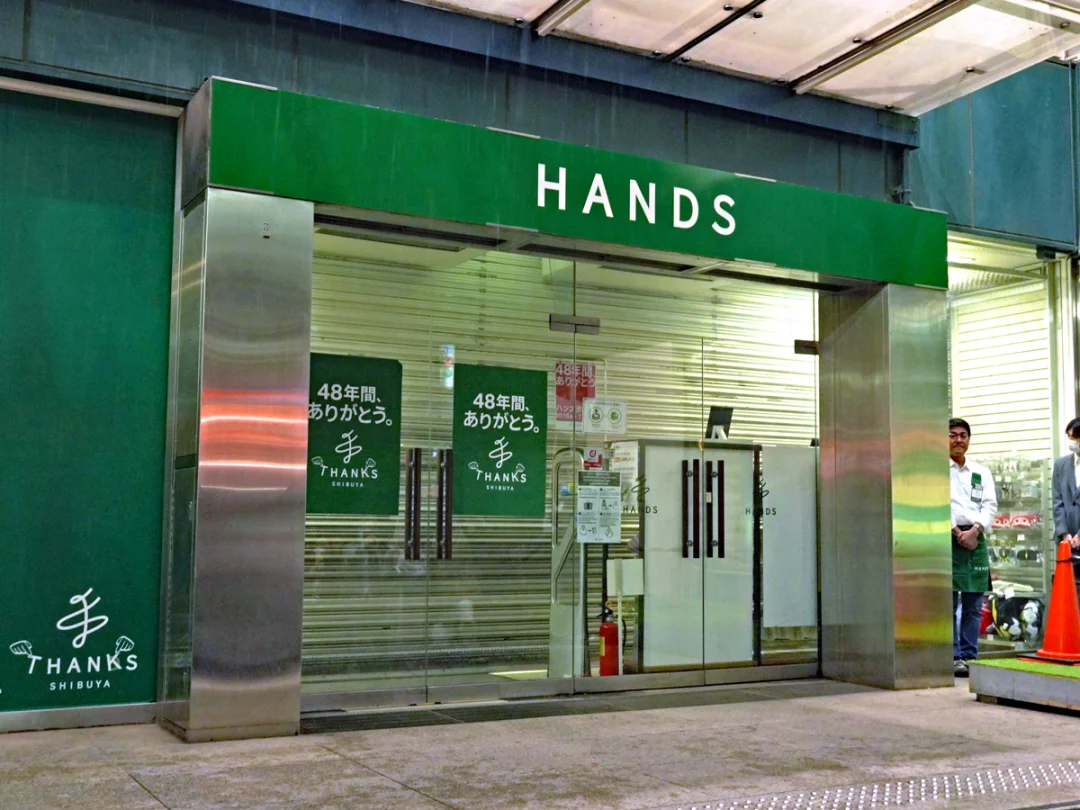
The shutters were down and the lights were turned off at Tokyu Hands Shibuya store.
I want to express my heartfelt "THANKS" for those 48 years.
Venue
Editorial Department: Takashi Fujii
Shibuya registrar. In addition to Shibuya of Culture information, seasonal news and topics, it will spell write that feel every day.
Genres within watch
Articles in the same genre
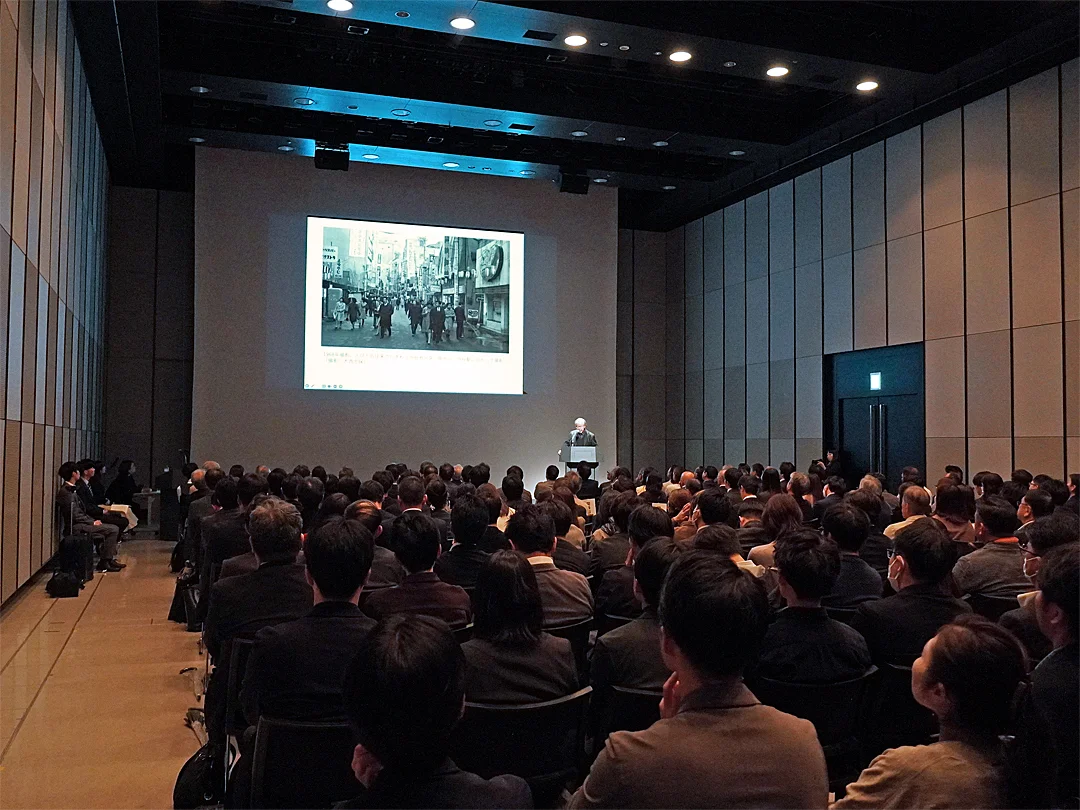
2026-11-12〜
Architect Hiroshi Naito talks about "Memories of Shibuya": Unraveling the city's DNA and future through photographs
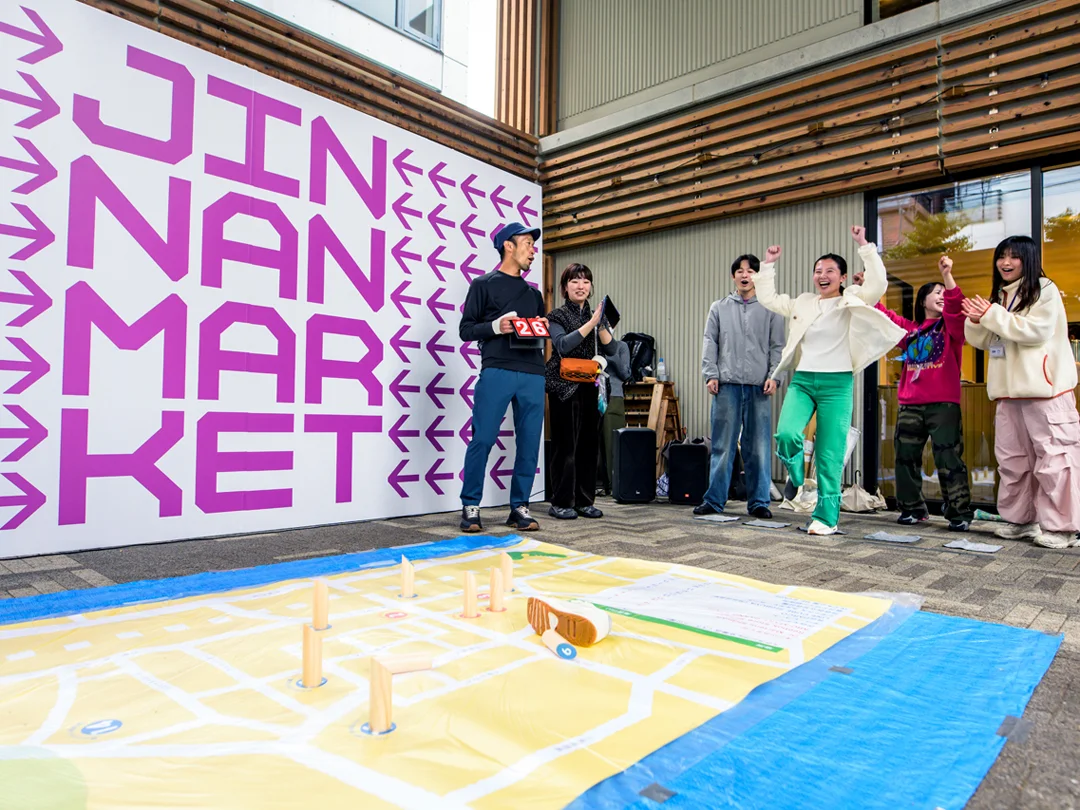
2026-11-11〜
[Report] Three "casual sports" originating from Jinnan, including shoe-throwing, were unveiled for the first time, devised by local adults.
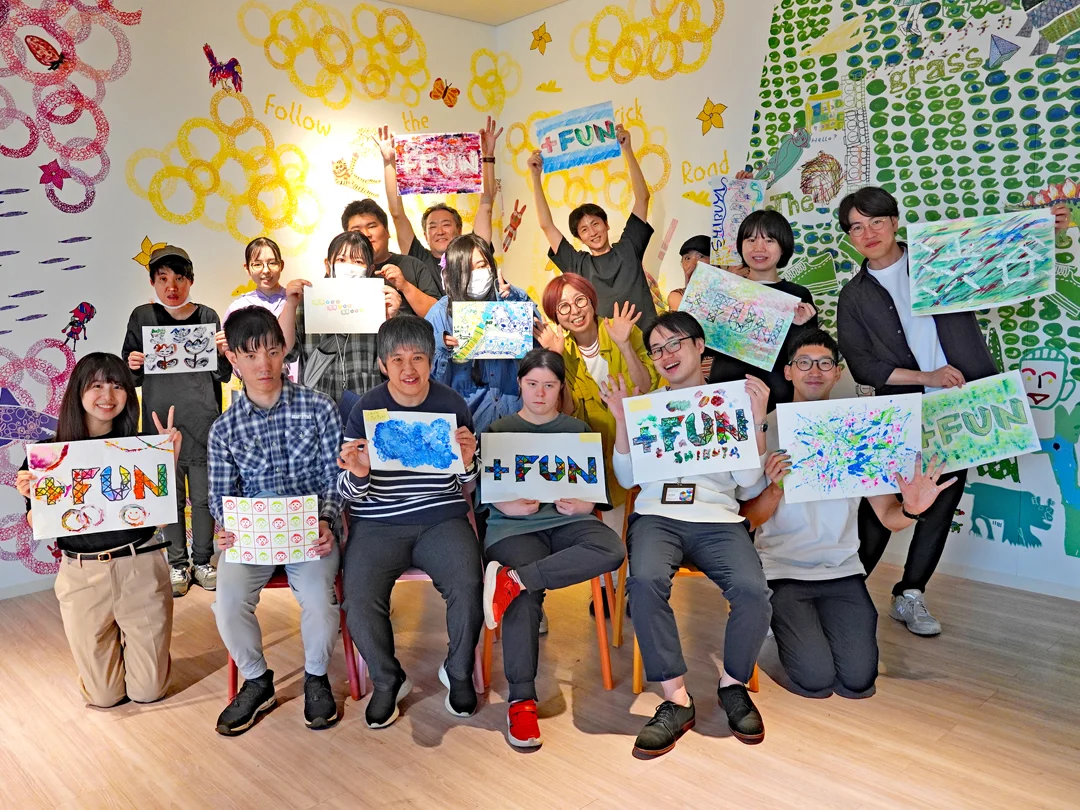
2026-11-10〜
Making Shibuya Station's East Exit More Enjoyable with Art: Collaboration Between People with Disabilities and Urban Development Members
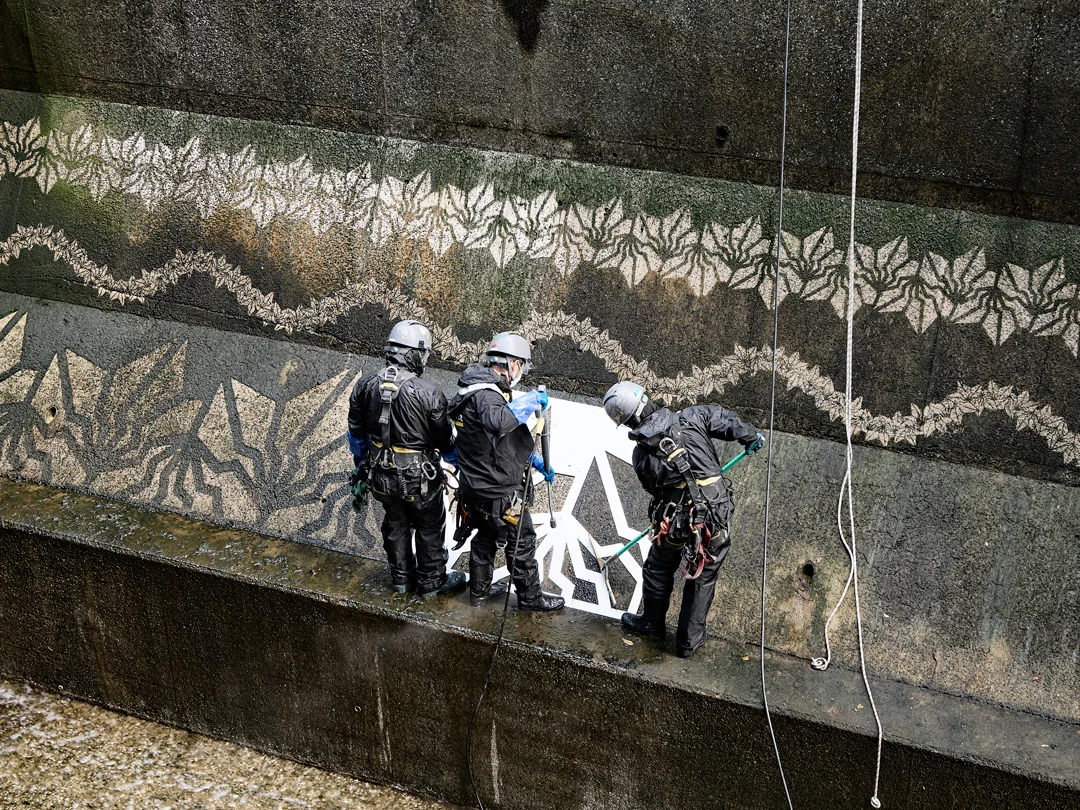
2026-11-04〜
A giant "washing art" piece has appeared along the Shibuya River, created by BAKIBAKI using a high-pressure washer.
Featured articles on the site
Goodbye, Shibuya Hands. 48 years of history come to an end. A "labyrinth of creativity" born in a hilly town.
Architect Hiroshi Naito talks about "Memories of Shibuya": Unraveling the city's DNA and future through photographs
Making Shibuya Station's East Exit More Enjoyable with Art: Collaboration Between People with Disabilities and Urban Development Members