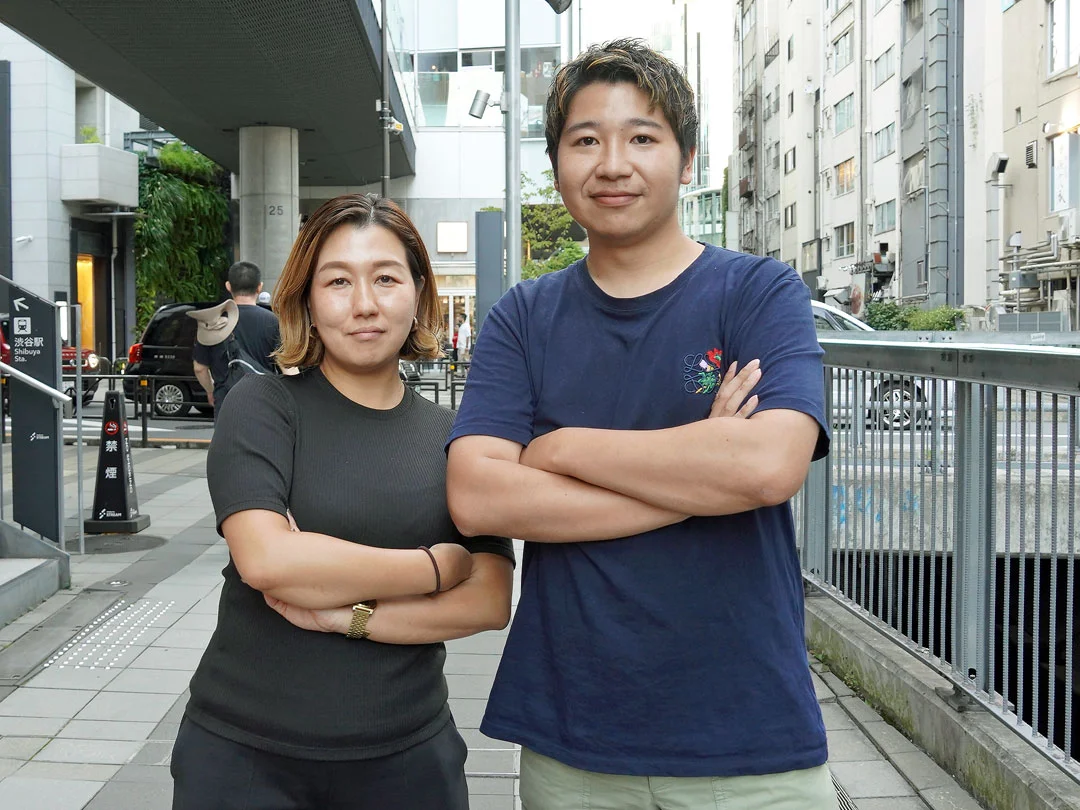


SHIBUY.A. × WATCH

A new "resource room" for collecting street art knowledge opens in Shibuya, with the opening of Enrico Isamu Oyama Studio
2025-10-24
SHARE
LGSA by EIOS, a street art reference room and gallery run by the studio of contemporary artist Enrico Isamu Oyama, will open in Sakuragaokacho, Shibuya on October 30th.
Oyama is an artist who works across a variety of media, including paintings, murals, and installations, centering on his "Quick Turn Structure" motif, which reinterprets the visuals of aerosol writing, a branch of street art. Born in Tokyo in 1983, he graduated from the Faculty of Environment and Information Studies at Keio University, studied Advanced Art and Expression at the Tokyo University of the Arts Graduate School, and then spent time in New York at the invitation of the Asian Cultural Council. Since then, he has been based in Brooklyn and Tokyo, holding solo exhibitions both in Japan and abroad and publishing numerous books. He is known for his genre-bending creations, actively collaborating with fashion brands and companies.
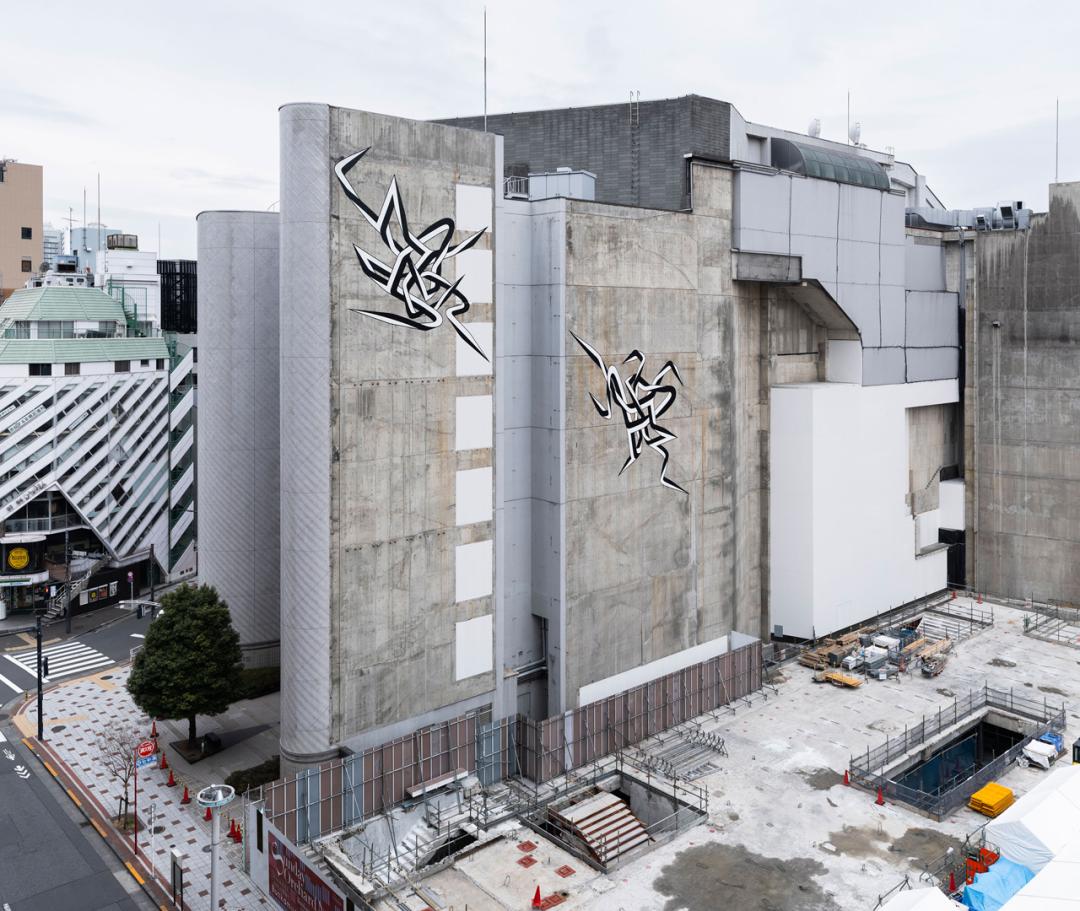
Enrico Isamu Oyama, a huge piece of work on the exterior wall of BunkamuraFFIGURATI #652, 2025 Artwork ©︎Enrico Isamu Oyama / EIOS, Photo ©︎Shu Nakagawa, Presented by Bunkamura for Shibuya Fashion Week 2025 Spring
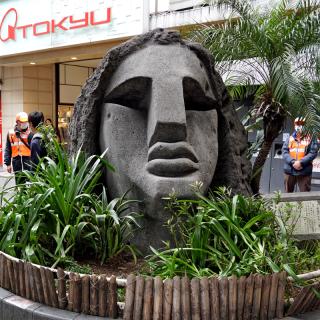
In March of this year, as part of the art program for Shibuya Fashion Week Spring 2025, he created a large mural, FFIGURATI #652, on the exterior wall of the closed cultural complex Bunkamura. Painted using the Quick Turn Structure technique with a black and white base, the work appeared on a wall that was revealed after the demolition of the Tokyu Department Store main branch, creating a new landscape in Shibuya, which is currently in the midst of redevelopment.
Why did we open the Street Art Archive?
Behind this lies the critical and research activities that Oyama has been carrying out in parallel with his work as an artist. His own expression lies at the intersection of street art and contemporary art, and as he put his thoughts into words, materials and documents naturally began to accumulate. The idea for the archive was born with the aim of systematizing these and making them public. He also felt that there was a danger that street art would be consumed as a passing fad, like when Basquiat and Haring emerged in the early 1980s. In order for street art to take root as a culture, it is essential to create a space where many people can have access to criticism and research - it was this awareness of the issue that led to the opening of the archive.
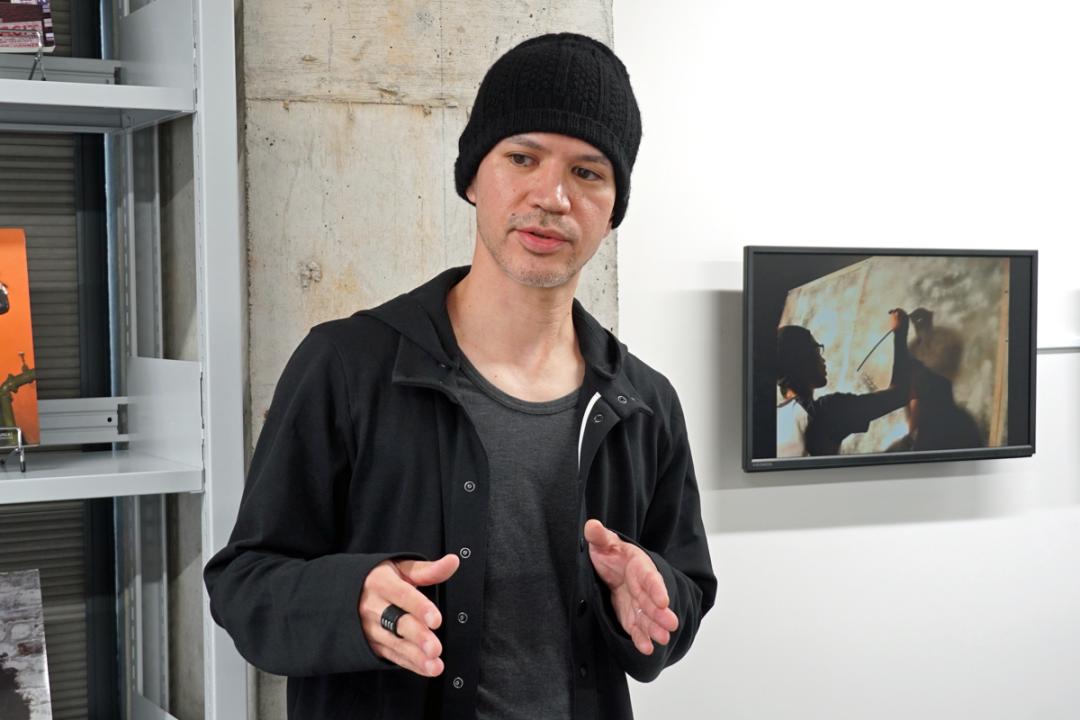
Enrico Isamu Oyama
Many people know about Banksy, but don't know the history before and after, and there are few open spaces in Japan that compile systematic materials on street art. While cultural accumulation has been underway overseas for over 50 years, and research by museums and foundations has become more active in recent years, in Japan it is still in its infancy. LGSA by EIOS will be a new base that fills this gap.
The reason why it is called a "materials" rather than a "collection" is because the museum wants to create a public space that can be used for writing papers, research, and production, rather than simply a place to look at art books. The aim is to spread criticism and research on street art throughout society from here.
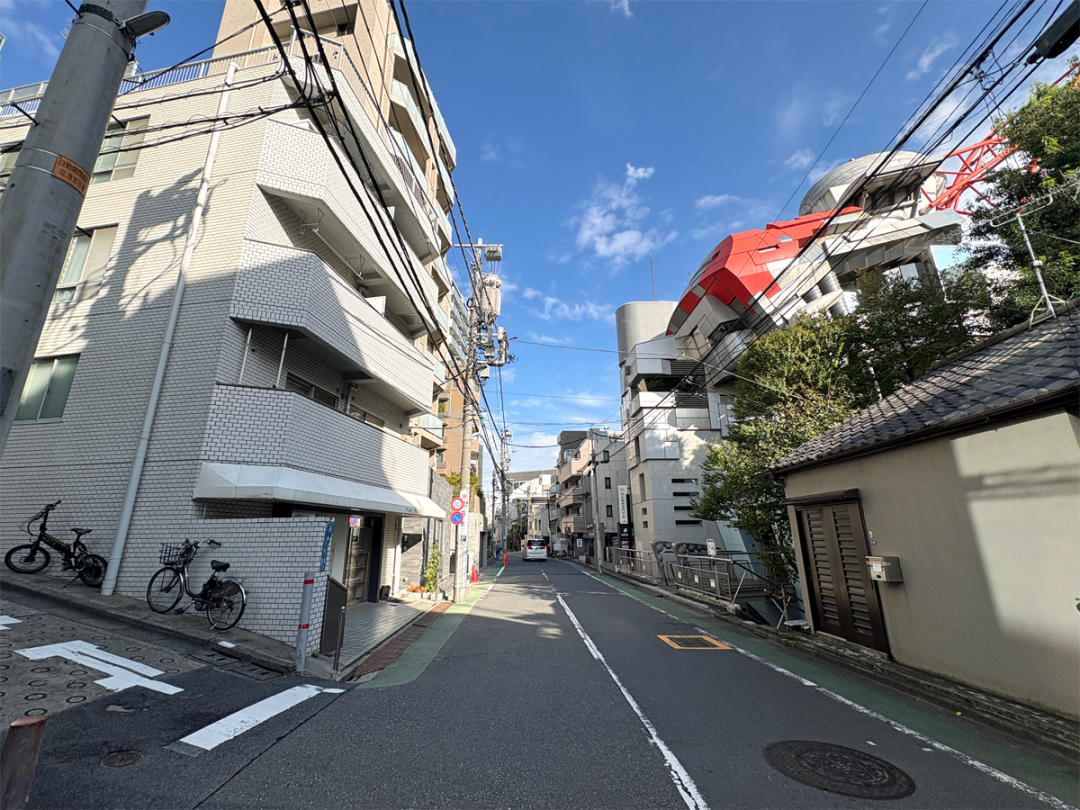
This street connects Shibuya and Daikanyama. On the right is Aoyama Technical College. The reference room is on the fourth floor of the white building on the left (the Shibuya direction is ahead).
LGSA by EIOS is located between Shibuya and Daikanyama. It is in a quiet residential area, a little away from the hustle and bustle around the station, and along the street there are many trendy shops, such as Totoudo, which sells art books and architecture-related books. The library is located on the fourth floor of a white building across from Aoyama College of Design.


Once you enter the street, you will come to a slope and the building entrance is on the second floor. Go up the stairs to the fourth floor.
Oyama chose Shibuya as his base because it is a city he remembers visiting as a young man, and it is one of the places where Japanese street art is most alive. In the early 2000s, Shibuya was filled with stickers, tags, and lighting, and the streets were a place for artistic exchange. Now that redevelopment is underway, he says he has become more conscious of the issue of "how to preserve the relationship between the city and art." He says, "By creating a resource center for street art, an expression linked to the city, in the heart of the city, I want people to feel the depth of culture that can only be felt in Shibuya."
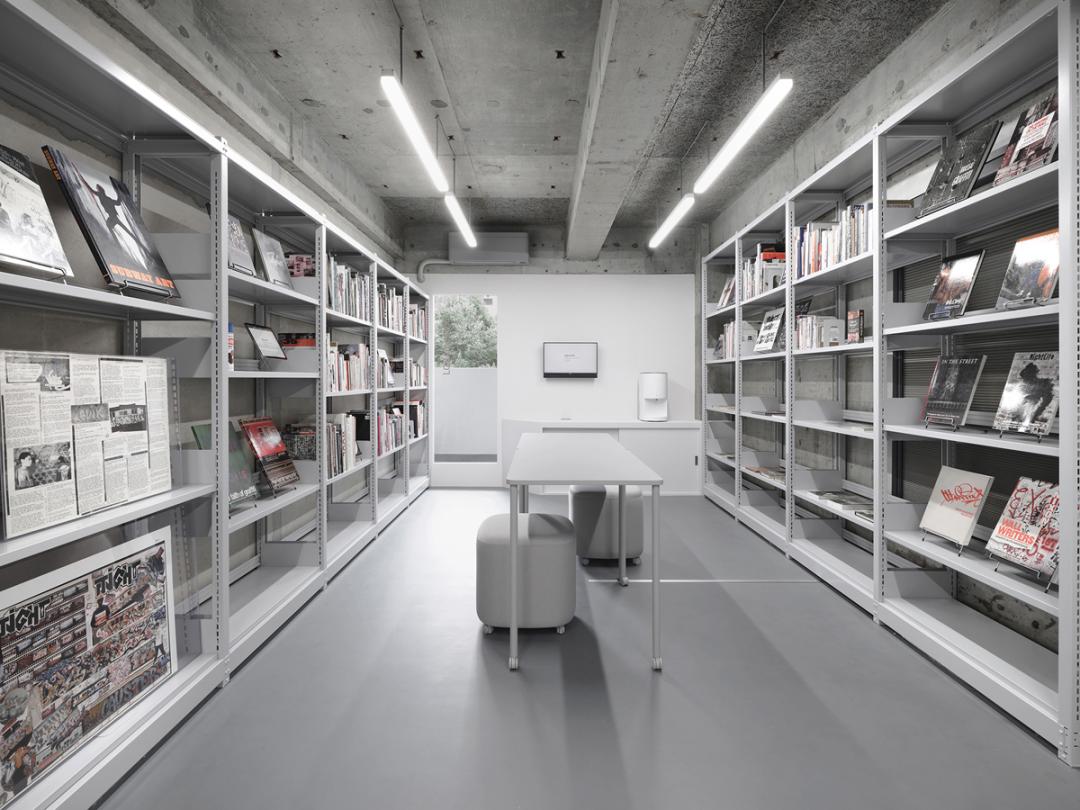
The bookshelf area. There are bookshelves on both sides, a reading desk in the center, and a searchable database (scheduled to open in February 2026) at the back.
©︎LGSA by EIOS, Photo ©︎Shu Nakagawa
Climbing the stairs to the fourth floor of the building, you will find a space of approximately 35 square meters. It consists of an exhibition area and a bookshelf area, where approximately 500 books, flyers, posters, video materials, and other materials related to street art and street culture are on display.
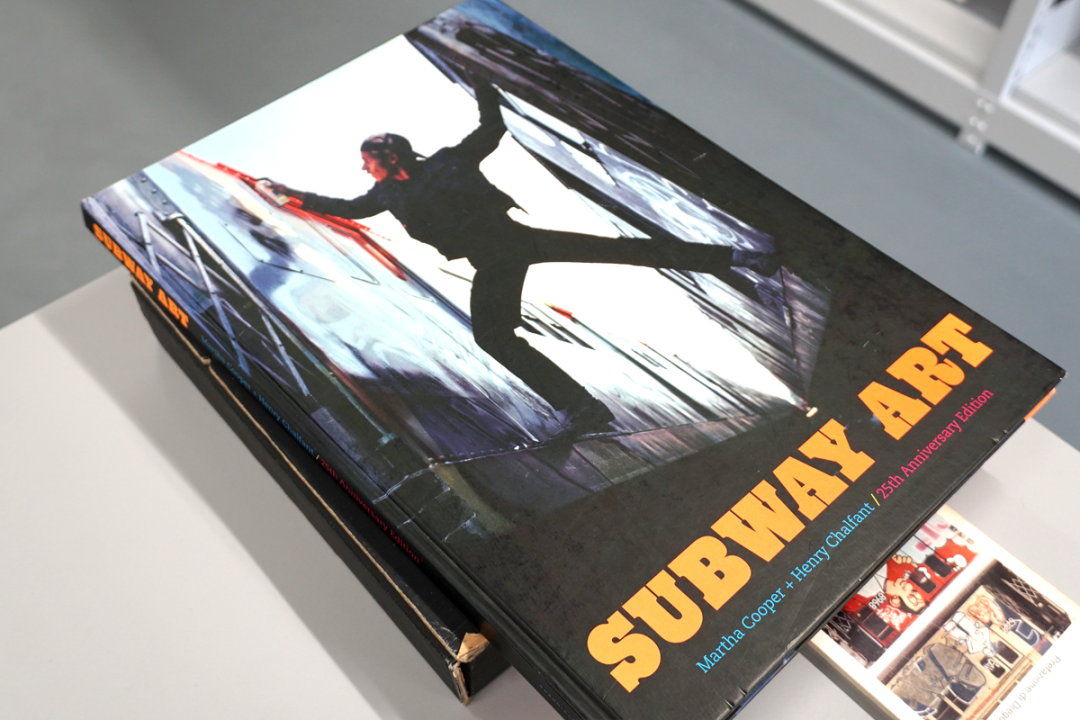
Subway Art: 25th Anniversary Edition by Martha Cooper, Henry Chalfant Chronicle Books; Anniversary Edition, 2009
For example, there are photo books such as "Subway Art" and "Burners" by photographer Henry Chalfant and others that document the aerosol writing on subway cars. Because the works are written on the horizontally long subway cars, the books themselves are also designed horizontally, creating a distinctive effect in which the urban landscape and the book format resonate with each other.
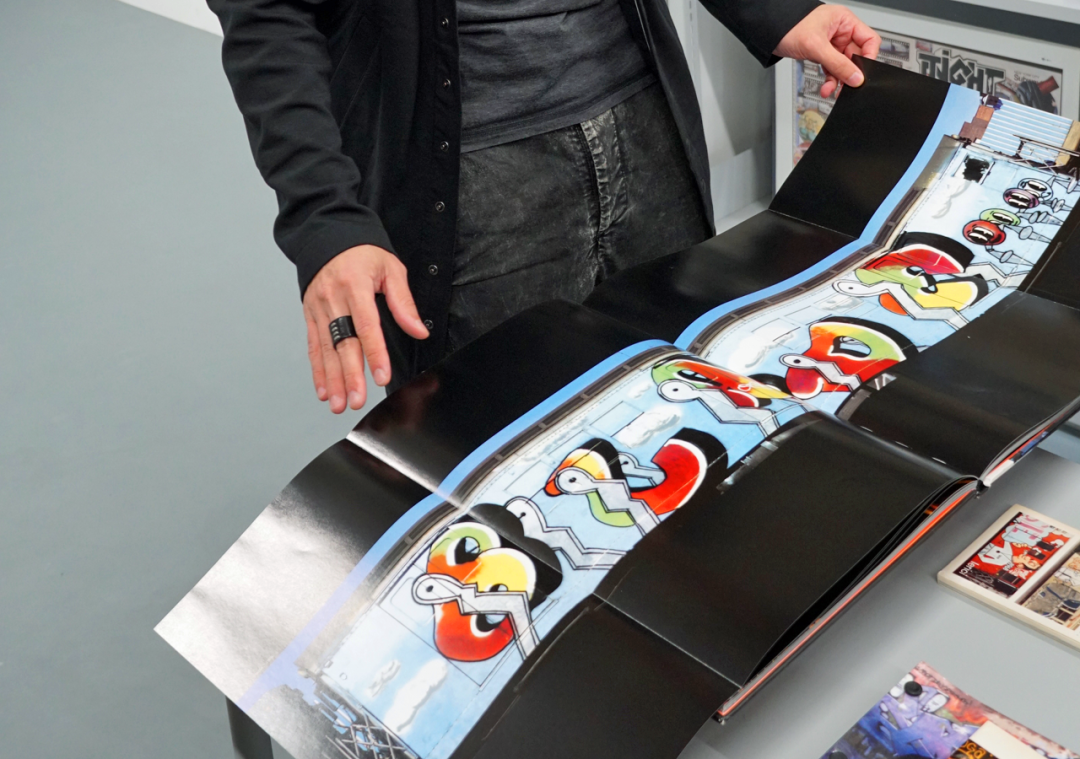
In the 1970s and 1980s, the subway was the very medium for street art. As subways carrying artworks ran through the city, the works spread naturally. Later, with the spread of computers, printers, and home video cameras, independent media such as indie magazines and VHS tapes emerged. The realm of street expression expanded from the city to publishing and video.
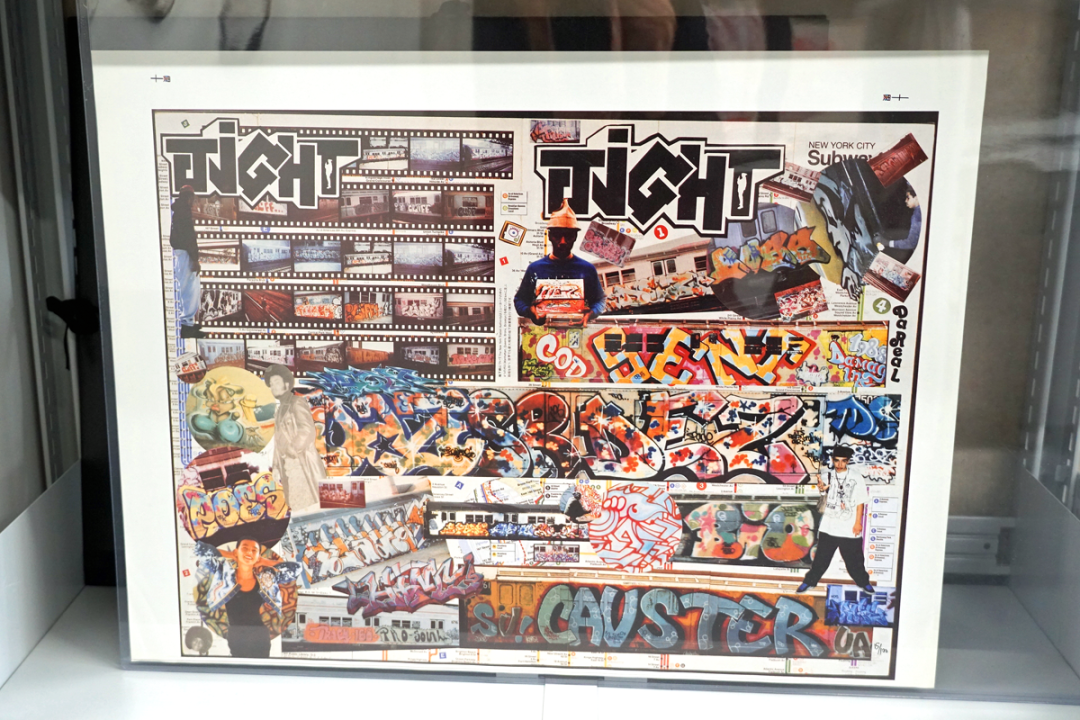
A rare print of the indie magazine "International Graffiti Times," edited and produced by street art masters Phase2, complete with registration marks before cutting and binding.
The archive also houses a collection of zines created in the 1980s by Phase2, an artist considered a leading figure in New York street culture, and an editor. Known as one of the first publications to focus on street and writing, the 15-volume zine was acquired directly from the artists themselves.


Krylon aerosol spray. The logo and design have changed, but the original design is on display.
Also on the bookshelf are Krylon aerosol sprays, which were popular among artists at the time. While typical aerosol sprays spray in an oval pattern, Krylon sprays in a beautiful circular pattern, making them popular and laying the foundation for lighting culture. Today, there are many specialized manufacturers, and the performance and color variations have improved dramatically.


Left: A collection of works by street artist Dondi White. Andrew Witten and Michael White, DONDI WHITE: Style Master General, Harper, 2001. Right: A book introducing the position of early aerosol writing and how the writers' cultural backgrounds spread throughout society in the 1960s and 1970s. Roger Gastman, Caleb Neelon, and Chiris Pape, Wall Writers: Graffiti in Its Innocence, Gingko Press Inc., 2016.


The book collection is not limited to lighting, but also covers a wide range of street art and street culture, including "The History of Doodles" and "Tokyo Mixer Project," which introduces the happening art of Hi Red Center.
The exhibition area will host special exhibitions and talk events, inviting overseas artists about once a year. The opening exhibition will be titled "The New Beginning—Live Painting in Shibuya in the 2000s," and will introduce the scene from that time, focusing on footage of live paintings that Oyama did in clubs during his student days.
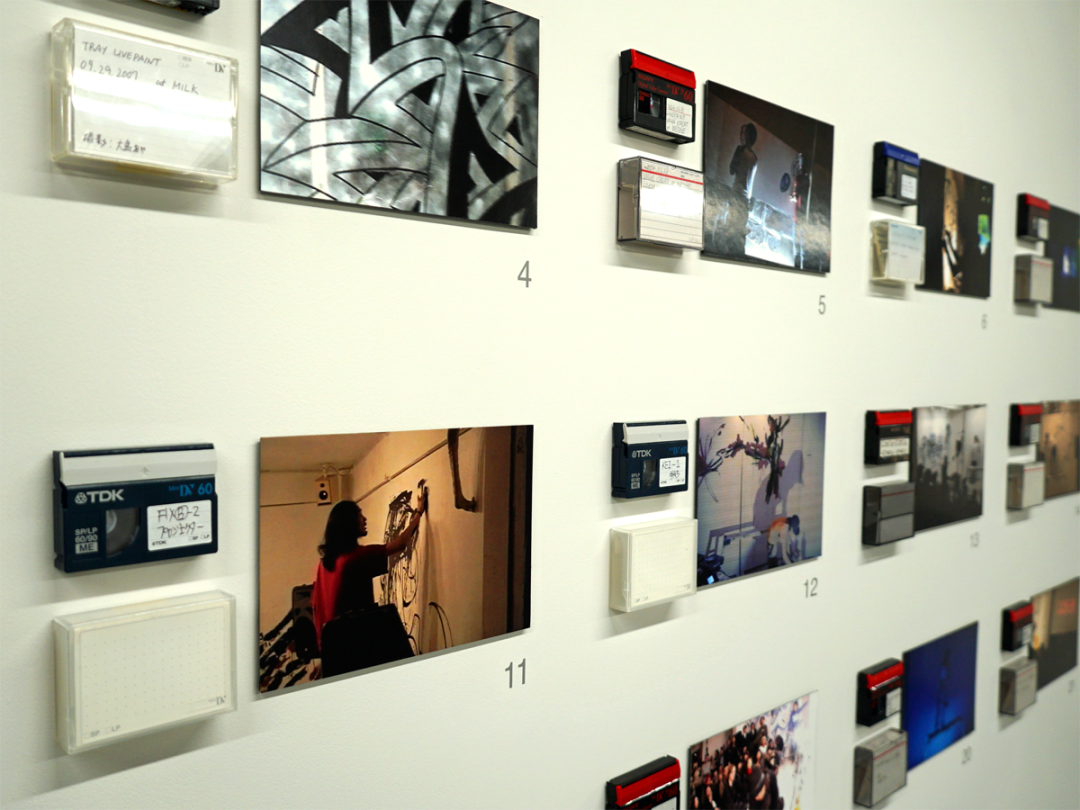
This is a video recording of a live painting session that Oyama performed at a club in Shibuya in the early 2000s. It was recorded on Sony DV tape, and the cassette and case are also on display. This recording, which is no longer available for sale, is a valuable resource for learning about the art scene that originated in clubs at the time.
On one wall, DV tapes, cases, and thumbnail photos of digital videos recording live paintings that took place at clubs in Shibuya and Ebisu at the time are displayed. On the other wall, a display and three headphones are set up, allowing visitors to actually watch the footage. At the time, music was the main focus in clubs, with live painting being a secondary presence. Oyama and his colleagues planned events centered around painting themselves, and developed their expression into new environments such as daytime festivals. This process is conveyed through the video.
The museum will continue to organize the materials and plans to make a searchable database available on its official website around January next year. It aims to be a space that not only serves as an exhibition, but also fosters discussion and criticism. It also envisions creating a space where people from different backgrounds, such as artists, researchers, government and business people, can gather and freely discuss themes such as "street art and the city" and "public and expression."
©︎LGSA by EIOS, Photo ©︎Shu Nakagawa
"Through the activities of the archive, I want to create a circuit that connects the past, present, and future," says Oyama. The role of this archive is to preserve and disseminate urban expression in Shibuya, not just to record the expressions on the streets, but to pass them on to the next generation, rather than treating them as a passing fad. It's a new hub that will draw much attention as it encourages the recording and rediscovery of street art.
After registering, you can view materials at the desk and also receive a copying service (for a fee). Opening hours are Thursday, Friday, Saturday, and Sunday from 13:00 to 18:00. Admission is free.
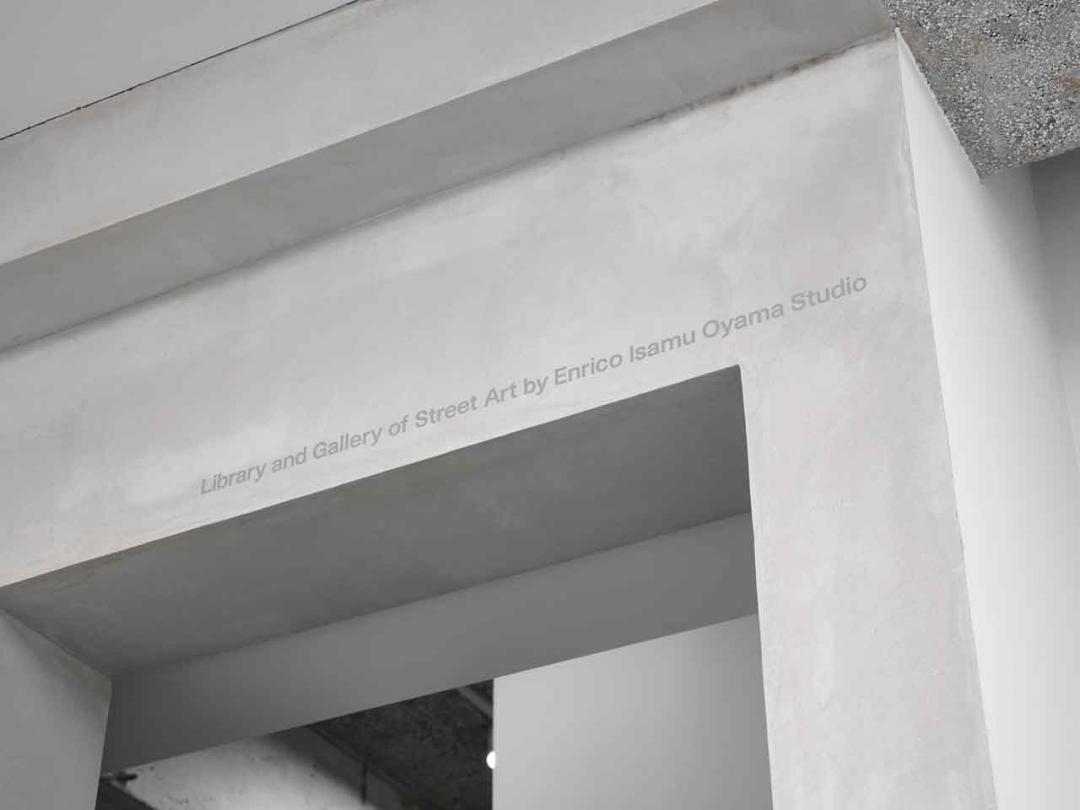
- Name: Library and Gallery of Street Art by Enrico Isamu Oyama Studio
- Also known as: LGSA by EIOS
- Opening hours: Thursday, Friday, Saturday, Sunday
- Time: 1:00 PM - 6:00 PM
- Location: DAG Building 401, 11-6 Sakuragaokacho, Shibuya-ku
- Price: Free (registration required)
- Management: Oyama Enrico Isamu Studio LLC
Venue
Editorial Department: Takashi Fujii
Shibuya registrar. In addition to Shibuya of Culture information, seasonal news and topics, it will spell write that feel every day.
Genres within watch
Articles in the same genre
![[Shibuya Scenery Records Vol. 2] The "Onko Gakkai Kaikan" continues to preserve the legacy of blind scholar Hanawa Hokiichi](https://biz.shibuyabunka.com/storage/images/watch//1787122066.webp)
2026-09-02〜
[Shibuya Scenery Records Vol. 2] The "Onko Gakkai Kaikan" continues to preserve the legacy of blind scholar Hanawa Hokiichi
2026-07-08〜
A 1/80 scale diorama of Shibuya is born: Urban modeler Yu Irimajiri talks about the charm of Shibuya.
2026-06-10〜
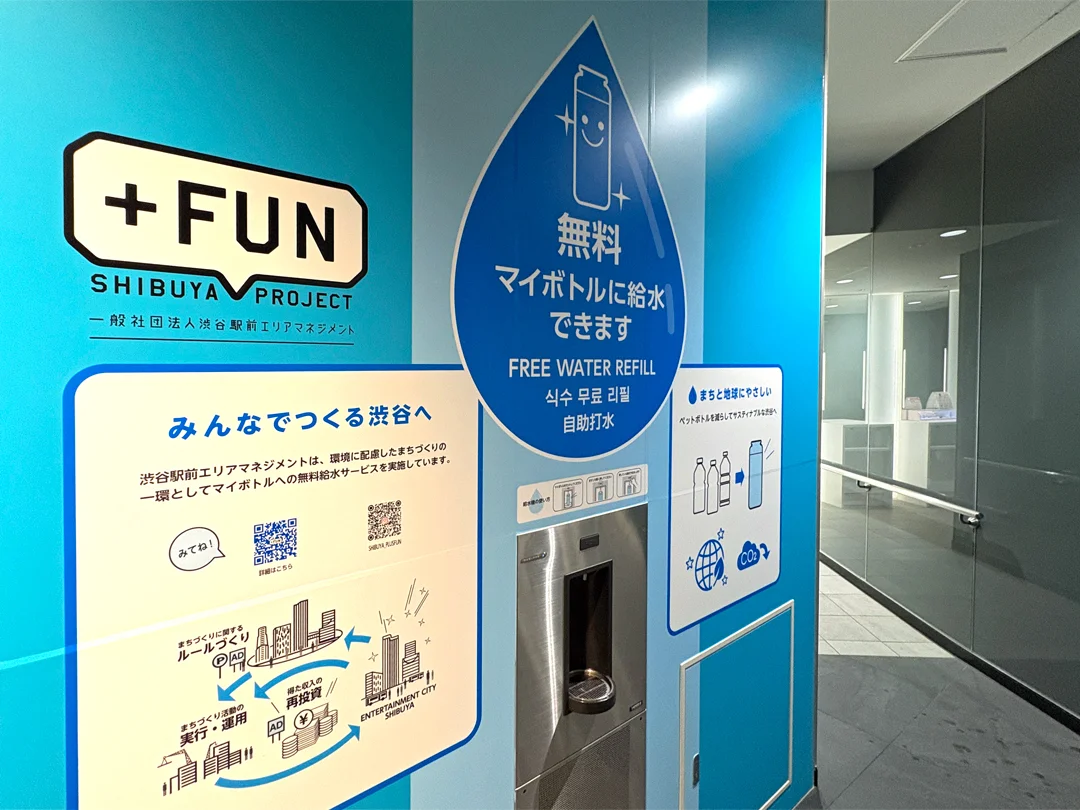
Water refill station opens in underground plaza at Shibuya Station East Exit, becoming a hub for promoting "reusable water bottle culture."
![[Shibuya Scenery Records Vol. 1] Hiroo Elementary School, a school with a 110-year history.](https://biz.shibuyabunka.com/storage/images/watch//1779780616.webp)
2026-05-28〜
[Shibuya Scenery Records Vol. 1] Hiroo Elementary School, a school with a 110-year history.
Featured articles on the site

渋谷の肉料理おすすめ5選! 渋谷在勤・かごさんが厳選するお店を紹介
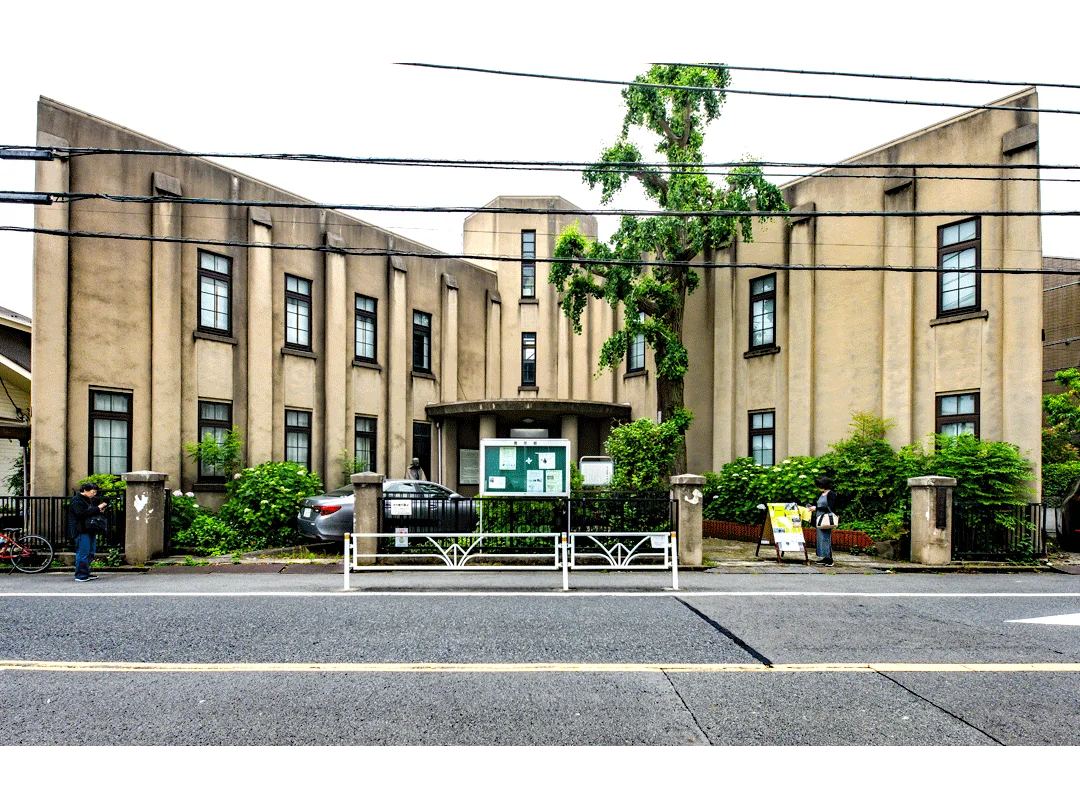
[Shibuya Scenery Records Vol. 2] The "Onko Gakkai Kaikan" continues to preserve the legacy of blind scholar Hanawa Hokiichi
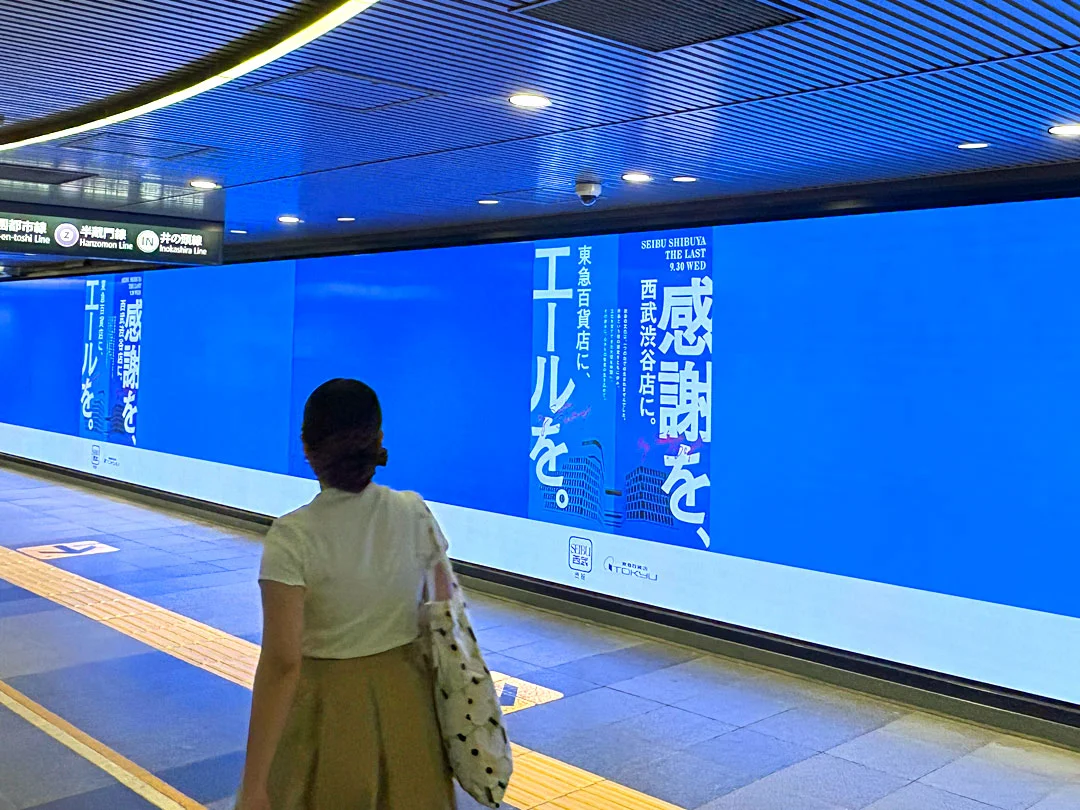
Seibu Shibuya and Tokyu Department Store collaborate for the "final" time: Former rivals offer each other encouragement.