

SHIBUY.A. × WATCH

The second wave of Shibuya Station construction fencing art has been unveiled: "Shibuya symbols" by Kosuke Ota, including Akita dogs
2026-02-20
SHARE
On February 20th, the second part of an art project that turns temporary fences into giant canvases was unveiled at the construction site of the Shibuya Station Block Development Plan.
The artwork will be displayed on the north side of the temporary enclosure for the new SHIBUYA SCRAMBLE SQUARE West Building construction, located along the walkway just outside the west exit of JR Shibuya Station. This is a continuation of the first phase, which began in August last year, and is based on the theme of "Shibuya Culture Jungle - Letting Diversity Shine," and combines existing artwork with new, original artwork themed around Shibuya.
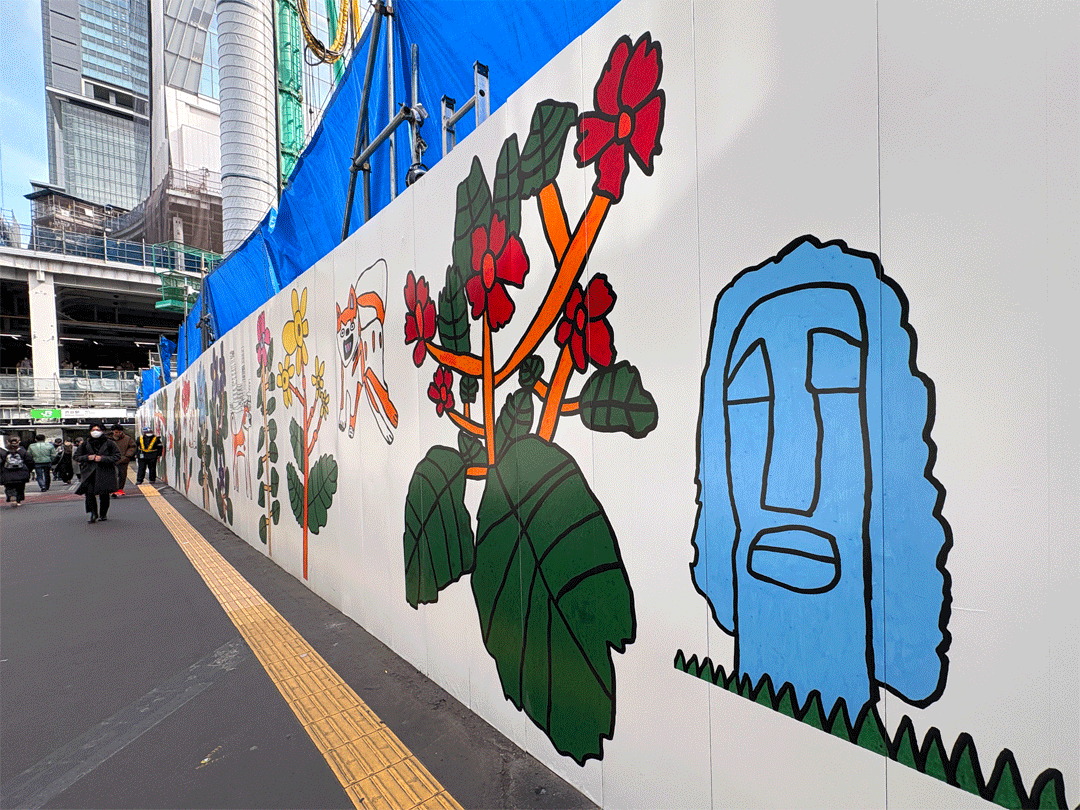
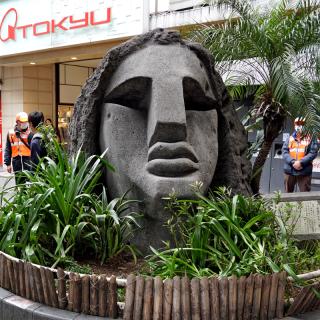
A work based on the "Moyai Statue" motif (the West Exit of JR Shibuya Station is in the background on the left)
The project was selected for "TOKYO CITY CANVAS," a cultural initiative promoted by the Tokyo Metropolitan Government to spread the art scene throughout the city. It is part of a public-private partnership project co-created by Tokyu Corporation and the Shibuya Station Area Management Association, with the support of Shibuya Ward. The aim is to decorate the "urban margins" of construction sites with art and create an exhibition space open to the city.
Inspiration gained from Shibuya in new work
Following on from the first, the second series was created by artist Ota Kosuke. Born in 1981, he lives in Fukuoka Prefecture. He was diagnosed with autism and intellectual disability as a child, but discovered painting at the age of 11 and held his first solo exhibition at the age of 15. His works, which feature vibrant colors and free-spirited ideas, have attracted attention both in Japan and overseas. He is also known for having his work featured in the TBS drama "Lion's Lair."
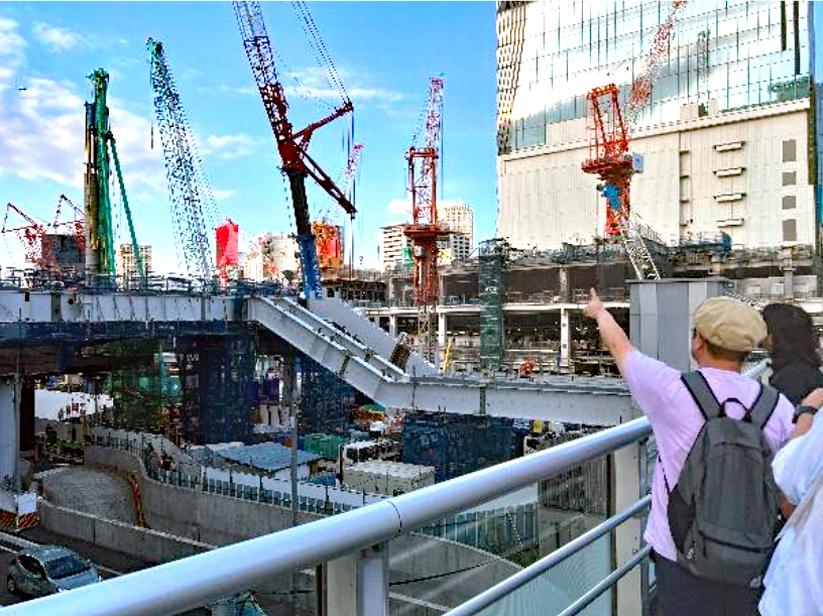
Ota's visit to Shibuya last summer
This time, Ota actually visited Shibuya and chose the motif while walking around the city. He showed a strong interest in Shibuya's iconic symbols, such as the Hachiko statue and the Moai statue. The new work, completed after repeated meetings and inspections, depicts the dynamic "Akita dog" and the impressive "Moai statue" in Ota's signature bold composition and vivid colors.

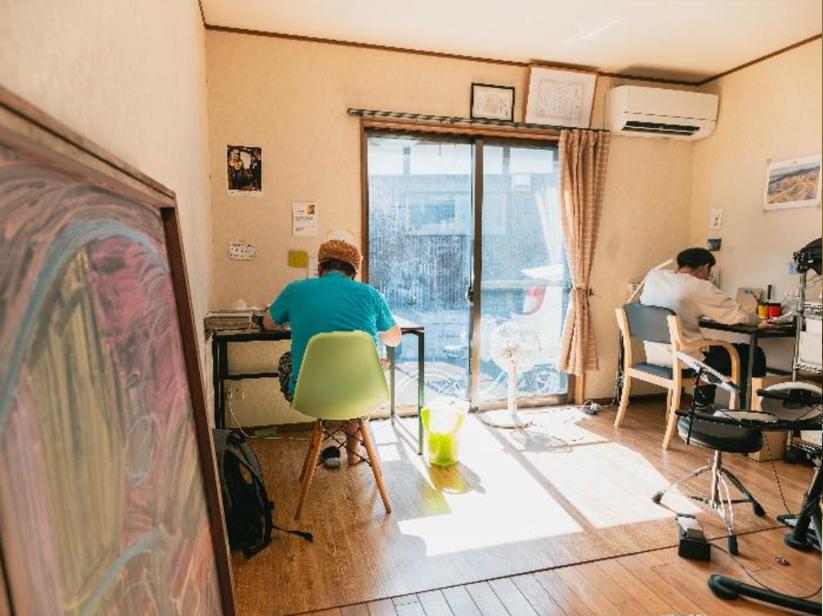
Creation of a work in the Fukuoka workshop
The production began with a kick-off meeting in August last year. It took about six months to complete, including inspections during a visit to Tokyo, production at a workshop in Fukuoka, and design adjustments.
Integrating with the first series of works to highlight the town's unique character
In the first installment, approximately 15 existing works themed on flora and fauna, such as "flowers" and "bats," were exhibited, bringing a sense of life and gaiety to the inorganic temporary enclosure. In the second installment, newly drawn works themed on Shibuya were incorporated into some of the works, creating a composition in which the city's symbols and existing motifs resonate with each other. The length of the entire exhibit has also been extended by approximately 10 meters from the previous installment.
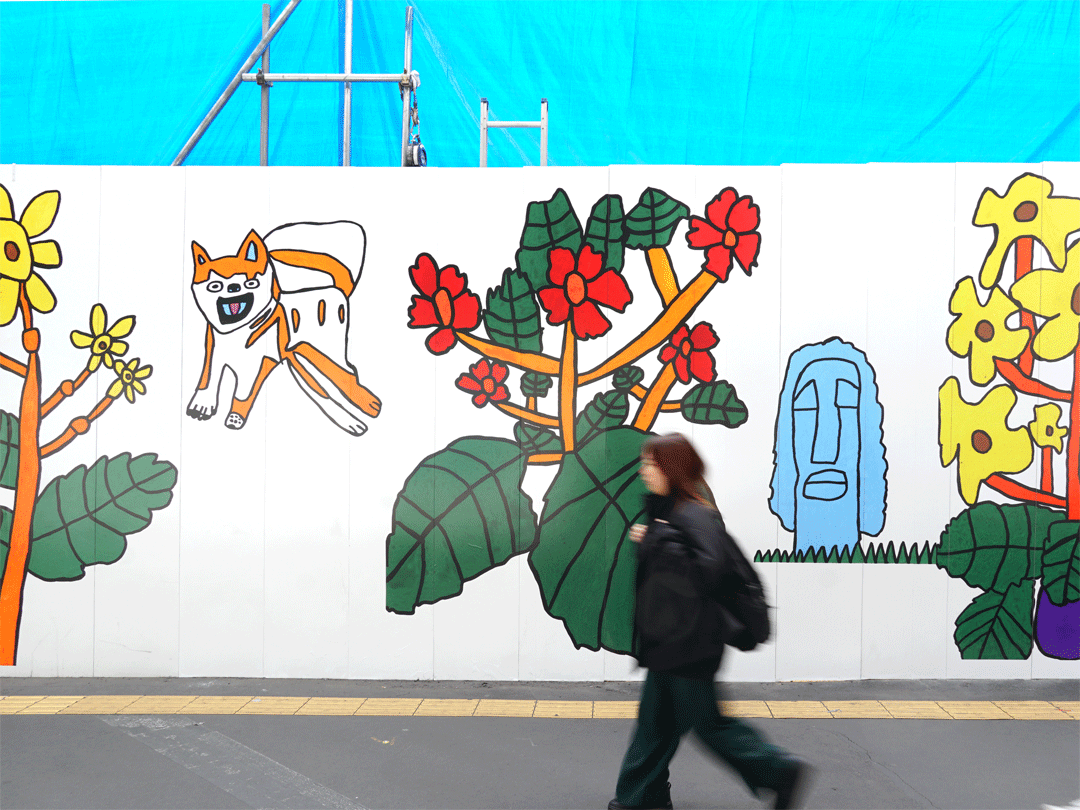
The design is composed of the plants drawn in the first installment and the newly created "Akita dog" and "Moyai statue."
The vibrantly colored "Akita dog" and "Moyai statue" are interwoven with animal and plant motifs to create a more three-dimensional expression of the diversity and energy of Shibuya, adding vibrant color and dynamism to the construction site, which can often be impersonal.
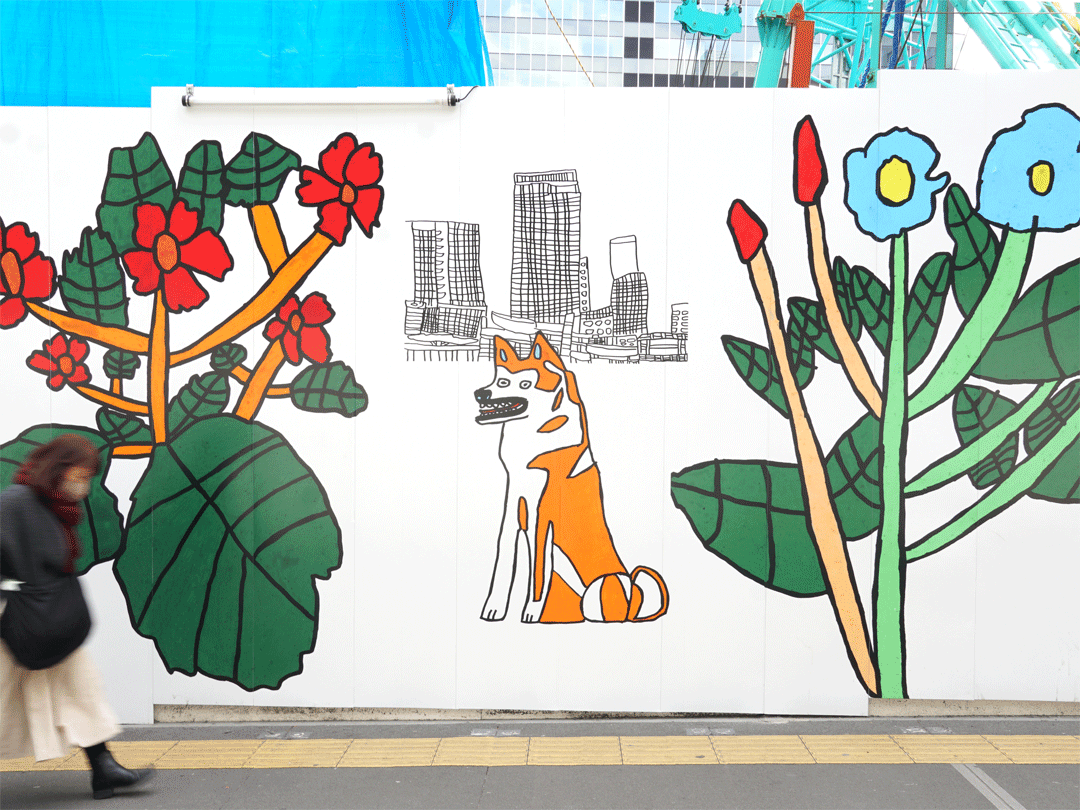
Skyscrapers and Akita dogs around Shibuya Station
The theme continues from the first installment, "Shibuya Culture Jungle - Shining Diversity." Based on the project's philosophy of "respecting individuality and making the most of people," the project aims to visualize Shibuya, where people with diverse values and backgrounds intersect, through art.
The area around Shibuya Station is currently undergoing redevelopment, with changes to traffic flow and ongoing construction work, but businesspeople, shoppers, and tourists continue to come and go on a daily basis. This exhibition, which makes use of the scenery that can only be seen during the construction period, adds a new face to the ever-changing city of Shibuya.
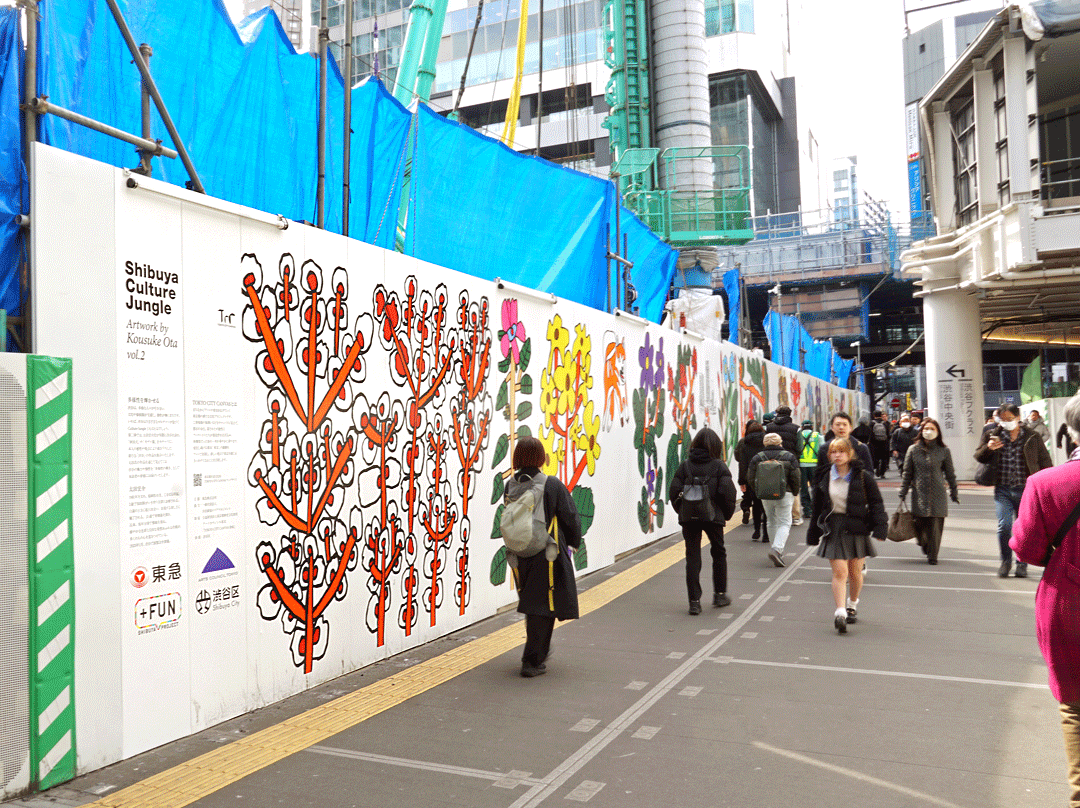
Venue
Editorial Department: Takashi Fujii
Shibuya registrar. In addition to Shibuya of Culture information, seasonal news and topics, it will spell write that feel every day.
Genres within watch
Articles in the same genre
2026-10-01〜
THE HIKARIE WINDOW / Keisuke Hara — The ever-changing Shibuya and the rhythm of everyday life
2026-09-30〜
Seibu Shibuya Store closes its doors after 58 years of history: The department store that created "Shibuya" marks the end of its history.
![[Shibuya Scenery Records Vol. 2] The "Onko Gakkai Kaikan" continues to preserve the legacy of blind scholar Hanawa Hokiichi](https://biz.shibuyabunka.com/storage/images/watch//1787122066.webp)
2026-09-02〜
[Shibuya Scenery Records Vol. 2] The "Onko Gakkai Kaikan" continues to preserve the legacy of blind scholar Hanawa Hokiichi

2026-08-10〜
To ensure the safe guidance of visitors during flooding, a joint drill led by local residents was held for the first time around Shibuya Station.
Featured articles on the site

Yoyogi Park to host "Kyushu Tourism and Local Products Fair" featuring approximately 100 Kyushu gourmet food vendors and a tuna cutting show.
Seibu Shibuya Store closes its doors after 58 years of history: The department store that created "Shibuya" marks the end of its history.

Top 5 Recommended Meat Dishes in Shibuya! Shibuya resident Kago-san's hand-picked restaurants are introduced.