


SHIBUY.A. × EVENT

2024-06-22
The 3rd Dialogue Event "Why Reject? Why Are We Rejected?" (QWS Academia, University of Tokyo)
SHIBUYA QWS original program "QWS ACADEMIA"
2024-06-04
SHARE
Source: Peatix
[SHIBUYA QWS original program "QWS ACADEMIA"]
This is a program in collaboration with universities that allows students to encounter "unknown questions." At universities, there are students and researchers who are facing a wide variety of "questions." "QWS ACADEMIA" is not just a class where knowledge is transmitted, but aims to stimulate each other in both directions and create a chemical reaction.
[Objective of the event]
A bright red poster posted inside Shibuya Station.
In the middle was a picture of a dejected guide dog and its user, with the words "Approximately 60% of guide dog users have experienced refusal to be accepted."
"60% of guide dogs and visually impaired people are refused entry, that's quite a high rate," tweeted one guide dog user in response to this casual comment.
"60%...is that really that low? I feel more rejected."
We are born into this world and grow up through various experiences.
In the process, you will establish your own identity and also come into contact with the identities of others.
In that fellowship, we experience rejection and being rejected.
So why does the feeling of rejection arise?
At this event, we will analyze the rejections felt by guide dog users based on the results of a survey on their experiences with rejection.
In addition, we will hear from people with a wide range of diverse backgrounds, including those with disabilities, genders, generations, and nationalities, who will talk about the "root causes of rejection" from their own perspectives.
We will then engage in a philosophical dialogue to consider the sense of rejection you feel.
If the word "rejection" makes you feel uneasy, I hope that your participation will give you an opportunity to think about how to eliminate rejection.
I believe that if the world accepts all kinds of diversity, we can work together to create a society where it is easier to live, where people can be more true to themselves, and where we can feel that hope.
And I think it would be good if society could become more friendly to everyone.
【Overview】
■Date and time: Saturday, June 22, 2024 17:00-20:30 (doors open 16:30)
■ Capacity: 50 people
■ Participation fee: Free
■ Venue: SHIBUYA SCRAMBLE SQUARE 15th floor SHIBUYA QWS CROSS PARK
■Organizer: SHIBUYA QWS Innovation Council
■Sponsor: Graduate School of Frontier Sciences, The University of Tokyo
Japan Guide Dog Association, a public interest incorporated foundation
■ Supported by: Guide Dog Gait Science Project "Connecting, Learning, and Understanding Diversity"
Graduate School of Arts and Sciences, University of Tokyo
International Center for Philosophy for Coexistence (UTCP)
National Children's Welfare Center
【program】
16:30- Reception
Part 1
17:00- Overview of SHIBUYA QWS
17:05- Opening remarks by Tokunaga Tomoyoshi
17:10- Lecture: The "rejection" felt by people with diversity by Laila Kasem
17:25- Lecture: Analysis of "refusal to accept" guide dog users by Satoshi Miyata
17:40- Lecture: What kind of "rejection" does a guide dog user feel? Junko Asai
17:55- Lecture: Supporting Children and Young People Who Refuse and Are Rejected, Kazuki Arai
18:10- Discussion: What kind of "rejection" does a transgender person feel? Fumino Sugiyama
18:25- Photo shoot and break –
Part 2
18:35- Lecture "Philosophizing about Refusal" by Shinji Kajitani
18:50- Panel Discussion "Thinking about the Questions of Philosophical Dialogue" Shinji Kajitani
19:15- Philosophical dialogue: "Philosophical dialogue on refusal and being rejected"
19:50- Closing remarks by Yoshiyuki Yamaguchi
20:00- Social gathering and discussion
20:30- End
【speaker】
・Tokunaga Tomochika
Professor and Dean, Graduate School of Frontier Sciences, The University of Tokyo
Graduated from the Department of Geology, Faculty of Science, University of Tokyo in 1989, and completed a Master's course in Geology at the Graduate School of Science, University of Tokyo in 1991. Doctor of Engineering.
In 1991, he became an assistant professor at the Faculty of Engineering, University of Tokyo, and from August 1997 to August 1998, he was a visiting researcher at the University of Wisconsin, USA. In January 1999, he became an associate professor at the Graduate School of Engineering, University of Tokyo, and in 2005, he became an associate professor at the Graduate School of Frontier Sciences, University of Tokyo, and has been a professor at the same graduate school since 2011.
・Laila Cassim
Designer/Researcher
Specially Appointed Researcher, UTCAP, University of Tokyo/Specially Appointed Associate Professor, Nara Women's University
A British person born in Japan and raised around the world. He is good at designing by finding and utilizing people's unique qualities. He graduated from the Visual Design Department of Edinburgh University of the Arts in 2007. He completed his doctoral course at Tokyo University of the Arts in 2016. He is working both domestically and internationally on the production and development of artworks and products that lead to inclusive social participation and independence regardless of position or ability, together with people in the field of disability welfare who need support, utilizing his design expertise. His main project is "Shibuya Font", which he has been involved in since 2017, and will serve as art director in 2022, when it will become a general incorporated association. The project has won numerous domestic and international awards, including the Good Design Award, Japan Innovation Award, Taiwan Golden Pin Design Award, and iF Design Award. He also works as a researcher at a university, and regularly supports art for people with severe disabilities at welfare facilities and continues to conduct research. He will serve as a judge for the ACC TOKYO CREATIVE AWADS from 2021. He is currently a specially appointed researcher at UTCPP, University of Tokyo, from 2022, and a specially appointed associate professor at Nara Women's University from April 2023.
https://utcp.c.u-tokyo.ac.jp/ https://www.shibuyafont.jp/
・Satoshi Miyata
Professor, Graduate School of Public Health, Teikyo University
He graduated from Hitotsubashi University School of Economics (Bachelor of Economics) in 1992, completed a Master's course at Hitotsubashi University Graduate School of Economics (Master of Economics) in 1994, and graduated from the Department of Statistics at Ohio State University Graduate School in 2001 (Ph.D.). He was a lecturer at the Statistical Computing Development Center at the Institute of Statistical Mathematics, Ministry of Education, Culture, Sports, Science and Technology in 2001, a researcher in the Information Analysis Division at the Genome Center of the Japanese Society for Cancer Research in 2002, and an assistant professor and associate professor at the Endowed Chair in Cardiovascular EBM Development, Tohoku University Graduate School of Medicine in 2012. He has been a professor at the Teikyo University Graduate School of Public Health since 2020.
・Junko Asai (Asai Junko) & Vivid
Guide dog user
Born in Osaka City. Graduated from Soai Junior and Senior High School, and Seikei Women's Junior College. A nutritionist. In 2003, she developed idiopathic peripheral corneal ulcers and underwent repeated corneal transplants. In 2016, she graduated from the physical therapy department of a school for the blind, and after obtaining national licenses for anma, massage, and shiatsu, she joined Matsuo International. In 2018, she was fitted with an artificial eye and became completely blind.
Previously, he has served as CEO of Junsun 100 Co., Ltd. and as public relations officer for Family Times Ltd.
With the motto of "Living super positively in a world of total blindness," she is actively involved in a variety of activities, including stage performances, ballroom dancing, ukulele performances, music concerts, and intensive English conversation training, spending each day finding new challenges and discoveries.
These positive activities have been featured in numerous media outlets, including TV Osaka's "Yasashii News" documentary and Asahi Broadcasting's "Ohayou Asahi Desu," and his first pitch ceremony at Hanshin Koshien Stadium with his partner guide dog Vivid became a hot topic.
Additionally, through guest teaching at elementary schools and lecturing, she spreads the message that people with disabilities can "live bright and happy lives."
His books include "What I, a blind person, found in a 'pure white world'" (KADOKAWA).
・Kazuki Arai
Chairman of the National Children's Welfare Center
Chukyo Gakuin University Junior College Department of Childcare Full-time Lecturer
Childcare worker/Social worker
After working as a child guidance counselor at a child welfare facility, he founded the National Children's Welfare Center in 2012.
We practice community self-governance by building hubs for interaction with children, young people, and homeless people throughout the city.
Her recent publications include "Outreach Created by Children and Young People" (2023, Seseragi Publishing).
Received the Prime Minister's Award at the 1st Future-Creating Children's Center Awards.
・Fumino Sugiyama
Representative of New Canvas Co., Ltd.
Born in Tokyo in 1981. Former member of the Japanese women's national fencing team. Transgender. Graduated from the Master's Program at the Waseda University Graduate School of Education. Traveled around 50 countries and Antarctica as a backpacker for two years, confronting various social issues there. Co-representative director of Tokyo Rainbow Pride, an NPO that runs Japan's largest LGBTQ+ pride parade, and involved in the establishment of the first same-sex partnership system in Japan in Shibuya Ward. From June 2021, she will also serve as a director of the Japanese Olympic Committee and the Japan Fencing Association. She has two children with her partner, and is raising them as a family of three with a friend who is the sperm donor, which has also attracted attention.
His books include "Former High School Girl Becomes a Father" (Bungeishunju).
HPhttps://fuminos.com/
・Shinji Kajitani
Director, University of Tokyo Center for International Philosophy (UTCP)
Professor, Graduate School of Arts and Sciences, The University of Tokyo
Graduated from the Graduate School of Human and Environmental Studies, Kyoto University.
His specialties are philosophy, medical history, and comparative culture. In recent years, he has been creating "places for thinking together" in schools, companies, and local communities through philosophical dialogue, and is pursuing a new genre called "co-creation philosophy," in which various people work together to create thoughts.
His recent works include "What does it mean to think? An introduction to philosophy for people from 0 to 100 years old" (2018, Gentosha), "What does it mean to write? A life-changing writing class" (2022, Asuka Shinsha), "What does it mean to question? Thinking lessons for living a humane life" (2023, Yamato Shobo), and "Adventure Diary of Philosophical Dialogue: We think, therefore we are" (2023, Airi Publishing).
・Yoshiyuki Yamaguchi
Executive Director, Japan Guide Dog Association, Public Interest Foundation
Born in Tochigi Prefecture. Graduated from Bunkyo University's Faculty of Human Sciences. Joined the Japan Guide Dog Association in 1997, where she worked in the PR department and was involved in activities to promote the use of guide dogs.
In 1998, he joined the Kanagawa Training Center Training Department and learned guide dog training.
In 2003, he completed a training course for visually impaired life guidance counselors at Japan Lighthouse, a social welfare organization.
After working to promote the spread of guide dogs, he became director of the Japan Guide Dog Center in 2012 and the Kanagawa Training Center in 2016, before becoming the association's executive director in June 2020.
[Planner/Moderator]
・Manabu Watanabe
Specially Appointed Professor, Graduate School of Frontier Sciences, The University of Tokyo
Born in Miyazaki Prefecture. Graduated from Yamaguchi University Graduate School of Veterinary Medicine with a PhD in Veterinary Medicine.
He established a genome analysis platform for dogs and cats as a companion animal genomics research, and is engaged in elucidating the causes of personality and physical traits, genetic diseases, and cancer through genome analysis.
Through genome research on guide dogs, we have learned about various issues concerning guide dogs and the visually impaired, and have created a new academic field called "Guide Dog Gait Science," which involves collaborative research and education with various researchers across academic fields in an interdisciplinary approach to these mounting issues.
We aim to solve these issues by delivering these research results to visually impaired people who need them, and to contribute to promoting an inclusive society by disseminating the results to society.
Director of the Japanese Society of Animal Genetics and Breeding, and member of the Council of the Japanese Association of Veterinary Medicine.
To apply to participate in the event
Thank you from here.
Venue
Genres within EVENT
Articles in the same genre
![[Held at WeWork Shibuya] A roundtable discussion on security in the AI era: honest opinions that can't be shared online.](https://biz.shibuyabunka.com/storage/images/event/1774095871.png)
2026-04-09〜2026-04-09
[Held at WeWork Shibuya] A roundtable discussion on security in the AI era: honest opinions that can't be shared online.

2026-04-10〜2026-04-10
"Let's play with questions from companies, local governments, and universities!" Question Storming with NIFCO Corporation

2026-04-11〜2026-04-16
"Death Fest 2026" at Shibuya Hikarie: Six days to re-examine death through the five senses
2026-04-15〜2026-04-15
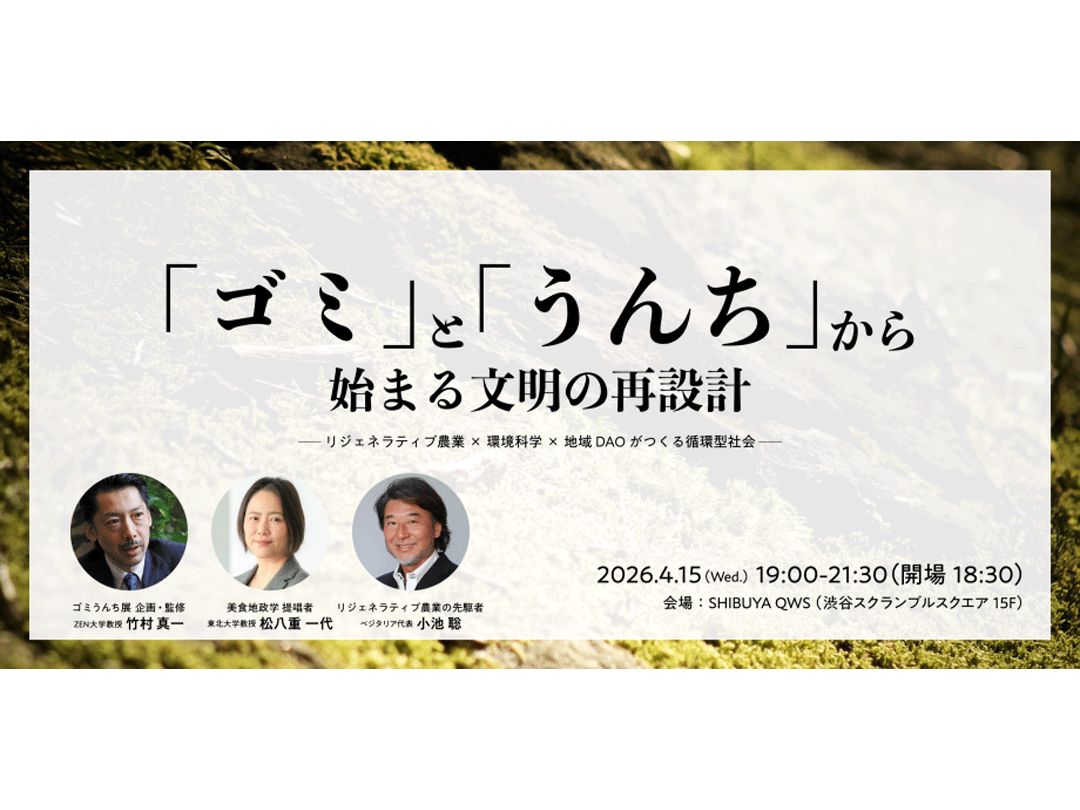
Redesigning Civilization Starting from "Garbage" and "Feces": Creating a Circular Society Through Regenerative Agriculture, Environmental Chemistry, and Local DAOs
Featured articles on the site
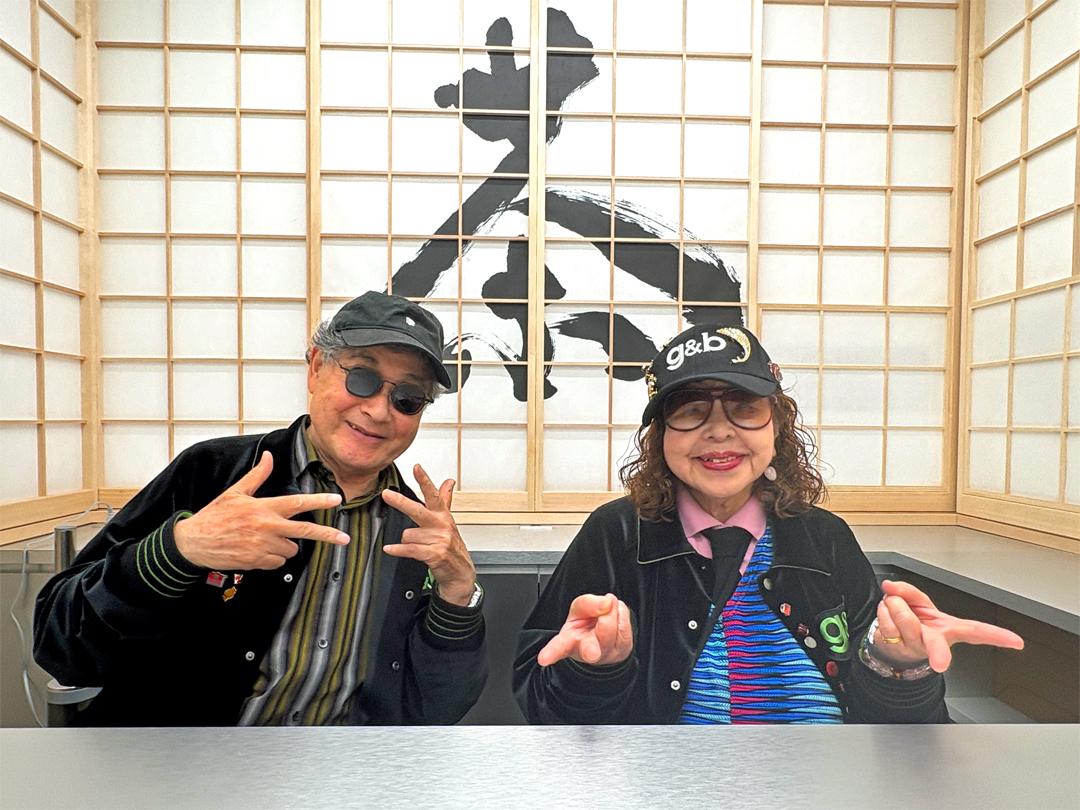
G-CHA & Ba-CHA, a tea shop in Shibuya with an average age of 73, is promoting a new way of working where seniors play a leading role.

Shibuya creates a sustainable urban management model by supporting city operating costs through station-front advertising
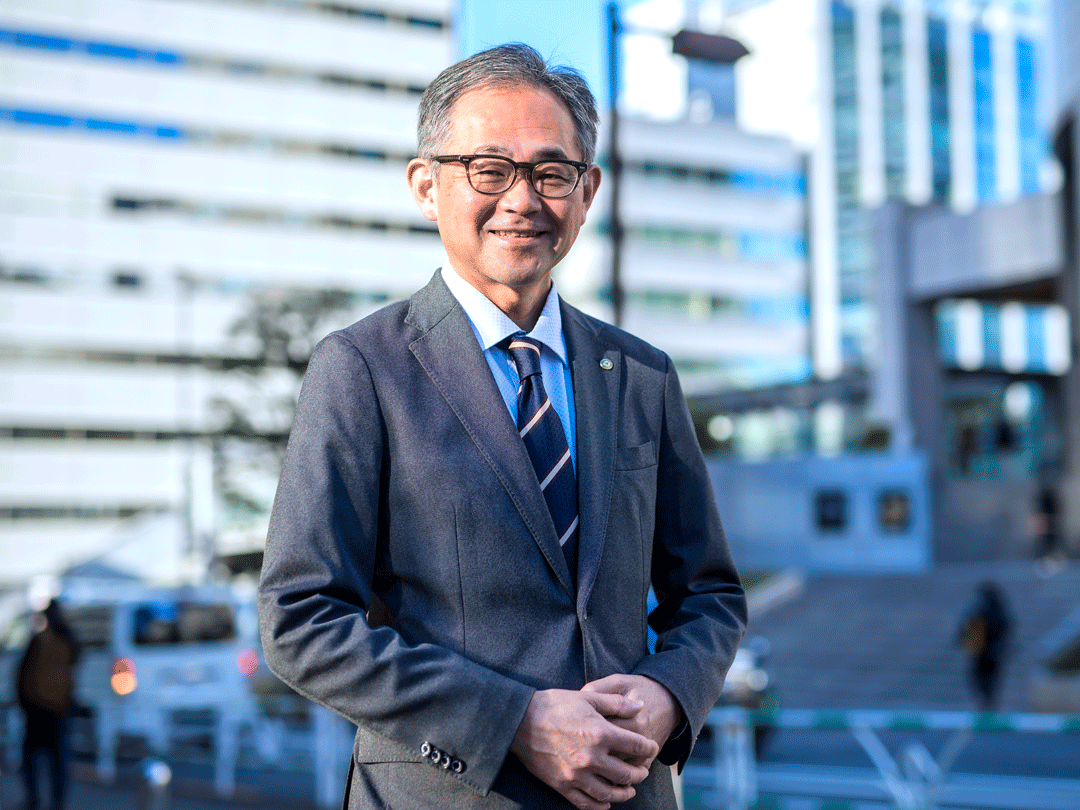
Yoichiro Sakai (Representative Director, Shibuya Station Area Management) | Creating an urban platform where Shibuya's unique culture naturally emerges.