

SHIBUY.A. × WATCH

G-CHA & Ba-CHA, a tea shop in Shibuya with an average age of 73, is promoting a new way of working where seniors play a leading role.
SHARE
On March 20th, G-CHA & Ba-CHA, a take-out only tea shop employing staff with an average age of 73, opened near the intersection at the bottom of Miyamasuzaka Hill. It is attracting attention as an attempt to promote new ways of working for the elderly, coming from Shibuya, a town known for its youth culture.
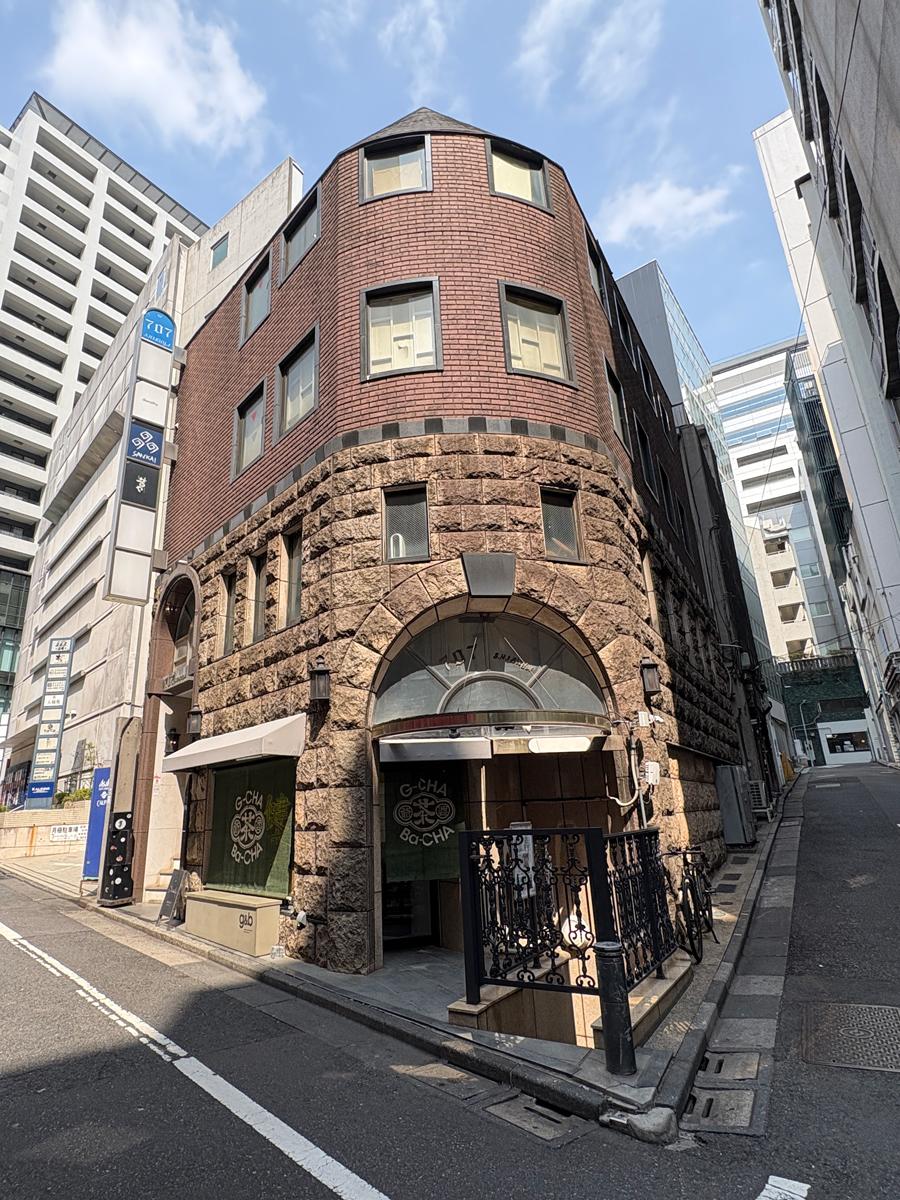
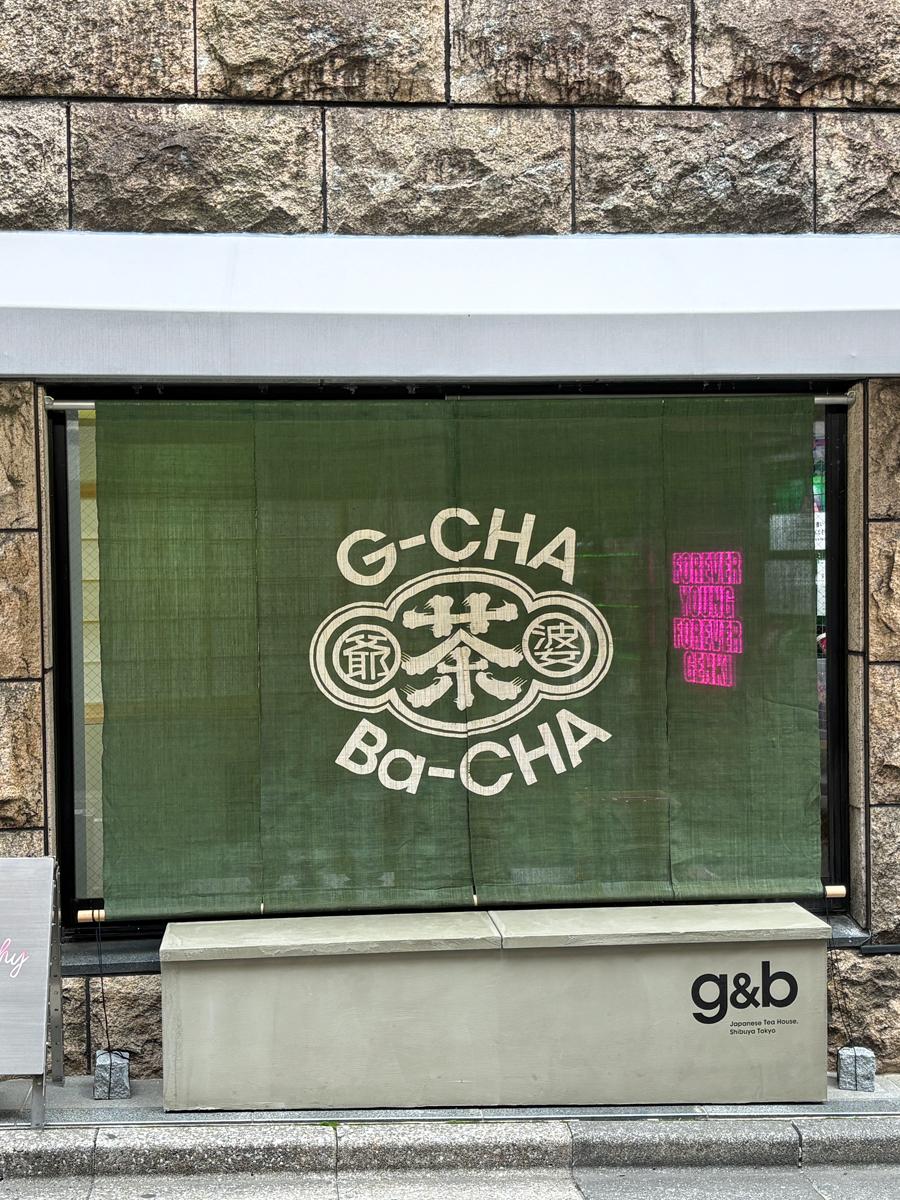
If you turn left at the first corner from the bottom of Miyamasuzaka slope, you'll see a cute brick building. It's to the right of the bowling alley "Shibuya Bowl".
The new store will be located on the first floor of the building where "Center Beef Shibuya Miyamasuzaka Store" used to operate. The location is included in the large-scale redevelopment area of the "Miyamasuzaka district," and the store will operate as a "limited-time store" utilizing the few years until construction begins. Amidst the urban renewal, a new experimental initiative has begun.
The cafe is a joint project between ENTAKU produce, which has planned numerous experiential stores that have become popular on social media, such as "A Cafe Run by a Friend" and "ME ME COFFEE," and Tokyu Corporation. The customer service staff are not celebrities, but ordinary elderly people who responded to job postings to work at the cafe, with the oldest being 80 years old. The concept is to deliver "energy" along with serving tea.
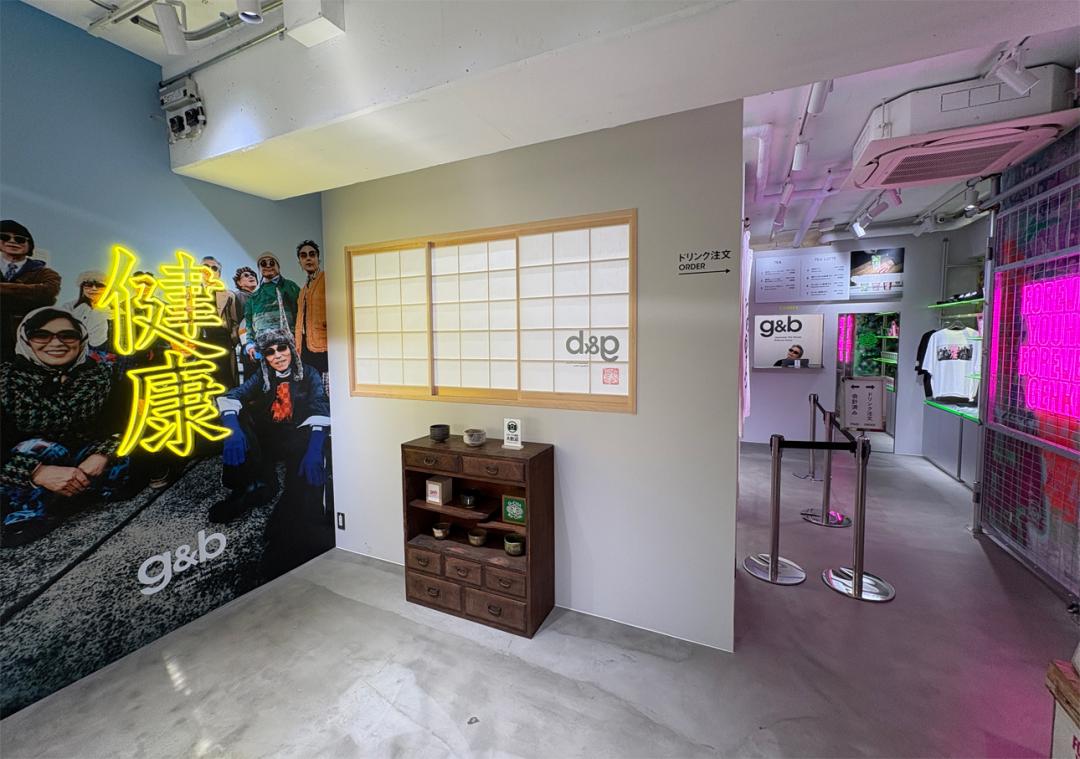
Upon entering, you'll find a waiting area on the left labeled "Health," and a product ordering area on the right.
The shop offers a total of seven types of drinks, including uniquely named beverages such as "Grandpa's Tea (Ginger Roasted Green Tea)" and "Grandma's Tea (Jasmine Green Tea)," as well as matcha lattes.
Junki Yoshida of ENTAKU, who is in charge of the store, said, "We focused on making sure that it wasn't just a novelty item, but a truly delicious tea. We've created a flavor that can be enjoyed by people of all ages." He added that they sourced tea leaves and matcha from TeaRoom, which has its own farm and factory in Shizuoka Prefecture, and that they were particular about quality.
From ordering to receiving, it's a delightful experience.
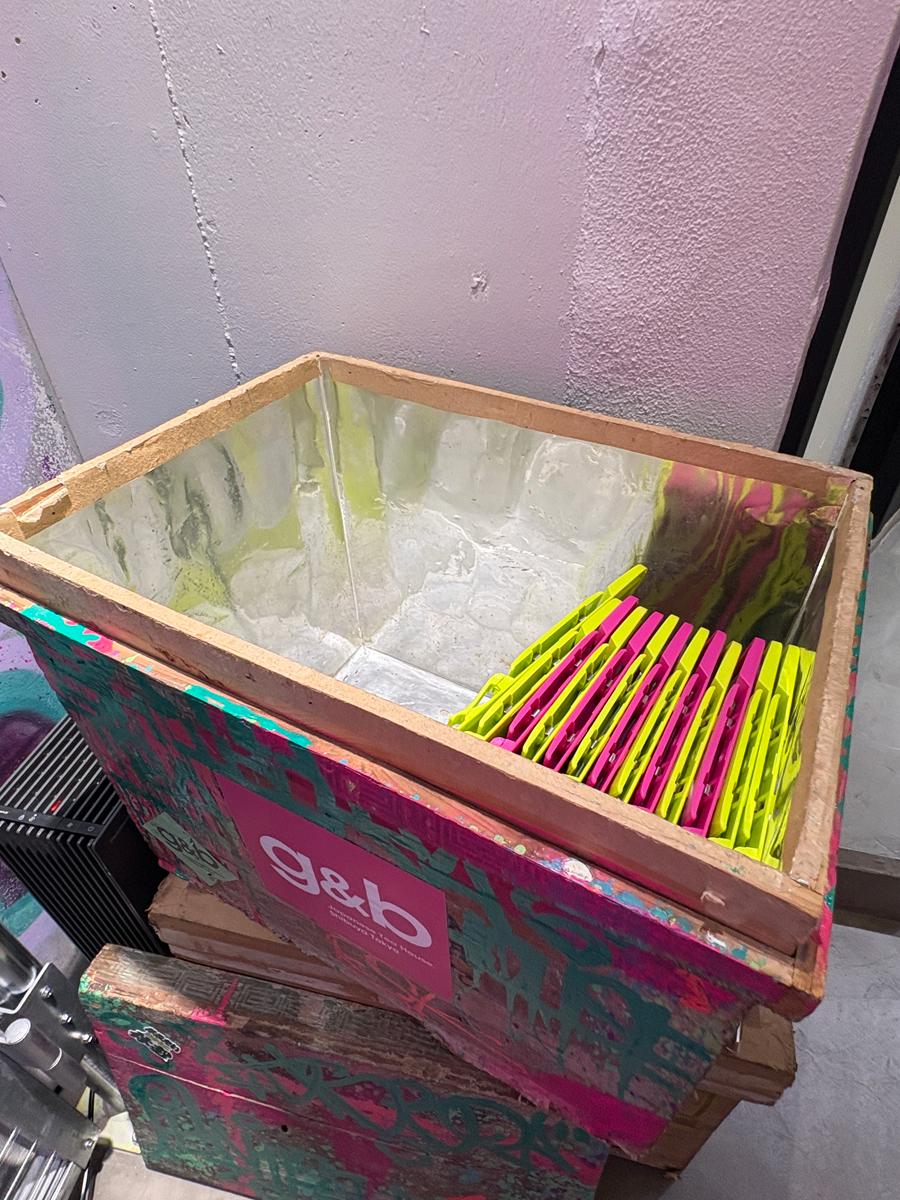
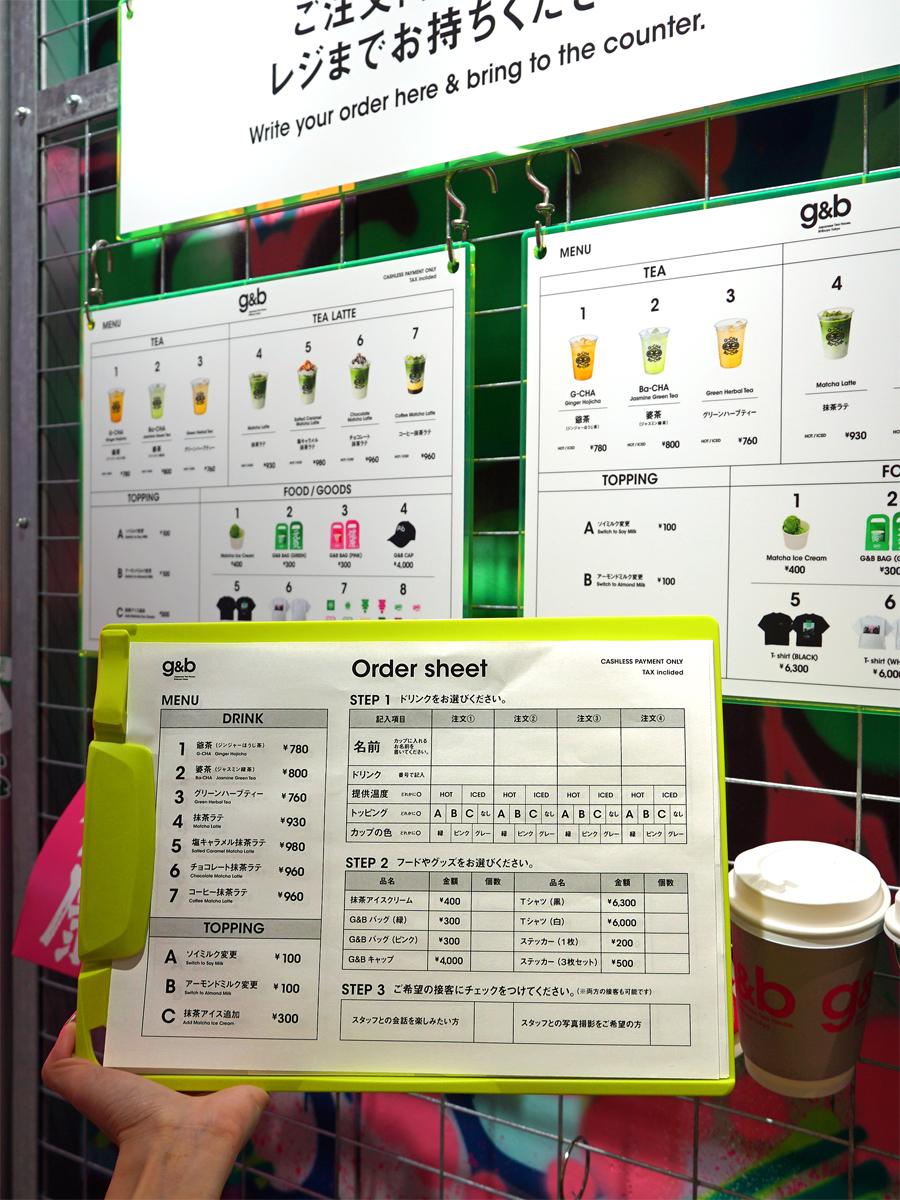
You take an order sheet from the box and fill in your desired menu items. The pens used are said to be highly visible, featuring a pink fluorescent ink that is easy to see even on silver paper.
Upon entering the store, customers fill out an order sheet specifying the type of drink, temperature, toppings, cup color, and whether they wish to purchase any merchandise, then place their order at the register. A single elderly staff member sits at the register, where the initial interaction begins. On this particular day, 73-year-old Kyoko, wearing sunglasses, was in charge, confirming orders and handling payments. Payment is made in advance and is cashless only.
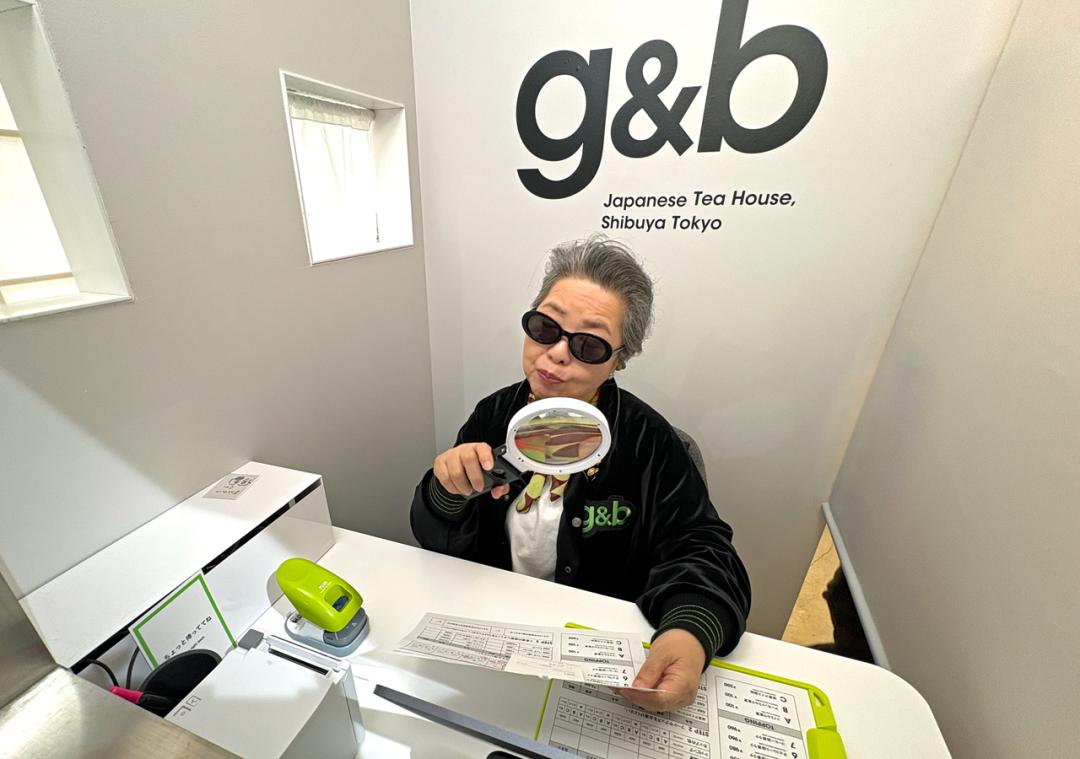
The receptionist is Kyoko, who is 73 years old.
One of the heartwarming scenes at the shop is when Kyoko says, "The order text is too small," and uses a giant magnifying glass to check the order details.
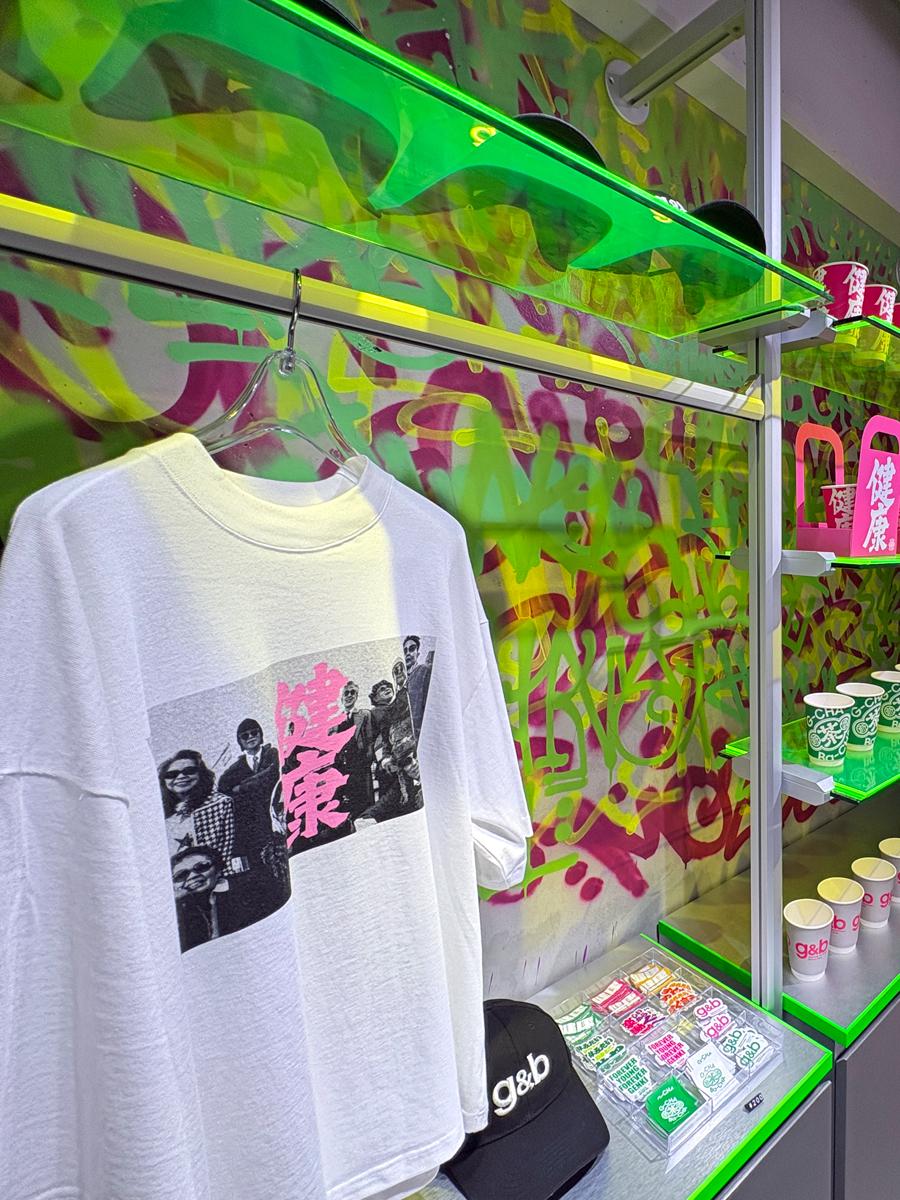
Left: In addition to drinks, they also offer a wide selection of original merchandise such as T-shirts and caps. Right: Waiting area for orders.
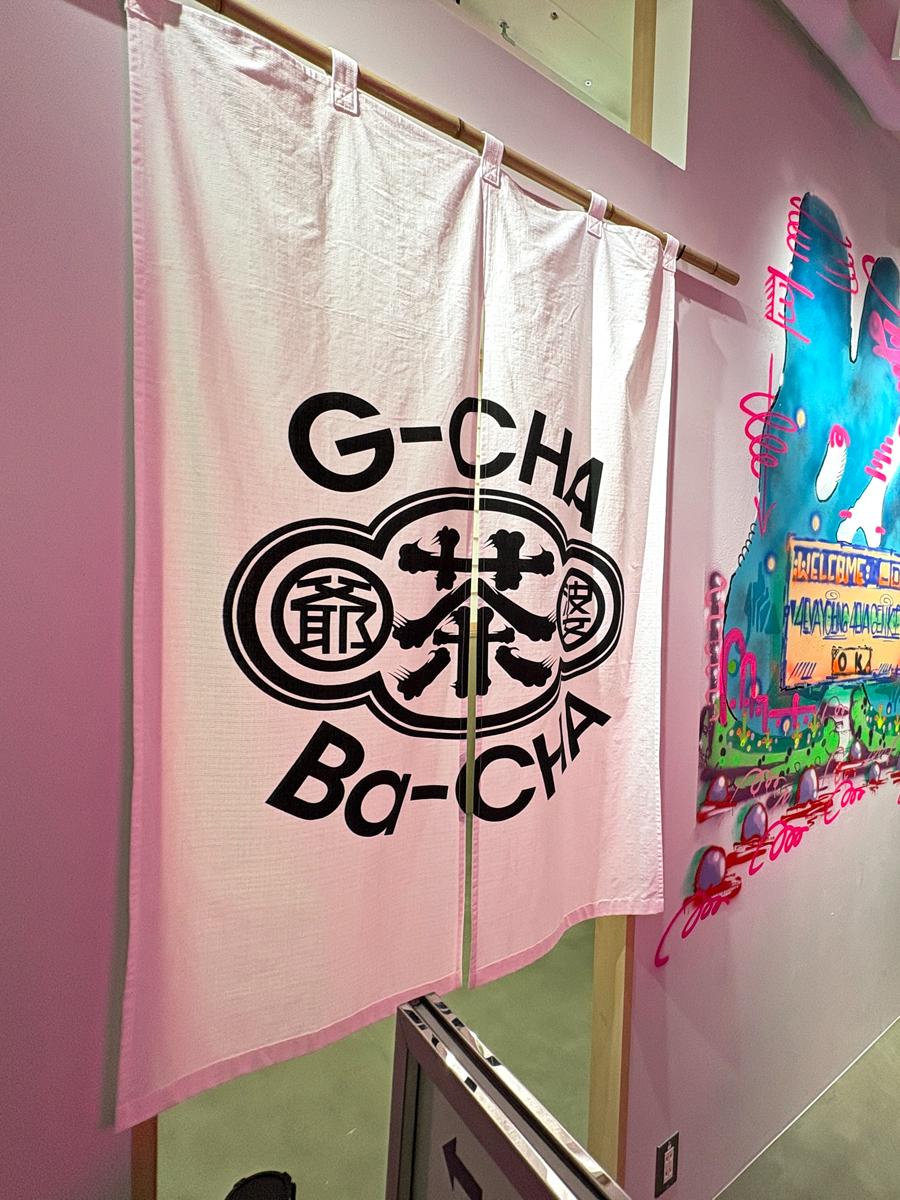
After ordering, you wait in front of the curtain until it's your turn to be served. When your number is called, you finally enter the area behind the curtain.
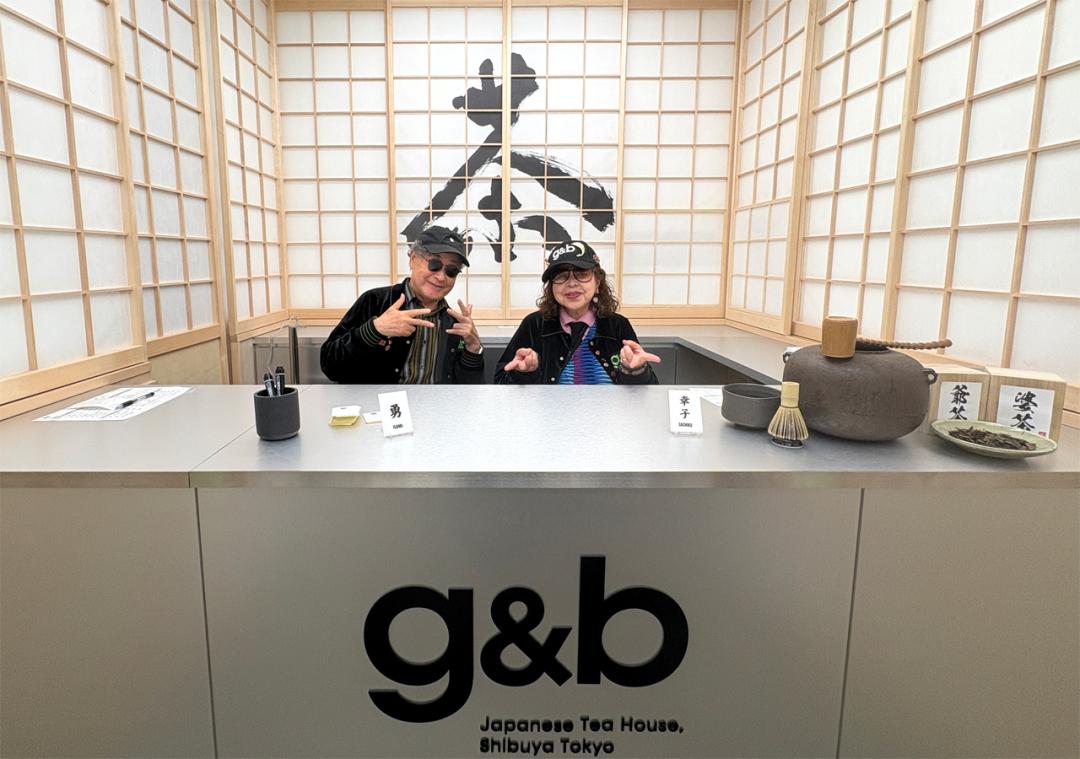
Grandparents dressed in outerwear featuring the "g&b" logo, not "D&G," are striking, each with their own unique style.
Stepping through the noren curtain, you enter a Japanese-style space surrounded by shoji screens. Behind the large counter, two elderly staff members greet you with smiles and signature poses.
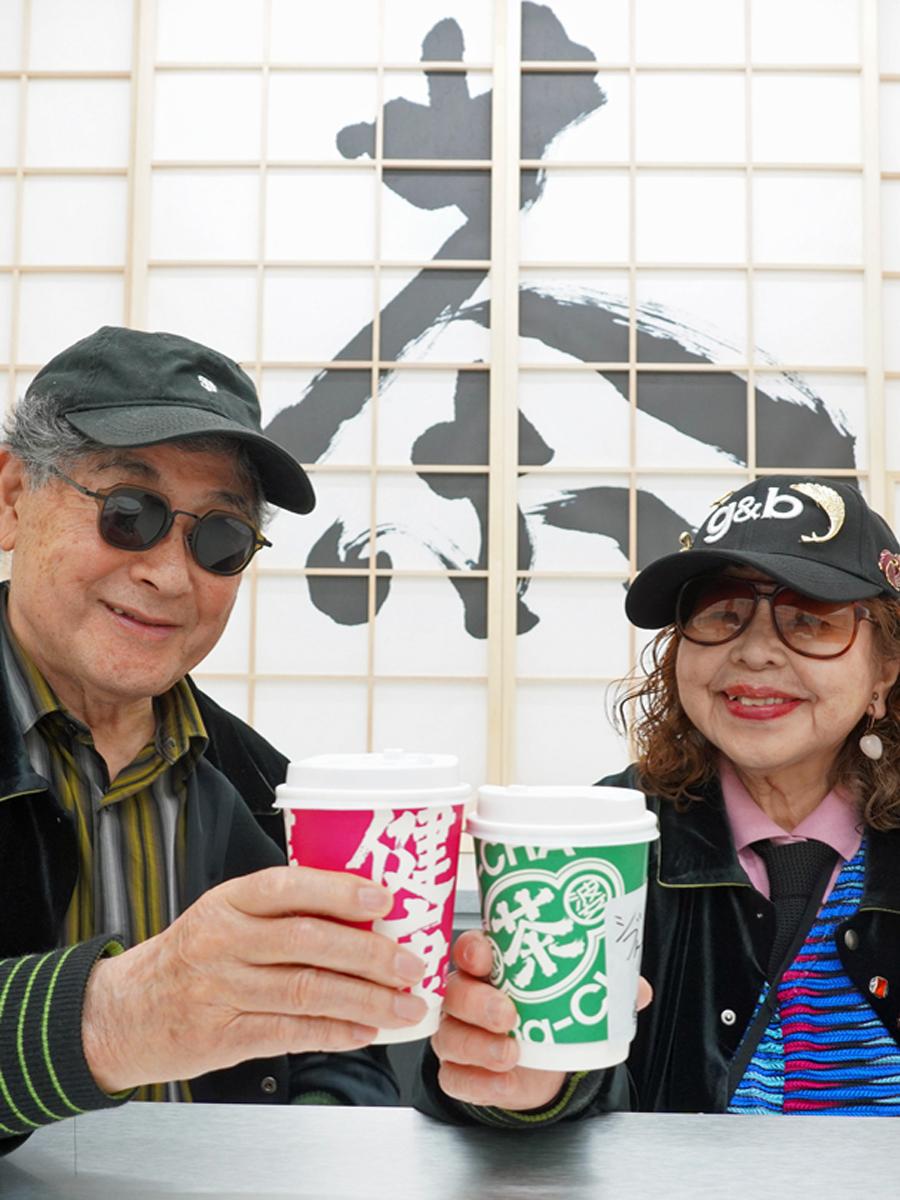
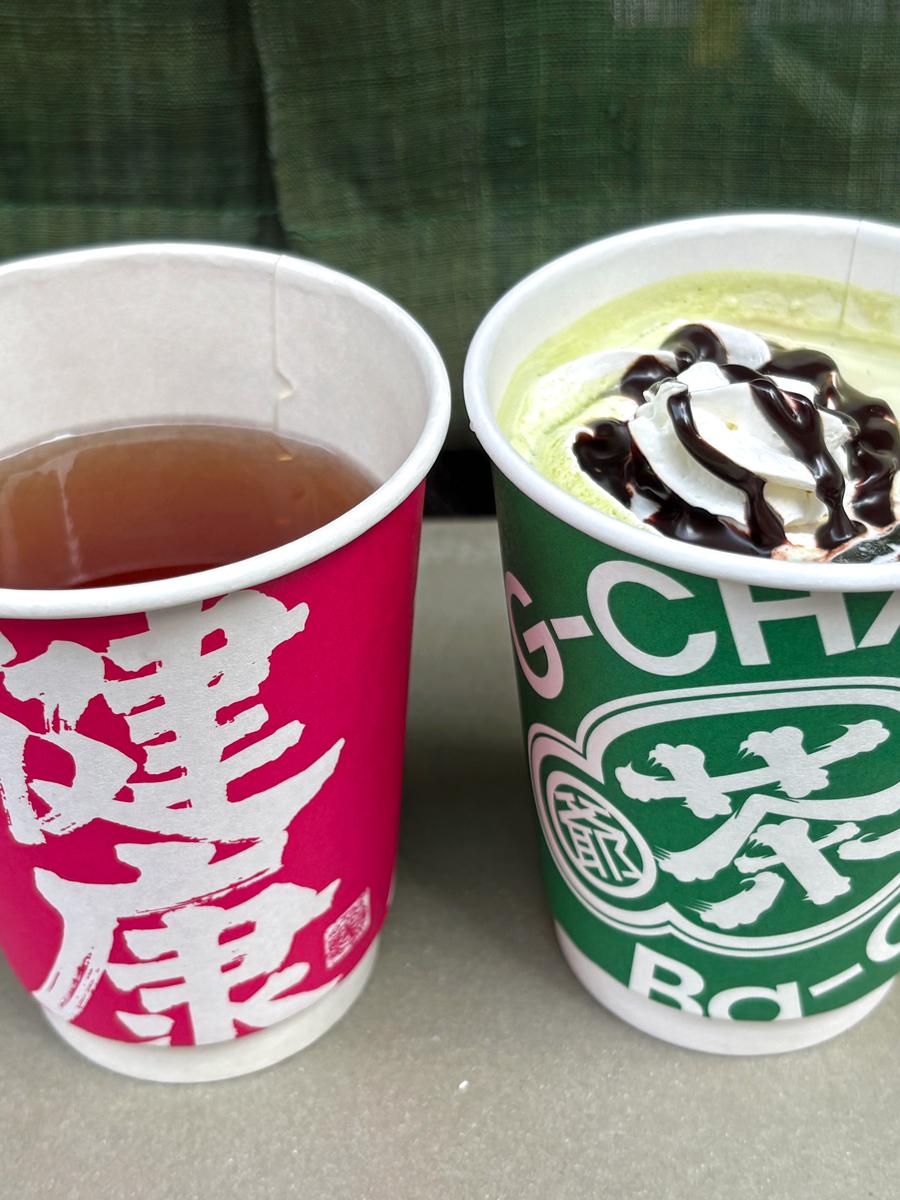
I ordered "Ji-cha (Ginger Hojicha)" (780 yen), served in a pink cup with the word "health" on it, and "Chocolate Matcha Latte" (960 yen), served in a green cup with the word "tea" on it.
Each cup is labeled with a handwritten name of the customer, and as the drinks are handed out, natural conversations about everyday things and hobbies begin. The service is characterized by an emphasis on communication with elderly customers. The shop is filled with the laughter of customers, and has a warm, homey atmosphere unlike that of a typical cafe.
Putting seniors at the forefront in a town known for its youth culture.
This project originated when Tokyu Corporation requested that a store that would "revitalize Shibuya" be created as a way to utilize vacant real estate in the redevelopment area.
Yoshida recalls, "Shibuya has a strong image as a town for young people. I thought it would be interesting to have a shop there where senior citizens could work in a cool way. We had originally wanted to create opportunities for senior citizens to be active within the company, so we combined those two ideas."
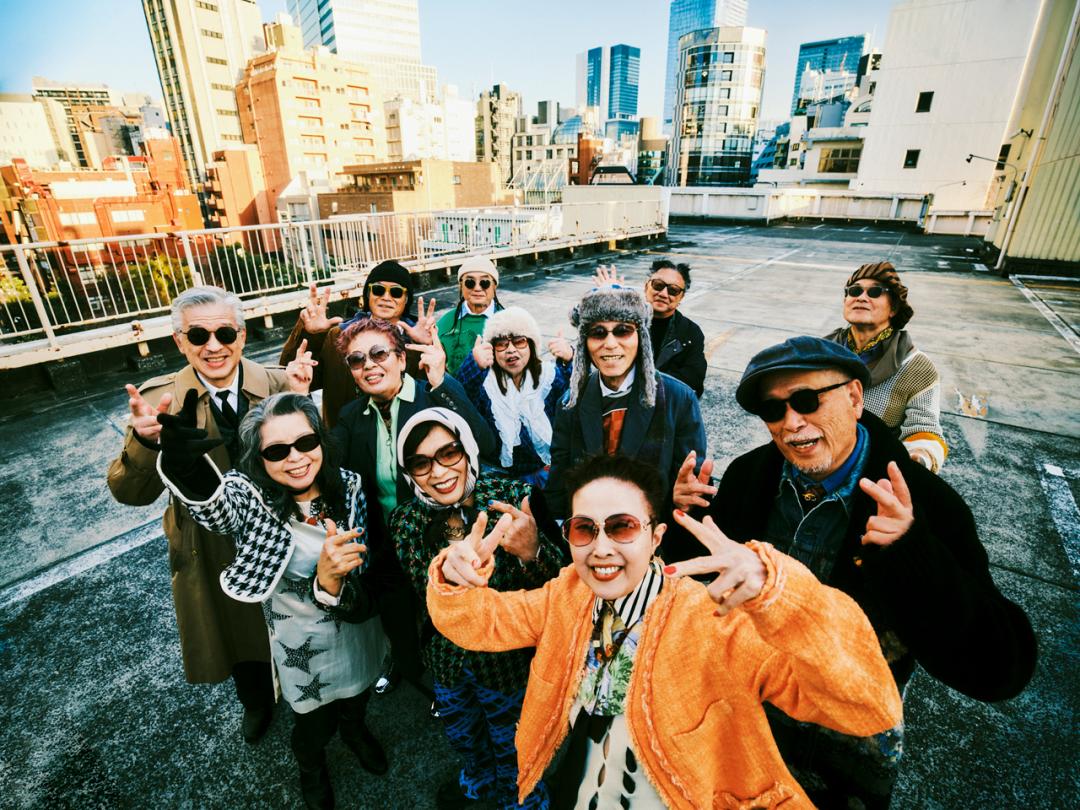
The staff currently consists of about 16 people, ranging in age from their mid-60s to their 80s, with about six people working in shifts each day. Senior staff members handle customer service at the front of the shop, while younger staff members provide support with tasks such as preparing drinks.
Regarding the location in Shibuya, Yoshida said, "I wanted to create a place where younger generations and senior generations could naturally interact. In fact, people are teaching each other how to use smartphones and reminiscing about the past, so communication is definitely happening."
"Take a break when you need to" - A work style that doesn't require overexertion.
The store's distinguishing feature is its creation of an environment where senior citizens can work without undue strain. It operates under three rules: "Take a break when you want to," "Say it immediately if you're tired," and "Work because you enjoy it," introducing a flexible work style that breaks away from traditional work ethics. Measures are taken to reduce physical strain, such as having staff primarily serve customers while seated and using an order sheet system where customers fill out their own orders.
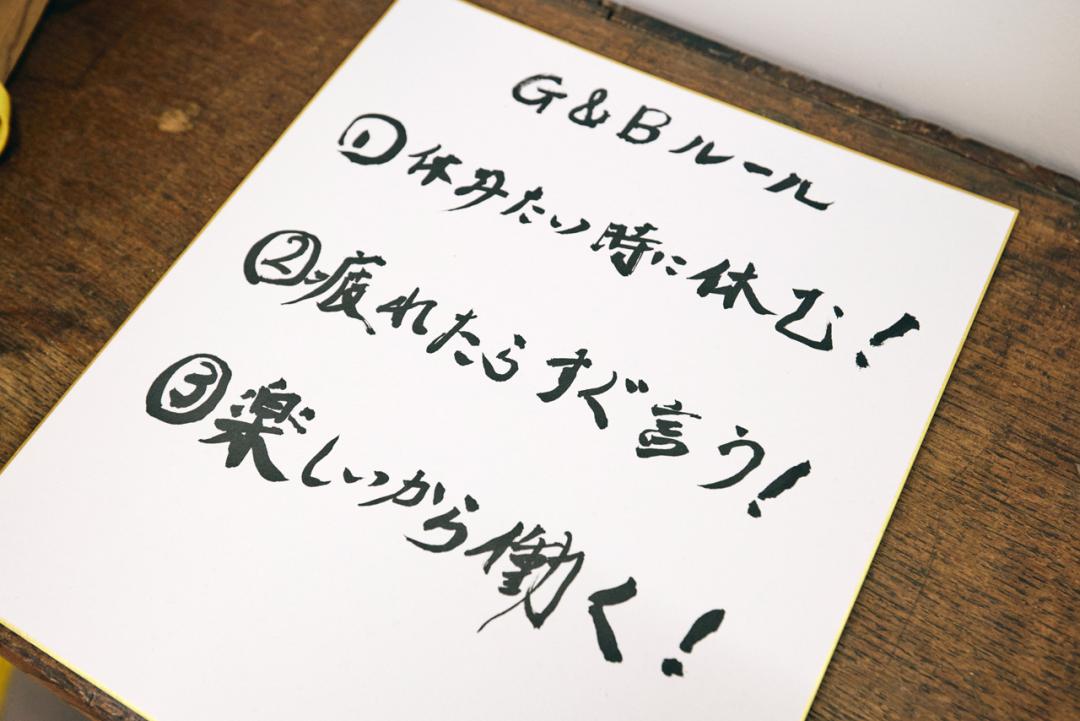
Three rules to create a comfortable working environment for seniors.
"If I'm not feeling well, I don't push myself. I'm flexible in my operations, including closing the shop if necessary," says Yoshida.
Furthermore, they have introduced a "grandchild system" where customers help out when it gets crowded and there are long lines. In exchange for helping to manage the lines, they provide drinks, and this is an attempt to create intergenerational connections, which will be implemented in the future as needed depending on the level of crowding.
"We want to overcome the age barrier"—the aspirations of employees
Sachiko, a 78-year-old staff member working at the store, says, "There are many energetic and active seniors out there, but in Japan, there's a huge age limit barrier." She adds, "Many people want to live healthy and positive lives. I think this is a place where such people can connect with society. I'm also attracted to the fact that communication with young people can take place in Shibuya."
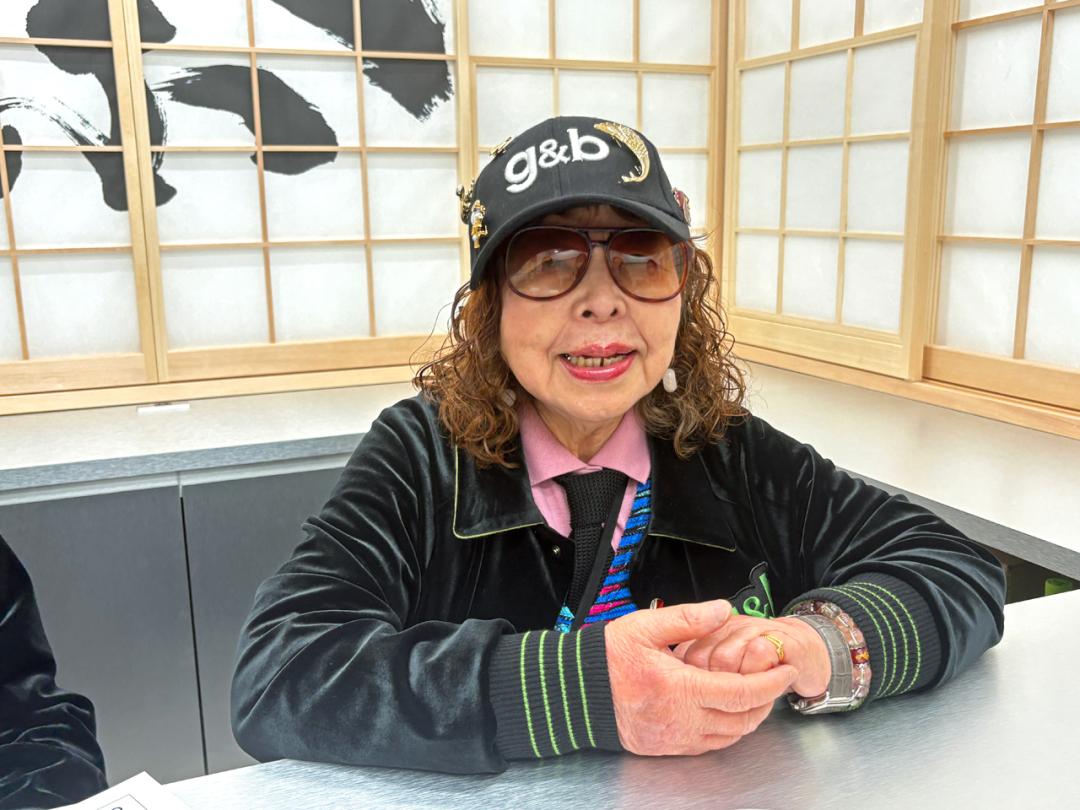
"If everyone can connect with society, it will lead to a sense of purpose in life and extend healthy life expectancy," says 78-year-old Sachiko.
Furthermore, with the rise of nuclear families and a lifestyle centered around smartphones reducing intergenerational contact, "having opportunities to talk face-to-face provides positive stimulation for both sides."
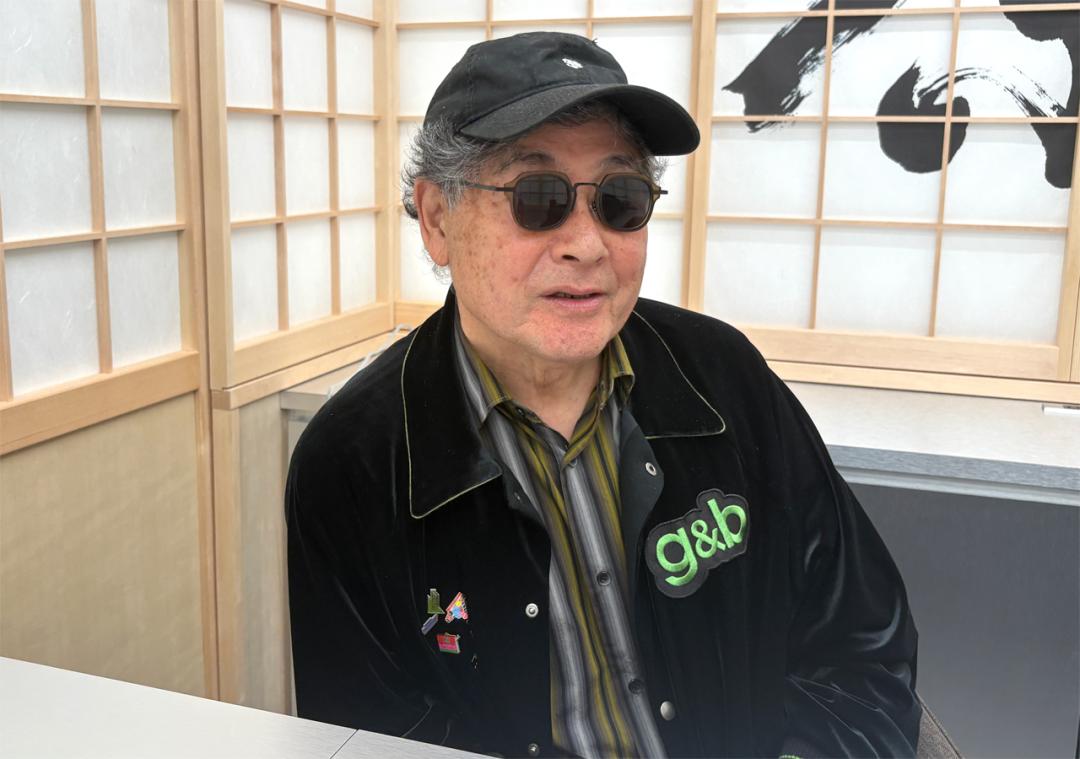
The oldest participant is 80-year-old Yu-san.
Yu said, "What's great about this place is that I can come here without any pressure. Rather than thinking of it as work, I just want to be of some use, even if it's just a little." He added with a smile, "It's really fun when you actually do it. You get to meet young people, and it's a place where there are lots of smiles." Yu has plenty of experience working overseas and is also able to assist foreign customers in English. Laughter filled the store throughout the visit, and customers and staff engaged in natural conversations.
Urban experiments emerging in the "gap" between redevelopment projects
The store is contractually planned to be a temporary store for about 1.5 to 2 years, and may close or be extended depending on the progress of the redevelopment. Yoshida said, "I wanted to create a place where 'youthful spirit' rather than age is valued. I want to create a cycle where both the people who work there and the people who come there can feel energized."
Shibuya is constantly changing due to redevelopment. The small shops that have appeared in the gaps between these changes are not merely a way to create buzz, but also a way to question the way we work and the relationships between generations in the future society. In this city that has been a hub for culture such as fashion and music, "G-CHA & Ba-CHA" proposes a new theme: "the way of working for seniors."
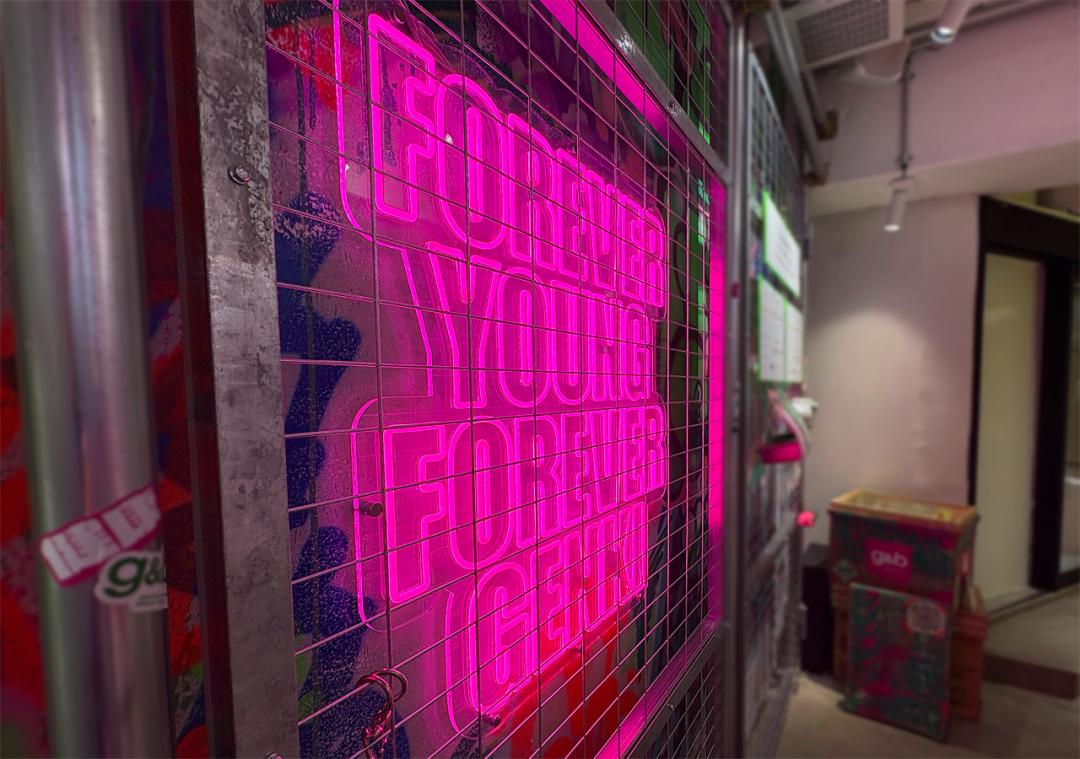
"FOREVER YOUNG FOREVER GENKI" illuminated sign
The slogan is "Youth isn't about age, it's about spirit!" -- Attention is focused on what kind of new landscape this place, where people from different generations and roles come together, will create in Shibuya.
- G-CHA & Ba-CHA
- Address: 1F, 707 Shibuya Building, 1-12-24 Shibuya, Shibuya-ku (2-minute walk from Shibuya Station)
- Business hours: 11:00 AM - 7:00 PM (※Staff may take breaks if they get tired)
*Takeout only shop
*Cashless payment only - official:Instagram
Venue
Editorial Department: Takashi Fujii
Shibuya registrar. In addition to Shibuya of Culture information, seasonal news and topics, it will spell write that feel every day.
Genres within watch
Articles in the same genre

2026-09-17〜
渋谷の肉料理おすすめ5選! 渋谷在勤・かごさんが厳選するお店を紹介
2026-08-27〜
A new hangout spot in Shibuya: ANCR's new cafe lounge, "Nakaniwa."
2026-07-30〜
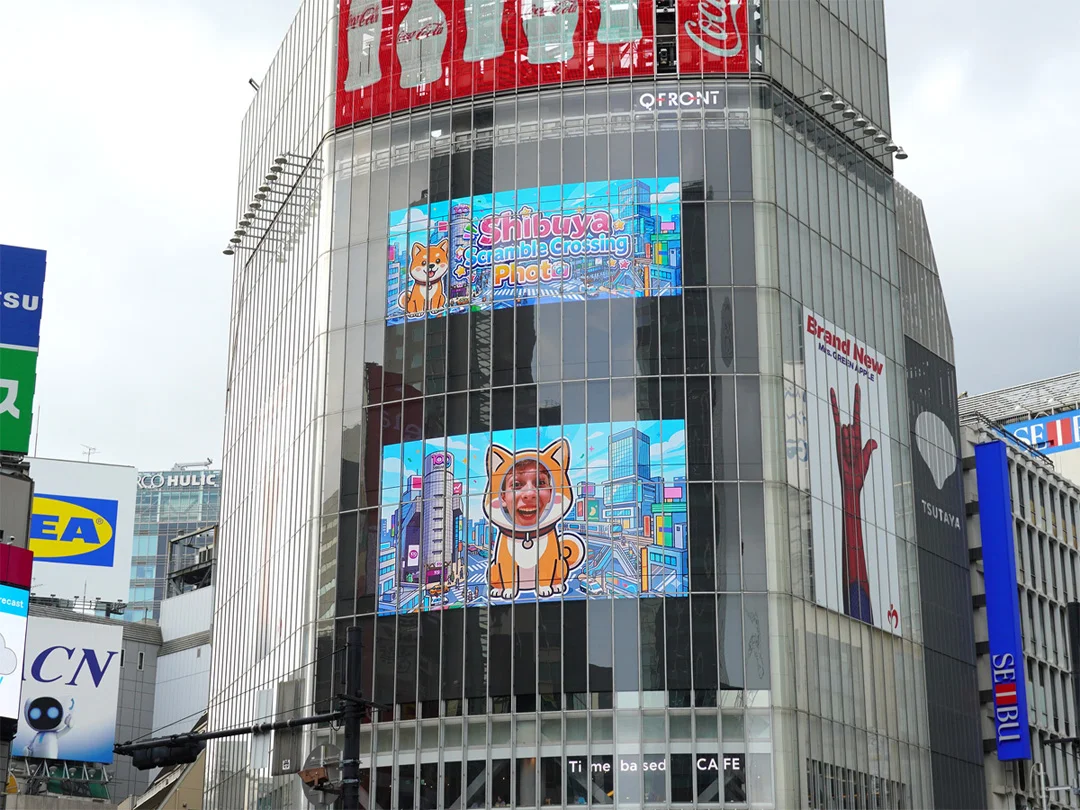
Tokyu Corporation to test new service featuring "tourist faces" on large screens at Shibuya Scramble Crossing, aiming for commercialization in spring 2027.

2026-07-22〜
Top 5 Recommended Curry Restaurants in Shibuya! Selected by Shibuya resident Kago-san.
Featured articles on the site

代々木公園で「九州観光・物産フェア」 九州グルメ約100店、マグロ解体ショーも
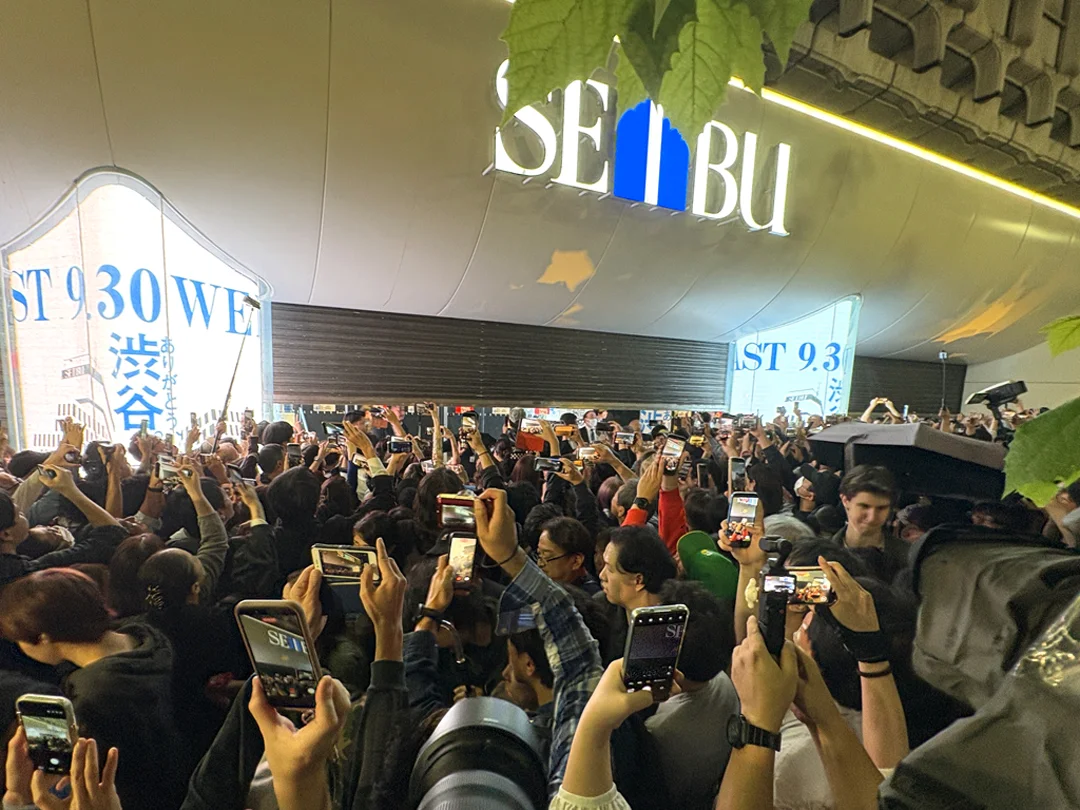
西武渋谷店、58年の歴史に幕 「シブヤ」をつくった百貨店、最後のシャッター

渋谷の肉料理おすすめ5選! 渋谷在勤・かごさんが厳選するお店を紹介