SHIBUY.A. × WATCH

A giant "washing art" piece has appeared along the Shibuya River, created by BAKIBAKI using a high-pressure washer.
SHARE
On November 4th, a large-scale art installation created by artist BAKIBAKI using a high-pressure washer appeared along the Shibuya River near the Inaribashi Plaza, which faces the grand staircase of SHIBUYA STREAM. From November 2nd to 3rd, the artist used the high-pressure washer to wash away the dirt accumulated on the riverside wall, leaving the resulting marks as a pattern.
This project is part of the "18th Shibuya Art Festival 2026 ~SHIBUYA ART SCRAMBLE~," which transforms the entire city of Shibuya into an art stage. It is a collaboration with the "Sen-Den PROJECT" developed by cleaning equipment manufacturer Kärcher Japan, combining cleaning of public spaces with art production.
"Reverse graffiti" is created by removing dirt.
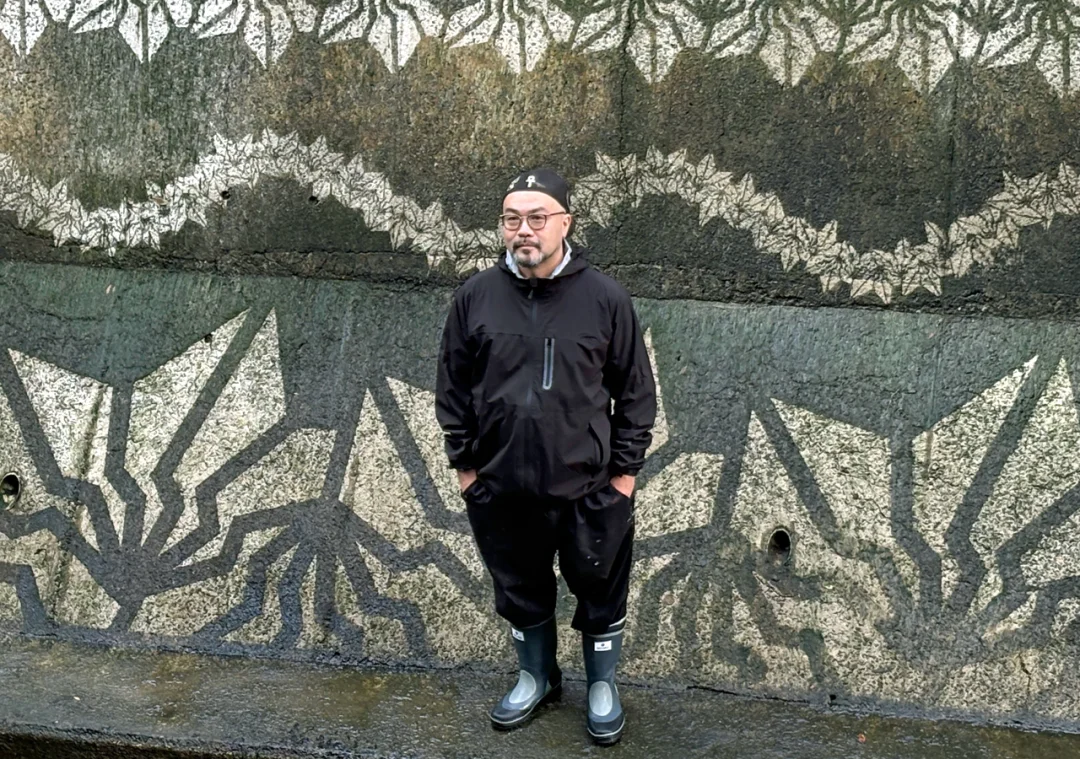
On November 3rd, BAKIBAKI used a high-pressure washer to create geometric patterns on a wall along the Shibuya River.
The artwork utilizes a technique called "reverse graffiti," which involves using high-pressure water to remove dirt from the wall surface without using paint, allowing the design to emerge through variations in shade. Unlike typical murals, it is characterized by its use of the contrast between the areas where dirt has been removed and those where it remains, creating art while making use of the city's landscape.
On November 3rd, at the production site, templates with patterns were placed on the wall along the Shibuya River, and each design was drawn out by spraying water from a high-pressure washer. As years of accumulated dirt were washed away, the wall's original color was revealed, and the geometric patterns emerged.
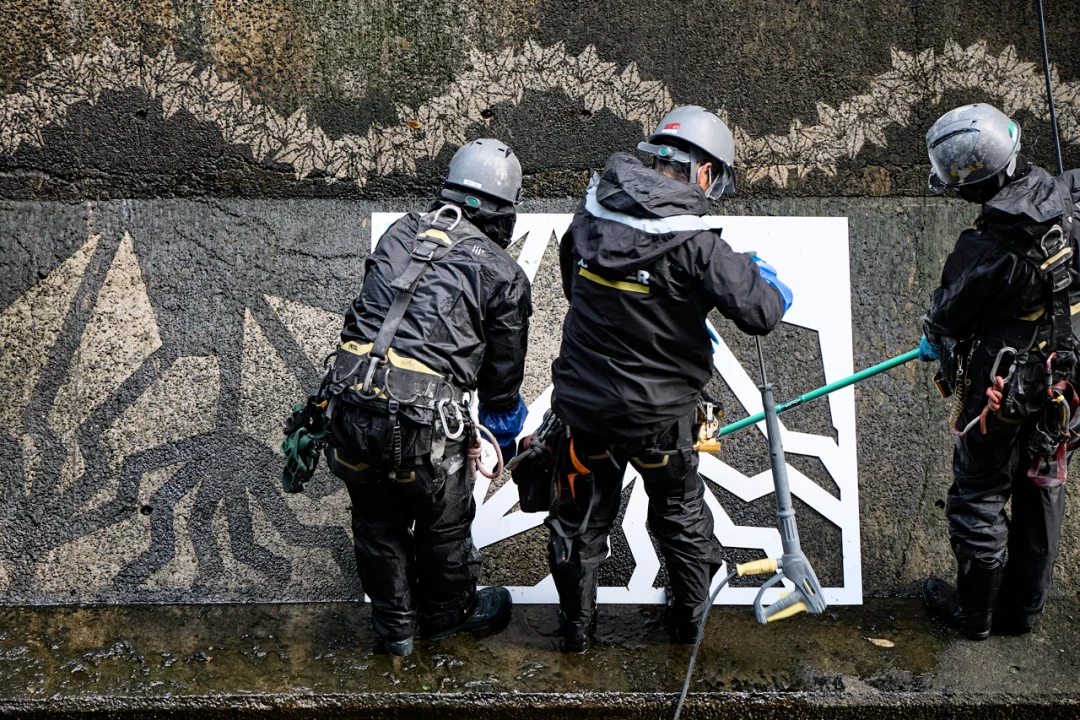
The process involves using a template and high-pressure water to remove dirt from the wall surface.
BAKIBAKI, the artist behind the production, is a contemporary artist from Osaka Prefecture. Known for his geometric patterns called "Baki patterns," which are modern interpretations of traditional Japanese motifs, he has worked on murals and other projects both in Japan and internationally. He created the mural "Lineage of Hope" for the 2025 Osaka-Kansai Expo. In October of this year, he opened "OKUNOMA," an art bar in Juso, Osaka, where art, technology, and craft intersect, further expanding the scope of his activities.
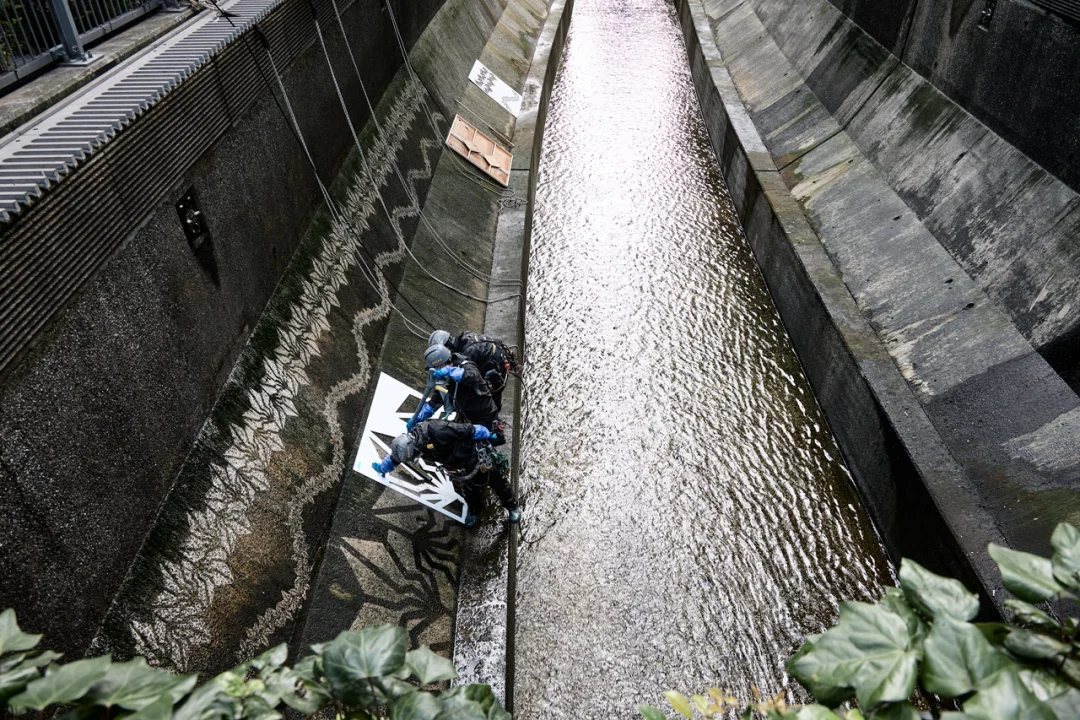
Combining urban cleaning with art to create a new landscape.
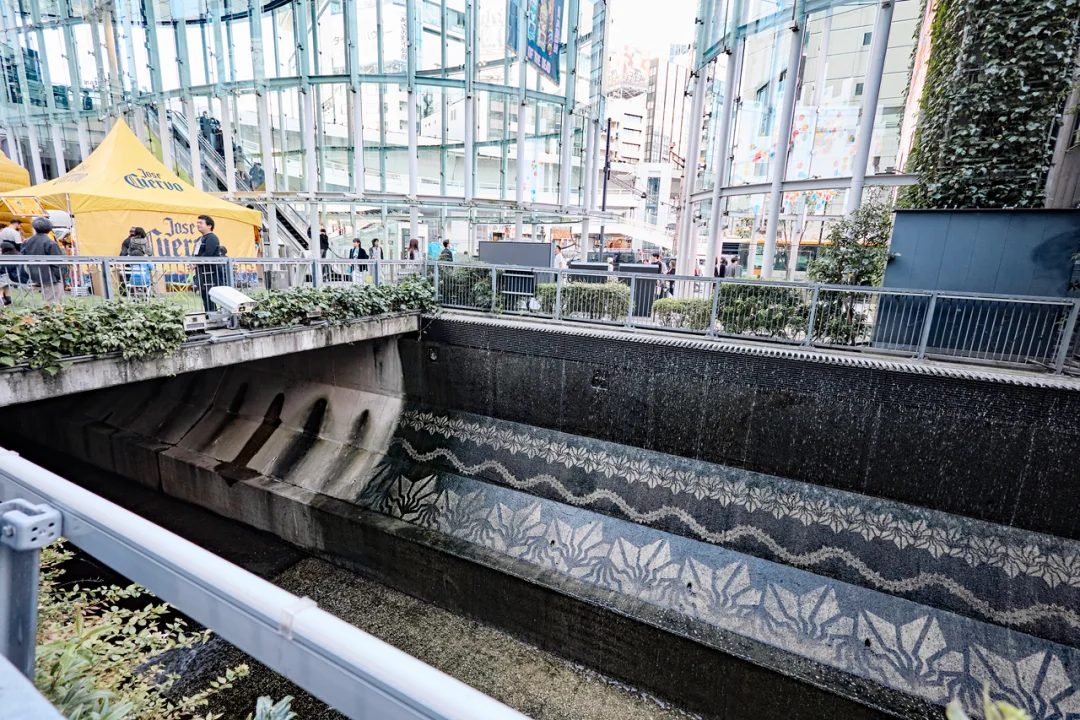
Geometric art pieces appearing on the wall along the Shibuya River.
Kärcher Japan, which planned this initiative, is working on cleaning and restoring historical buildings and other structures around the world. In Japan, they are developing the "Sen-Den PROJECT," which conveys the charm of local areas and culture through cleaning activities. In April of this year, they used a high-pressure washer to create a giant image of a "samurai" on the wall of the Matsuda River Dam in Ashikaga City, Tochigi Prefecture.
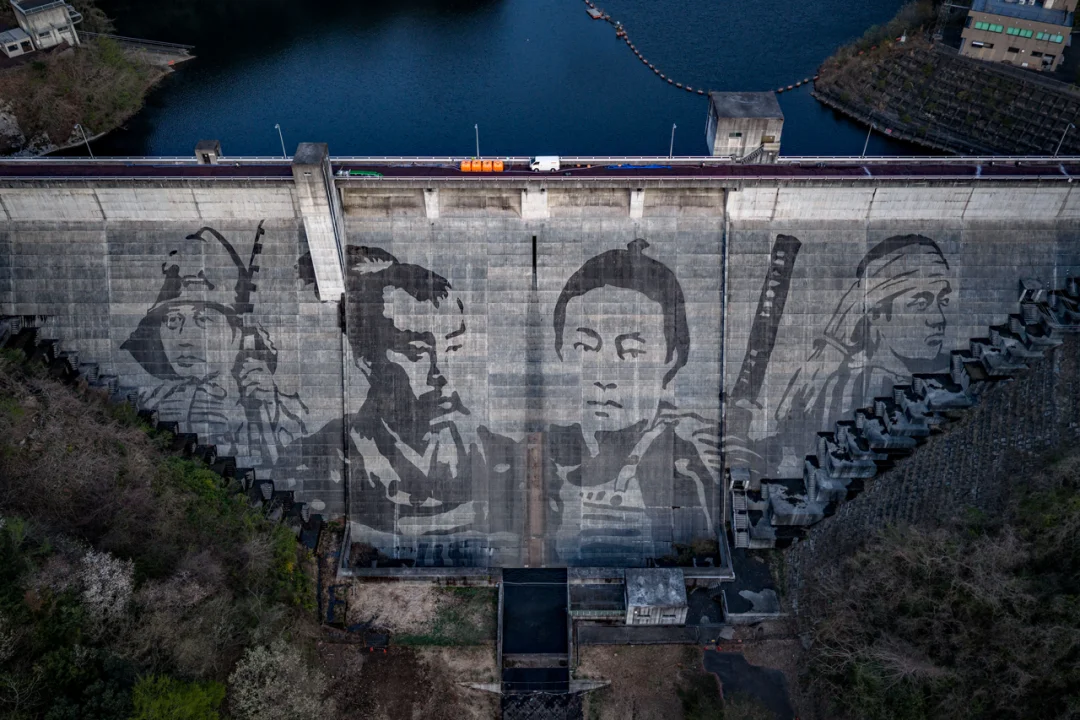
In April 2026, Kärcher implemented the "BRING BACK THE SAMURAI" project to commemorate the 30th anniversary of the Matsuda River Dam in Ashikaga City, completing a giant "samurai" artwork on the dam wall.
The project at Shibuya River is an attempt to utilize a public space where people pass through daily as a stage for art. It aims to achieve both urban beautification and cultural activity by not only cleaning up the city through washing, but also by transforming the process into artistic expression.
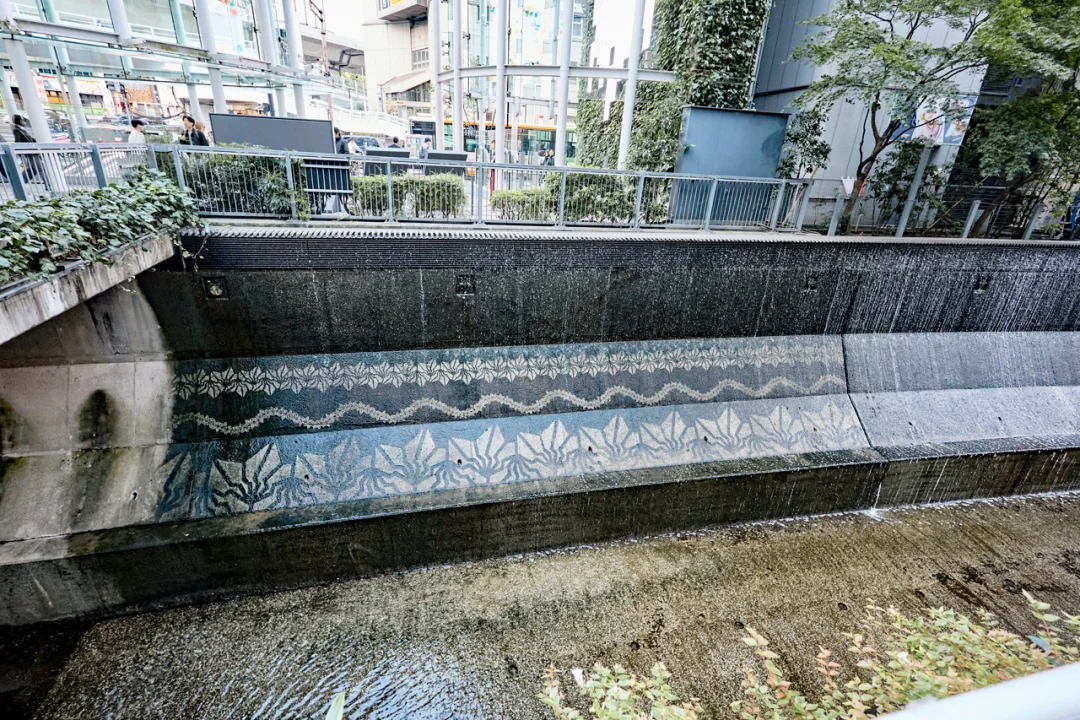
The technique of creating patterns using only water pressure, without the use of paints or chemicals, is also environmentally conscious. Kärcher Japan plans to continue expanding its activities that combine cleaning and art through collaboration with government agencies, local authorities, companies, and educational institutions.
The artwork can be viewed on the wall along the Shibuya River near Inaribashi Plaza in front of SHIBUYA STREAM.
Interview and writing: Takashi Fujii / Photography: Takeshi Otsuru
Venue
Genres within watch
Articles in the same genre
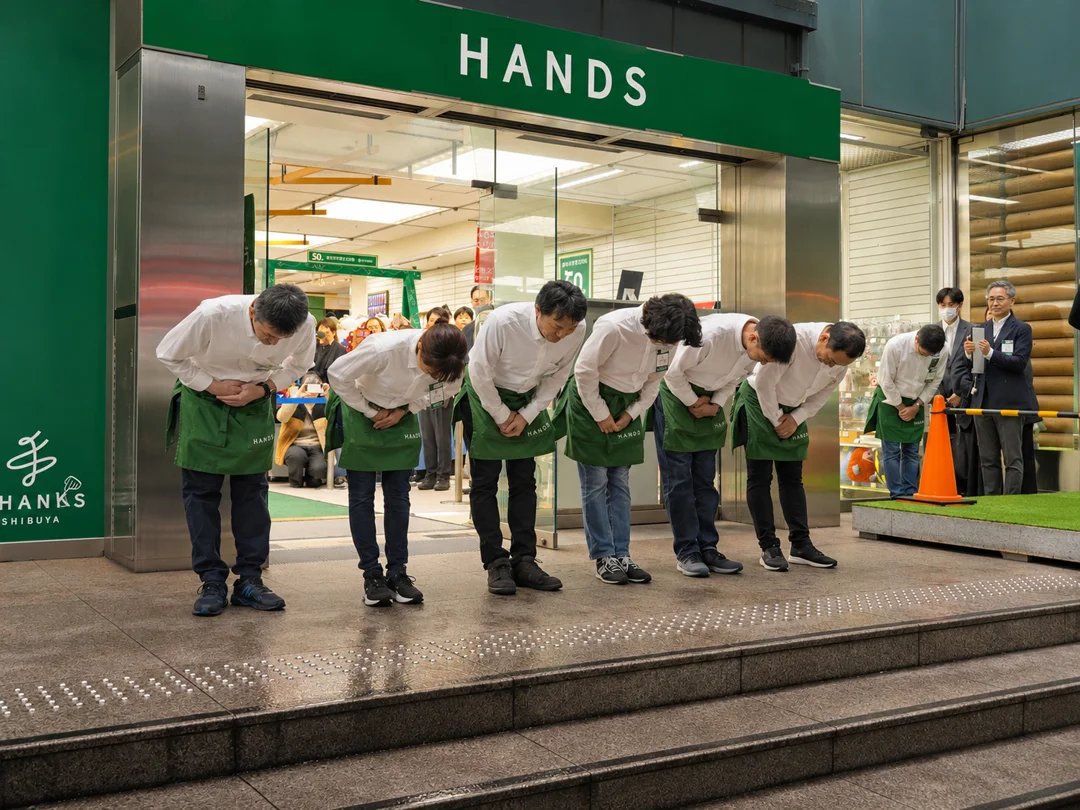
2026-11-15〜
さよなら、渋谷のハンズ。48年の歴史に幕 坂の街に生まれた「創造の迷宮」
2026-11-12〜
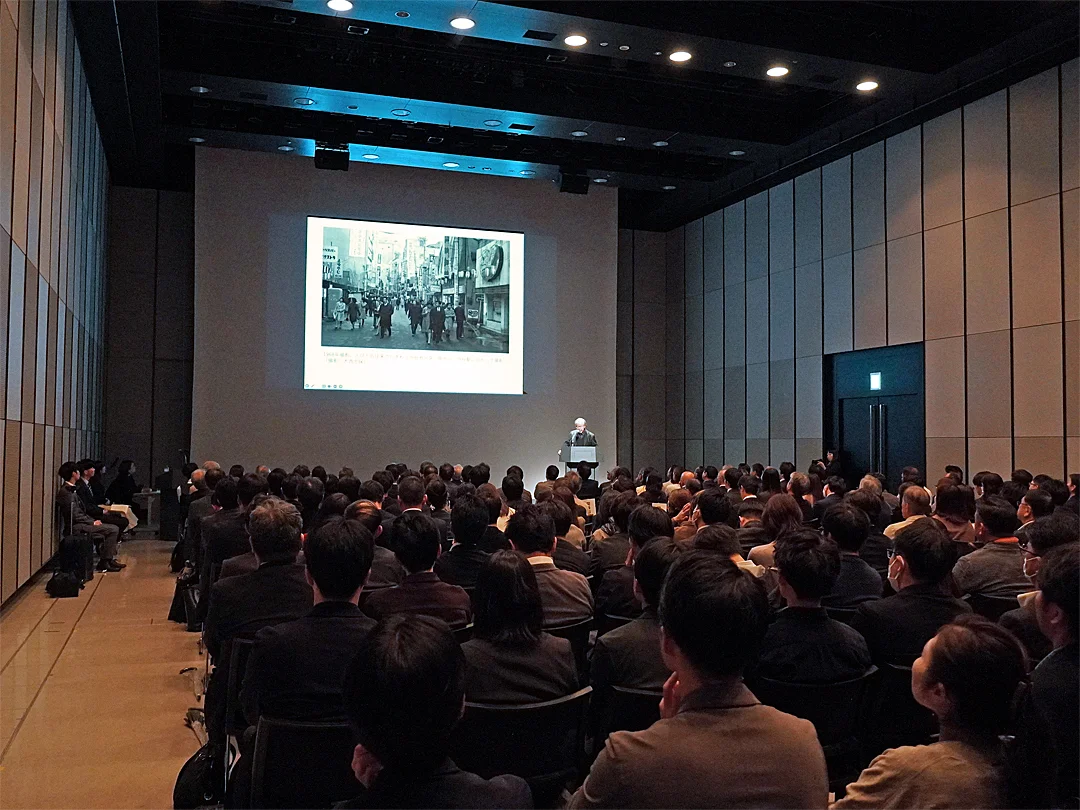
Architect Hiroshi Naito talks about "Memories of Shibuya": Unraveling the city's DNA and future through photographs
2026-11-11〜
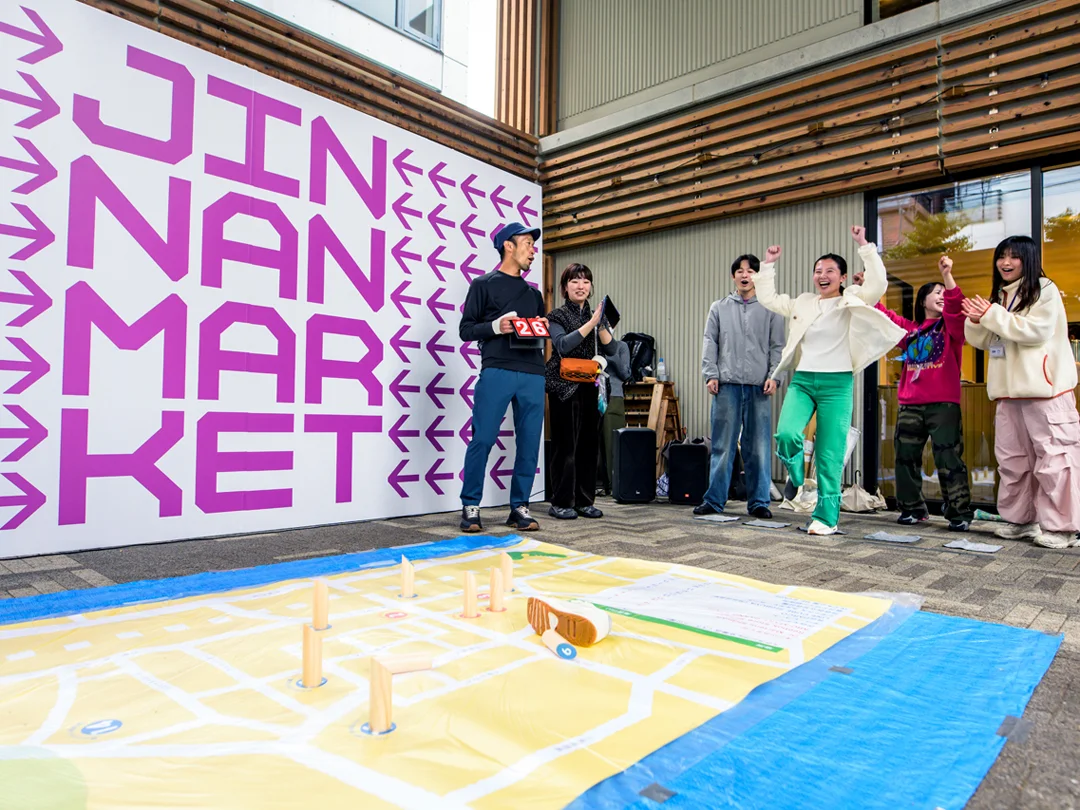
[Report] Three "casual sports" originating from Jinnan, including shoe-throwing, were unveiled for the first time, devised by local adults.
2026-11-04〜
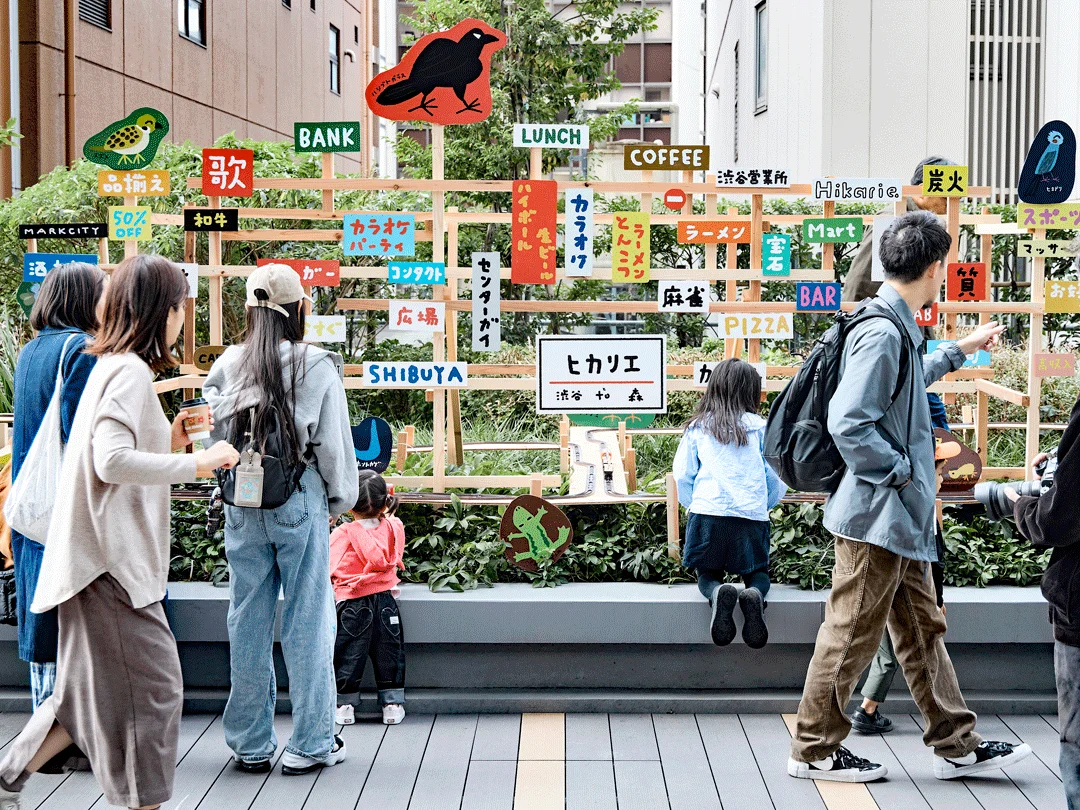
Create "animal keychains" at Shibuya Hikarie Deck: Parents and children can experience the "cycle of life."
Featured articles on the site
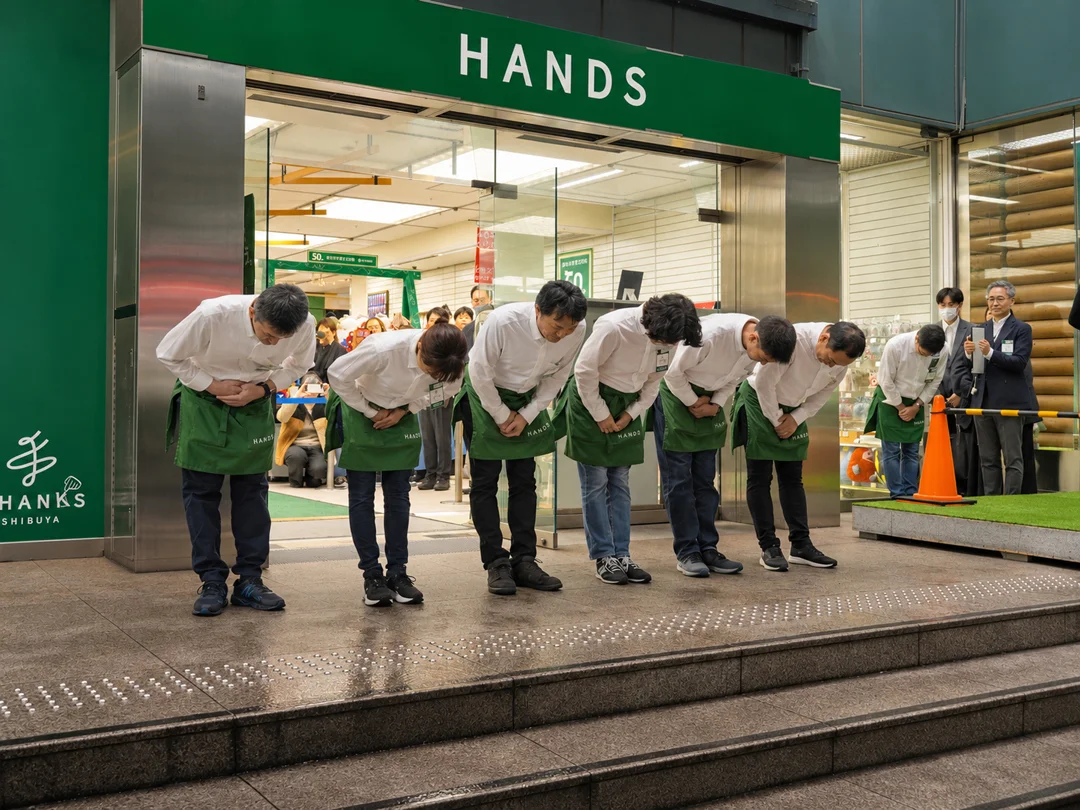
さよなら、渋谷のハンズ。48年の歴史に幕 坂の街に生まれた「創造の迷宮」
Architect Hiroshi Naito talks about "Memories of Shibuya": Unraveling the city's DNA and future through photographs
Making Shibuya Station's East Exit More Enjoyable with Art: Collaboration Between People with Disabilities and Urban Development Members