

SHIBUY.A. × WATCH
![[Business x Public Education: The Future of Shibuya ②] Shibutan is building a city-wide learning ecosystem](https://biz.shibuyabunka.com/storage/images/watch/1777552336_wide.jpg)
[Business x Public Education: The Future of Shibuya ②] Shibutan is building a city-wide learning ecosystem
2026-05-11
SHARE
Shibuya, a city undergoing redevelopment and where diverse talents and values intersect, is currently undergoing a major transformation in its approach to public education. Beyond the confines of schools, diverse adults—including businesses, the community, and parents—are becoming involved in learning, working together with children to shape the future. This two-part series will explore the innovative initiatives taking place in Shibuya's public elementary and junior high schools, showcasing the new possibilities of learning unlocked by "business x public education" and the future vision of Shibuya that lies beyond.
Against the backdrop of societal changes, PTAs, which are organizations where parents and teachers work together for the benefit of children, are said to be shrinking, with fewer people actively participating. In this context, Shibuya Ward has appointed leading business professionals, such as human resources managers and board members of companies, certified public accountants, and entrepreneurship education professionals, as PTA chairpersons and is driving reforms to adapt to the times. Furthermore, they have gone beyond the framework of the PTA and established "Shibutan," a general incorporated association that supports public education, and are working with the same passion as they do in their main jobs.
What motivated them was a drastic educational reform by Shibuya Ward, which cut class time by 10% and dedicated that time to "inquiry-based learning." Volunteer activities that support the community and public education, including PTA activities, may seem unrelated to business at first glance, but they say they will be of great importance in the age of AI. We were given a glimpse behind the scenes of their efforts to connect education and business in order to grow Shibuya into a unique city in the world 20 years from now.
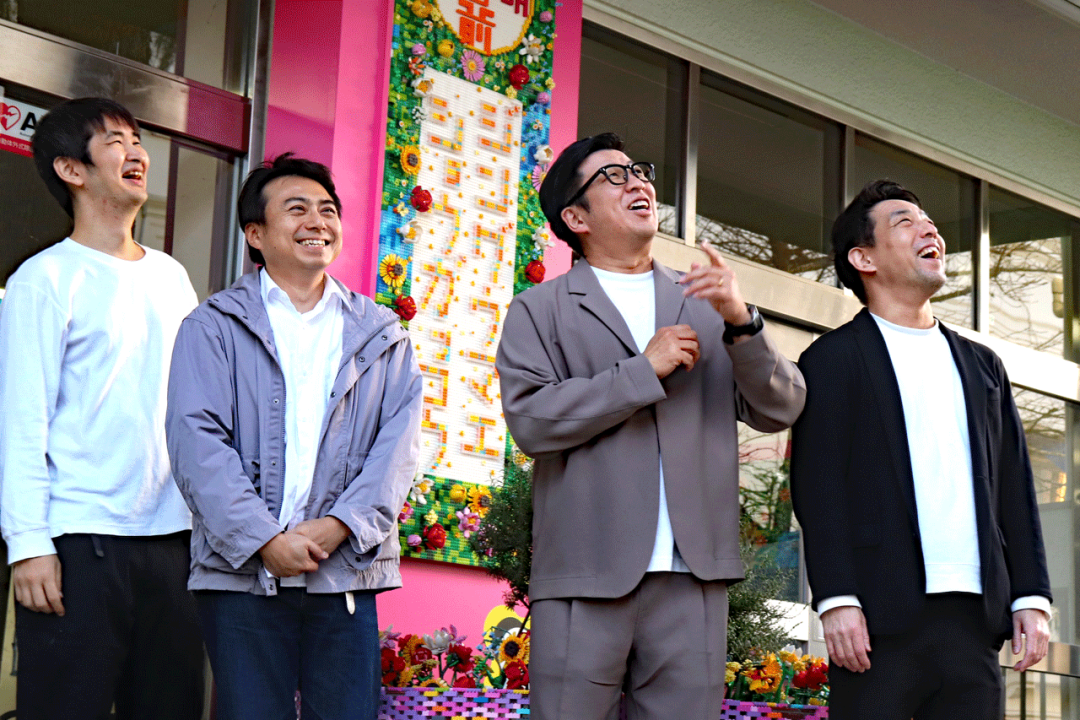
When they start talking, they're constantly smiling, and you can tell they're close friends.
What started as "just greetings" turned into a discussion about the very essence of education.
For a leading business person living in Shibuya, the reason he became seriously involved in "public education" was surprisingly a familiar invitation. With many families being busy, the shortage of people willing to serve as PTA president is a problem not only in Shibuya but throughout Japan. When someone looking for the next year's PTA president approached Yusuke Yamada, the representative director of Shibutan, saying, "The president's job is just to give speeches at the entrance ceremony, graduation ceremony, and sports day," he hesitated for a while before accepting, thinking, "If it's just giving speeches..." However, in reality, he found himself overwhelmed with many tasks from April onwards. "When I started, I realized I had to work at full throttle..." Yamada recalls. Similarly, Shibutan directors Toshio Kitamura and Kensuke Sasaki, and auditor Satoshi Ikeda also took on the role of PTA president after being told, "There's no burden."
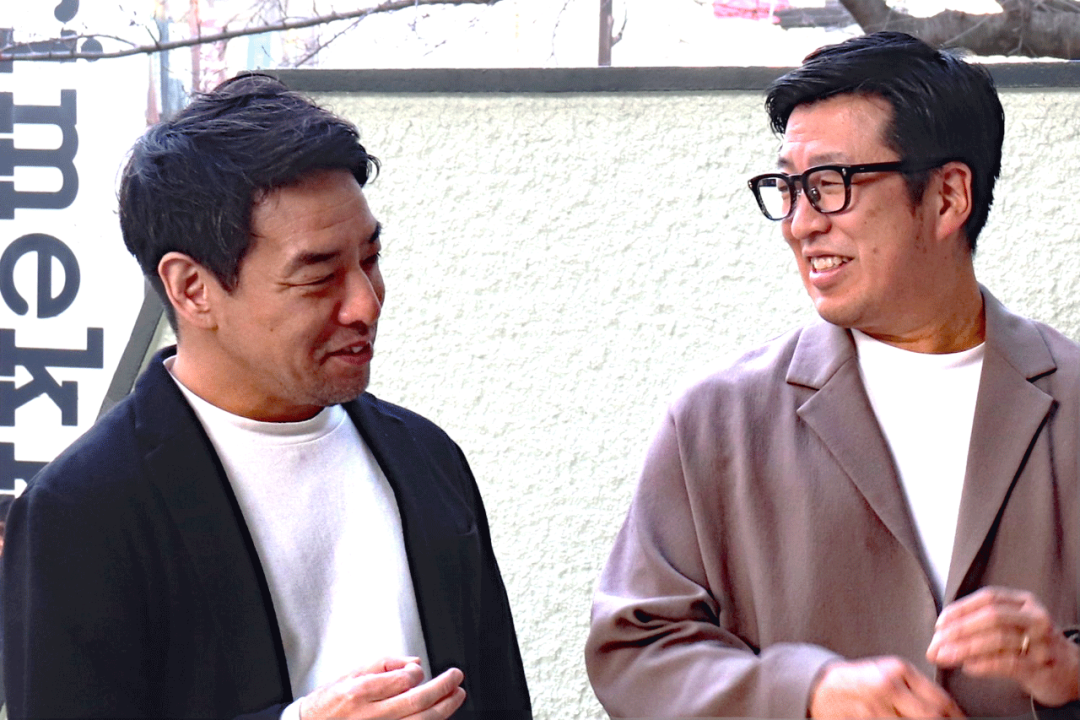
(Right) Yusuke Yamada. Representative Director of Shibutan. He has previously served as the head of human resources at a foreign-owned company and as the head of human resources at a major domestic beverage manufacturer. He is currently the head of organizational and human resource development and human resources at a private company. He is the father of two children, one in elementary school and one in high school, and served as the chairman of the PTA of an elementary school in Shibuya Ward for six years, including three of those years as the chairman of the Elementary School PTA Federation. His skills have earned him the nickname "Legend."
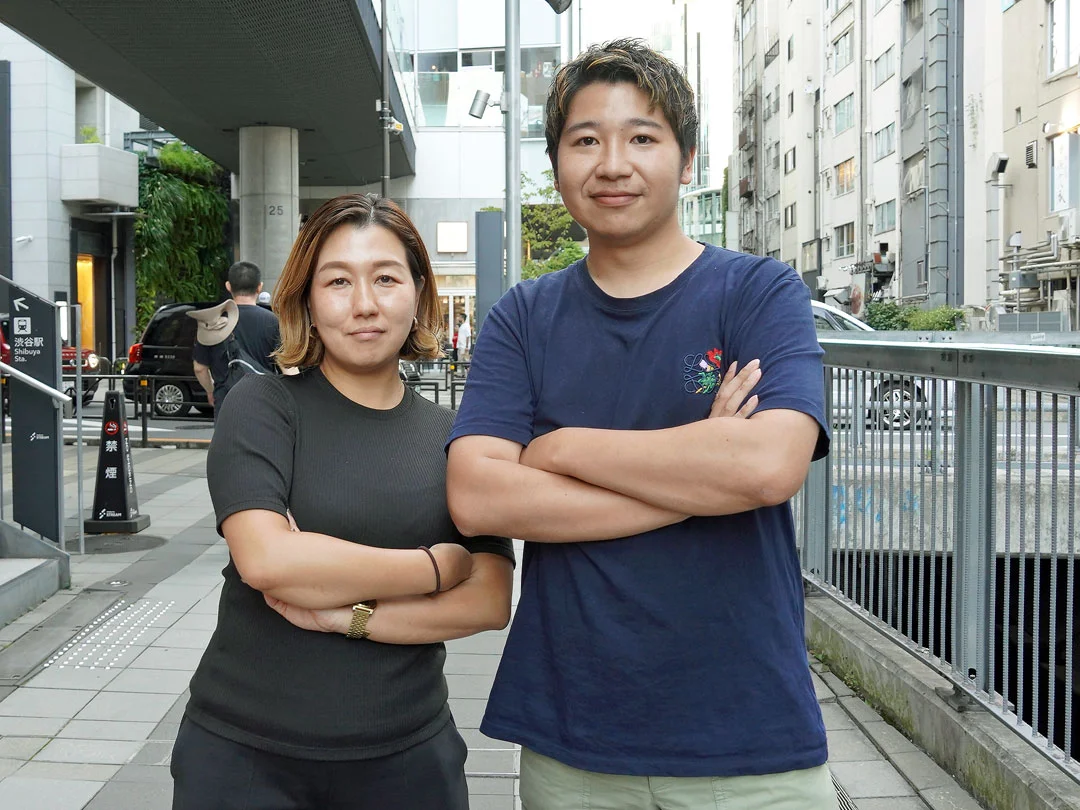
(Left) Toshio Kitamura. Board member of Shibutan. He currently serves as a director of a cosmetics company and has previously worked for a pharmaceutical company and a government-backed fund. He is the father of two children, one in elementary school and one in middle school, and in addition to being the chairman of the elementary school PTA, he succeeded Mr. Yamada as chairman of the Elementary School PTA Federation.
What all four had in common was a "concern about education." Sasaki said, "Through my work, I've heard from young entrepreneurs that education hasn't changed at all. When my child actually started elementary school, I was surprised to find that nothing had changed since my time." To learn more about the situation, she began actively participating in school events and PTA activities. Kitamura, who has experience working for a government-backed fund, added, "I felt that education is the most important thing for a brighter future for Japan."
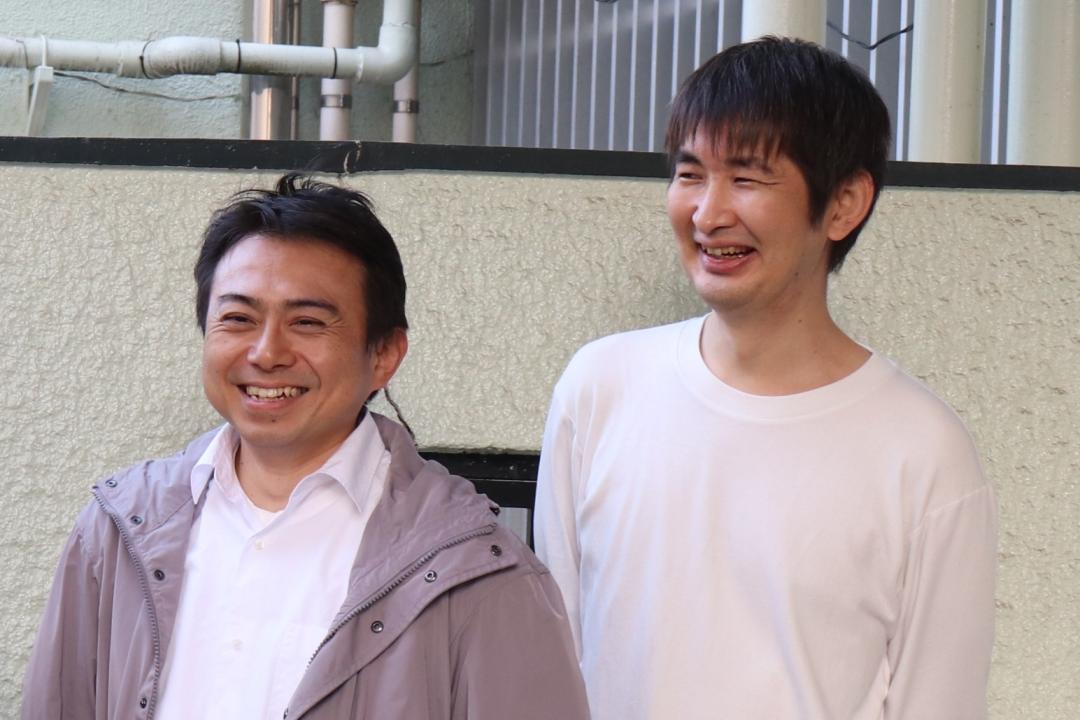
(Left) Kensuke Sasaki. Board member of Shibutan. His main work is entrepreneurship education and developing future leaders, creating environments and providing programs for young people. He is a father of elementary and junior high school students, and was invited by a parent he knew through work to serve as the elementary school PTA president for six years, even though he had only intended to quit after two years.
(Right) Satoshi Ikeda. Auditor at Shibutan. Runs an accounting firm as a certified public accountant. Before becoming independent, he was involved in company formation and real estate investment at his firm. He was asked to become the PTA chairman of an elementary school after coaching mini-basketball for elementary school students. Father of two elementary school children.
It was during the time when these individuals met and were working together in a federation of PTA chairpersons in Shibuya Ward, that the Shibuya Ward Board of Education announced a bold policy. Starting the following year, class time would be reduced by 10%, and that time would be allocated to the inquiry-based learning program "Shibuya Future Studies." At the meeting, many questions were raised regarding this decision, and there were times when the meeting could not proceed at all.
At the time, Ms. Yamada, who was the president of the PTA federation, the top position among PTA presidents, directly inquired about the background of this policy with the Board of Education. As a result, she became convinced that "this initiative will be a catalyst for changing education in Japan." "When I was in charge of human resources at a foreign company, I felt that Japanese people couldn't compete in situations where the world's best talent gathered. It wasn't because of English ability, but rather because of their thinking and experience. I thought that inquiry-based learning, and the Shibuya Future Studies program, could break through that barrier," said Ms. Yamada.
On the other hand, establishing inquiry-based learning within public education is not easy. There were many other municipalities that were struggling with this. So Yamada thought, "We want to make this initiative a success by filling in the missing pieces," and reached out to colleagues with whom he had worked to build an ecosystem where the entire city of Shibuya would become a field of learning. Supporters gathered one after another, and with education experts such as Hiroshi Suzuki, former Vice Minister of Education, Culture, Sports, Science and Technology, and Yoshihiro Kaneko, Vice President of Tokyo Gakugei University, joining as advisors, the Shibutan system was put in place and launched.
Learning from children what AI cannot do, and the future beyond.
Shibutan is the behind-the-scenes force supporting the ambitious "Shibuya Future Studies" inquiry-based learning project. Working in collaboration with the Shibuya Ward Board of Education, they are dedicated to building a learning ecosystem that transcends the boundaries of schools, communities, and businesses. A symbolic example is the presence of "Fellows (Coordinators)" stationed in each elementary and junior high school. These members, gathered through the network of PTA chairpersons, listen to the needs of the schools and act as a bridge between cooperating companies, organizations, and educators. This also helps to reduce the burden on teachers on the ground and contributes to improving the quality of learning. At the "Inquiry Festival" (hereinafter referred to as "Inquiry Fest"), the culmination event of "Shibuya Future Studies" inquiry-based learning held once a year, Shibutan supports the operation and sets up booths for many companies and organizations. In particular, the "Experience Exchange Zone" provides a place for children to experience cutting-edge technology and knowledge and deepen their learning. It also provides teachers who visit the booths with an opportunity to broaden their contact with external parties such as companies and organizations.
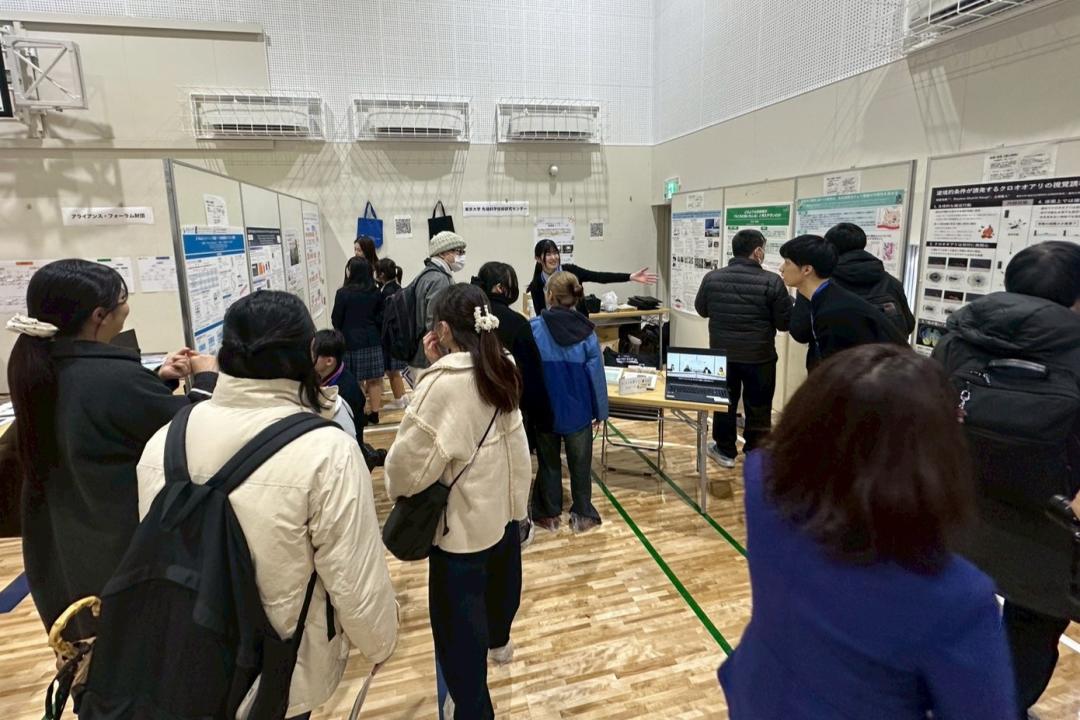
Furthermore, the "Junior Board" initiative, in which children act as "stakeholders" to influence society, is also a distinctive feature. Children gathered from elementary and junior high schools in Shibuya Ward take the lead in inquiry-based activities as the children's version of Shibutan's executive committee. At the "Inquiry Festival," under the question, "How can we make the festival even more exciting?", they produced an opening movie and planned a stamp rally. Their ability to identify problems themselves and forge their own fields of inquiry truly gives the impression of future leaders.
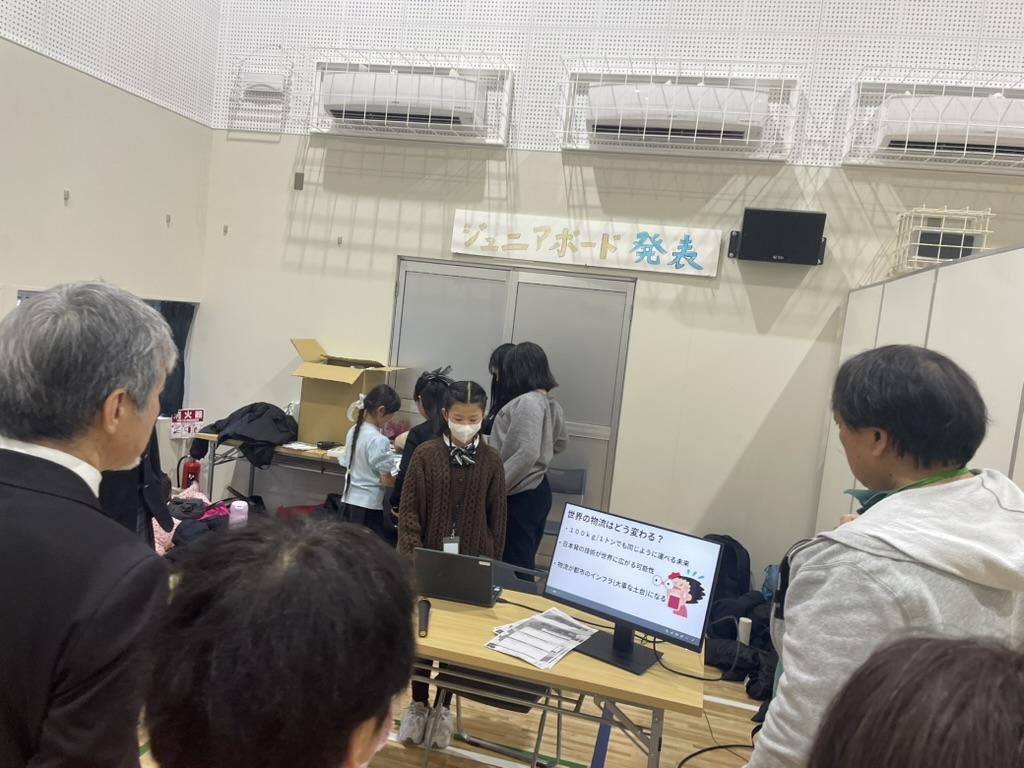
At the Inquiry Festival, Shibutan also had a booth in the "Experience and Exchange Booth" area, where members of the Junior Board gave presentations.
The discoveries adults make in these settings are immeasurable. Sasaki was shocked by something a middle school student said at a research presentation. In the middle of a logical explanation, the student said, "We can leave this kind of thing to AI, right? From here on, I'll explain from a subjective perspective," and began to talk about what they felt. Sasaki said he was surprised that the student thought, "In business, logically structured content is what makes it persuasive, but students can just ask AI about that, so it's meaningless." He recalls, "Hearing directly what these children, who are at the forefront of the times, are feeling was quite impactful." Through co-creation with children, adults are exposed to diverse values that break down their preconceived notions, and their ability to "see things from a different angle" is honed. It is also an opportunity to improve communication skills and problem-solving abilities that cannot be experienced in organizations where homogeneous people gather.
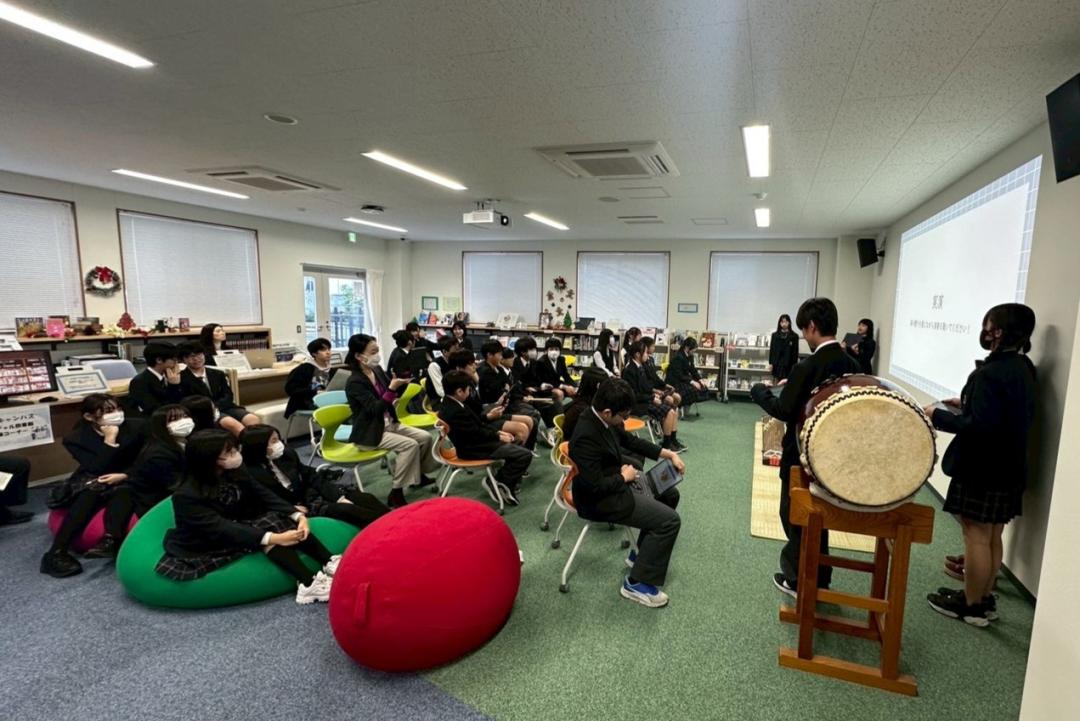
A scene from a presentation at the research festival. After the presentation, it's also an important time to listen to questions and feedback and engage in dialogue.
Shibutan's activities offer adults a chance to "relearn" themselves. Instead of a hierarchical structure, they find themselves in a community that respects each other and acts autonomously—a kind of "DAO (Decentralized Autonomous Organization)"—where they can pursue their own goals while respecting one another. Yamada explains, "When you belong to an organization, you inevitably become selfish, chasing profits. Adding opportunities to think altruistically through social activities helps maintain balance." He adds that these experiences also contribute to improved well-being. What goes "for the children" ultimately benefits oneself.
Through supporting this kind of inquiry-based learning, the very act of bringing together diverse adults—parents, community members, and businesses—will transform the previously closed "school" into an open space for co-creation, representing a major transformation. As inquiry-based learning is promoted, schools are evolving into new "learning spaces" where children and adults learn from each other.
Why are business professionals cultivating "public education" now?
Ikeda has been mindful of the phrase "education is a plan for the nation's future" since his university days. "Depending on the way education is conducted, a country can either improve or deteriorate. I feel that we are currently at the forefront of this," he says. If "Shibuya Future Studies" gets on track and becomes a normal style of learning within public education, it may eventually bring about a major change in Japan. Sasaki, who has been involved in entrepreneurship training, also expresses his hopes, saying, "I've heard that education doesn't change easily, but in Shibuya Ward, the mayor and the board of education are trying to change it themselves. If we can create a success story here, it will spread to other municipalities."
Furthermore, the expansion of inquiry-based learning activities could also influence how companies recruit talent. Ikeda predicts, "Collaboration with elementary and junior high school students can build up a company's talent pipeline. Also, if each individual's personality can be made visible through inquiry-based learning activities, the mismatch of recruits who don't fit the company culture after only a few interviews and application forms should be eliminated. The traditional model of mass recruitment of new graduates may collapse." Children who have gained experience in formulating their own questions and driving projects are thought to have already acquired the skills that are in demand in society. It can be said that a foundation for nurturing independent individuals is being created within public education, without the need to spend a great deal of money on training talent after they join a company.
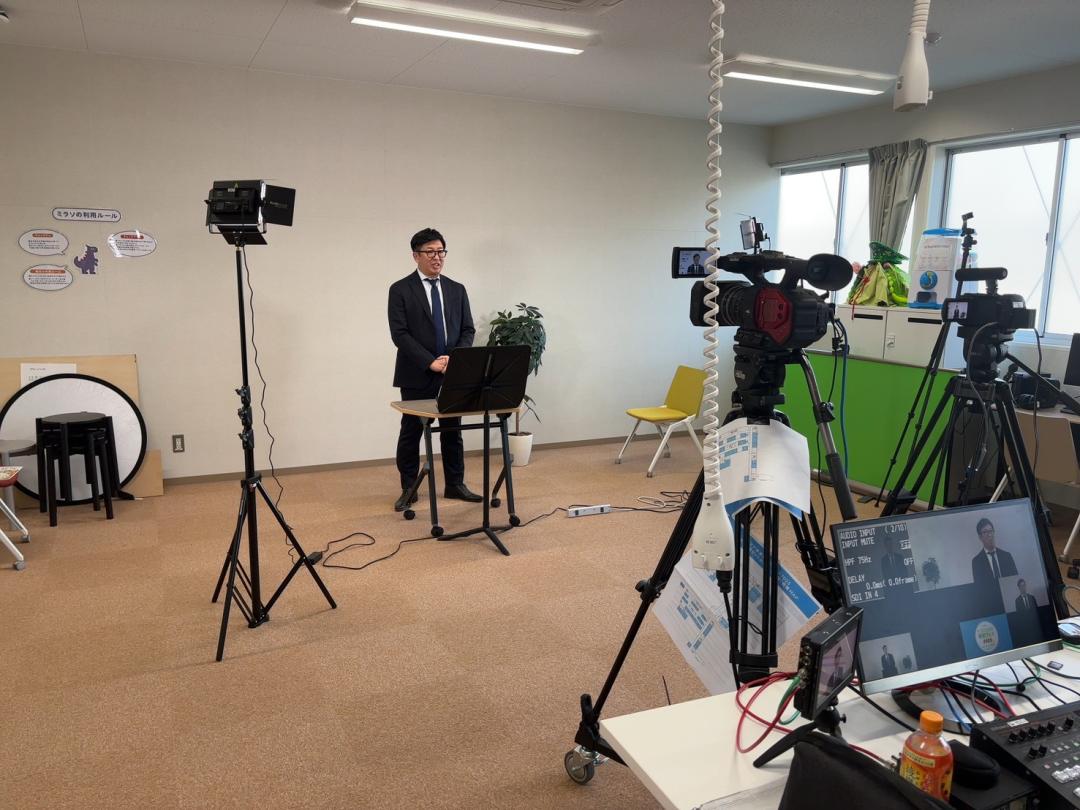
At the research festival, Yamada also spoke to the participants.
On the other hand, for companies and organizations, the short-term results related to public education may be difficult to see. However, children who are exposed to a company's aspirations and activities in their early years may, 10 years later, knock on the door themselves, saying, "I want to make the company I worked with back then even better." Or, there may be an increase in young people with a strong entrepreneurial spirit and a wealth of "inquirers" who freely pursue the solutions to the questions they themselves have posed. "Shibuya has a strong image as a city at the forefront of culture, but in the future, it will become a world center that is also at the forefront of business, like Silicon Valley. I am confident that the children of Shibuya will create such a city." Everyone nodded in agreement with Kitamura's words.

Haruka Furukawa (tannely)
Lived in Shibuya Ward for about 20 years. She also works as a writer for women's magazines, childcare magazines, etc. I would like to share information from the perspective of a mom living in Shibuya.
Genres within watch
Articles in the same genre
![[Business x Public Education: The Future of Shibuya ①] The Challenge of "Future Co-creation Space," a Hub for Co-creation Between Adults and Children](https://biz.shibuyabunka.com/storage/images/watch//1777286265.png)
2026-05-11〜
[Business x Public Education: The Future of Shibuya ①] The Challenge of "Future Co-creation Space," a Hub for Co-creation Between Adults and Children
2025-03-31〜
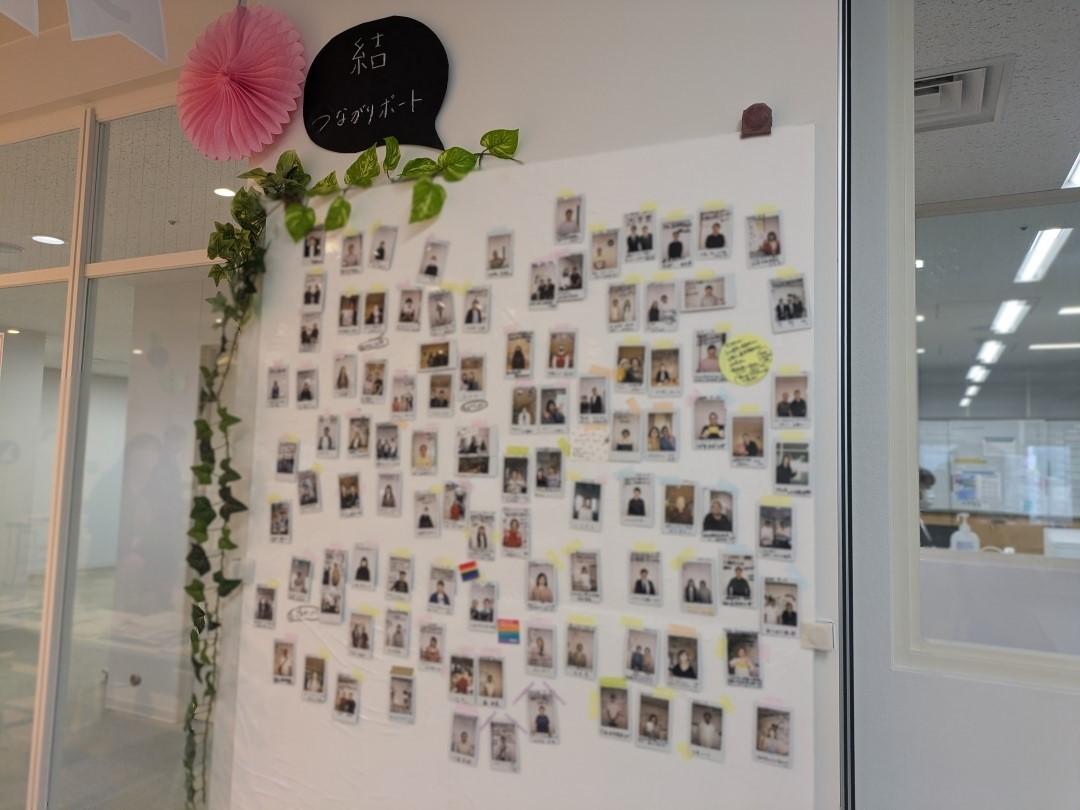
Everyone is affected! Yui Shibuya becomes a catalyst for connecting with "welfare"
Featured articles on the site
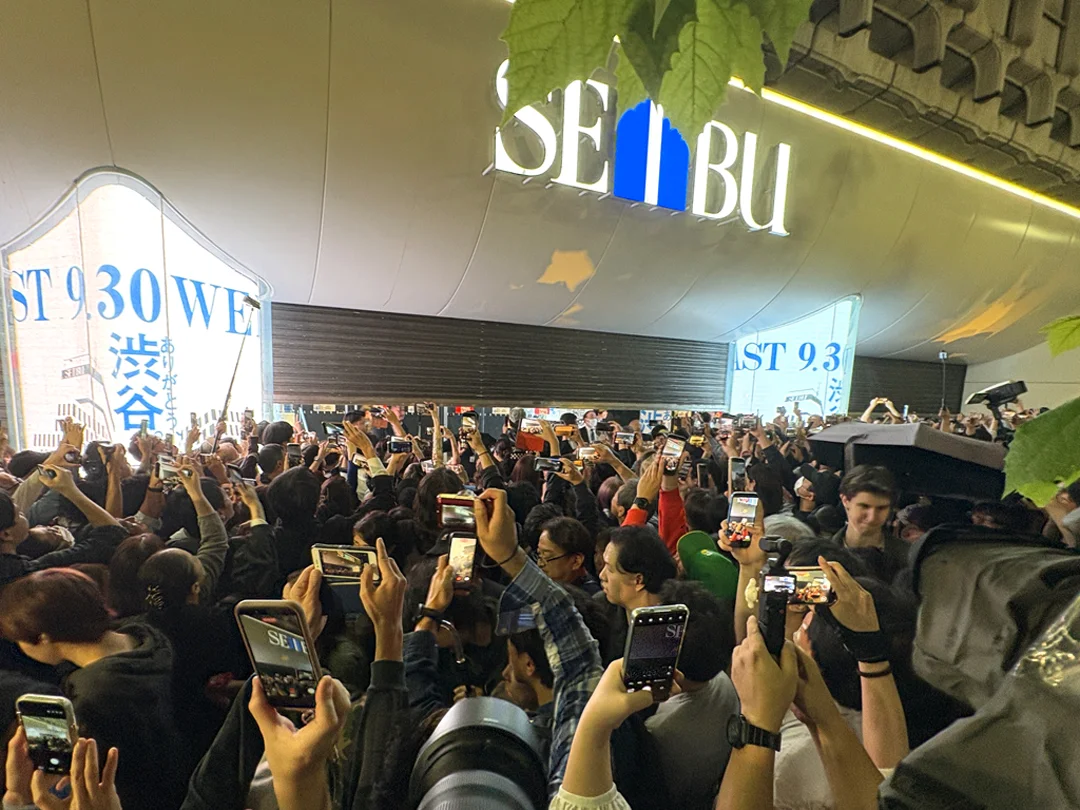
西武渋谷店、58年の歴史に幕 「シブヤ」をつくった百貨店、最後のシャッター

渋谷の肉料理おすすめ5選! 渋谷在勤・かごさんが厳選するお店を紹介
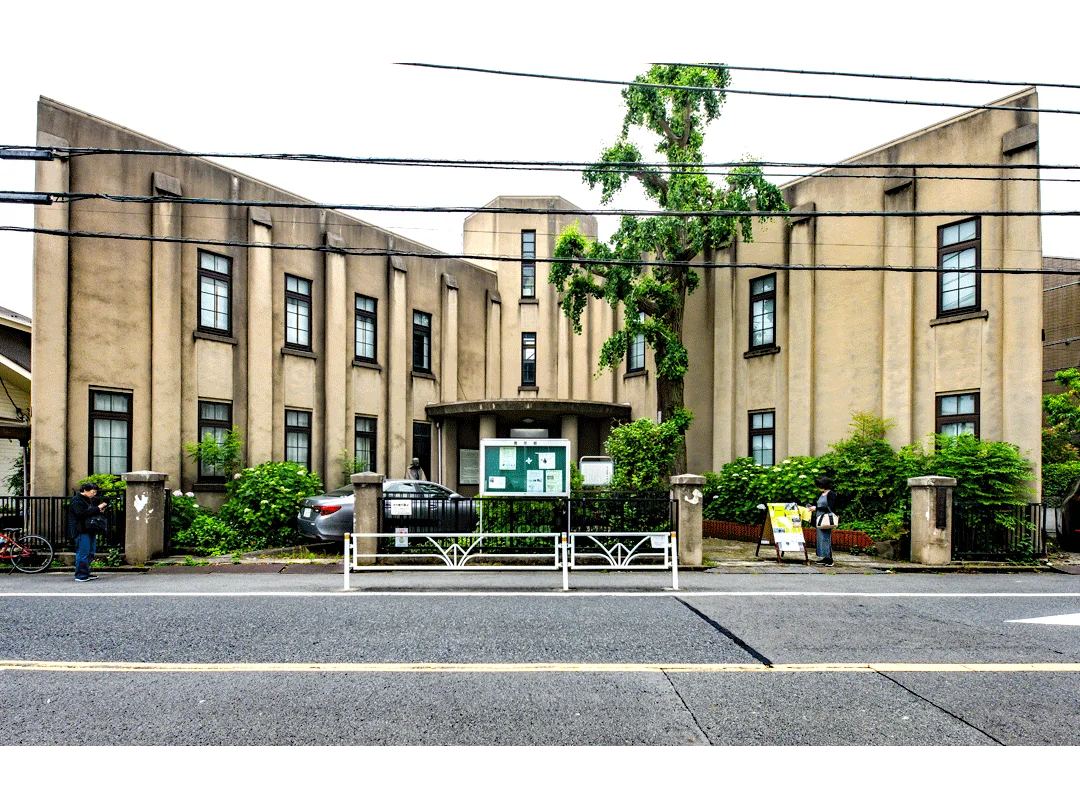
[Shibuya Scenery Records Vol. 2] The "Onko Gakkai Kaikan" continues to preserve the legacy of blind scholar Hanawa Hokiichi