


SHIBUY.A. × WATCH
![[Shibuya Scenery Records Vol. 2] The "Onko Gakkai Kaikan" continues to preserve the legacy of blind scholar Hanawa Hokiichi](https://biz.shibuyabunka.com/storage/images/watch/1787122067_wide.webp)
[Shibuya Scenery Records Vol. 2] The "Onko Gakkai Kaikan" continues to preserve the legacy of blind scholar Hanawa Hokiichi
2026-09-02
SHARE
Shibuya is often called a "city that is constantly changing." But it's not just the newly emerging landscapes that shape this city. The buildings, mixed-use buildings, slopes, signs, and back alleys that have been familiar for many years—these are where people's memories, activities, and Shibuya's unique culture have accumulated. In "Shibuya Landscape Records," we will document Shibuya's cultural landscape, paying attention not only to the changing face of the city amidst redevelopment, but also to the landscapes that have remained.
- Building name: Onko Gakkai Kaikan (Hanawa Hokiichi Historical Museum)
- Location: 2-9-1 Higashi, Shibuya-ku
- Completion year: 1927
- Design: Shimizu Corporation (now Shimizu Construction Co., Ltd.)
- Construction: Shimizu Gumi (currently Shimizu Corporation)
- Structural type: Reinforced concrete, 2 stories (partially 3 stories)
- Building area: 187㎡
- Other: Registered Tangible Cultural Property (Building)
This edition of the landscape journal features the "Onko Gakkai Kaikan" (Onko Society Hall). It stands in a quiet residential area on a hill between Ebisu Station and Shibuya Station, adjacent to Kokugakuin University and Hikawa Shrine. The building was constructed to preserve the woodblocks of works such as the "Gunsho Ruiju" (Collection of Classified Books), compiled by Hanawa Hokiichi, a blind scholar from the Edo period, and to pass on his legacy to future generations.
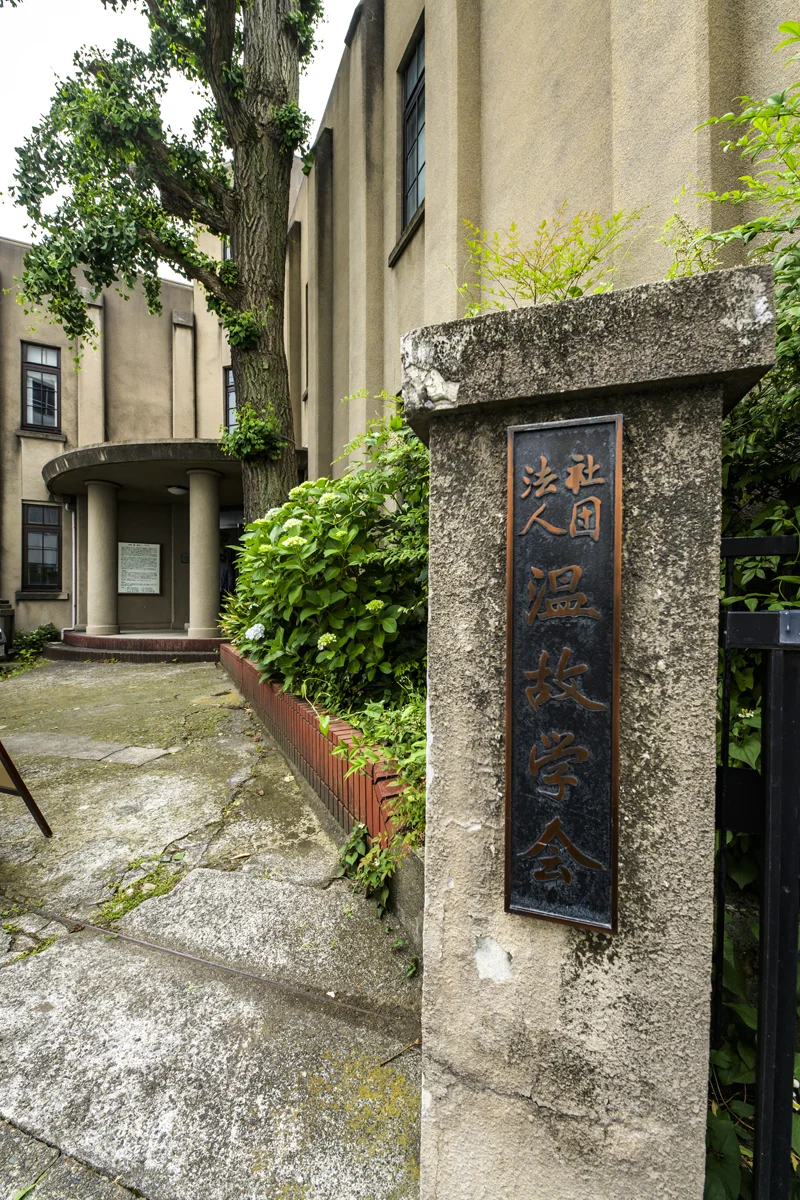
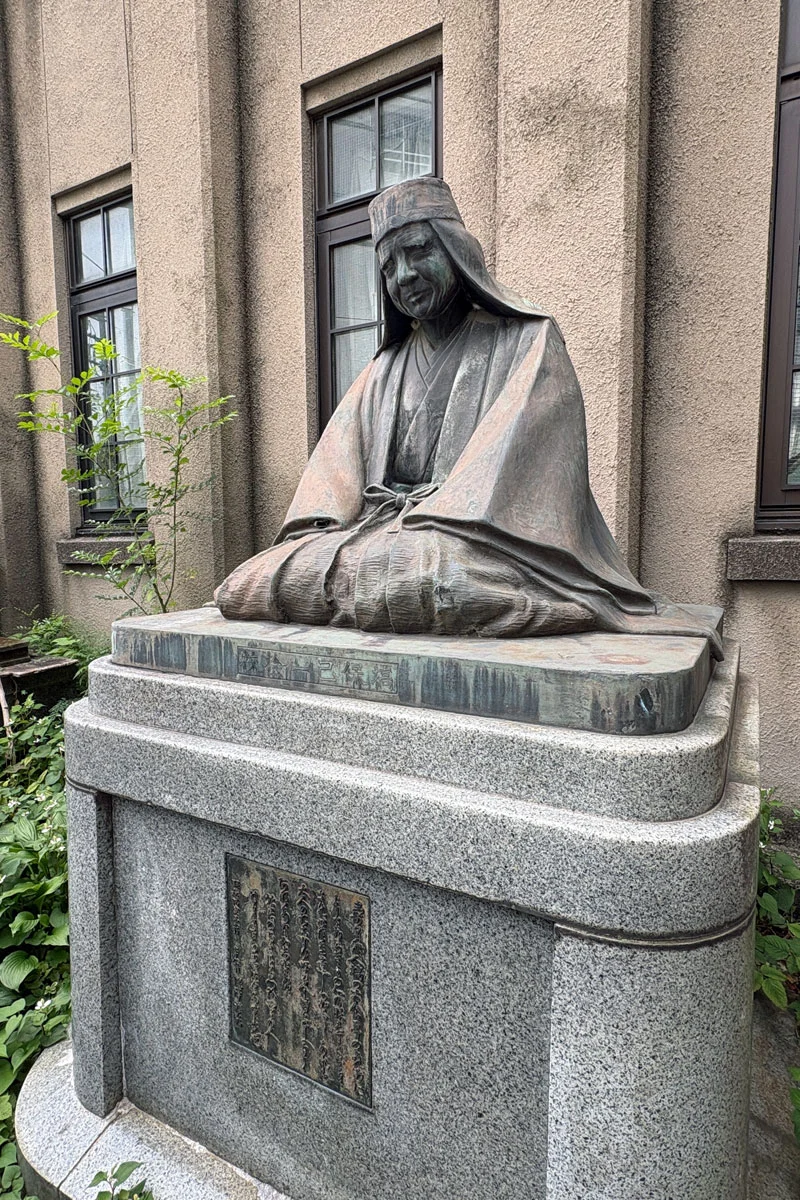
Left: The gateposts at the main entrance are inscribed with the words "Onko Gakkai" (Society for the Study of the Past). Right: To the left of the entrance, a bronze statue of Hanawa Hokiichi greets visitors.
The construction of the building was initiated by Hanawa Hokiichi 's great-grandson, Hanawa Tadao, and Shibusawa Eiichi, among others, who called upon volunteers from various fields to cooperate and received donations from all over the country. Construction began in August 1926 (Taisho 15) and was completed in March of the following year, 1927 (Showa 2). It was completed amidst the ongoing reconstruction following the Great Kanto Earthquake.
The building was designed and constructed by Shimizu-gumi (now Shimizu Corporation). To protect the valuable woodblocks from earthquakes and fires, reinforced concrete construction was adopted, resulting in a robust building that prioritized earthquake and fire resistance.
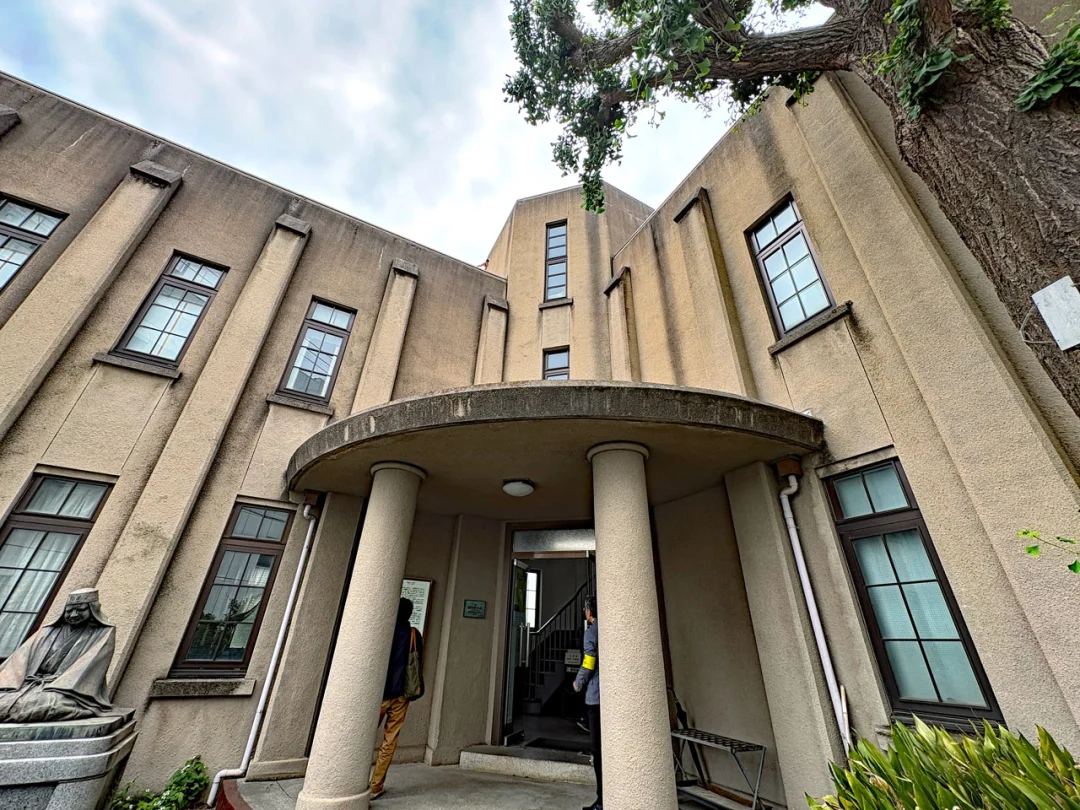
The building opens out in a fan shape, symmetrically on either side of the central entrance and staircase.
The exterior features a symmetrical design resembling outstretched wings, characterized by a heavy, imposing structure with minimal windows. Prioritizing its function as a storage facility for woodblocks, the front and back are lined with buttresses (supporting walls) that reinforce the main walls. These not only provide robust structural support to the building but also create a unique rhythm in its exterior.
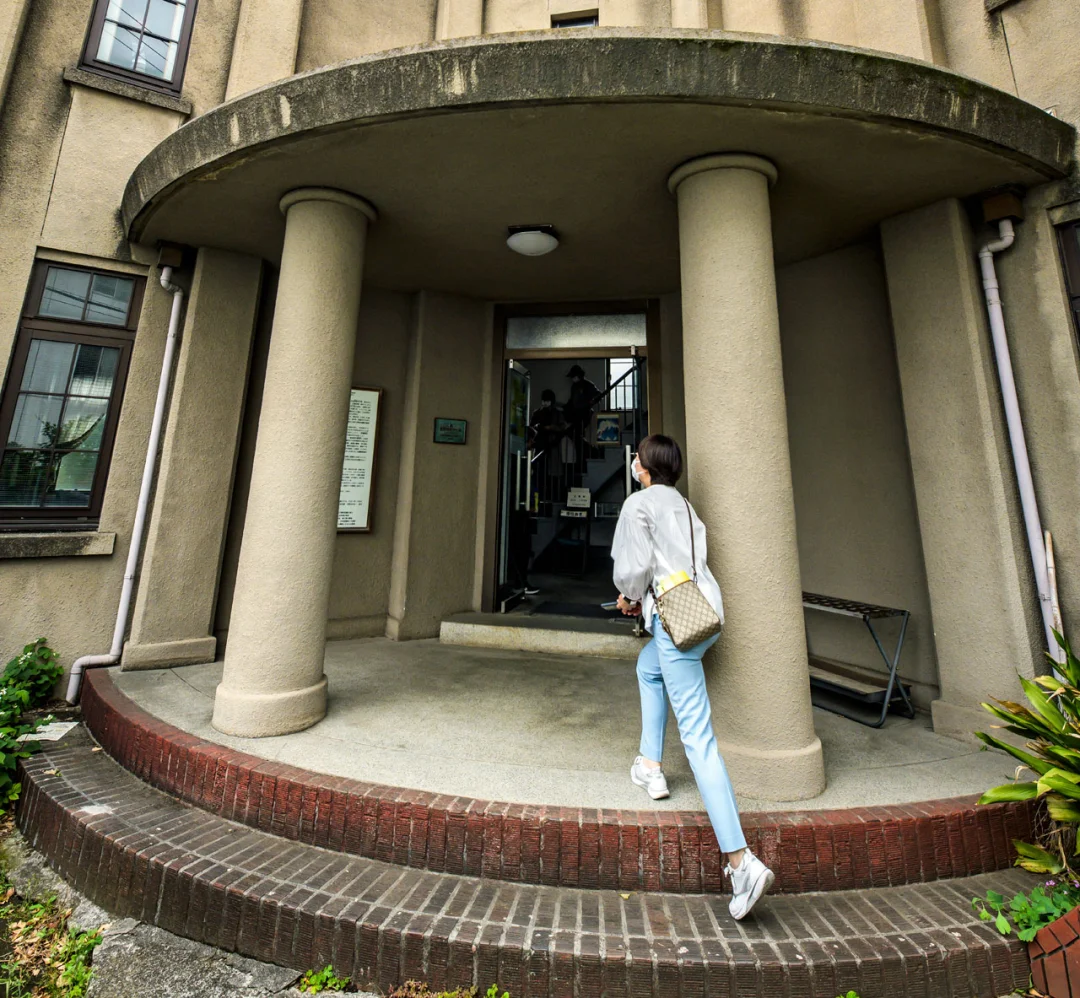
Wide entrance porch
On the other hand, a circular entrance porch protrudes from the center, and even within the unpretentious storage facility, one can see design elements characteristic of early Showa-era modern architecture.
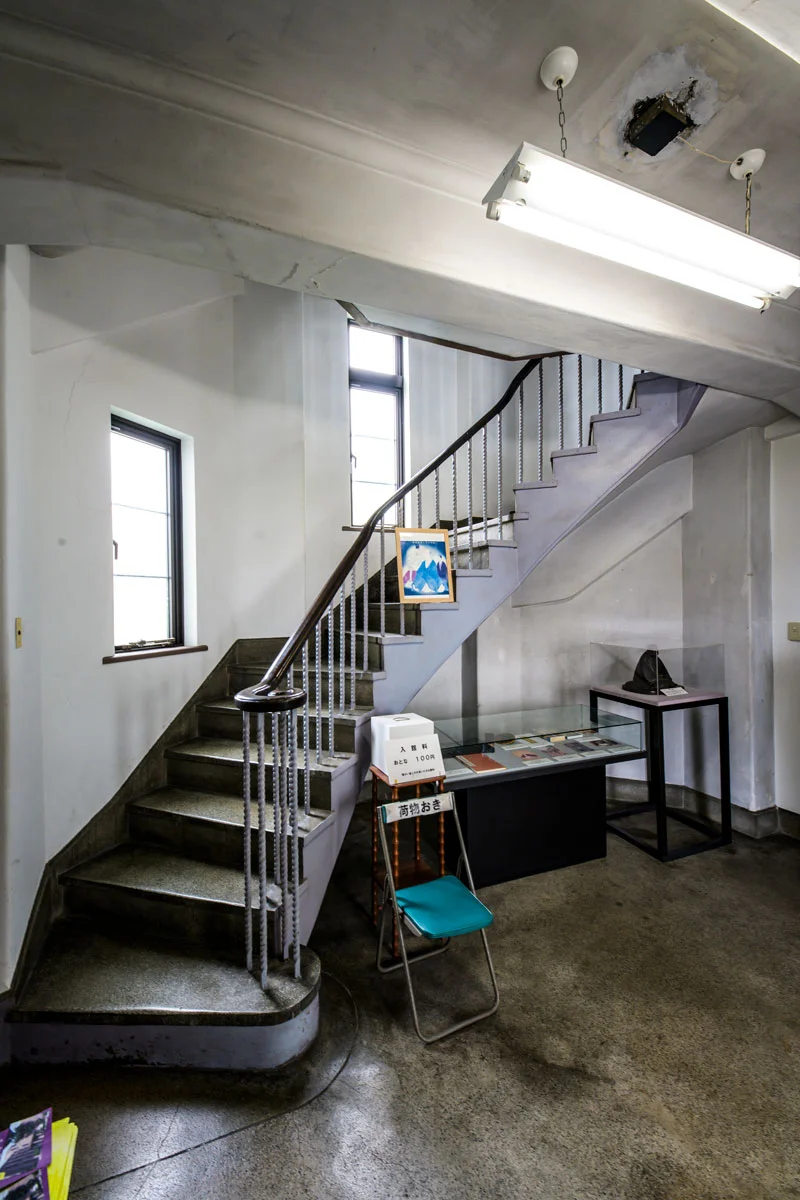
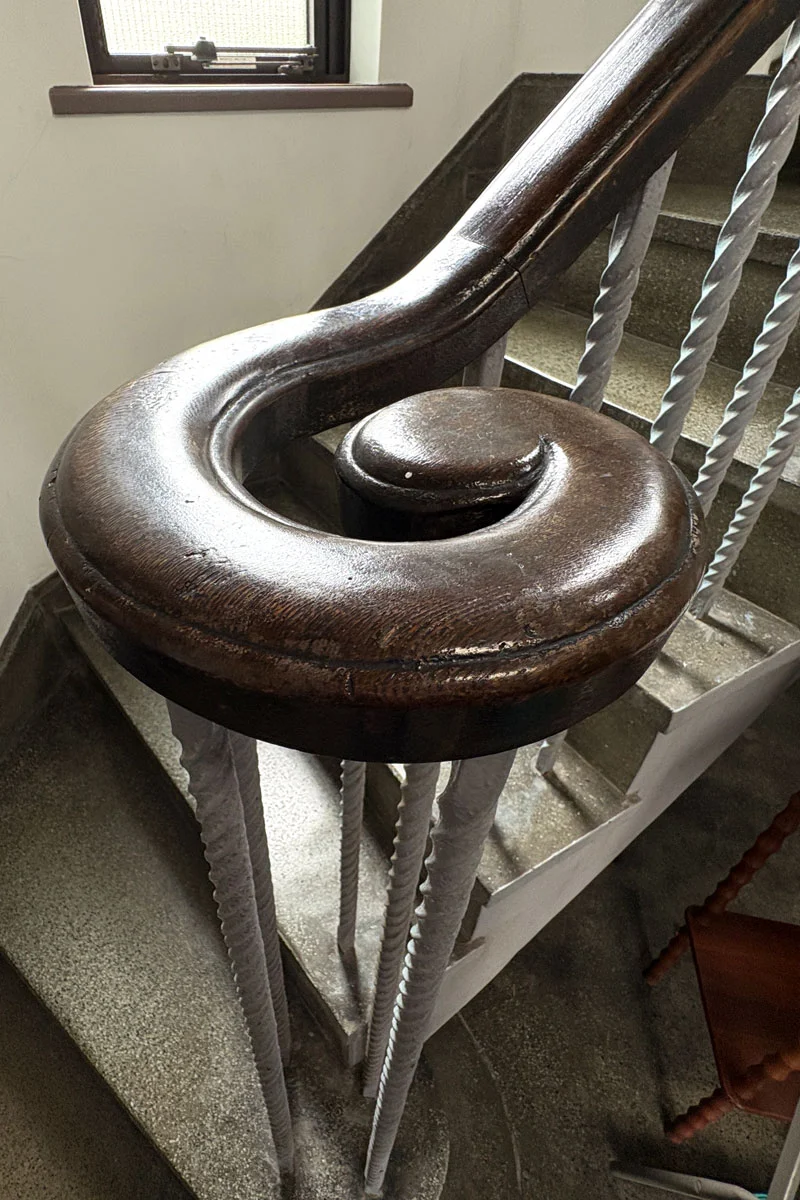
Left: Upon entering the entrance, a steep staircase stretches out directly ahead. Right: The handrail is made of wood with a pleasant feel, adding warmth to the reinforced concrete building.
Stepping inside the building, the gently curving staircase railing directly in front of you immediately catches the eye.
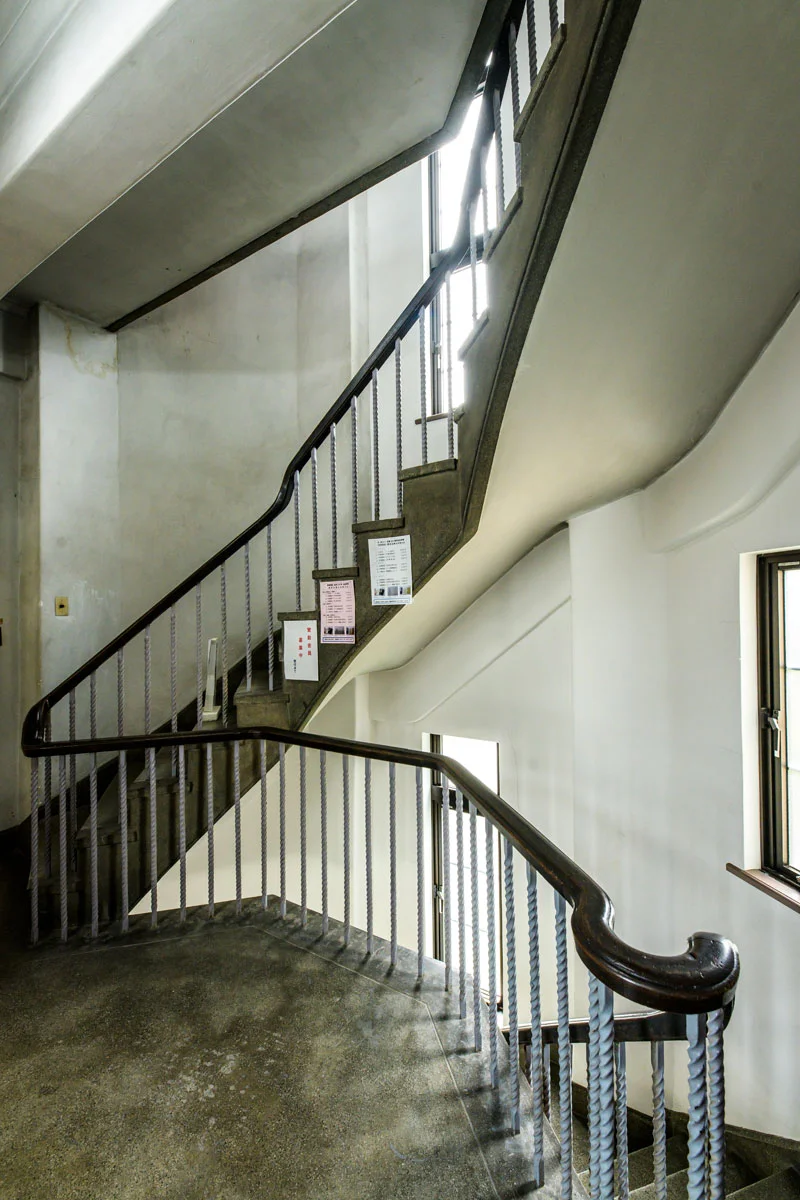
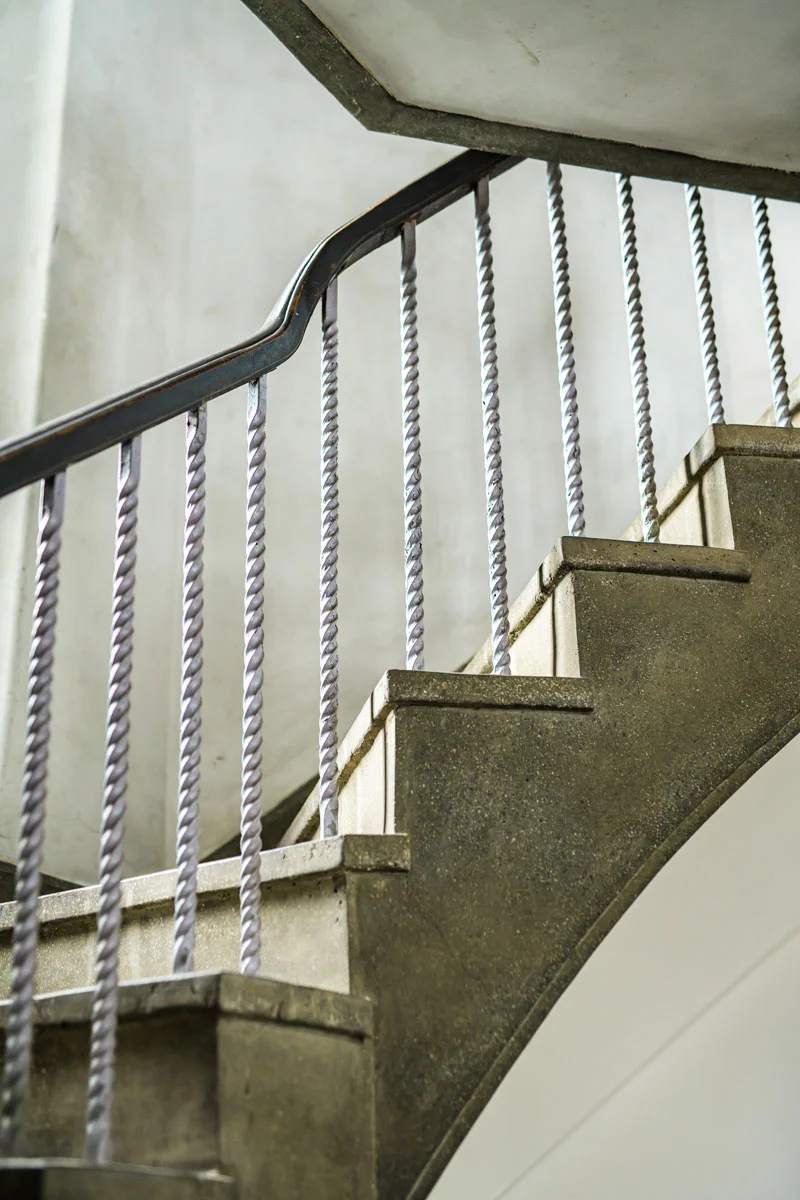
The concrete stairs, iron posts, and wooden handrails are in perfect balance and harmony. The unpredictable curves of the handrails, which make you wonder "what lies ahead?", are also striking.
As you enter the building, the first floor on the left is used as an office and the second floor as an auditorium, while the first and second floors on the right house a woodblock storage facility (only the first floor is open to the public). This storage facility is the greatest asset that the Onko Gakkai Hall has continued to protect.
Hanawa Hokiichi was born in 1746 (Enkyo 3) in what is now Honjo City, Saitama Prefecture. He lost his sight at the age of seven, but never lost his passion for learning. He honed his skills in Edo and became one of Japan's leading scholars of Japanese classics.
The "Gunsho Ruiju," which he began working on at the age of 34, is known as a major collection of books that collected and edited valuable classical texts scattered throughout Japan, and was published to preserve them for future generations.
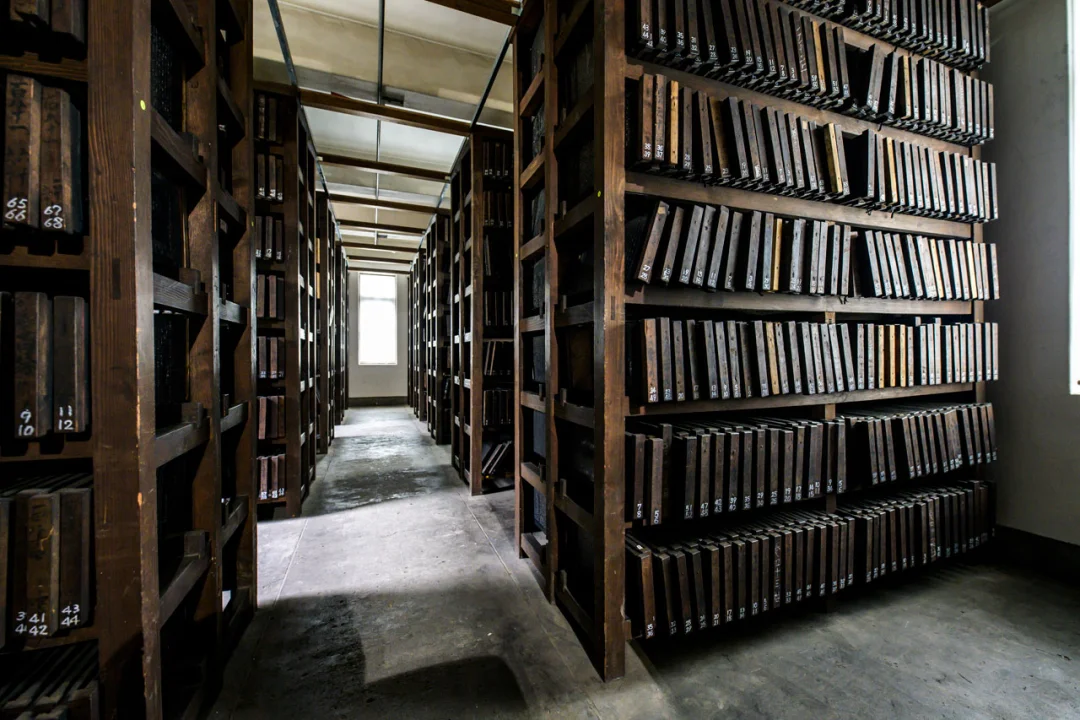
The "woodblock storage room" is located on the right side of the first floor. Approximately 17,000 woodblocks dating back 200 years are carefully stored in the storage rooms on the first and second floors.
The collection includes over 1,270 documents, categorized into 25 sections such as Shinto, history, literature, diaries, and waka poetry, representing a vast accumulation of knowledge that can be considered fundamental to Japanese culture.
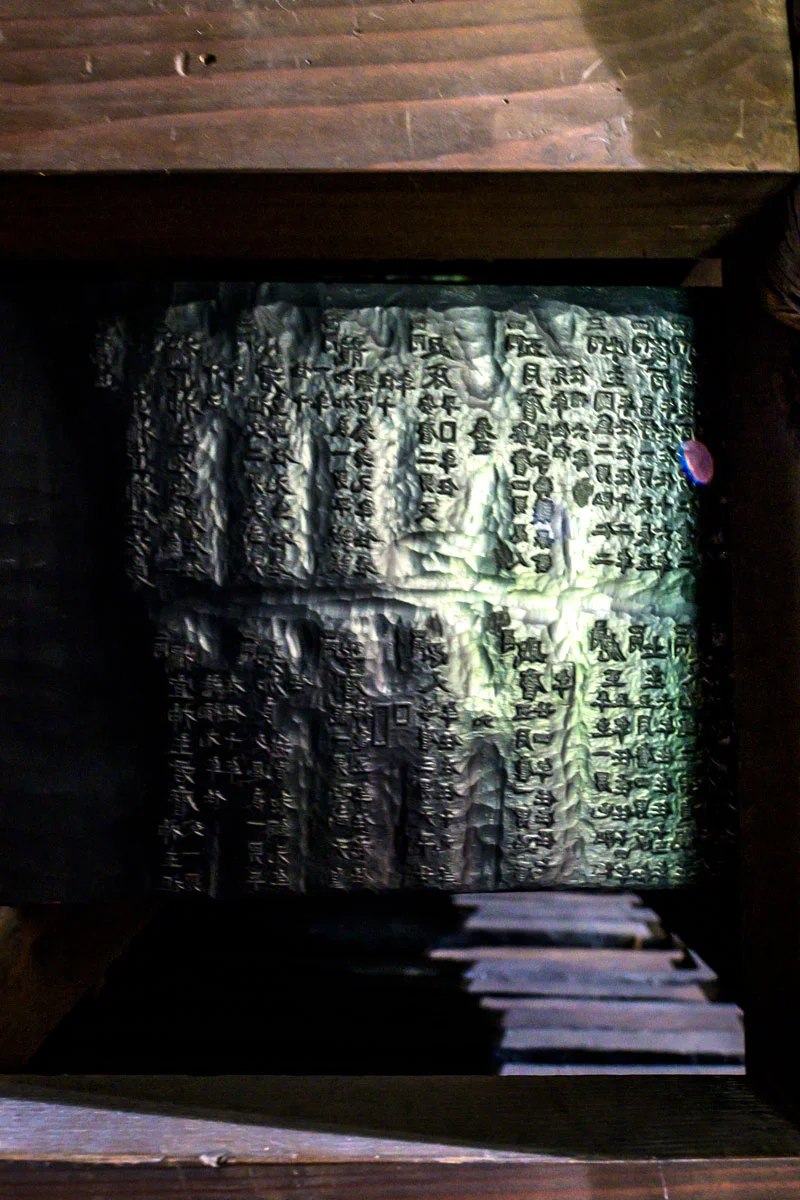
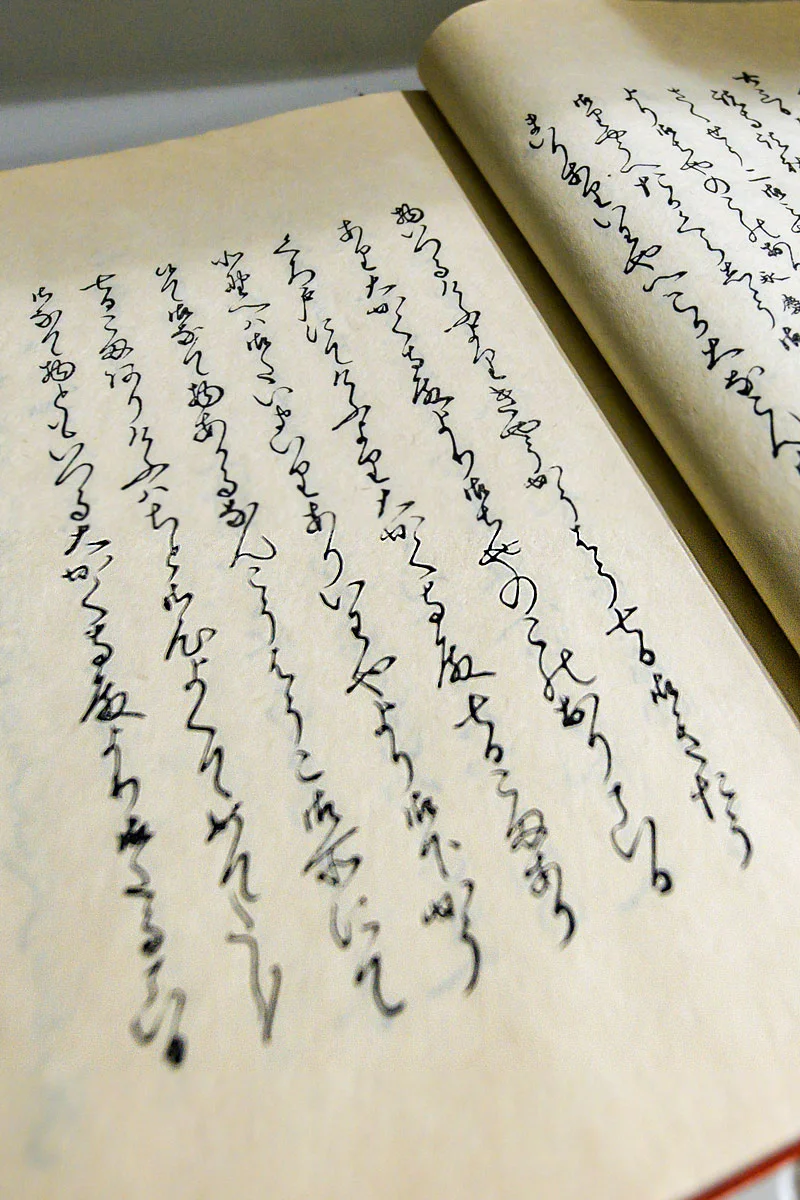
Left: The woodblocks are made by reversing the characters horizontally (mirror images) and carving each one individually with a carving knife. Right: Beautiful characters printed using the woodblocks.
Approximately 17,000 woodblocks were used for the printing. All were made of cherry wood and are still carefully preserved in the museum's storage facility. The collection of woodblocks was designated a National Important Cultural Property (Fine Arts and Crafts/Historical Materials) in 1957. The Onko Gakkai Kaikan, which has continued to protect these materials, was also registered as a National Registered Tangible Cultural Property (Building) in 2000.
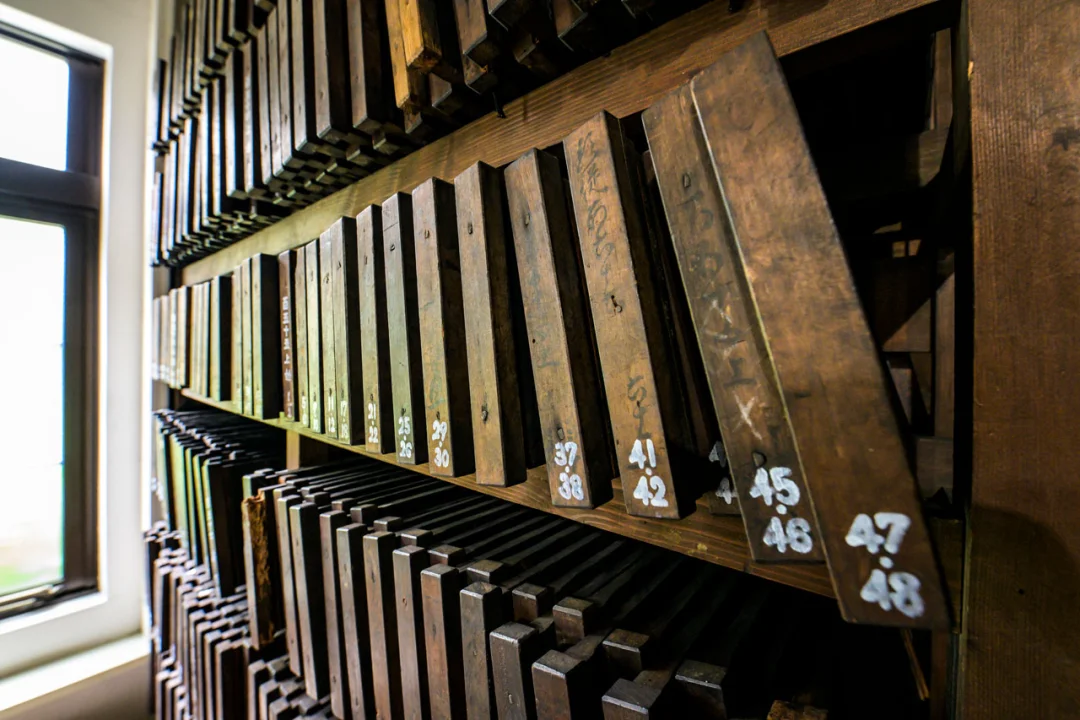
In fact, these woodblocks have survived numerous disasters.
During the Great Kanto Earthquake of 1923, the warehouse where the woodblocks were stored at the time collapsed. Afterwards, they were moved to the current building, but the surrounding area was destroyed in the Tokyo air raids of 1945. Incendiary bombs flew into the building, but the chairman at the time, Shigezaburo Saito, threw them out, and miraculously, the building and the woodblocks escaped destruction.
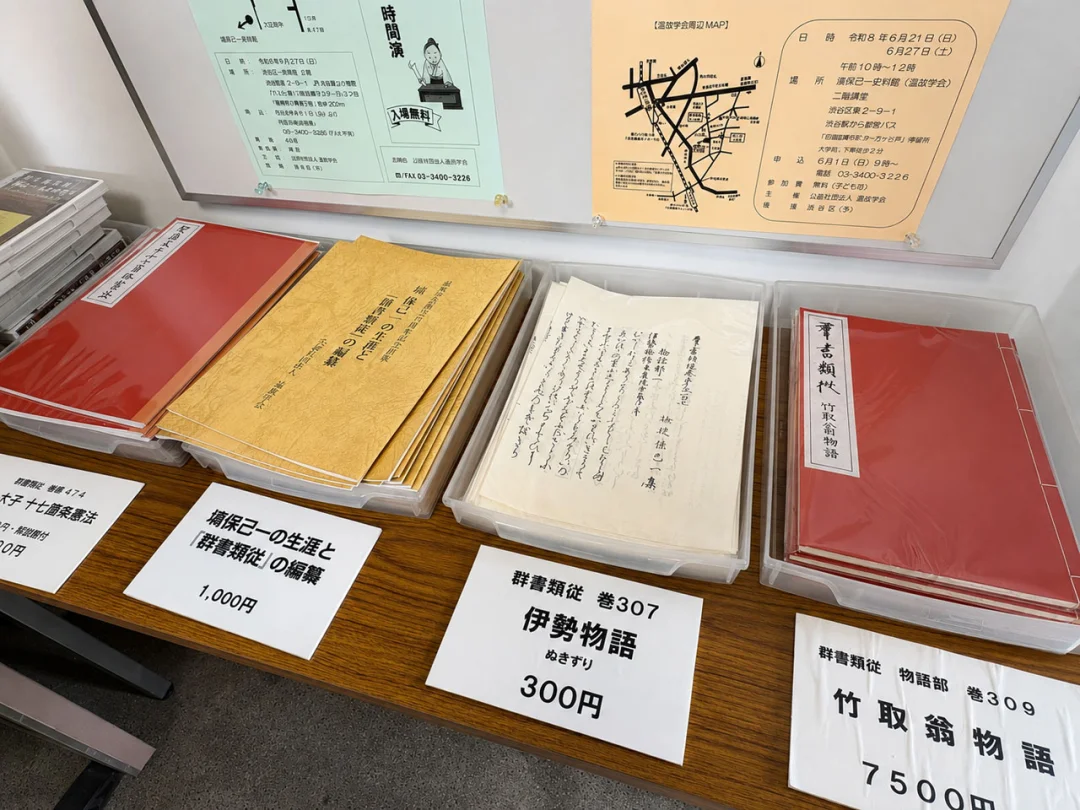
The Onko Gakkai (Research Society for the Study of Ancient Times) prints and binds books using woodblocks from that era and sells them.
The "Gunsho Ruiju," which has been continuously printed for approximately 200 years, has published over 700,000 copies and is used by research institutions and universities both domestically and internationally. It is no exaggeration to say that its achievements have laid the foundation for transmitting Japanese classical culture to the modern age.
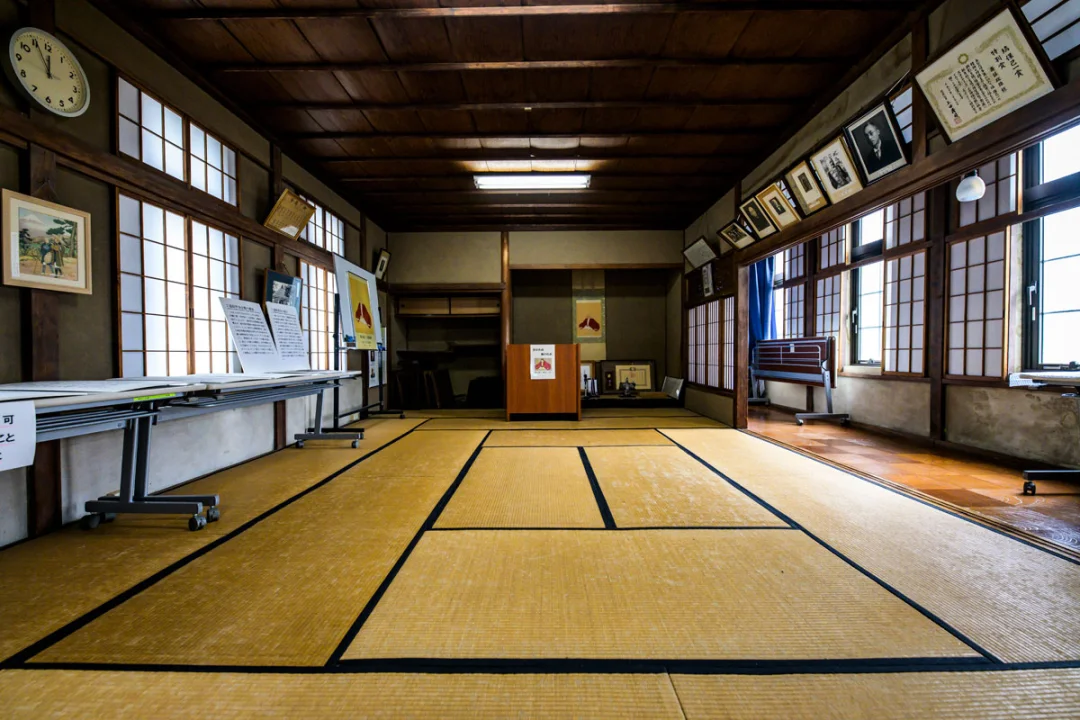
The Japanese-style room on the second floor is used as an auditorium (normally not open to the public).
Surprisingly, there is also a Japanese-style room on the second floor. The incorporation of a Japanese space within a modern reinforced concrete building is unusual, and the original fixtures, ceilings, and floor finishes have been carefully preserved to this day. This Japanese-style room has been used as an auditorium for academic meetings, lectures, and ceremonies.
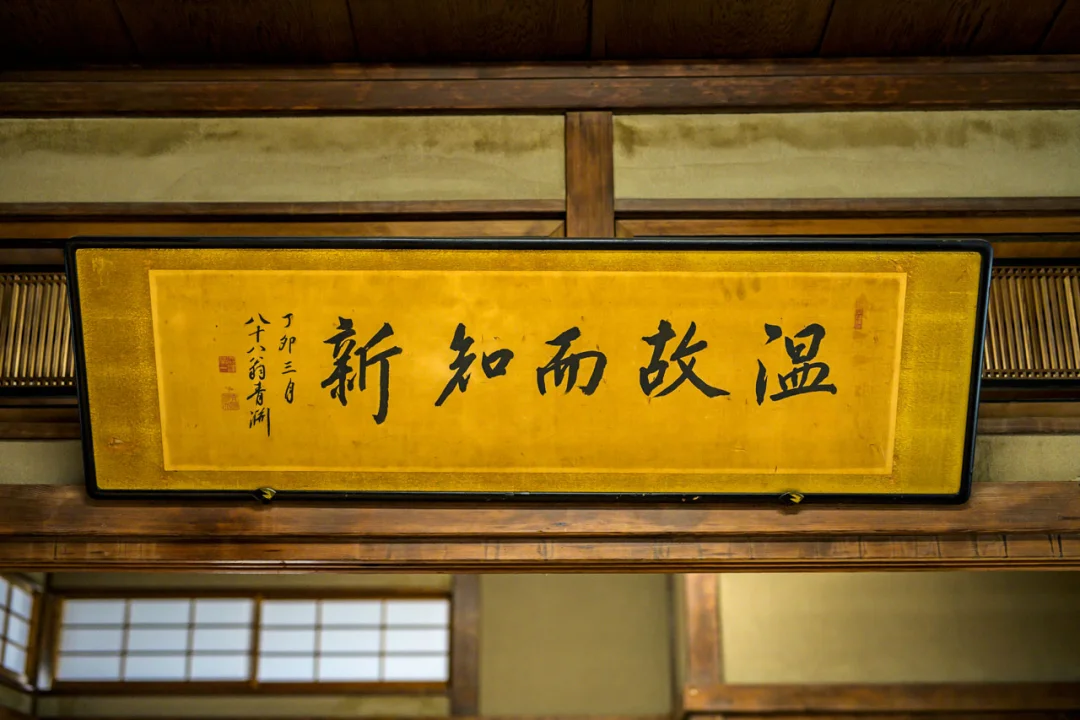
A calligraphy piece by Eiichi Shibusawa, the first chairman of the alumni association, titled "Learning from the past to understand the present."
Inside the building hangs a calligraphy piece by Eiichi Shibusawa, using his pen name "Seien," which reads "Onko ji Chishin" (learning from the past to understand the present). The name of the Onko Gakkai (Onko Society) comes from a line in the Analects of Confucius, "Learn from the old to understand the present." This calligraphy was written by Shibusawa, who turned 88 (a milestone birthday) in the year the building was completed, and it has become a symbol of the society's philosophy.
Furthermore, another historical episode is associated with this place.
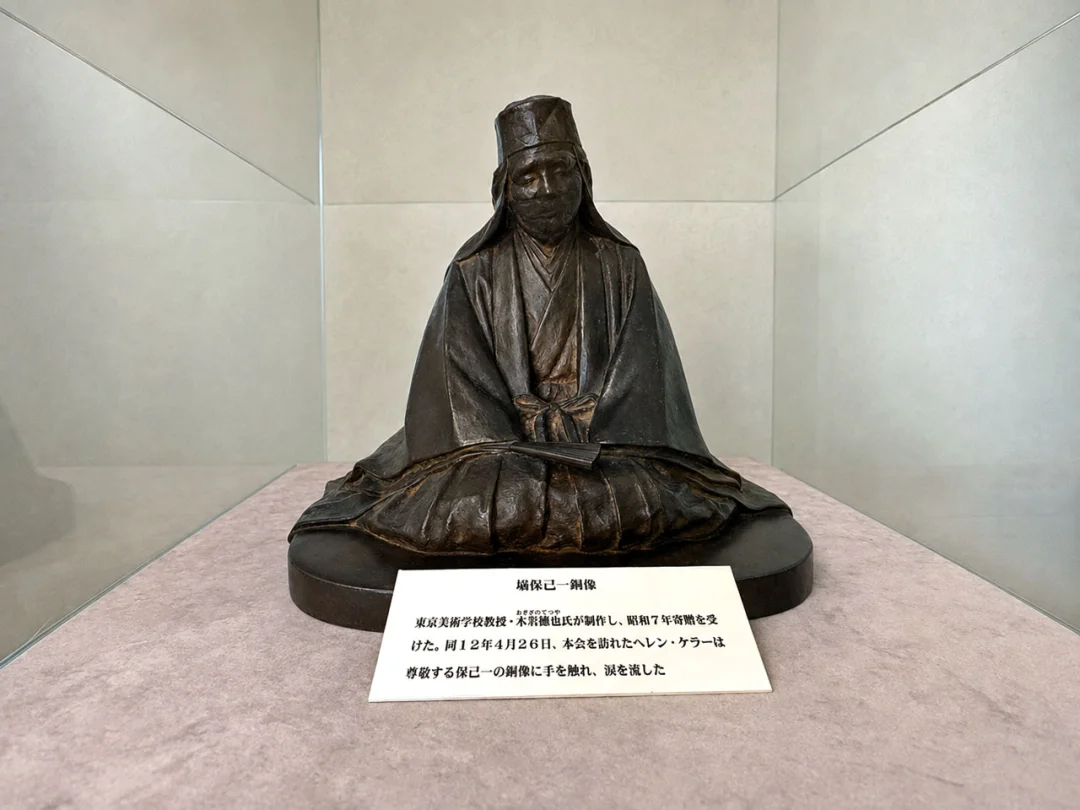
The bronze statue of Hanawa Hokiichi, which Helen Keller is said to have touched and wept upon visiting.
In 1937, Helen Keller, an American educator and social activist, visited the Onko Gakkai (Society for the Study of the Past). Having been taught by her mother from a young age to "make Hanawa Hokiichi your role model," Helen reportedly expressed deep respect for Hokiichi's achievements as she touched his statue and his favorite desk.
"Being able to touch the statue of the professor was the most meaningful thing about my visit to Japan."
He is said to have said so.
The Onko Gakkai Kaikan (Onko Society Hall) stands quietly on a hill in Shibuya. Its exterior is by no means flashy. However, inside, a vast intellectual heritage that supports Japanese culture and the dedication of the people who have continued to protect it breathe life into the place.
In Shibuya, where the landscape is constantly changing due to redevelopment, this building continues to quietly convey the message that "preserving the old connects to the future."
Interview and writing: Takashi Fujii / Photography: Osamu Matsuba
*The photo was taken on May 23, 2026, during a special public viewing at the "Tokyo Architecture Festival 2026".
Venue
Genres within watch
Articles in the same genre
2026-10-01〜
THE HIKARIE WINDOW / Keisuke Hara — The ever-changing Shibuya and the rhythm of everyday life
2026-09-30〜
Seibu Shibuya Store closes its doors after 58 years of history: The department store that created "Shibuya" marks the end of its history.
2026-08-10〜
To ensure the safe guidance of visitors during flooding, a joint drill led by local residents was held for the first time around Shibuya Station.
2026-07-08〜
A 1/80 scale diorama of Shibuya is born: Urban modeler Yu Irimajiri talks about the charm of Shibuya.
Featured articles on the site
#Shibuya Club Vol. 1 ~ Discussing "Innovation x Culture" in Shibuya
Interactive illuminations to open in Yoyogi Park: A 1.8-kilometer "Forest of Light" to begin in November.
Seibu Shibuya Store closes its doors after 58 years of history: The department store that created "Shibuya" marks the end of its history.