SHIBUY.A. × WATCH

Seibu Shibuya Store closes its doors after 58 years of history: The department store that created "Shibuya" marks the end of its history.
2026-09-30
SHARE
Seibu Shibuya Store closed its doors on September 30th after 58 years of operation. Since its opening on April 19, 1968, the department store had been a driving force in Shibuya culture through fashion, art, music, film, theater, and advertising, and has now brought its history to a close.
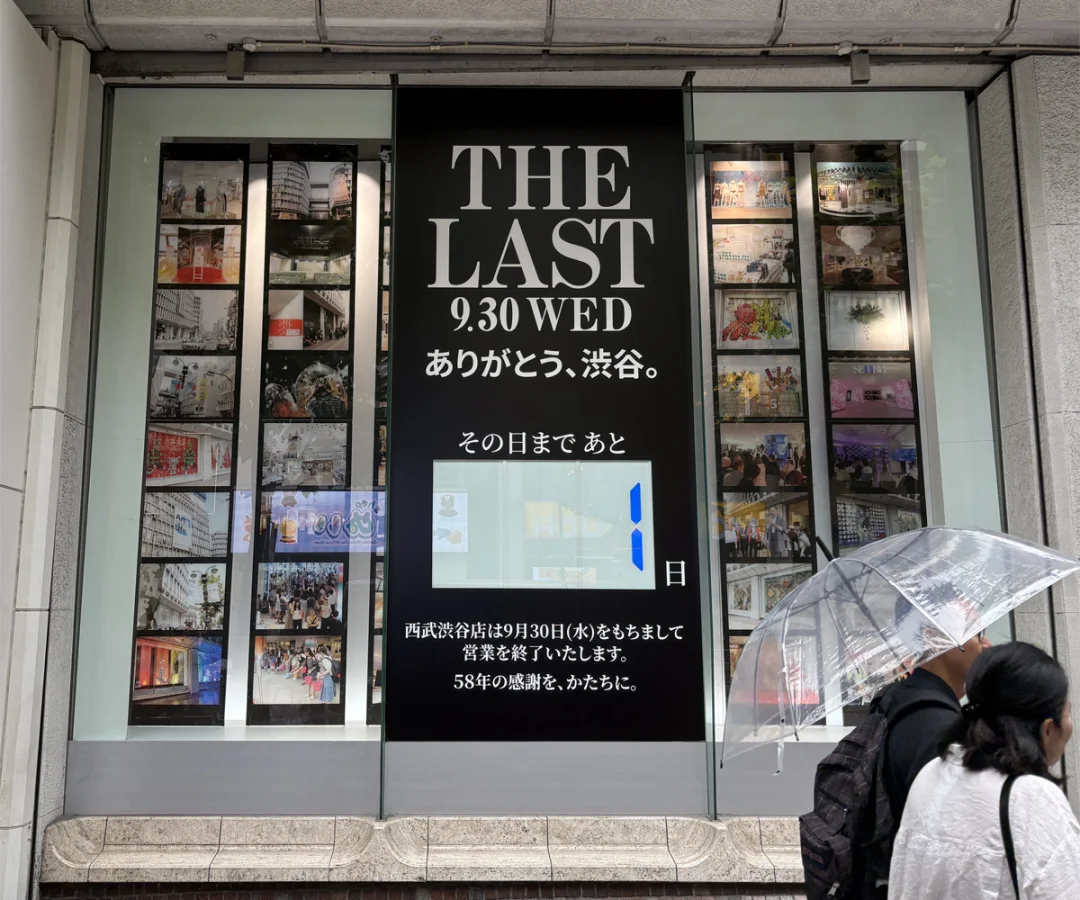
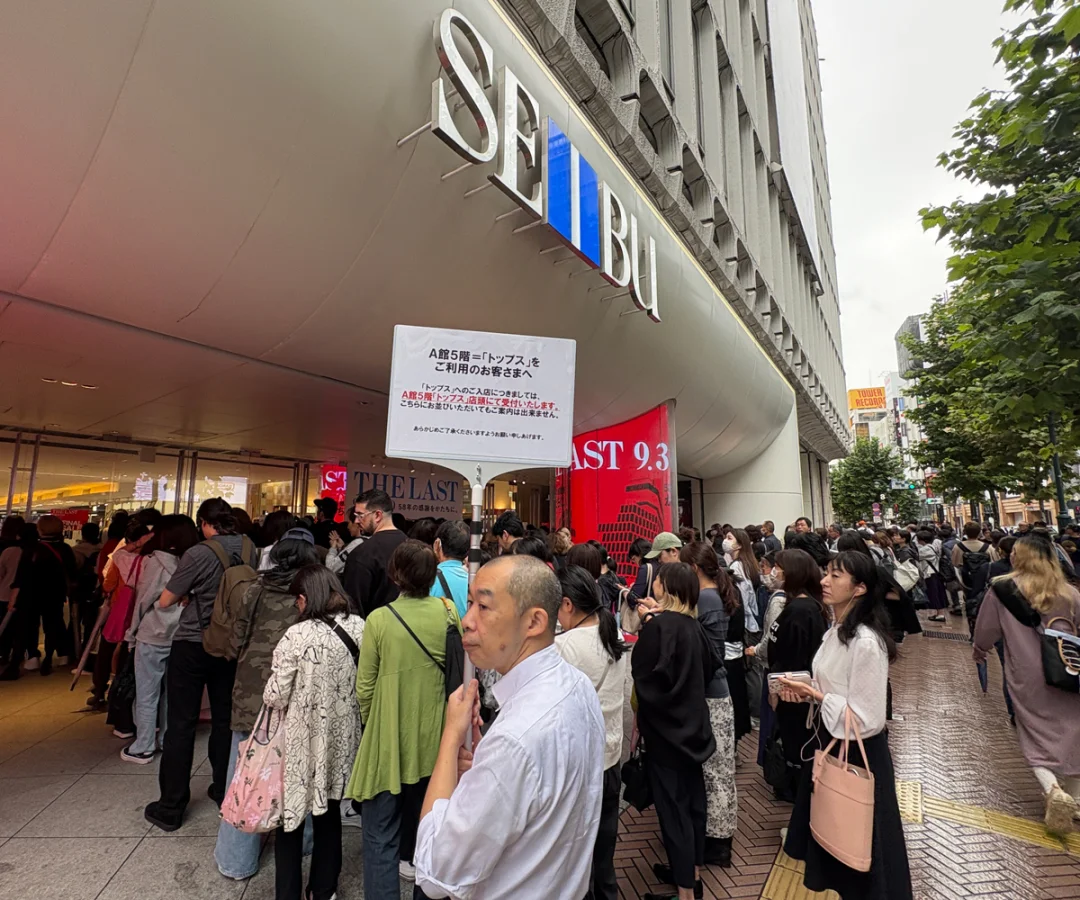
On the final day, a line had formed even before the stores opened. Many people were seen joining the queue to enjoy the curry and chocolate from the popular restaurant "Top's" one last time (Photo taken around 9:50 AM on September 30, 2026).
The store opened for business at 10 a.m. on its final day. Despite the light rain, many shoppers lined up before the store even opened. The flow of people continued uninterrupted from morning until evening, and the store was bustling with people reminiscing about their memories with Seibu Shibuya and taking pictures of its final moments.
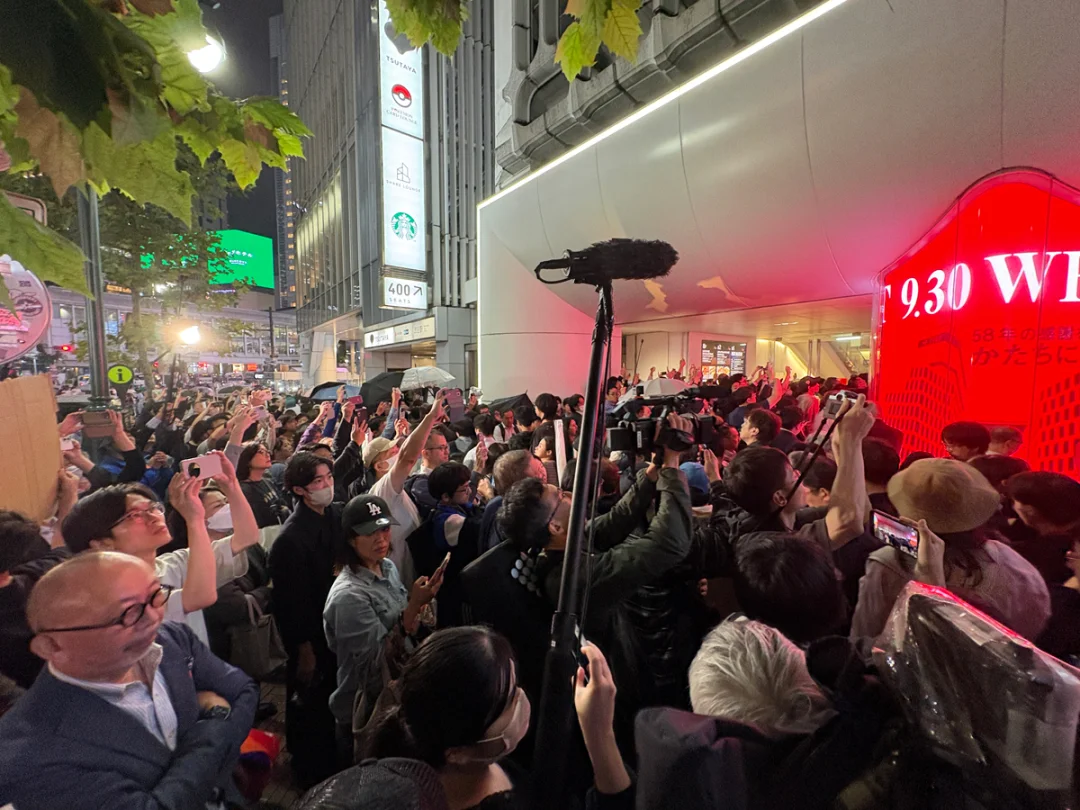
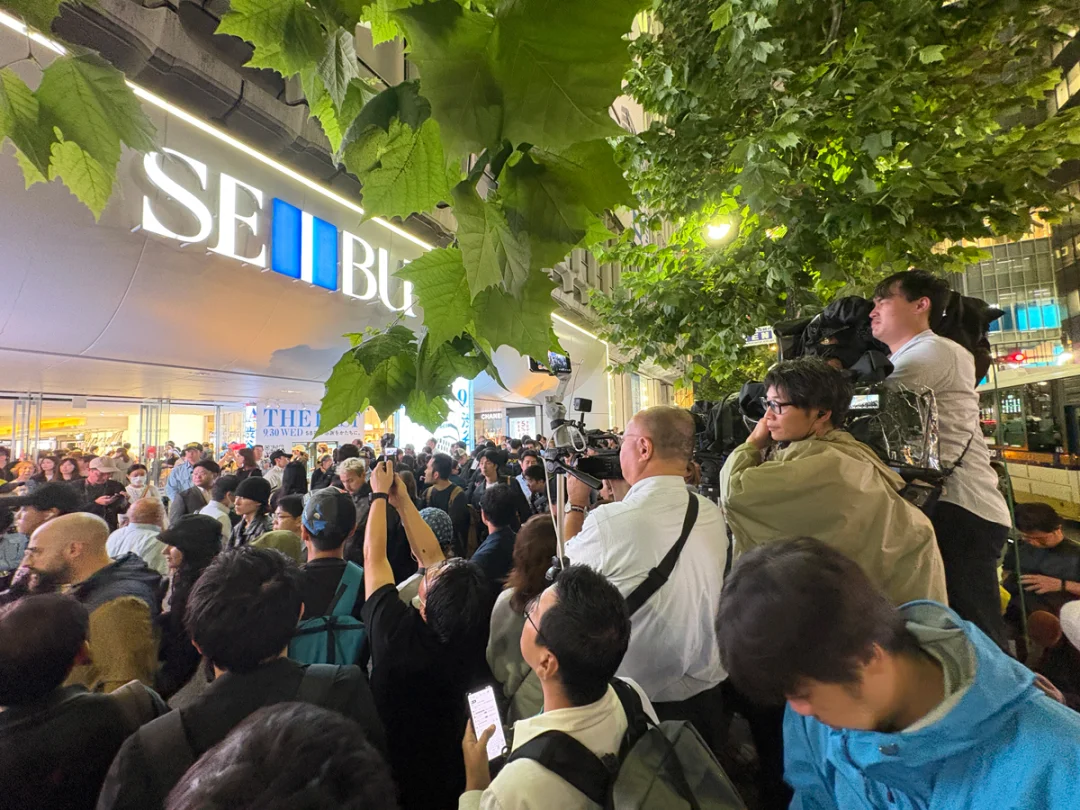
In the light rain, people filled the sidewalk, one holding an umbrella and the other a smartphone, trying to capture the final moments as the store closed (Photo taken around 7:55 PM on September 30, 2026).
The store was scheduled to close at 8 PM. Although it had been announced beforehand that there would be no closing ceremony, as the time approached, shoppers who had frequented the store for many years and people who wanted to witness the final moments gathered in front of the store. Shortly after 7:30 PM, with less than 30 minutes until closing, the sidewalk in front of Building A was filled with people. In addition to Seibu fans who had been shopping and visiting the store for many years and members of the press covering the closure, foreign tourists passing by and people on their way home from work also stopped to watch the moment the store closed.
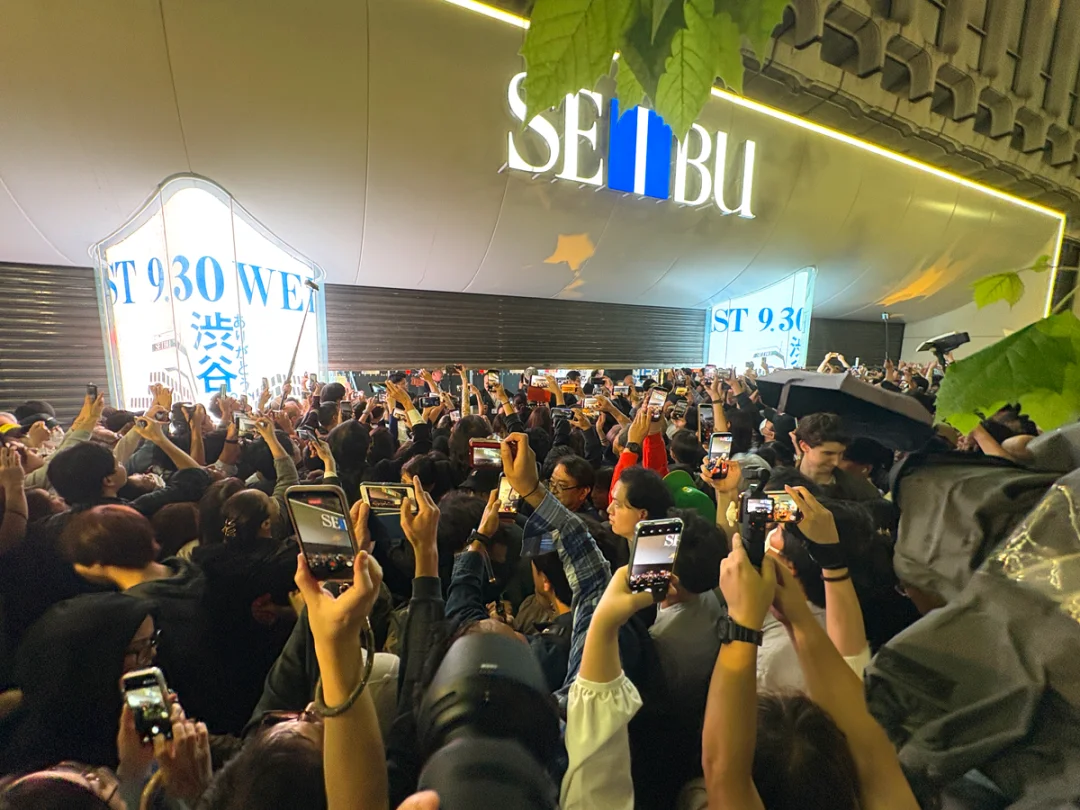
People watch as the black shutter slowly descends (Photo taken around 8:04 PM on September 30, 2026)
Shortly after 8:04 PM, without any ceremonial greetings from the staff, the black shutters slowly began to close. Those watching called out "Thank you, Seibu," and some applauded.
The department store that had long been a driving force behind Shibuya's culture. The moment its shutters closed, an era quietly came to an end.
Seibu entered "Tokyu town"
In 1968 (Showa 43), when the Seibu Department Store Shibuya branch opened, Shibuya was not the youth culture hub it is today. While it was a bustling railway terminal with many people coming and going, as a commercial area it lagged behind Shinjuku and other areas, and the city's vibrancy was concentrated around the station. One of the catalysts for Shibuya's transformation was the successive openings of the Tokyu Department Store main branch in November 1967 (Showa 42) and the Seibu Department Store Shibuya branch in April 1968 (Showa 43).
According to the Tokyu Centennial History, the opening of the Tokyu Department Store flagship store was not planned from the beginning. After the 1964 Tokyo Olympics, anticipating increased interest in sports, Tokyu acquired the former site of Omukai Elementary School and initially envisioned building a large sports center there. However, upon learning that Seibu Department Store was planning to expand into Shibuya, they abruptly changed their plans to build a department store. Shibuya, where the Tokyu Group had been developing railways and urban areas since the early Showa period, was a "Tokyu stronghold." The emergence of an unexpected rival in Seibu seems to have prompted Tokyu to decide to open a flagship department store there.
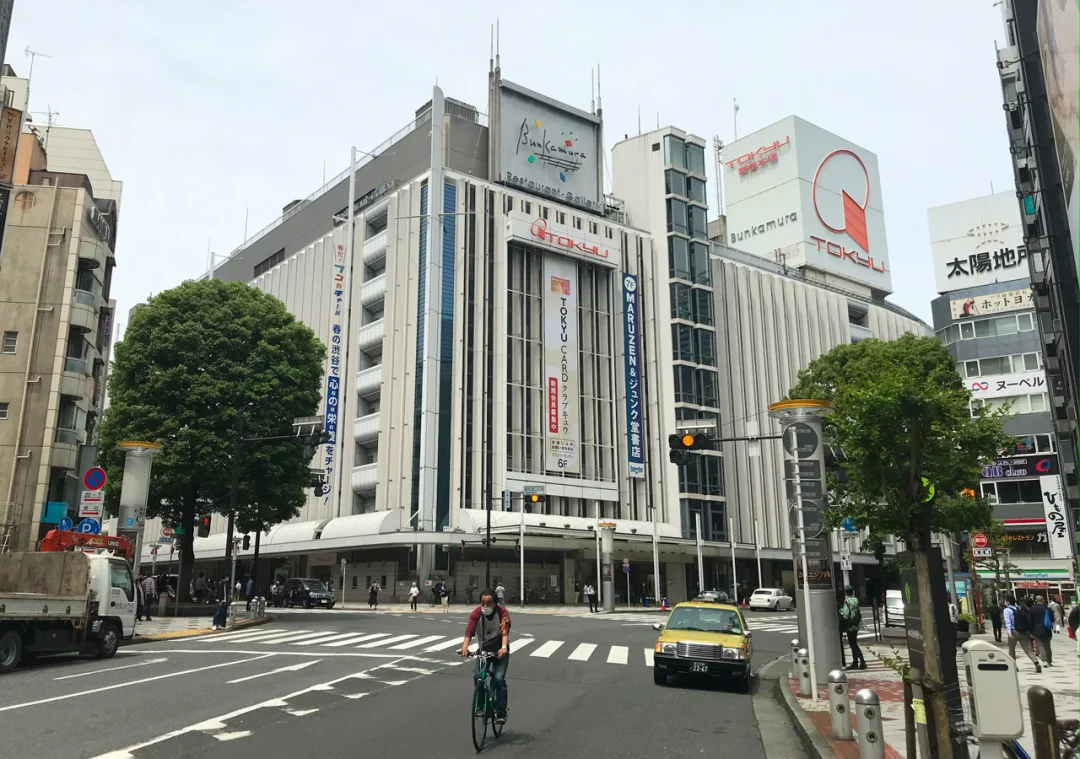
The Tokyu Department Store Main Branch (now closed) was created in competition with the Seibu Shibuya branch (Photo taken in May 2023).
Furthermore, according to the Tokyu 100-year history, when Tokyu's president at the time, Noboru Goto, learned of Seibu's entry into the market, he requested a meeting with Seiji Tsutsumi, who was in charge of management as the de facto president of Seibu Department Store. Unlike the history of fierce competition between the previous presidents, Keita Goto and Yasujiro Tsutsumi, in places like Hakone, they welcomed Seibu's entry into Shibuya, acknowledged each other as "good rivals," and chose a path to enhance Shibuya's status. In fact, a traffic volume survey conducted around the time of Seibu's opening (by the Shibuya Redevelopment Promotion Council) showed an increase in foot traffic on Sakae-dori (now Bunkamura-dori), Jingu-dori (now Koen-dori), and Center Gai. The hustle and bustle of Shibuya, which had been concentrated in front of the station, gradually spread further into the city.
From department stores to the city streets—Seibu's curation of "Shibuya"
What Seibu brought to Shibuya was more than just a large sales floor. They sold fashion, furniture and miscellaneous goods, and food—but they transcended the traditional department store model, connecting art, design, music, film, and theater with commerce, proposing a lifestyle itself: "What kind of life do you want to live?" and "What kind of culture do you want to enjoy?"
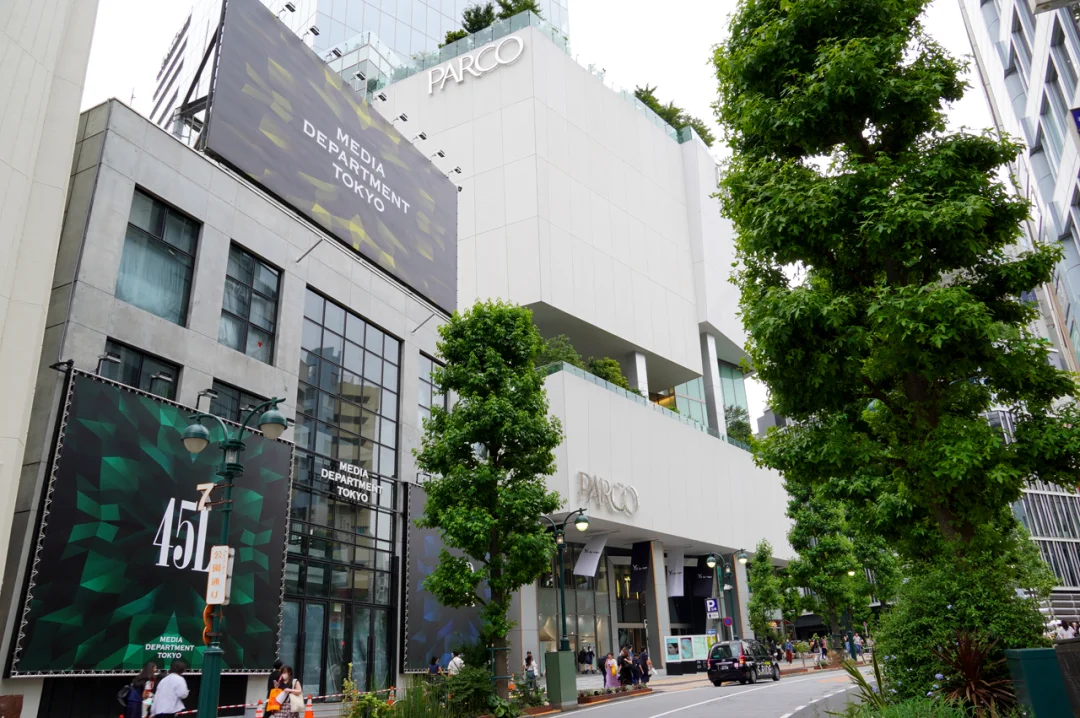
The opening of "Shibuya PARCO" created a new flow of people up the hill on Koen-dori, expanding the depth of the Shibuya area.
This movement eventually spread beyond the department store building. In 1973, Shibuya PARCO opened. The Seibu Theatre (now PARCO Theatre) was established inside the building. The theatre adopted a pioneering approach for the time, planning and producing its own works, and disseminated new forms of expression, including theater and music. PARCO still maintains its core principles of "incubation," "urban development," and "information dissemination."
Seibu Department Store also recognized the potential of young Japanese designers early on. They introduced the works of designers such as Rei Kawakubo and Issey Miyake, creating one of the foundations for the designer fashion that would later be known as "DC brands" to sweep the streets.
Shibuya gradually transformed from a place people visited solely to buy goods into a place where they could encounter something new. One symbol of this transformation was the name "Shibuya Seibu," written in katakana rather than the traditional "Shibuya." It wasn't just a store name; it seemed to symbolize the atmosphere of the time, an attempt to reinterpret the existing place name "Shibuya" as "Shibuya," a city where new fashion and culture could emerge.
PARCO, SEED, LOFT—Sezon culture spread throughout the city.
The cultural influence of the Seibu-Saison Group spread further into the Shibuya area. Following the opening of Shibuya PARCO in 1973, a series of unique facilities appeared in the surrounding area during the 1980s. In 1986, "SEED-kan" opened, curating and disseminating fashion and culture from a unique perspective. The following year, 1987, "Shibuya Loft" opened as a specialty store for general merchandise within the Seibu Shibuya department store. This was the first Loft store, which now has branches throughout Japan. Rather than simply arranging household goods by function and purpose, the store captured the "spirit of the times," allowing visitors to discover something new even without a specific purpose. This approach was fresh at the time. Furthermore, in 1988, Shibuya CLUB QUATTRO opened. Along with the PARCO Theatre and other facilities, it became a hub for music and performing arts.
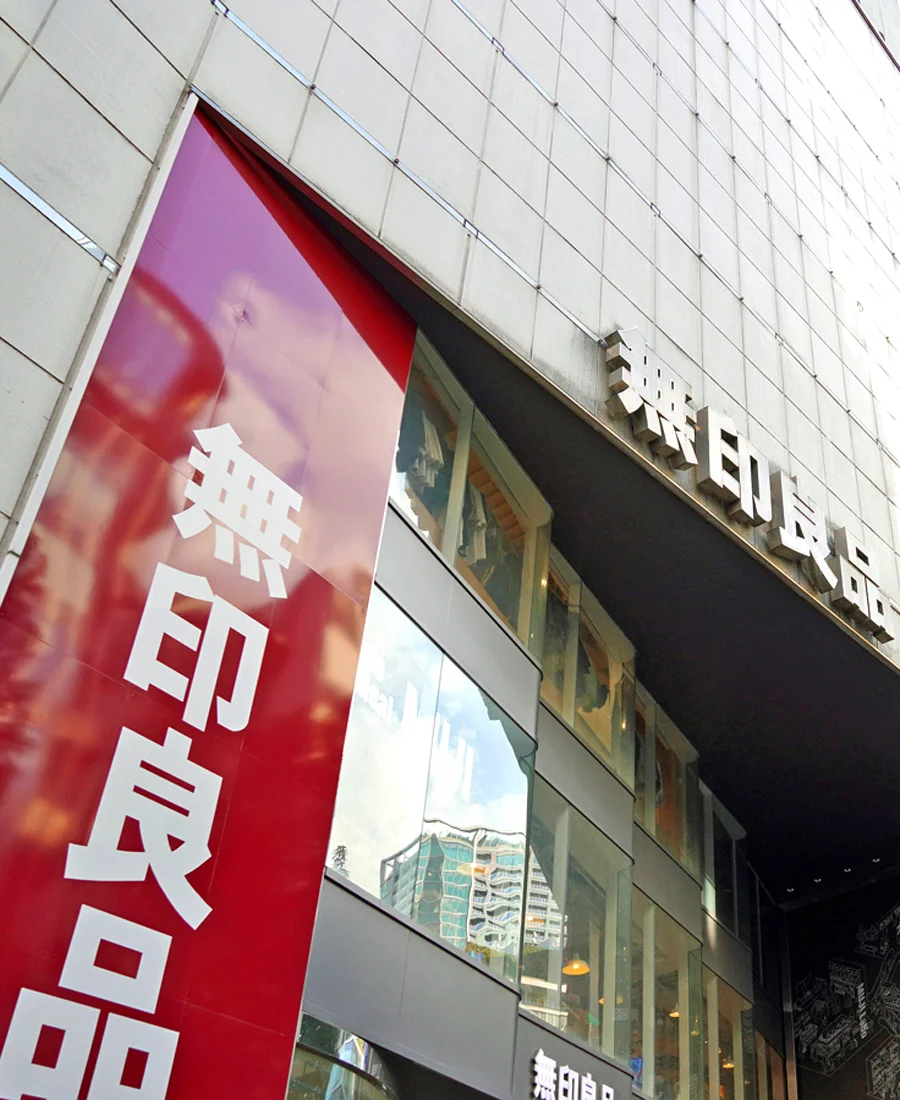
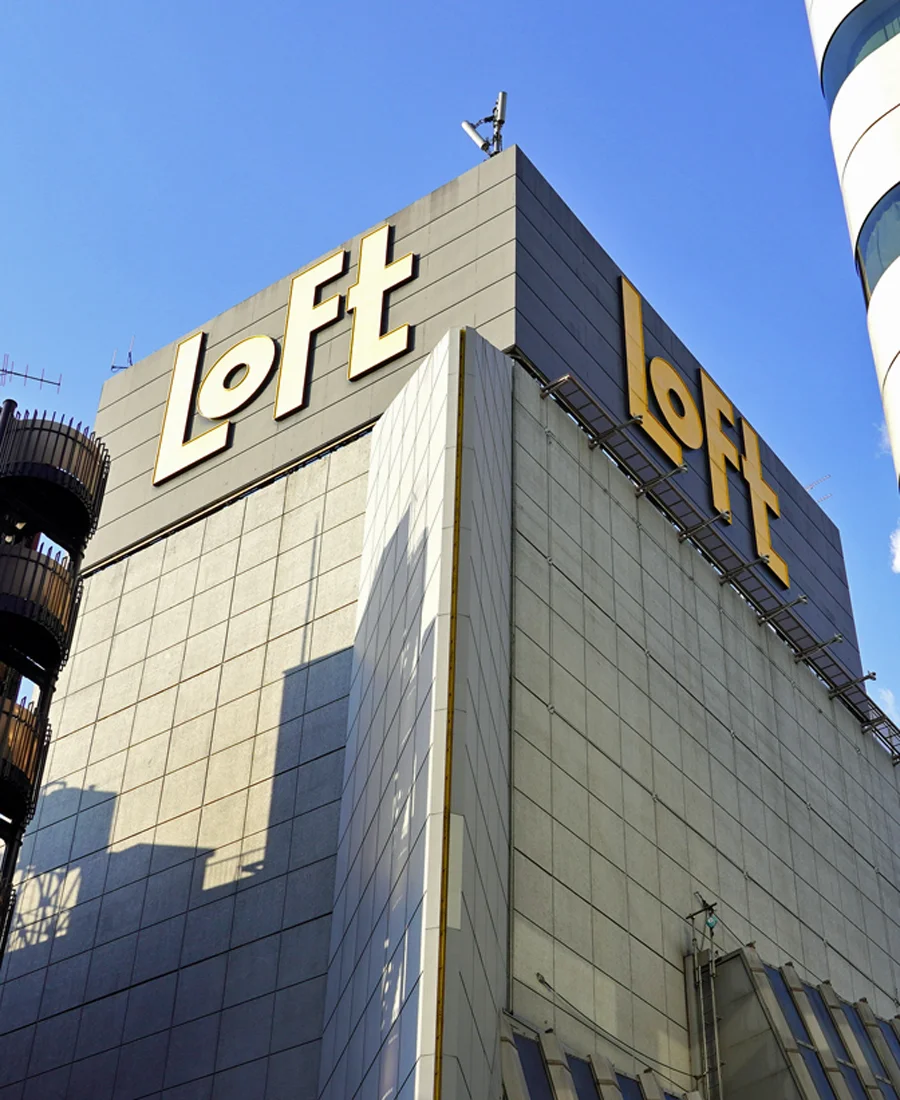
Left: The "SEED Building," which opened in 1986, was a fashion building that brought together up-and-coming young creators and designer brands. Later, it was renamed the Movita Building, and currently, the first seven floors house "MUJI," while the upper floors, which once housed "THE SEED HALL," are now occupied by Seibu Department Store offices. Right: "Shibuya Loft," which opened in 1987.
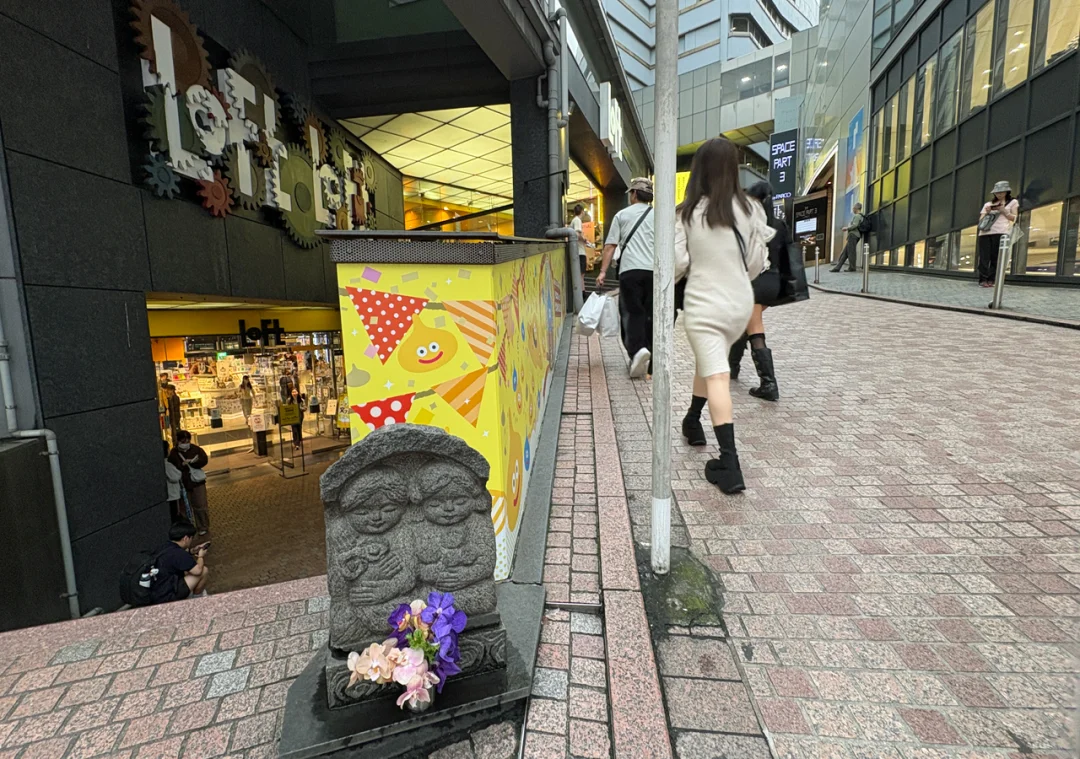
The street between Loft and Seibu Building B is named "Masaka" and is a popular shortcut connecting Inokashira-dori and Koen-dori. Like Koen-dori and Spain-zaka, which lead to Parco, this seamless connection between streets and commercial facilities has become one of Shibuya's distinctive urban cultural features.
Department stores, fashion buildings, theaters, live music venues, general stores—each a separate establishment, yet by walking through the streets and moving from one to another, they form one large cultural space. This idea of "editing the entire city" is one of the major traces that Seibu's culture left in Shibuya.
A "youth-oriented town" created by competition with Tokyu.
When young people began to flock to the Koen-dori area due to Seibu and Parco, Tokyu also took a new approach. In 1978, Tokyu Hands Shibuya store opened, followed by "Fashion Community 109" (now SHIBUYA109) in 1979. Tokyu's 100-year history also states that after the opening of Shibuya PARCO, the shift of people towards Koen-dori made it "necessitate a counter-movement." The opening of 109 and Hands shows Tokyu's attempt to change the flow of people that had been heading towards Koen-dori and to enhance the walkability of the area as a whole.
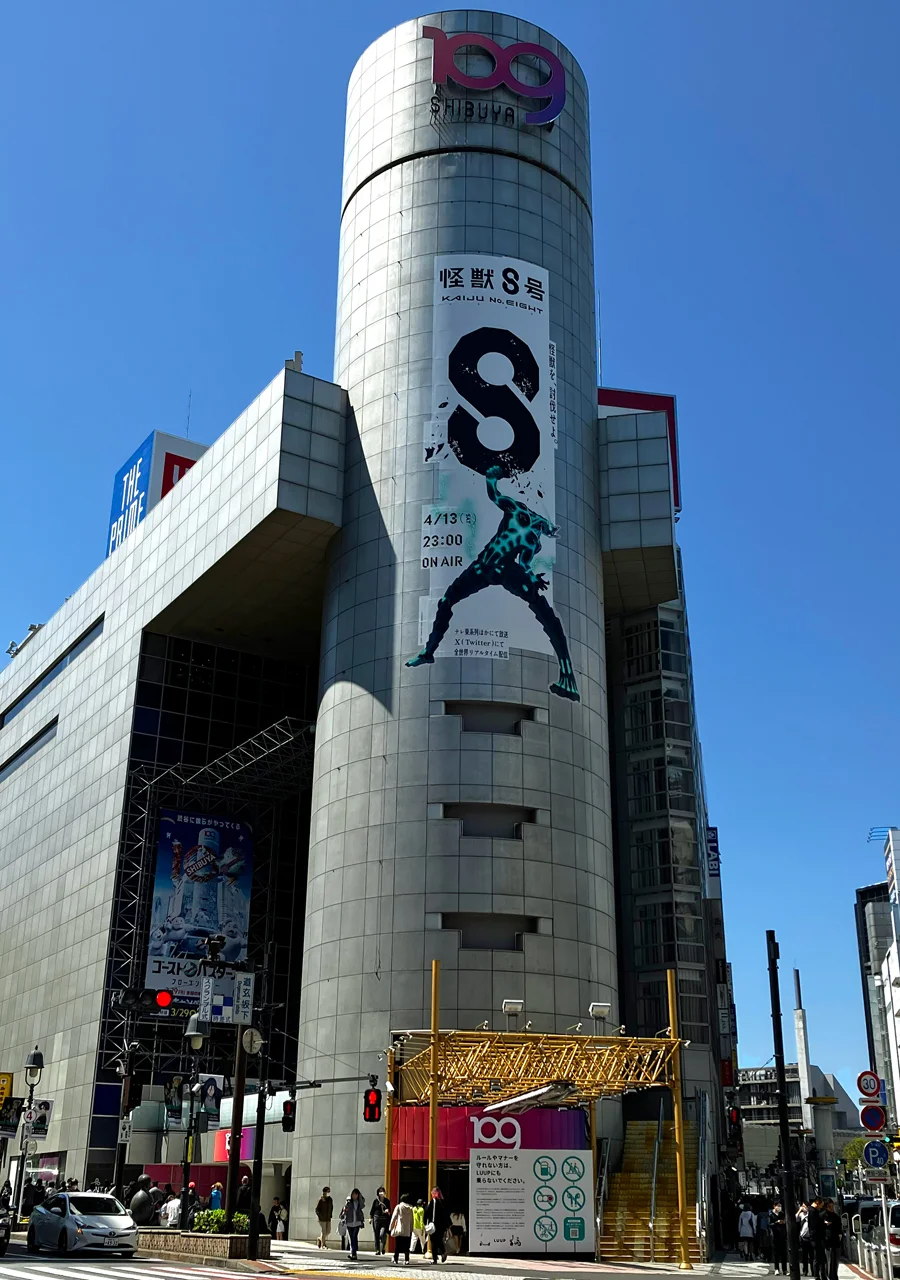
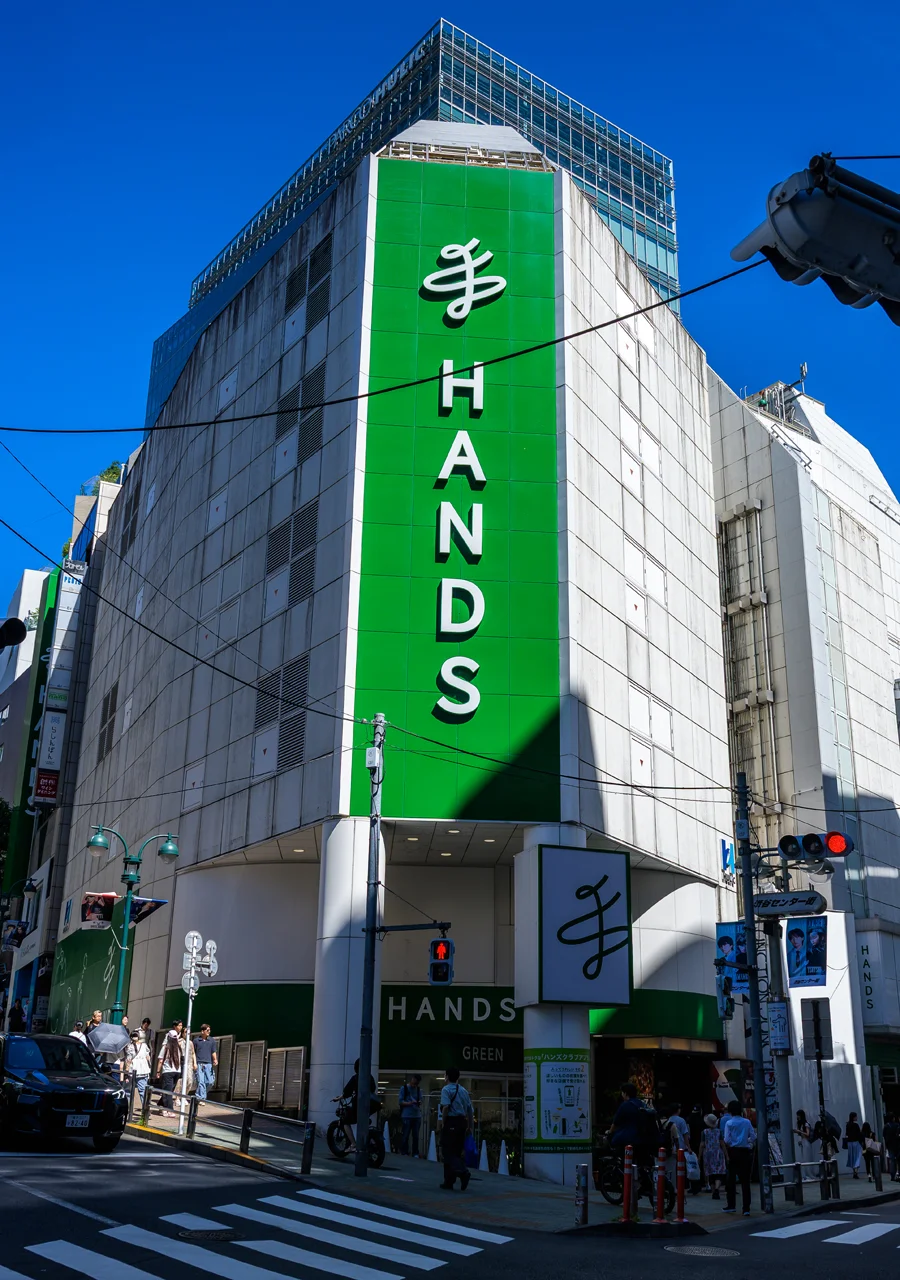
Left: Initially, 109 targeted women aged 25 and over, but with the rise of loose socks in the 1990s, it gradually transformed into a "mecca for gyaru" (a type of fashionable young woman). Behind 109, you can see "The Prime," operated by the Seibu Group, which opened in 1985. The upper floors once housed the mini-theater "Cine Saison Shibuya," and the second floor featured a food court, a pioneering example of Japanese food courts. Right: Following in the footsteps of Seibu Shibuya, "Hands Shibuya (formerly Tokyu Hands Shibuya)" will close this November.
Seibu introduced new culture and fashion, and Tokyu responded to it. Neither company alone created the Shibuya of today. The competition between the two, each bringing their own different values, led to a flow of people spreading from Koen-dori to Center-gai, Bunkamura-dori, and Dogenzaka. It was within this competition that the outline of "Shibuya, the town of young people" that we see today was formed in the 1970s and 80s.
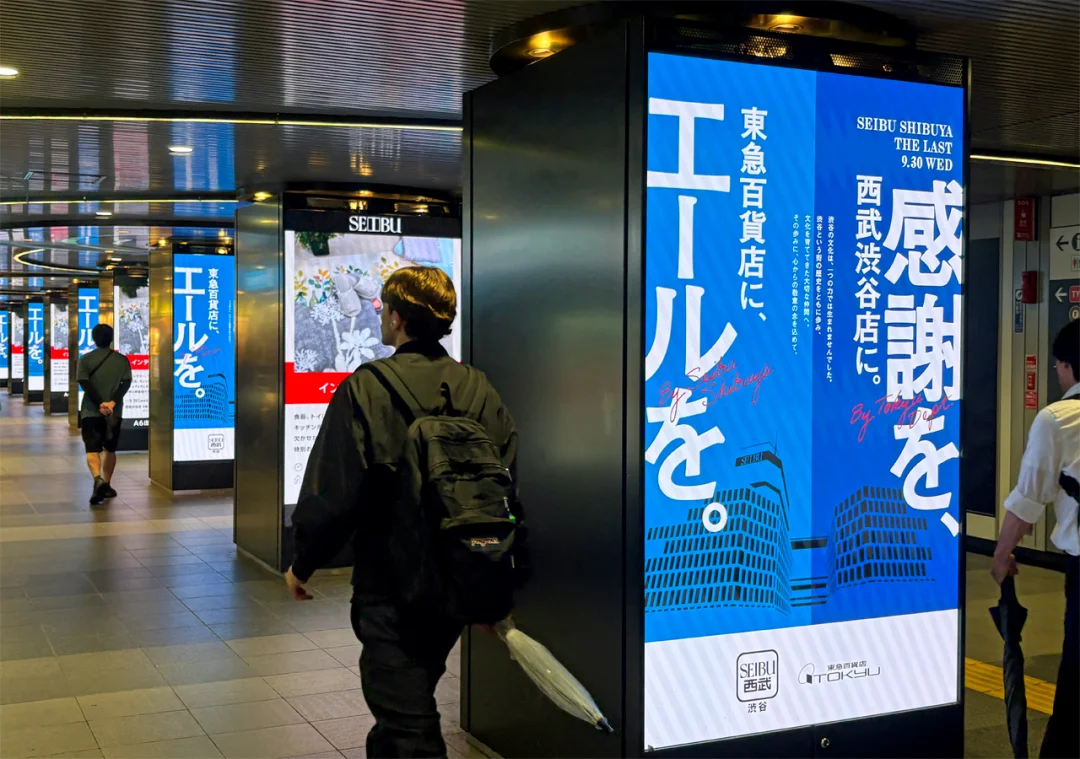
As a "first and last" collaboration between Seibu and Tokyu, they are launching an advertising campaign.
Given this history, it is quite significant that Seibu Shibuya and Tokyu Department Store, long-time rivals, have jointly launched an advertising campaign with the key visual "Thank you to Seibu Shibuya. Cheers to Tokyu Department Store" following the announcement of the store's closure.
The white latticework and connecting passages are also part of the "Shibuya landscape."
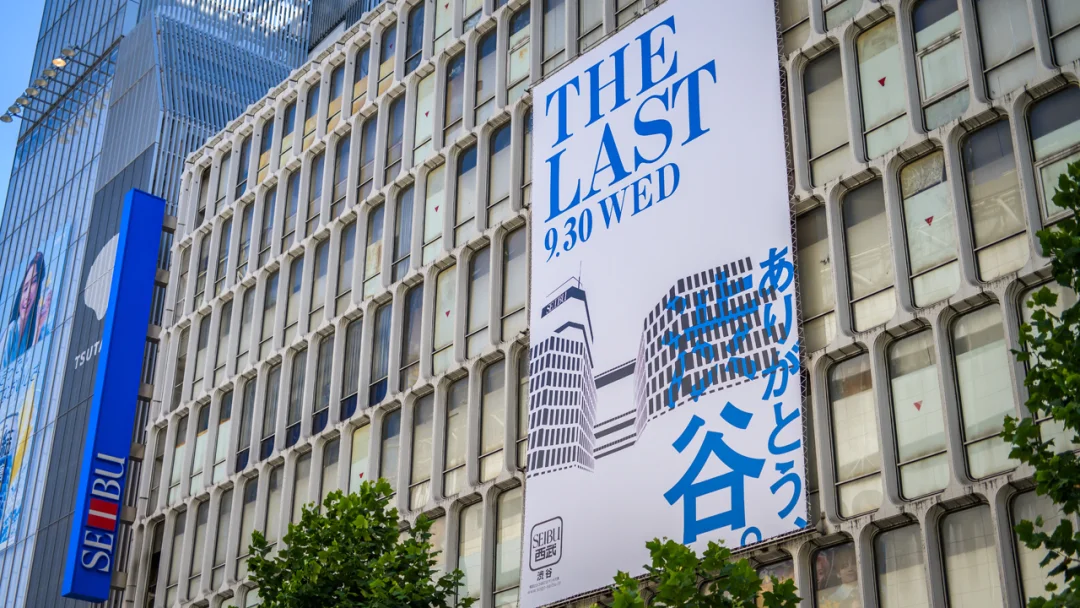
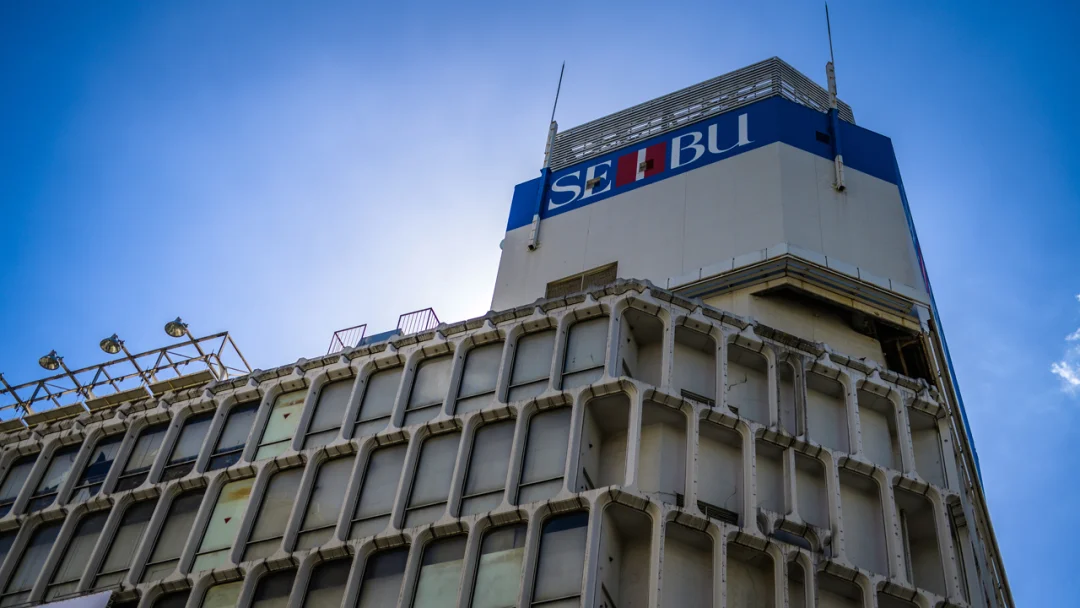
Seibu Shibuya Store is characterized by its white, lattice-patterned exterior walls.
The buildings themselves have also shaped the Shibuya landscape for over half a century. Completed in 1968, Buildings A and B are characterized by their three-dimensional lattice-like design covering the exterior walls. The unique landscape, with the two buildings facing each other across Inokashira Street (where the Udagawa River was covered over) and connected by an overhead walkway, has become a familiar "Shibuya landscape" for many.
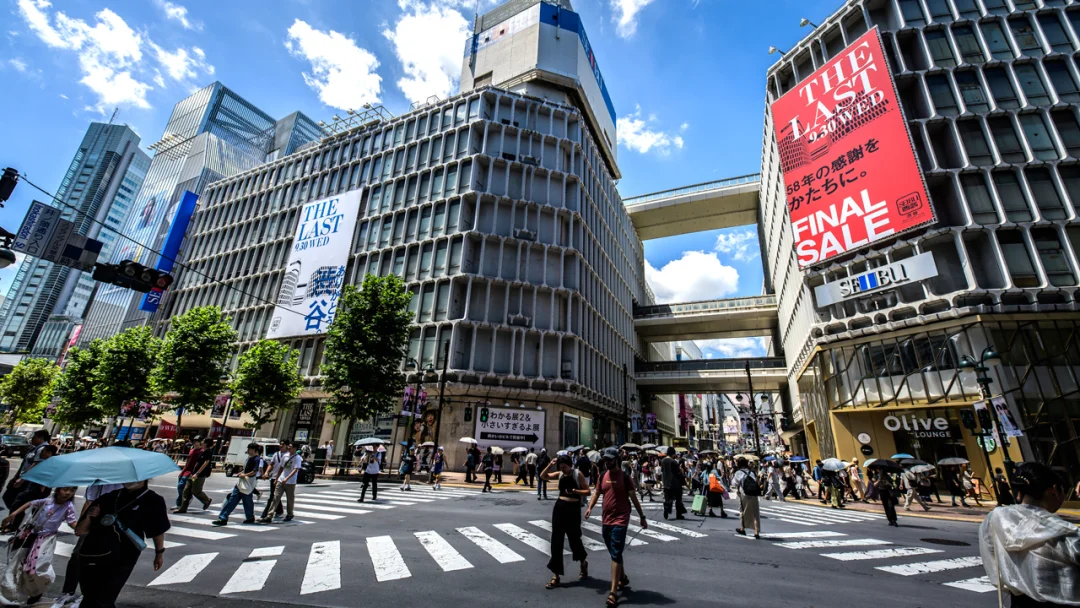
The Udagawa River flows between Building A and Building B, making it impossible to construct an underground passage. Therefore, connecting passages have been built on three floors: the 3rd, 5th, and rooftop. Although not open to the public, there is a service passage for employees on the 3rd basement floor that goes under the river.
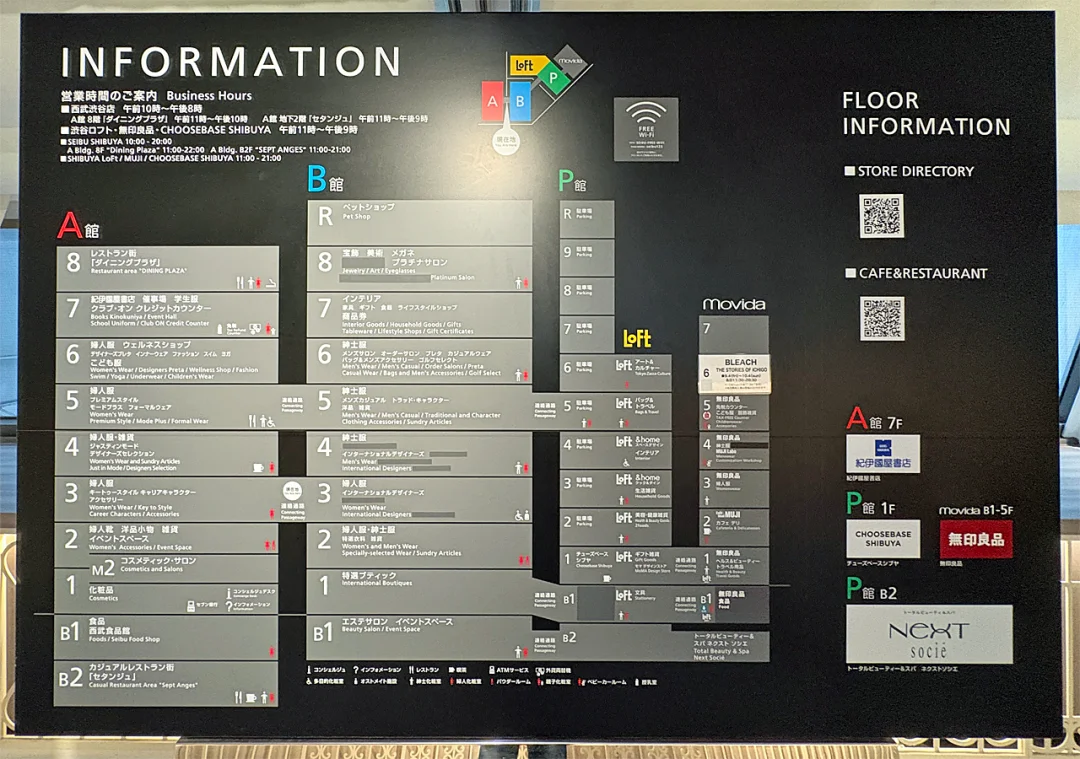
Floor map of Seibu Shibuya Store's A & B Buildings, Parking Building, Movita Building, and Loft Building. Overcoming limited space and topographical constraints such as the Udagawa River, multiple buildings are connected by passageways, expanding the sales area. Its complex structure rivals even Shibuya Station itself, creating a veritable "dungeon."
Before the department store was built, this location was home to two movie theaters: "Shibuya Shochiku Cinema" and "Shibuya Kokusai." From a district of movie theaters to a department store, and from that department store, culture—film, theater, music, fashion—spread back into the town. The memory of the place, too, possesses a strange continuity.
What "Delicious Life" asked
In the 1980s, the Seibu Group, including Seibu Department Store, developed a unique cultural strategy that stimulated consumers' sensibilities and imagination not only through the function and price of its products, but also through advertising, design, and culture.
One symbol of this was the advertisement for Seibu Department Store.
Advertisements such as "A Delicious Life," which featured copy written by Shigesato Itoi, art direction by Katsumi Asaba, and starring film director and actor Woody Allen, adorned the streets. Instead of describing the products themselves, the advertisements asked the question, "What kind of life do you want to live?"
While being a place to buy things, it also evokes the lifestyle and culture beyond. The "sensory management" advocated by Seiji Tsutsumi at the time was ahead of its time, quickly grasping today's consumer trend of "shifting from product consumption to experience consumption." Seibu Shibuya store, and the stores that sprang up around it, such as PARCO and LOFT, can be said to be examples of this philosophy expressed in the urban space itself.
Even if the department stores disappear, "Shibuya" will remain.
And then times changed. In 2020, Tokyu Department Store Toyoko branch closed its doors, followed by Tokyu Department Store Main Branch in 2023. And in 2026, Seibu Shibuya branch will also close. Traditional department stores that have represented Shibuya for many years are disappearing from the city one after another. Tokyu Department Store currently maintains contact with customers by dispersing its sales floors to various locations in the city, such as "ShinQs by TOKYU DEPARTMENT STORE" and "Shibuya Tokyu Food Show" in Shibuya Hikarie, and "Tokyu Food Show Edge" and "+Q (Plus Q)" in SHIBUYA SCRAMBLE SQUARE. On the other hand, the old-fashioned department stores that brought together everything from clothing, food, and shelter to culture in one building, retaining the atmosphere of the Showa era, are disappearing from Shibuya.
From an era when department stores were the heart of the city, driving the flow of people and creating culture, to an era where commercial facilities, specialty shops, and restaurants spread throughout the entire city, the closure of Seibu Shibuya Store can be seen as a symbolic event marking a major turning point in Shibuya's commercial history.
Regarding the closure of the Shibuya store, Sogo & Seibu, which operates Seibu Shibuya, stated that they had been in discussions with the land and building rights holders about the redevelopment of the entire store for nearly 20 years. In 2024, they received formal notification from the rights holders that redevelopment of Buildings A, B, and the parking building would begin, and subsequently, they were asked to terminate the lease agreement and vacate the building. Although negotiations continued, an agreement could not be reached, and they decided to close the store. Even after the closure of Seibu Shibuya, the Loft building and the Movida building will continue to operate as individual stores.
PARCO, Loft, theaters, live music venues, fashion, advertising, art—many of the "seeds" that Seibu Saison sowed in Shibuya remain in the city today, albeit in different forms and under different management. Rather than creating a finished product for the city, it was about allowing visitors to walk around, discover, and create their own ways of enjoying it. If we consider it this way, we can see the DNA left behind by Seibu in the character of Shibuya today as a city where diverse cultures mingle, which is now taken for granted.
- Tokyu Department Store's flagship store closes after 55 years of history; the store's opening was triggered by the entry of a rival (2023/02/01)
- Tokyu Toyoko Department Store closes after 85 years due to redevelopment around the station (2020/04/01)
- Special Feature: "NO END Tokyu Toyoko Shibuya Terminal" (March 2020)
And then, the final shutter
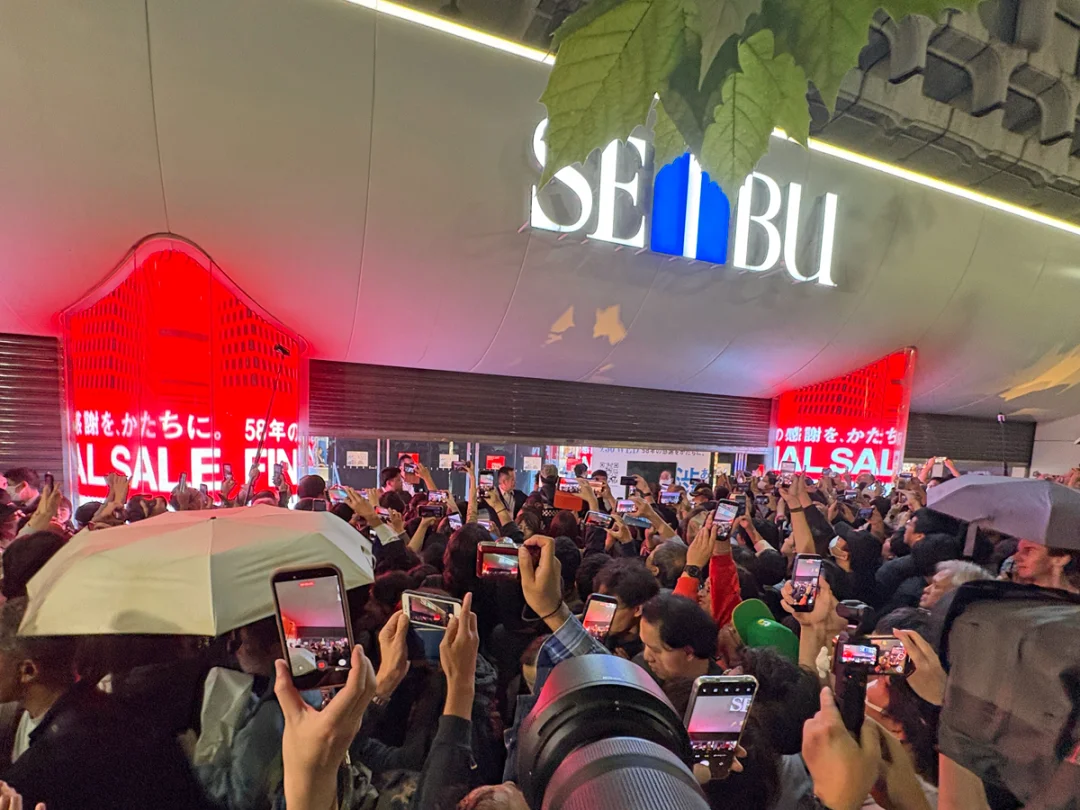
People watch as the black shutter slowly descends (Photo taken around 8:04 PM on September 30, 2026)
Shortly after 8 PM, the staff, having seen off the shoppers, closed the doors at the entrance of Building A. There was no closing ceremony by the staff, and soon the black shutters slowly came down, gradually obscuring the entrance to "SEIBU."
Reluctant to say goodbye, people gathered in front of the store shouted "Thank you" and applauded.
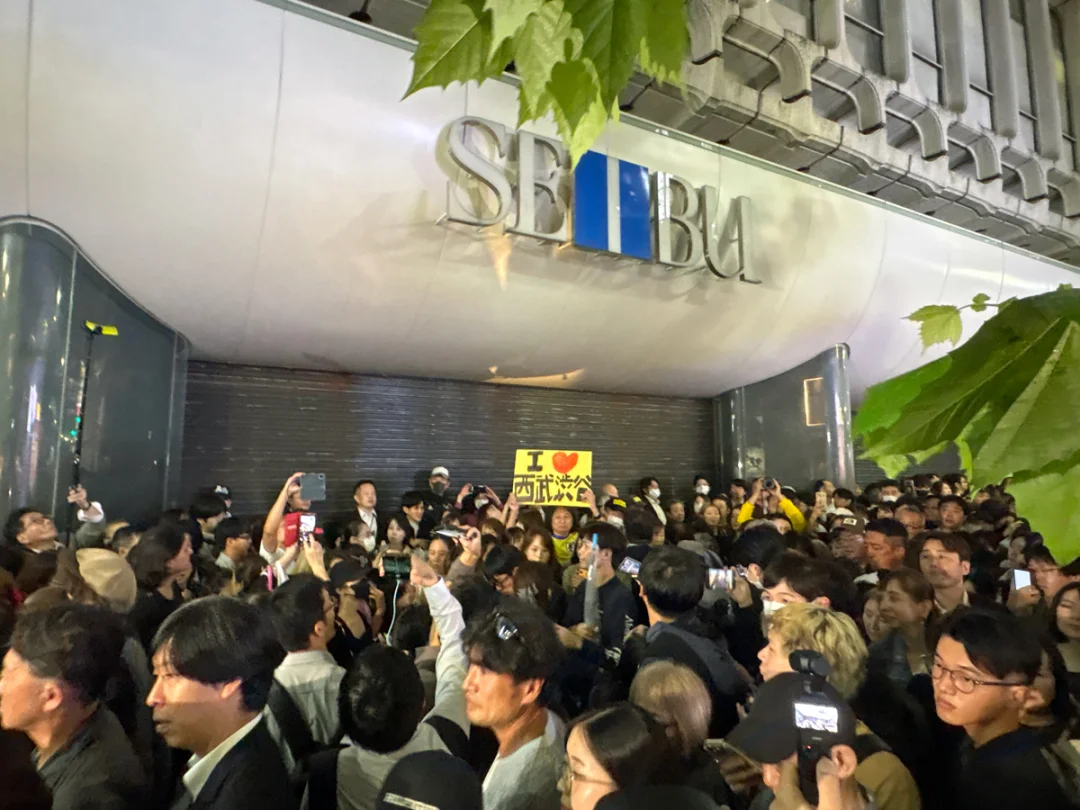
The black shutters closed, and the LED screen integrated into the pillars at the main entrance went out. It will never open again. (Photo taken around 8:06 PM on September 30, 2026)
Fifty-eight years ago, Seibu entered what was once known as "Tokyu's town." From there, they spread culture to PARCO, to Koen-dori, and eventually to the entire Shibuya district. On this day, Seibu Shibuya, as a department store, closed its doors after 58 years of history. Yet, walking through this district, you can still find PARCO, Loft, theaters and live music venues, and a fusion of fashion and art. The "Shibuya" that Seibu tried to create will continue to live on in the city, even after the final shutters have fallen.
Editorial Department: Takashi Fujii
Shibuya registrar. In addition to Shibuya of Culture information, seasonal news and topics, it will spell write that feel every day.
Genres within watch
Articles in the same genre
2026-11-15〜
さよなら、渋谷のハンズ。48年の歴史に幕 坂の街に生まれた「創造の迷宮」
2026-11-12〜
Architect Hiroshi Naito talks about "Memories of Shibuya": Unraveling the city's DNA and future through photographs
2026-11-11〜
[Report] Three "casual sports" originating from Jinnan, including shoe-throwing, were unveiled for the first time, devised by local adults.
2026-11-10〜
Making Shibuya Station's East Exit More Enjoyable with Art: Collaboration Between People with Disabilities and Urban Development Members
Featured articles on the site
さよなら、渋谷のハンズ。48年の歴史に幕 坂の街に生まれた「創造の迷宮」
Architect Hiroshi Naito talks about "Memories of Shibuya": Unraveling the city's DNA and future through photographs
Making Shibuya Station's East Exit More Enjoyable with Art: Collaboration Between People with Disabilities and Urban Development Members