SHIBUY.A. × WATCH

Architect Hiroshi Naito talks about "Memories of Shibuya": Unraveling the city's DNA and future through photographs
2026-11-12
SHARE
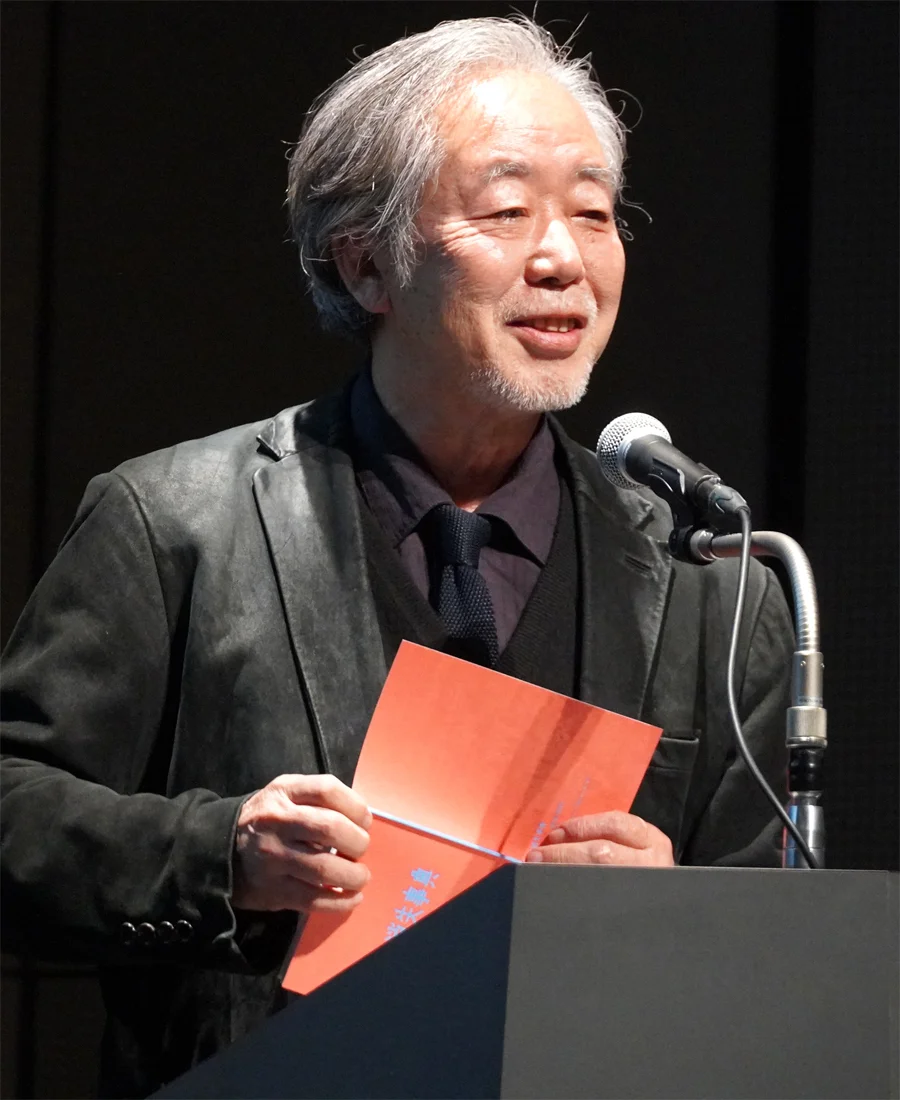
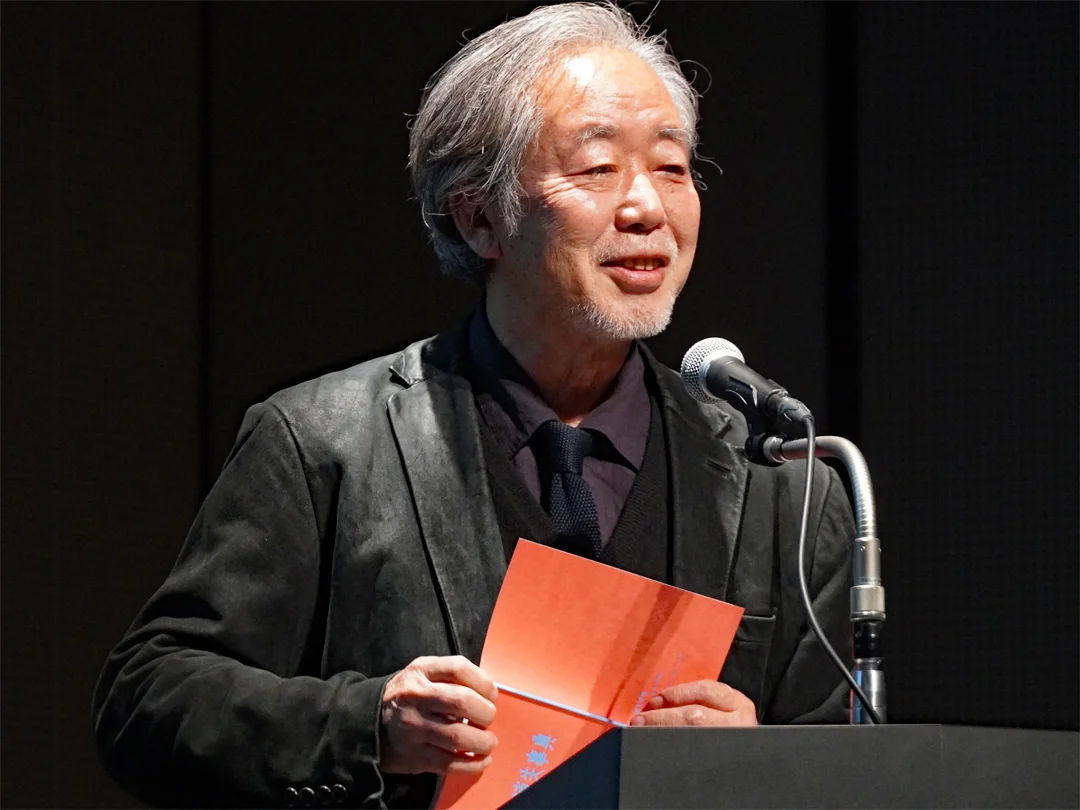
The redevelopment project around Shibuya Station is progressing rapidly. On November 9th, a special lecture entitled "Memories of Shibuya and Shibuya of Memories" was held at Hikarie Hall B on the 9th floor of Shibuya Hikarie, given by architect Hiroshi Naito, who has played a central role in the redevelopment project, including serving as the chairman of the "Shibuya Station Central District Design Conference" for many years. As a commemorative event for the "Shibuya Archive Photo Exhibition 2026" which will be held from the following day, Naito, who has been involved in the redevelopment of the area around Shibuya Station for about 20 years, spoke about the history and culture of the city and what is needed for Shibuya in the future, while projecting photographs capturing the landscape of Shibuya in the past onto a screen.
- Commemorative Lecture for the Shibuya Archive Photo Exhibition 2026
"Memories of Shibuya and Shibuya of memories" - Speaker: Hiroshi Naito (Architect)
- Date and Time: Monday, November 9, 2026, 16:00-17:00
- Venue: Hikarie Hall B, 9th Floor, Shibuya Hikarie
- Organized by: Commons Archive Collective
- Co-sponsored by: Shibuya Dogenzaka Shopping Street Promotion Association
- Related events:Shibuya Archive Photo Exhibition 2026
Shibuya is constantly changing, yet its "City DNA" remains unchanged.
I've been involved with Shibuya for 20 years now. Looking at the project schedule (for the redevelopment around the station), it seems like it will still take a long time, and I don't think it will be completed in my lifetime. But a city is alive, so there is no end to it. I'm sure Shibuya will still be bustling with activity 100 years from now. We are playing a part in one scene of that long history, and we intend to contribute to Shibuya to the best of our ability.
I think this initiative to create an archive of Shibuya based on photographs is truly wonderful. My first impression upon seeing the photos was that it hasn't changed as much as I expected. The buildings have changed considerably due to redevelopment, but Shibuya's DNA remains the same. If this were to change, Shibuya would be in danger, but I feel that Shibuya is still alive.
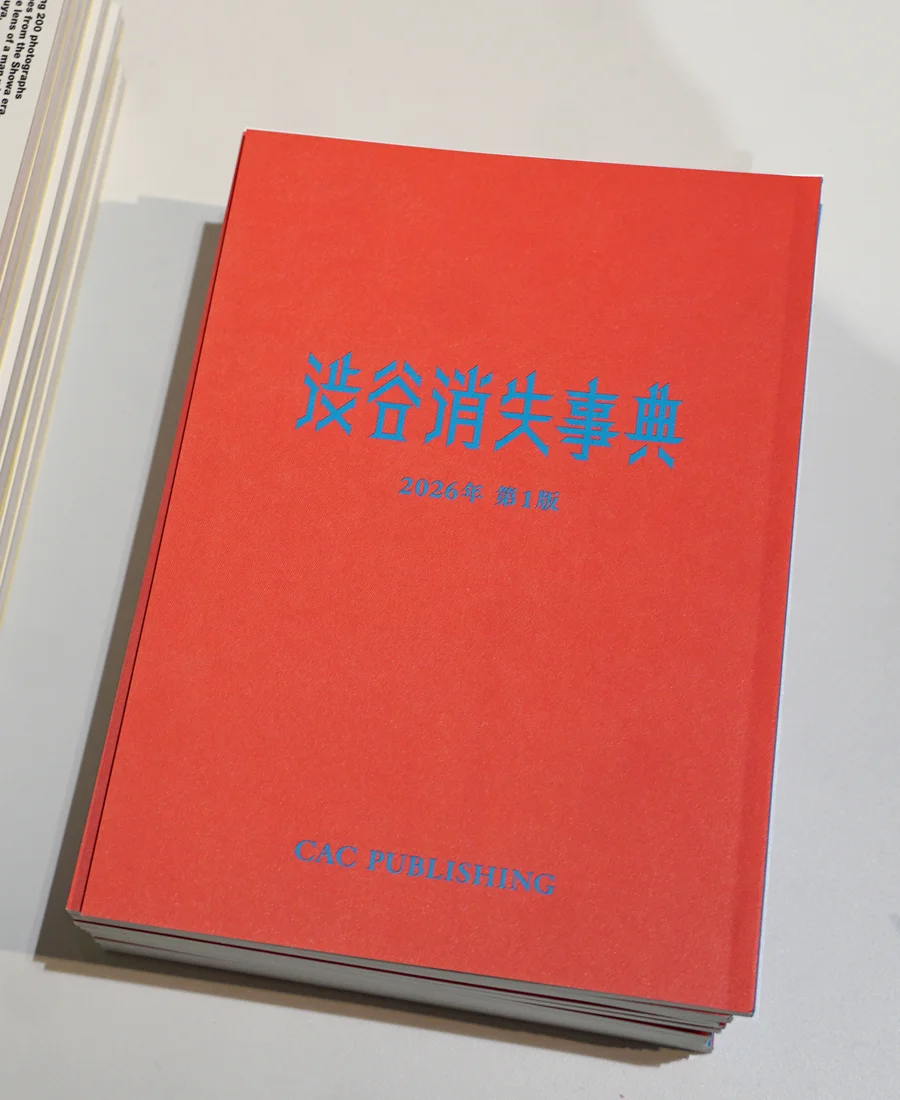
At the beginning of his lecture, Mr. Naito mentioned "Shibuya Disappearance Encyclopedia," a book published by CAC, the organizer of the "Shibuya Archive Photo Exhibition 2026." The book was compiled based on materials collected through the photo exhibition and information obtained through interviews, and includes 374 items such as shops, facilities, and streets that have disappeared from Shibuya over the past 100 years.
The book "Shibuya Disappearance Encyclopedia," produced by the organizers of this photo exhibition, is also interesting. It compiles things that have disappeared like an encyclopedia, and some places I remember are listed. For example, "Jan Jan" on Koen-dori. When I was a student, I would go to Jan Jan whenever there was something going on, to listen to music and see various performances. I think that place was one of the hubs for cultural dissemination.
I keep telling Tokyu that I hope they can recreate a place like that. Hands is gone, and Seibu has disappeared too. But that's also a part of Shibuya's history. If everyone thinks it's necessary, I think a new place like that will be created again.
The "freedom and willpower" that have driven Shibuya
私は今、多摩美術大学の学長をしていますが、この大学の教育理念に「自由と意力」という言葉があります。「意力」というのは、外から与えられるパワーではなく、内側から湧き上がってくる意志の力、何かをやろうとする気持ちのことです。
Actually, I think this word is perfect for describing Shibuya.
Freedom is being lost in the world today. Society is becoming increasingly rigid, and with the spread of AI and the internet, I feel that humanity is losing its ability to truly pursue something from the bottom of its heart.
In this day and age, why do so many people gather in Shibuya? I think it's because there's a free atmosphere here, and the people of the city have the drive to create their own city.
Looking at these photos, I think you'll get a sense that freedom and spirit have always been like the very lifeblood of Shibuya.
The brightness and freedom of Shibuya as seen in photographs from the Showa era.
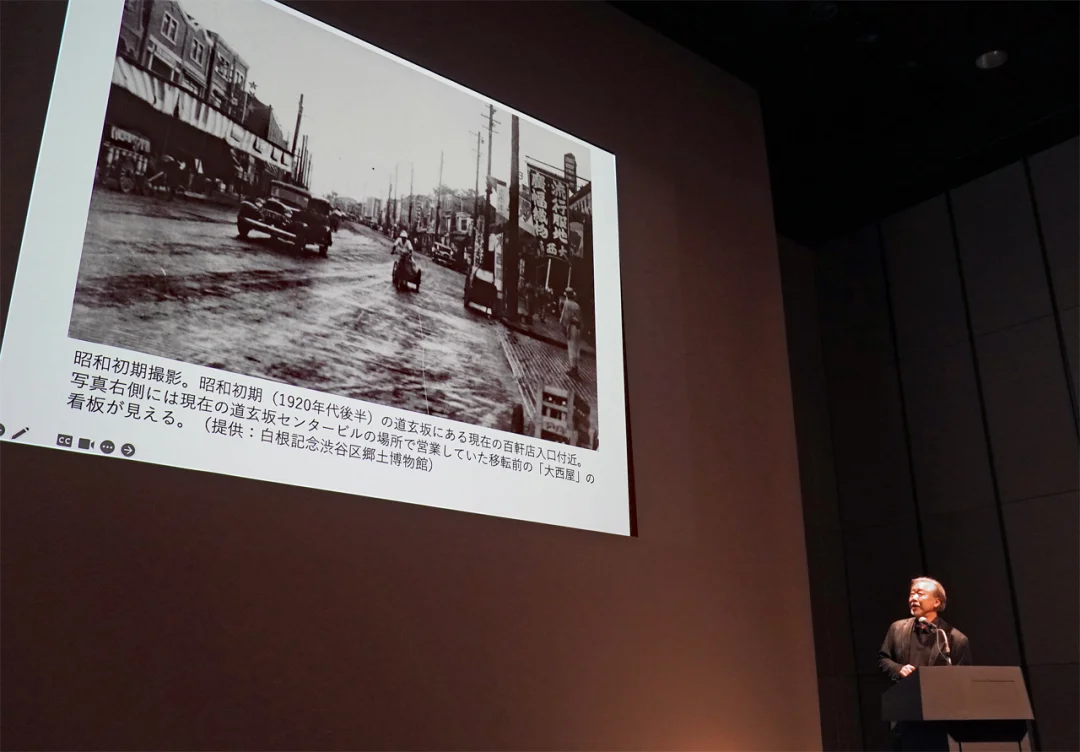
The area near the entrance to Hyakken-dori in Dogenzaka in the early Showa period (late 1920s)
First, here's a photo of Shibuya from the late 1920s. I think this was a time after the Great Kanto Earthquake when more people moved to Shibuya from central Tokyo. It was already quite lively even back then. Next is a photo from 1958 (Showa 33). I was born in 1950, so I was eight years old. My grandparents lived in Tokyo, so I have a vague memory of walking around Shibuya with my grandfather when I was a child.
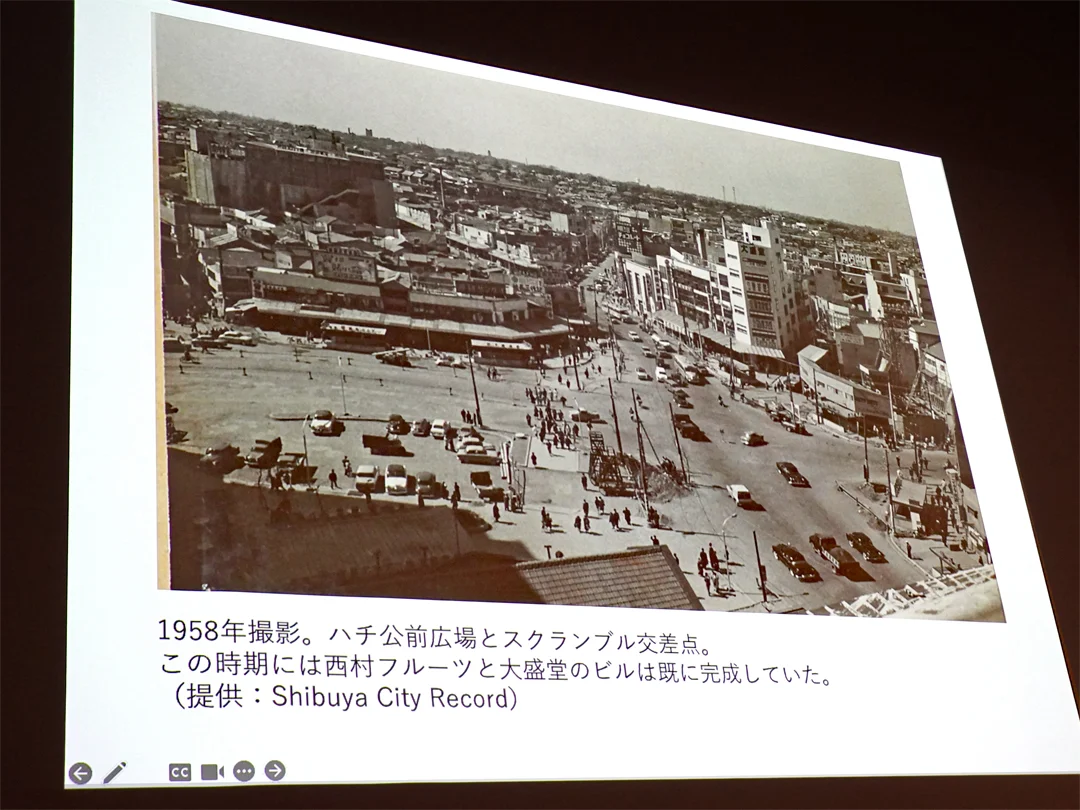
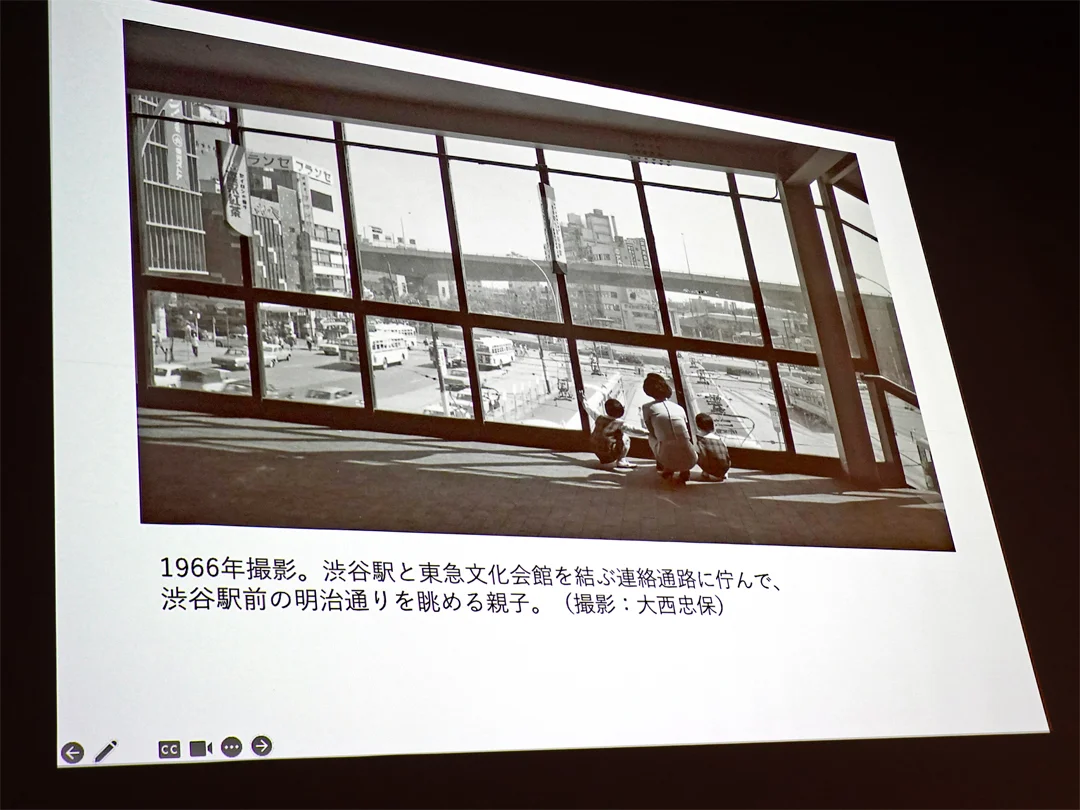
Left: Photographed in 1958. Hachiko Square and Shibuya Scramble Crossing. Right: Photographed in 1966. Connecting walkway between Shibuya Station and Tokyu Culture Hall.
1958 was the year Tokyo Tower was completed. The Iwato Boom began, Chicken Ramen and the Super Cub appeared, and Shigeo Nagashima made his professional baseball debut. This is what Shibuya was like during that era of rapid economic growth.
In this 1966 (Showa 41) photograph, I'm looking out at the city from a passageway connecting the Tokyu Culture Hall and Shibuya Station. You can already see the Metropolitan Expressway in the distance. That year, Japan's population surpassed 100 million, and the Beatles made their first visit to Japan, performing at the Budokan.
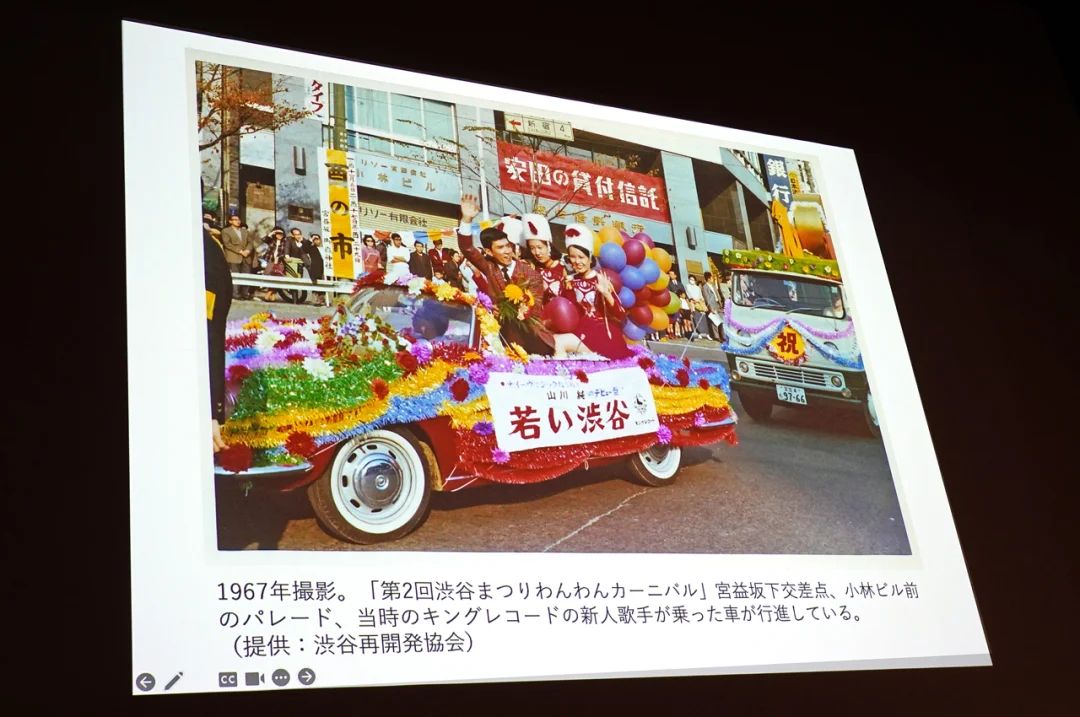
Photographed in 1967. "2nd Shibuya Festival Wanwan Carnival" Miyamasuzaka-shita intersection.
The photograph from 1967 (Showa 42) shows the "Shibuya Festival Wanwan Carnival" at the Miyamasuzaka intersection. New singers from King Records are parading in a car. That year, Twiggy came to Japan, and miniskirts became fashionable. The atmosphere of that era is reflected in the street photograph.
What I'm trying to say is, Shibuya is vibrant. It's free, and you can feel the energy to do something.
Actually, there was an unsettling atmosphere in society at that time due to student movements and other issues. But Shibuya, regardless of the social climate, seemed to be constantly proclaiming that we should stay positive and that freedom is important.
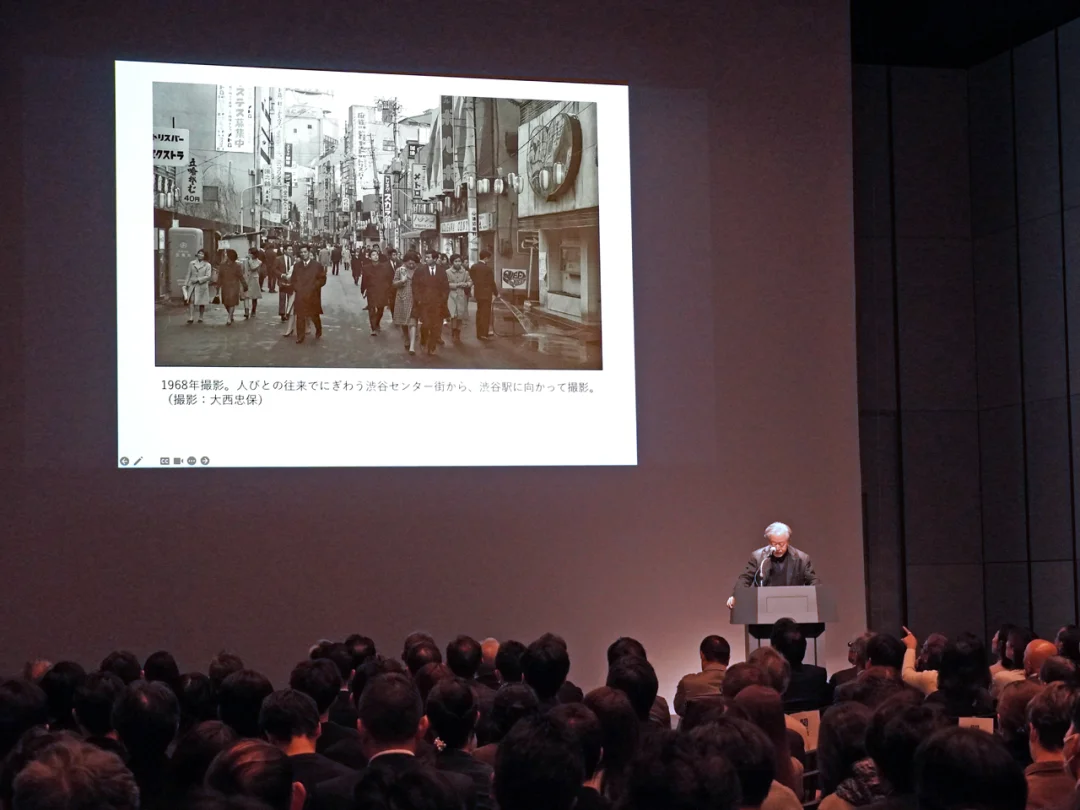
Photographed in 1968. Shibuya Center Street, bustling with people coming and going.
A photograph taken in 1968 (Showa 43) looking towards Shibuya Station from Center Gai still captures the atmosphere that connects to present-day Shibuya. That year, the Kasumigaseki Building was completed, marking the beginning of skyscrapers in Japan. While the office district was developing on one side, Shibuya remained a lively town where people strolled around bustling with activity.
In 1969 (Showa 44), Apollo 11 landed on the moon. However, the world was also a very tense place, with events like the University of Tokyo Yasuda Auditorium incident occurring. Despite this, the "Shibuya Festival" was held on Dogenzaka in Shibuya, attracting young people.
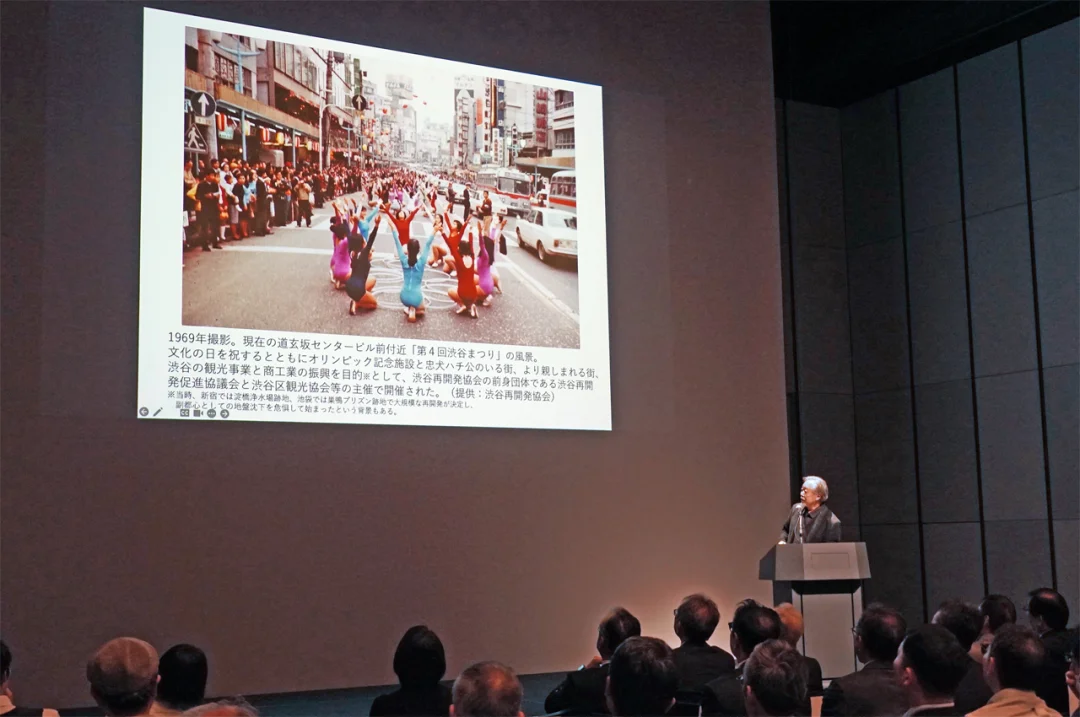
Photographed in 1969. Near the current Dogenzaka Center Building. A scene from the "4th Shibuya Festival".
This was also the year that Jang Jang was born. One moment they'd be playing jazz, the next Jinjian Takahashi would be performing, and the following day they'd be staging a Shakespeare play. It was a place that embraced such diverse cultures.
The site where Shibuya Parco later stands was also used for events where young people gathered to dance. In 1970, Shibuya also became a pedestrian zone.
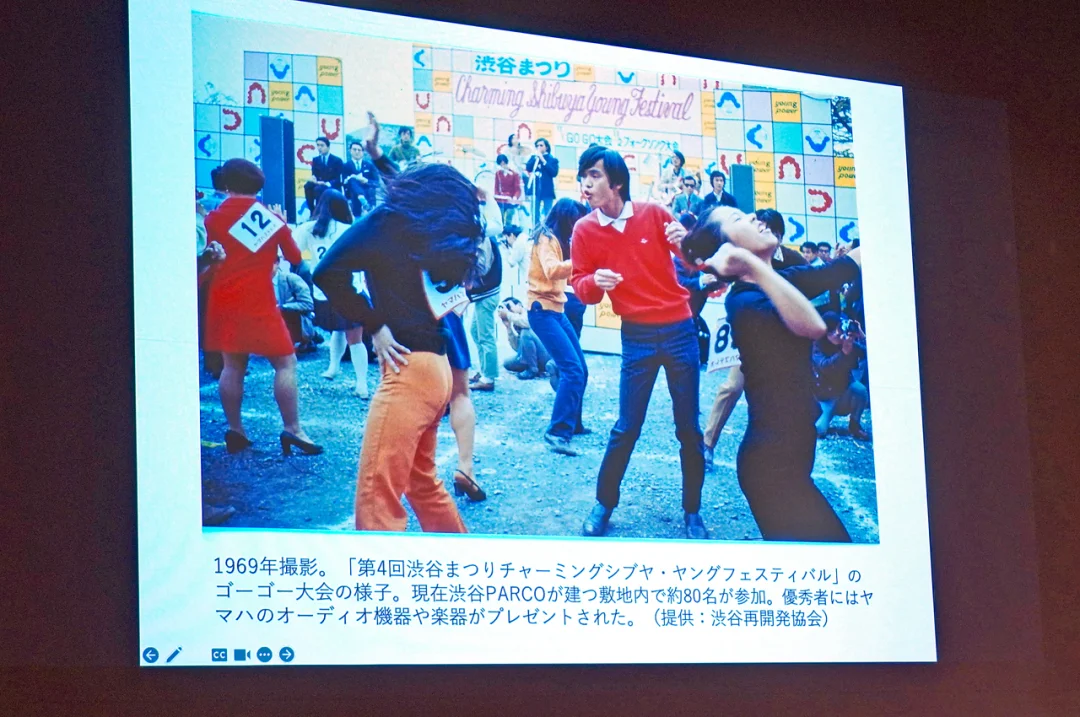
Photographed in 1969. A scene from the go-go dance competition at the "4th Shibuya Festival Charming Shibuya Young Festival" (on the site where Shibuya PARCO now stands).
There were all sorts of incidents happening in the world, and sometimes it felt suffocating. But in Shibuya, there was a freedom that blew all that away. Young people would come to Shibuya to dance, drink, and shop. I think that's what Shibuya was all about.
Because people forget, it's important to remember from time to time.
I was involved in the reconstruction of the Sanriku region for about 10 years after the Great East Japan Earthquake. There was something that puzzled me during that time. The people in the affected areas were very cheerful. I wondered why they were so cheerful despite such a tragic event.
After a while, I realized that when something too painful happens to a person, they might feel they can't live tomorrow unless they forget it. Humans are forgetful. In fact, I think we are beings who live by forgetting.
So, forgetting is inevitable. But sometimes, try to remember. When you do, things like why you are here now and what you need to cherish from now on come back to you.
What exactly was Shibuya? I think photographs are a very effective way to get started on thinking about that.
When you look at the archives, I hope you'll remember not only the scenery, but also what was happening during that time. There weren't only happy events; there were also many difficult times and economic crises. Yet, Shibuya still had freedom and brightness. I hope you can feel that.
Even with redevelopment progressing, we want to remain a town that is the complete opposite of Otemachi.
I get asked this a lot: What will become of Shibuya now that they're building all those skyscrapers?
Since redevelopment is being used as a driving force to transform the city, we have to accept the changes. But each time, I respond by saying, "It's okay. Shibuya's DNA is not dead."
20年ほど前、渋谷の再開発に取りかかった時、一緒に渋谷のまちづくりに関わっている都市計画の岸井先生と「大手町を仮想敵にしよう」と話したことがあります。
Otemachi is a neat and tidy office district. But I want Shibuya to be the complete opposite. No matter how many skyscrapers are built or how much redevelopment takes place, I want it to be a place with a different, more free atmosphere than Otemachi.
The charm of Shibuya isn't in having the world's tallest building. It's in the scramble crossing, the Hachiko Square, the alleys of all sizes tucked away in the back streets, the activities of the shops that operate there, and the free atmosphere that the people associated with Shibuya naturally create. These are the precious things.
It may not be visible to the eye, but I think this kind of free atmosphere is incredibly precious, even on a global scale. That's why everyone comes to Shibuya. If that disappears, people will stop gathering in Shibuya.
The mayor of Shibuya Ward has also spoken about the importance of street culture, but if the sense of freedom is lost from the streets, it's all over.
I think many unpredictable things will continue to happen in Shibuya. But even so, I hope that the free-spirited atmosphere of the town will be preserved.
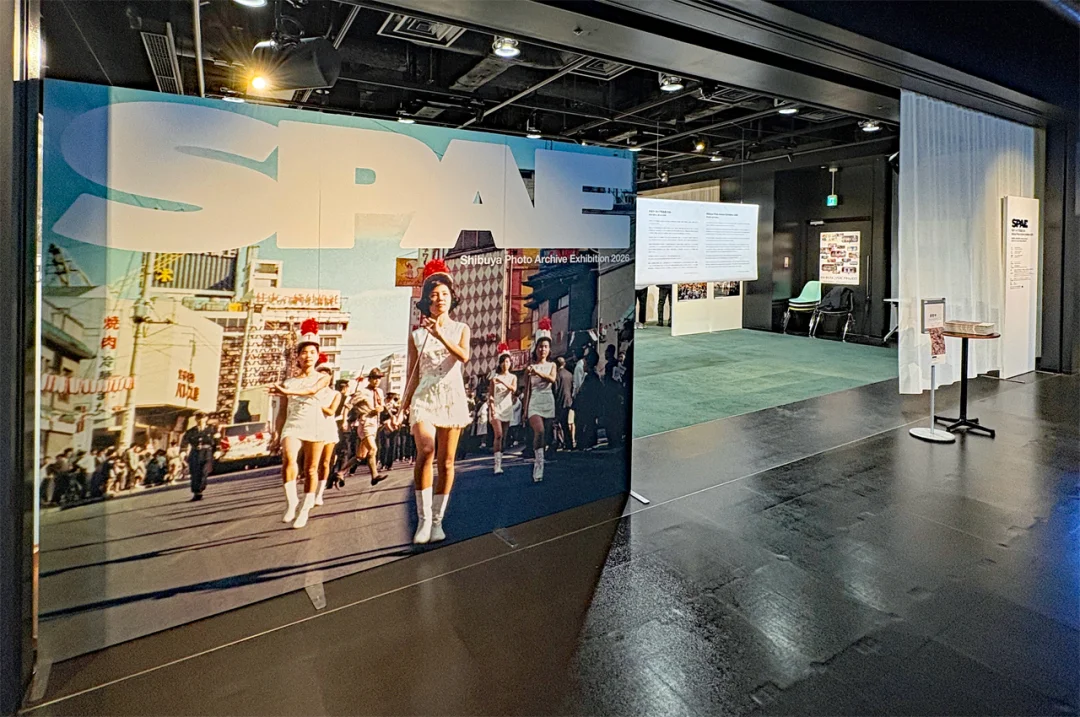
The "Shibuya Archive Photo Exhibition 2026" is being held until November 23rd at the "8/COURT" event space on the 8th floor Shibuya Hikarie.
Through this archival photo exhibition, we hope you will remember what Shibuya has cherished and consider what the city will look like in the next 20 or even 100 years. In particular, we hope that companies involved in redevelopment will look at these old photographs and imagine the Shibuya they will create in the future.
As long as there's a free and open atmosphere, Shibuya will continue to thrive. That's what I believe.
A watermill that once stood on the Shibuya River: A postcard captures a scene from 100 years ago.
Although the area around Shibuya Station is now lined with skyscrapers, there were once many watermills along the Shibuya River that supported people's lives. During the lecture, architect Hiroshi Naito projected a precious postcard on a screen showing a Shibuya watermill from about 120 years ago and shared the story behind its discovery.
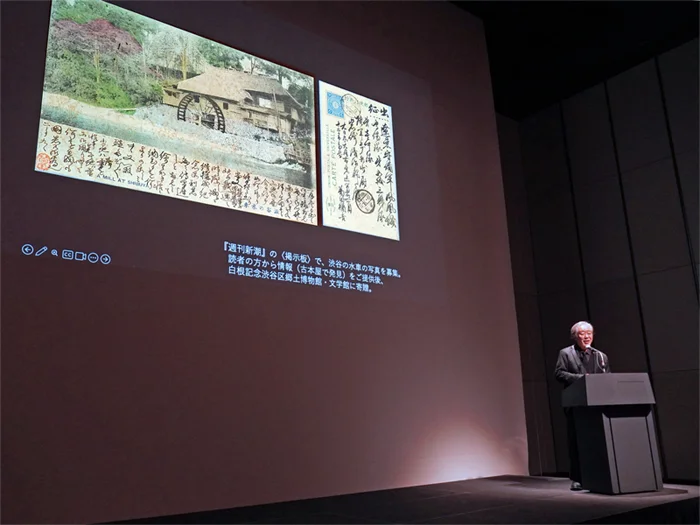
Mr. Naito introduces an anecdote about the postcard featuring the "watermill in Shibuya."
Theきっかけ (trigger) was a story Naito heard from Mikio Kobayashi, a local resident of Miyamasuzaka who has been involved in urban development in Shibuya for many years. "I heard that there used to be a watermill on the Shibuya River. I didn't think that could be true, but I tried to find some photographs from that time," Naito said. However, he couldn't find any.
その後、古本屋で古い絵はがきを入手した人から、偶然にも写真の寄贈を受けた。絵はがきには「渋谷の水車」と記されており、消印には明治39年とあるので日露戦争の翌年に当たる約120年前頃の風景が写っていた。「渋谷って、こんな街だったんだと。100年以上前には、こんな風景があったんですね」と内藤さん。貴重な歴史資料として、絵はがきは白根記念渋谷区郷土博物館に寄贈したという。
Towards the end of the lecture, at Naito's invitation, Kobayashi also took the stage and introduced the history of the watermills on the Shibuya River.
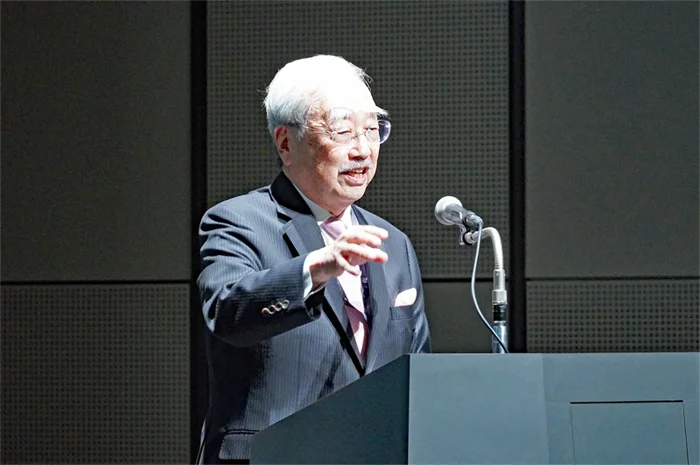
Mr. Mikio Kobayashi, who is knowledgeable about the watermill that once stood in Shibuya and has been involved in urban development in Miyamasuzaka for many years (Representative Secretary of the Shibuya East District Urban Development Council, Advisor to the Shibuya Miyamasuzaka Neighborhood Association)
According to Mr. Kobayashi, it is said that there were once more than a dozen waterwheels on the Shibuya River. The waterwheel located under Miyamasu Bridge was a large one, with a radius of approximately 6 meters (not diameter), equipped with 47 millstones, and used to grind rice, wheat, and other grains.
Furthermore, he shared an anecdote about Shibuya Elementary School, which was founded in 1875 (Meiji 8), and how initially, a portion of the profits from the waterwheel was used to cover the school's operating expenses. Mr. Kobayashi's father also recalled swimming and playing in the Shibuya River when he was a child. Later, with the spread of electricity and other factors, the role of the waterwheel was lost, and it gradually disappeared.
"Isn't it a great story?" says Mr. Naito. The image of a watermill is hard to imagine in today's Shibuya, with its towering skyscrapers. An old postcard and memories passed down through generations of the town's residents tell us about Shibuya's little-known history.
Editorial Department: Takashi Fujii
Shibuya registrar. In addition to Shibuya of Culture information, seasonal news and topics, it will spell write that feel every day.
Genres within watch
Articles in the same genre
2026-11-11〜
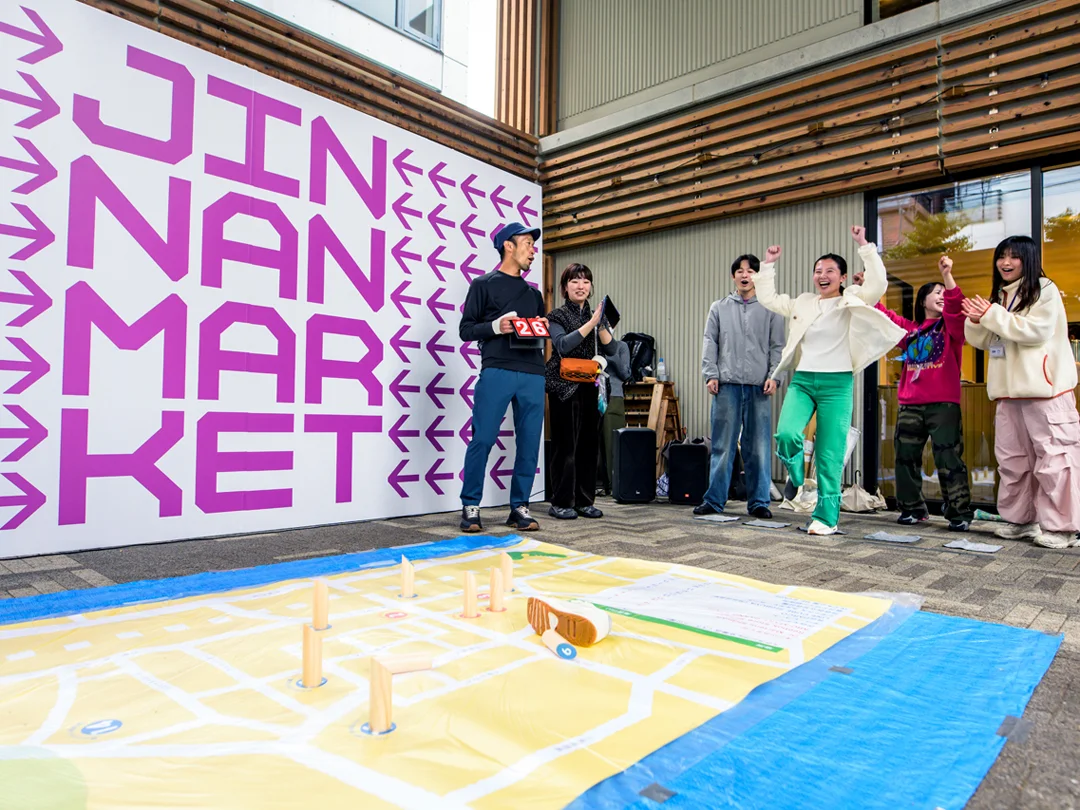
[Report] Three "casual sports" originating from Jinnan, including shoe-throwing, were unveiled for the first time, devised by local adults.
2026-11-10〜
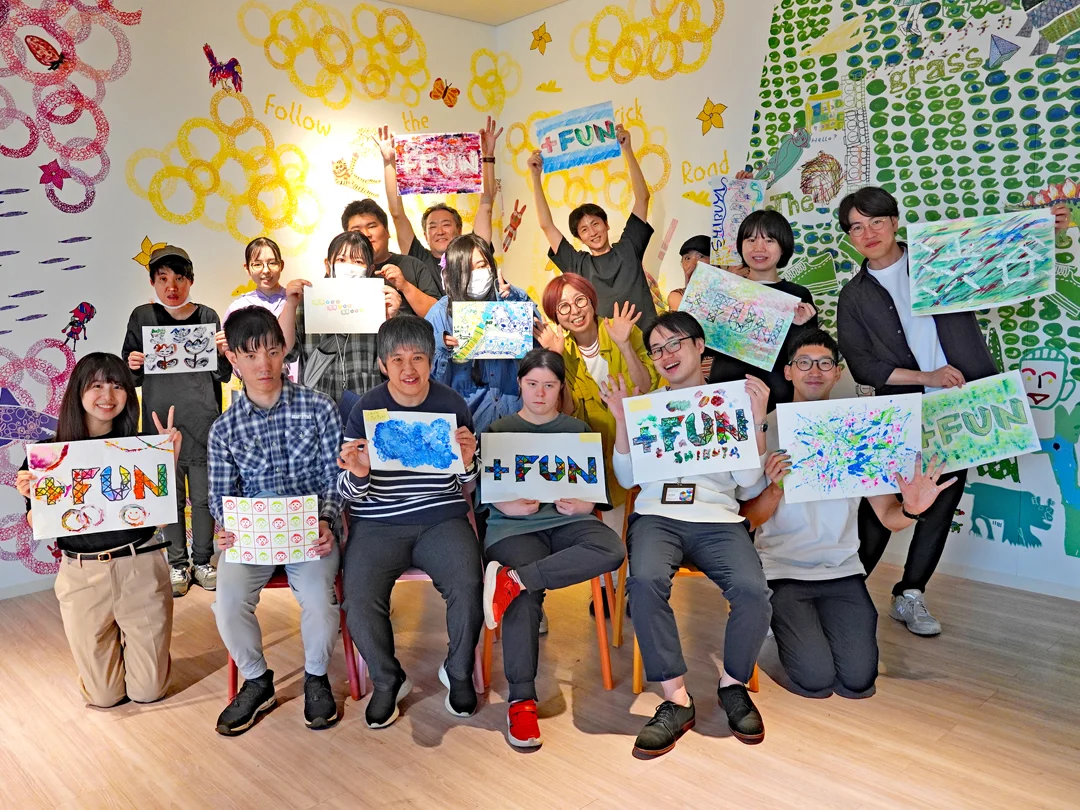
Making Shibuya Station's East Exit More Enjoyable with Art: Collaboration Between People with Disabilities and Urban Development Members
2026-11-04〜
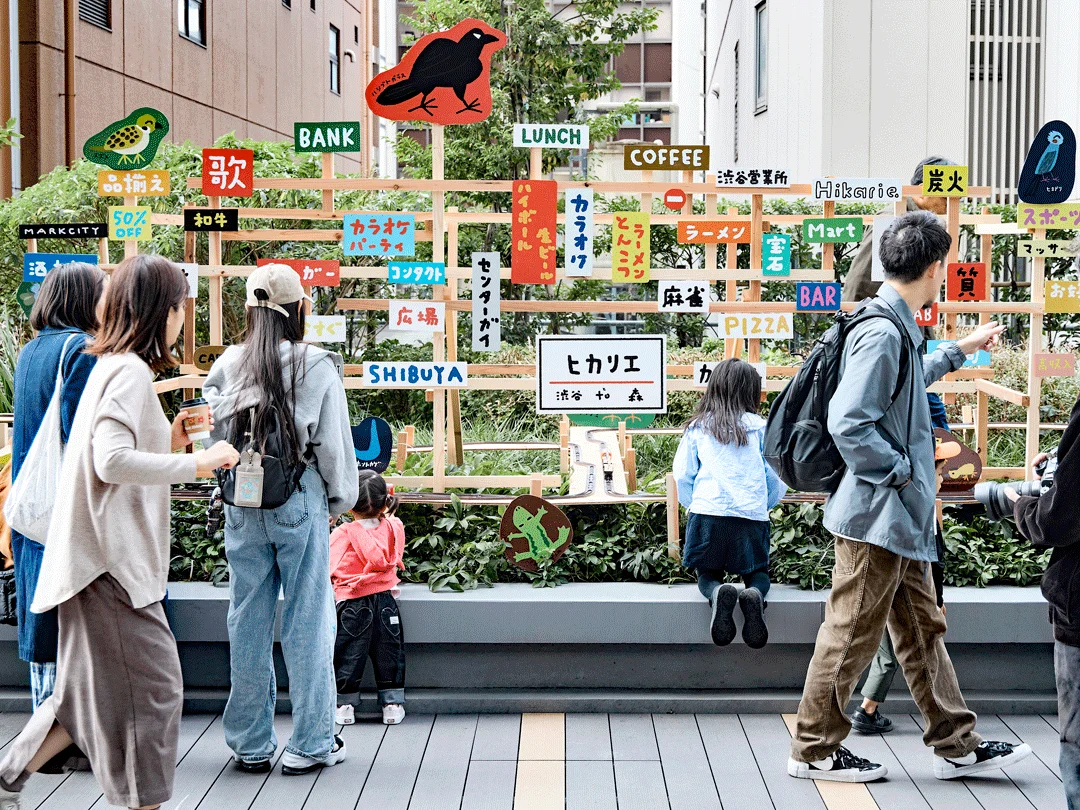
Create "animal keychains" at Shibuya Hikarie Deck: Parents and children can experience the "cycle of life."
2026-11-04〜
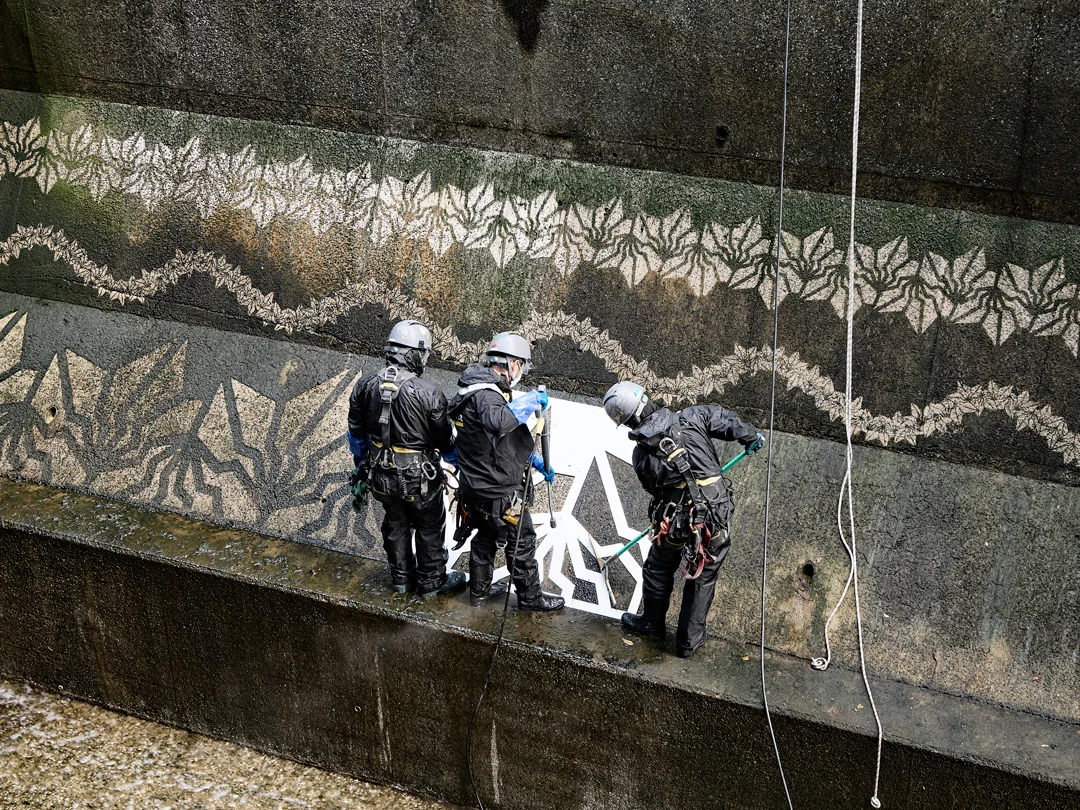
A giant "washing art" piece has appeared along the Shibuya River, created by BAKIBAKI using a high-pressure washer.
Featured articles on the site
Architect Hiroshi Naito talks about "Memories of Shibuya": Unraveling the city's DNA and future through photographs
Making Shibuya Station's East Exit More Enjoyable with Art: Collaboration Between People with Disabilities and Urban Development Members
A photo exhibition tracing the memories of Shibuya's "vanished streets" and the city itself: 186 photographs and people's testimonies.