SHIBUY.A. × WATCH

[Report] Three "casual sports" originating from Jinnan, including shoe-throwing, were unveiled for the first time, devised by local adults.
2026-11-11
SHARE
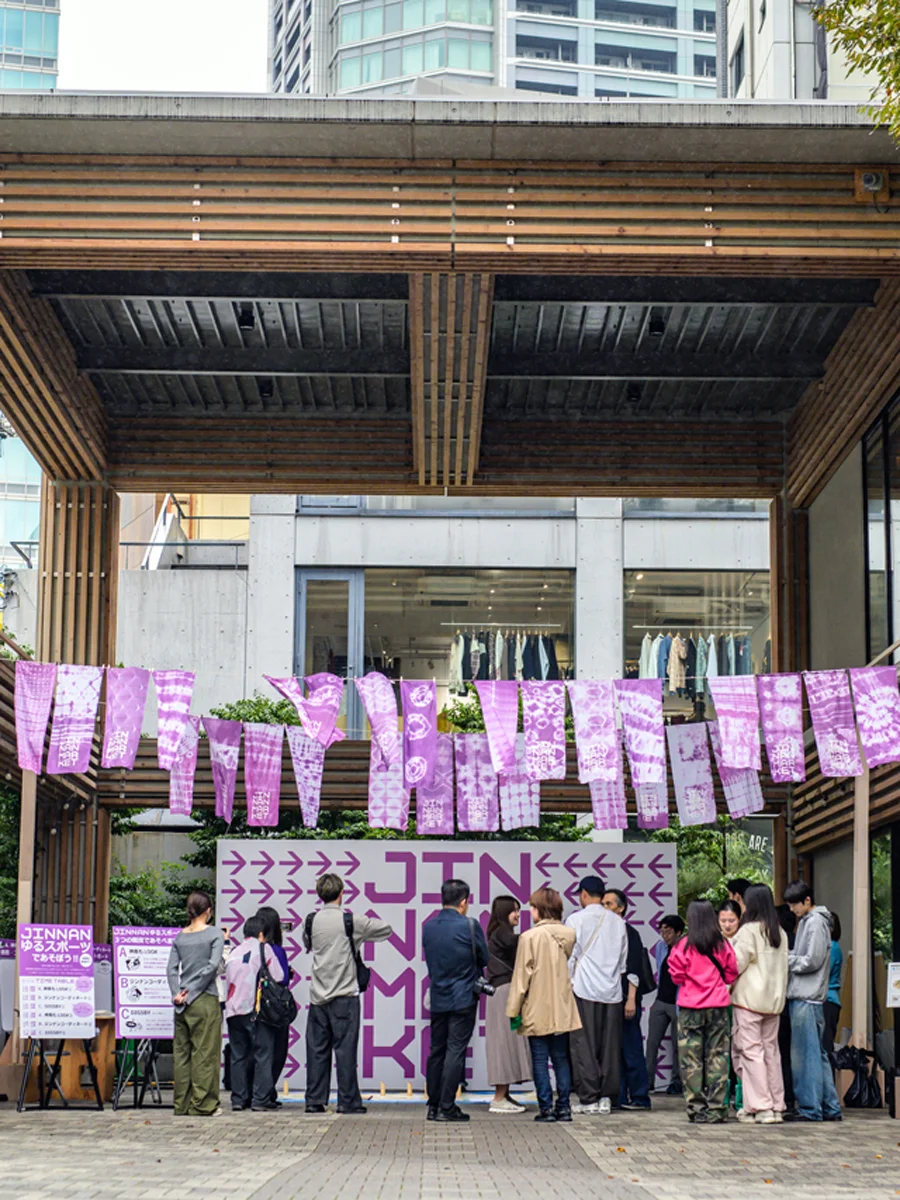
Three "casual sports" devised by local businesses in the Shibuya-Jinnan area were unveiled on October 24th at the local event "14th JINNAN MARKET" and "JINNAN CULTURE CANVAS," held on the same day. Despite the unfortunate rain, children from Jinnan Elementary School and university students tried out the new sports in a covered space within Kitaya Park. They enjoyed unique competitions incorporating the characteristics of the town, such as shoe throwing, music, and fashion, and laughter filled the venue.
A sport born in Jinnan makes its debut at the rainy Chatan Park.
"JINNAN MARKET" is a regularly held market centered around Kitaya Park, organized in cooperation with local businesses and residents. This 14th edition was themed "OPEN THE DOOR!" and aimed to create a space where people connect with each other and with the town through pop-up shops, food, workshops, music, and more. The event was organized by "Shibukita Partners" (Tokyu, CRAZY AD, Nikken Sekkei), the designated manager of Kitaya Park. This time, it was held on the same day as the local event "JINNAN CULTURE CANVAS" (organized by the Shibuya Park Street Regional Cooperation Event Executive Committee).
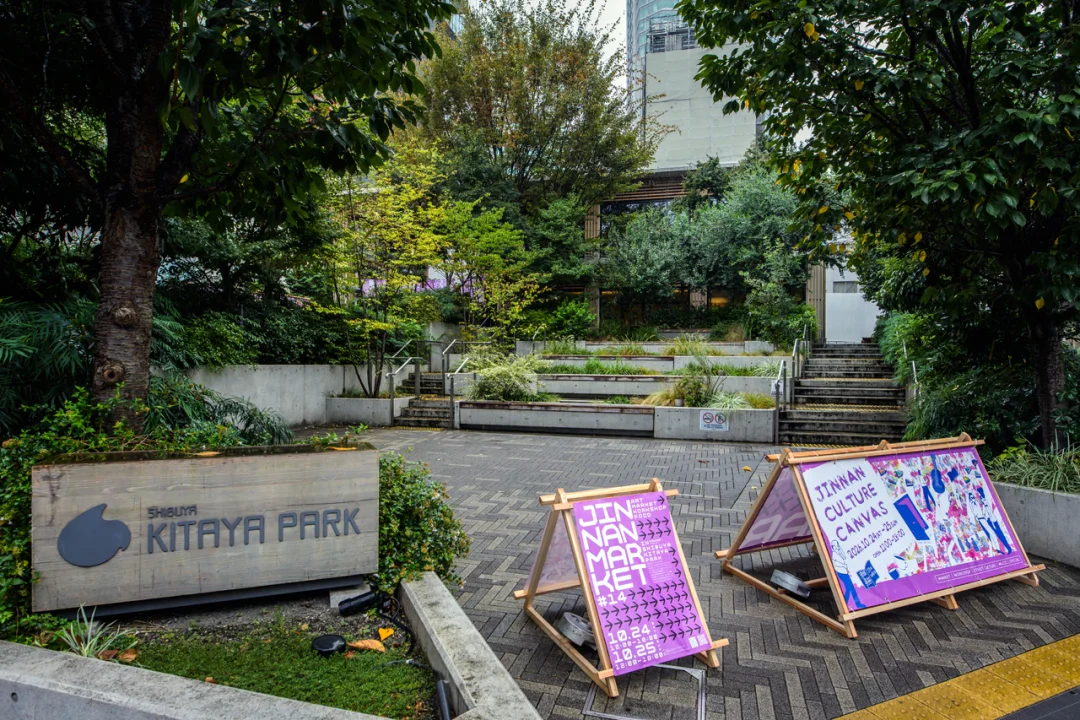
It was a rainy day at Chatan Park. The "JINNAN MARKET" was held on a reduced scale.
Due to rain on the day, the planned music performances and food trucks were canceled. The art market and workshops were moved to the nearby co-working salon "SLOTH JINNAN," and the "Yuru Sports" experience session, one of the most anticipated events, was held in a covered space adjacent to the Blue Bottle Coffee in the park.
The event showcased three competitions developed over approximately three months by local companies and businesses: "Jinnanmo LOOK," "Jinnan Coordinate," and "DIGSBY." Although participation by passersby was limited due to the rainy weather, students and teachers from Jinnan Elementary School, employees of nearby companies, and university students actively participated.
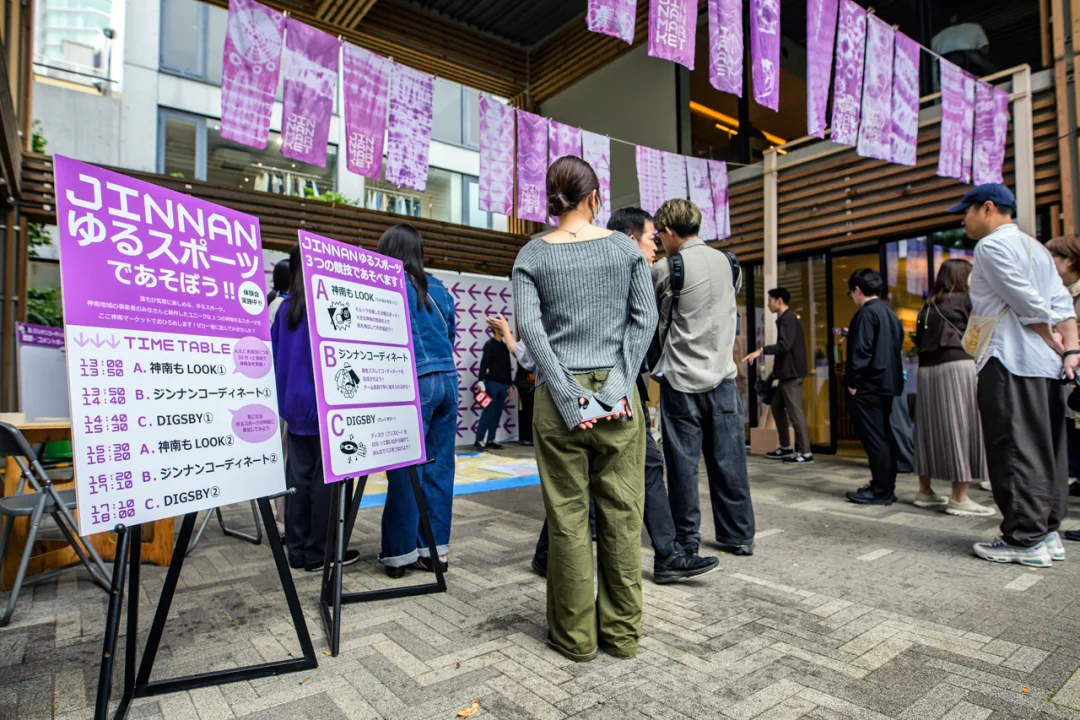
"Casual sports" held in a covered space.
The organizers who devised the sport explained the rules, and participants tried the sport for the first time. Laughter erupted at plays that didn't go as planned, and participants encouraged each other, making for a lively experience that belied the rainy weather.
"Jinnan also looks for 41 points in shoe-throwing"
Team A's newly developed game, "Jinnan mo LOOK," combines the Finnish sport "Mölkky" with the traditional game of shoe-throwing. A map of the Jinnan area is spread on the floor, and targets representing landmarks such as Shibuya Modi, Tower Records, and Shibuya PARCO are placed around the map. Players compete to score points by throwing their shoes at these targets. The elevation differences between the area around Shibuya Station and Jinnan are also incorporated into the scoring system.
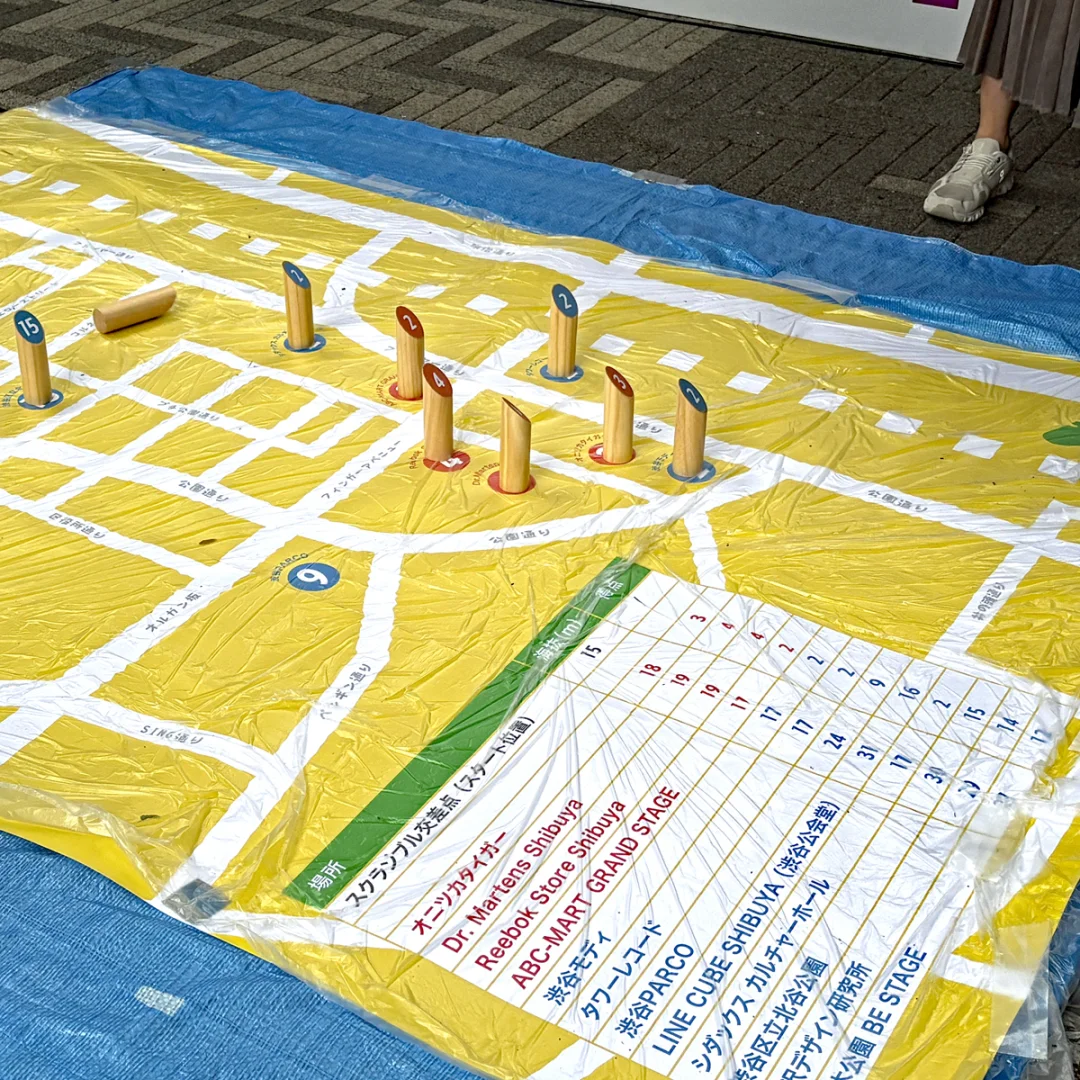
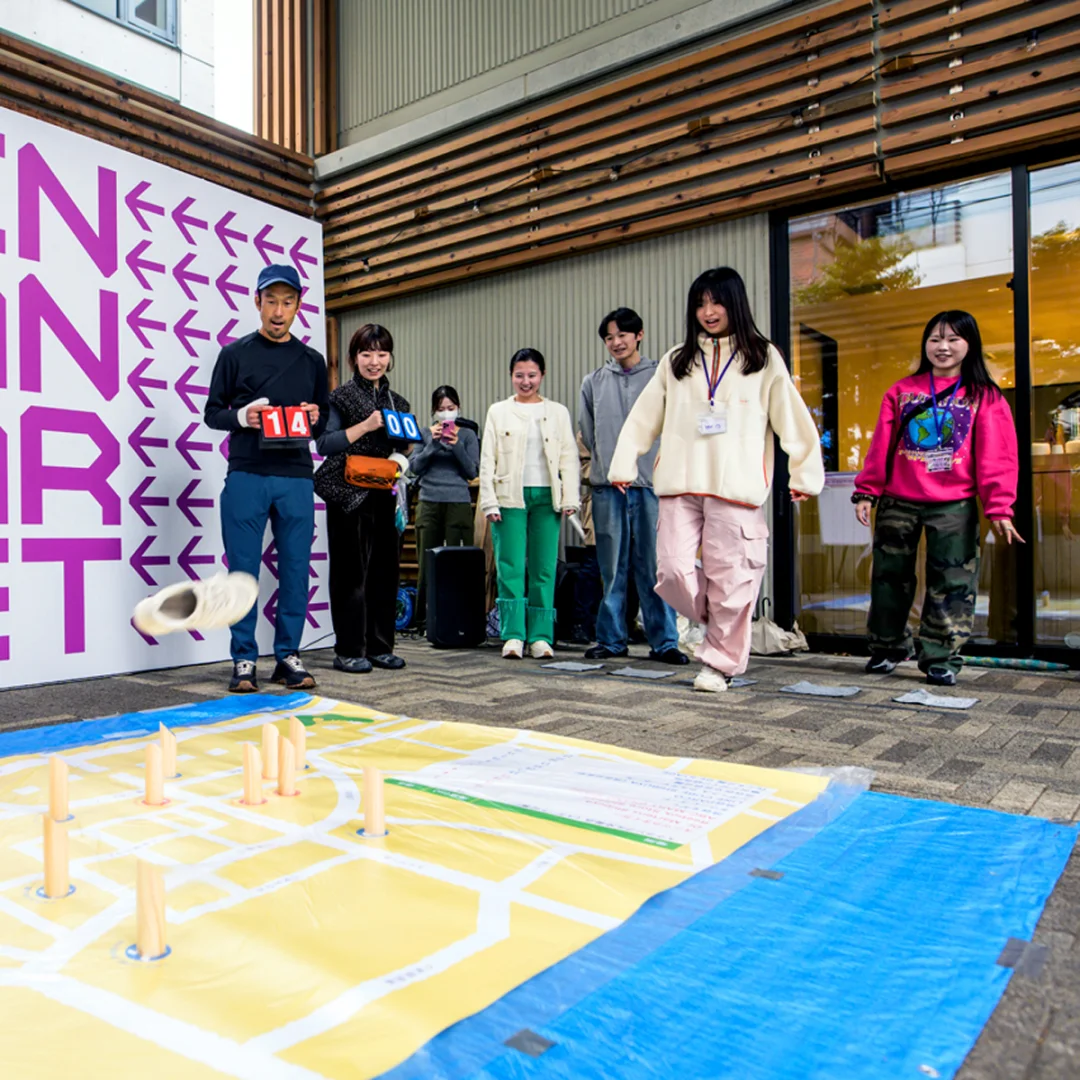
Left: The map of the Jinnan area shows landmarks and shops in blue, while shoe stores such as Onitsuka Tiger and ABC Mart are shown in red. If you target and defeat the red shoe stores, you will receive new shoes and be able to play twice in a row. Right: Spots further from Shibuya Station yield higher scores, but there is also a strategy of targeting red shoe stores closer to the station to increase the number of plays and earn points.
Two teams, red and blue, or two players, take turns kicking their shoes, aiming for a total score of 41 over five rounds. Reaching 41 points results in a victory, but points are not added if the score exceeds 42. The number "41" is said to be derived from the last two digits of the Kannan area's postal code "150-0041" and the area's area of approximately 41.38 hectares.
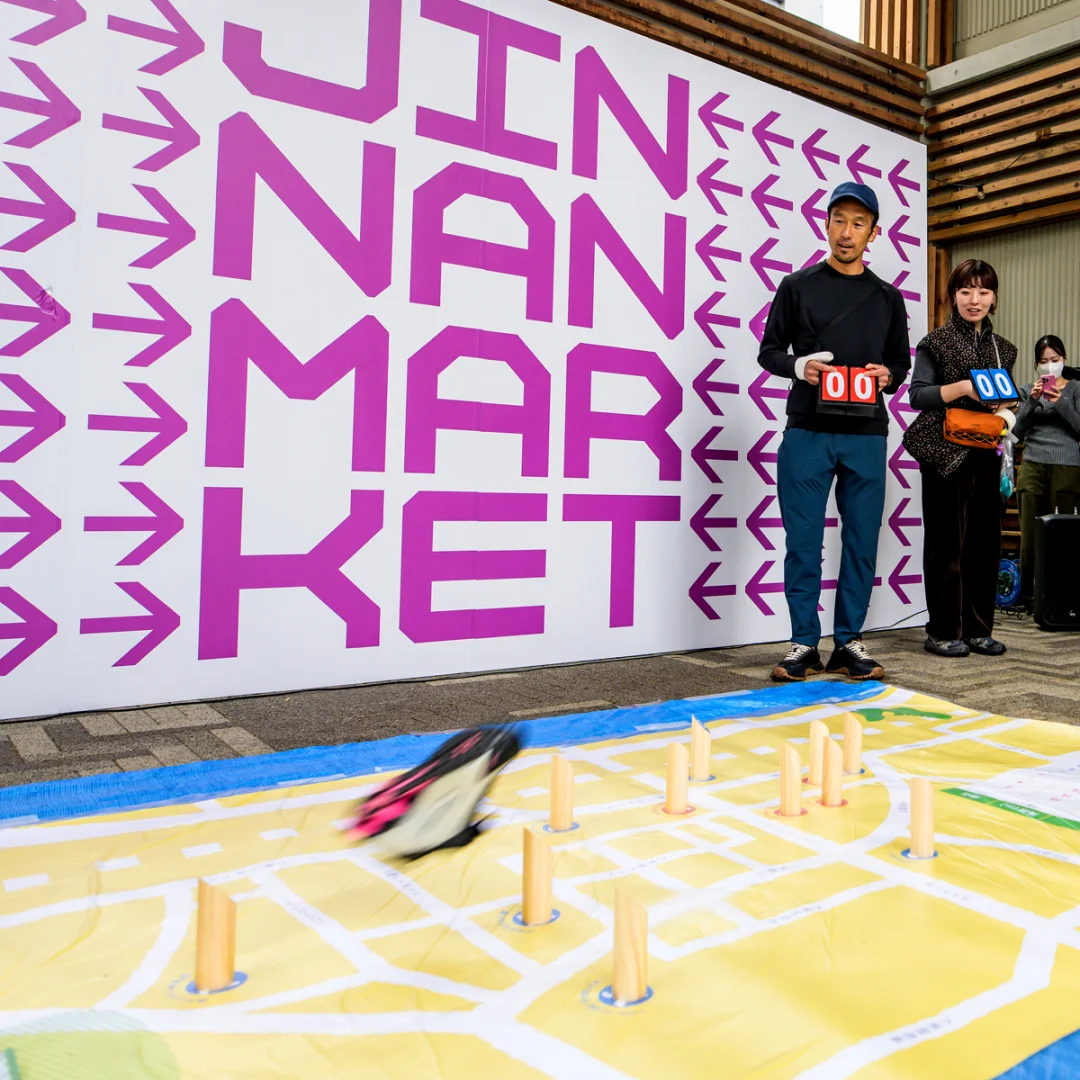
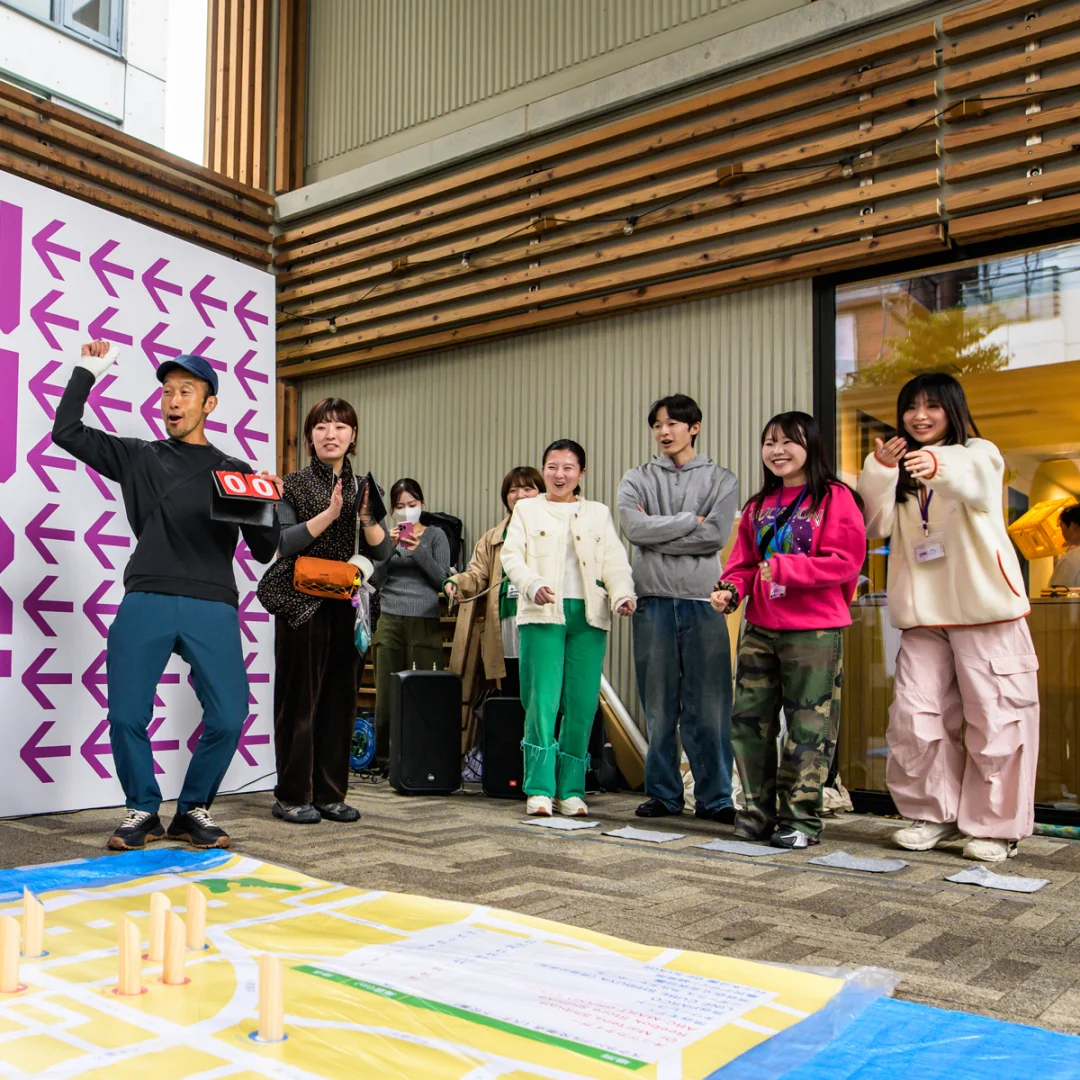
If you throw your shoe too hard, it might fly all the way to Meiji Jingu Shrine, outside the map. In that case, you'll be penalized with a 10-point deduction for "blasphemy."
At first glance, it seems like a simple shoe-throwing game, but hitting the target is surprisingly difficult. Shoes fly in unexpected directions, or they fall just short of the target. There's also the strategy of whether to aim for a high score or to steadily accumulate points, and the participants were taking on the challenge with serious expressions.
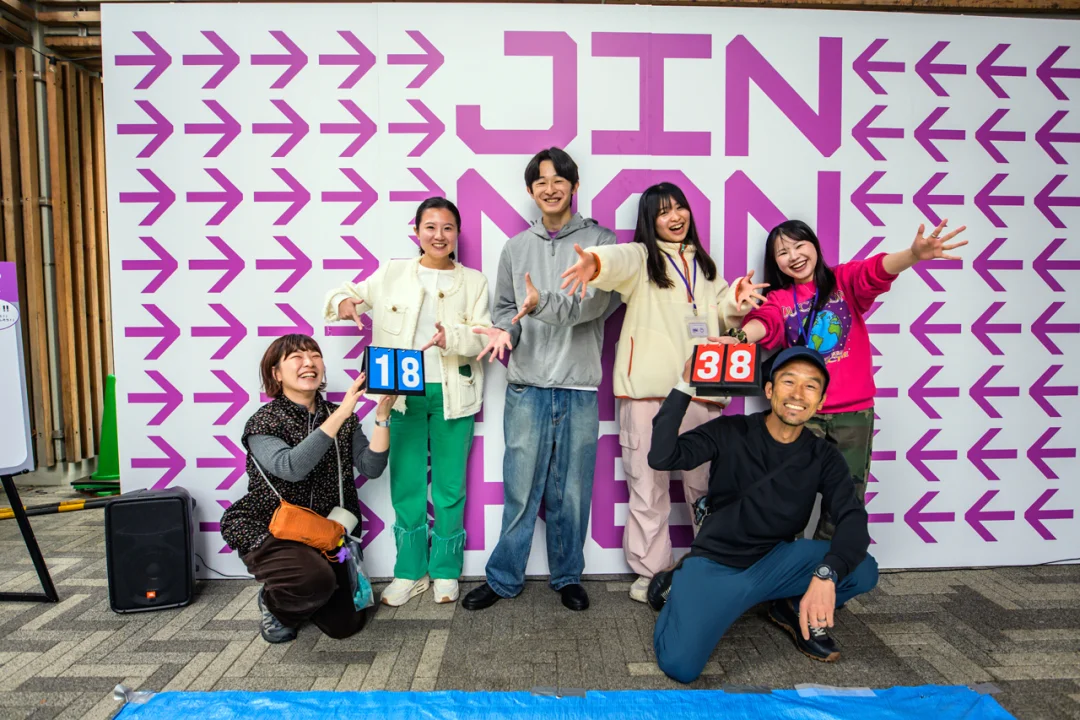
The Red Team wins this match!
Participants shared comments such as, "It was as exciting as a school sports day," "It really got me competitive and was a lot of fun," and "The rules are simple despite the high level of gameplay." Some even reminisced, saying, "It's been since elementary school since I last threw a shoe." Motoka Taguchi of Nikken Sekkei, who was involved in the development, said, "When you actually try it, you might throw it too far or not even reach it. I realized it's quite strategic."
"Jinnan Coordinate" - a game where you throw clothes to create a coordinated outfit.
Next, Team B developed "Jinnan Coordinate," a new sport born in Jinnan, a fashion district. It's a game where players throw clothes to their teammates, matching the colors that land on the clothes to create poker-like "hands" and compete for points.
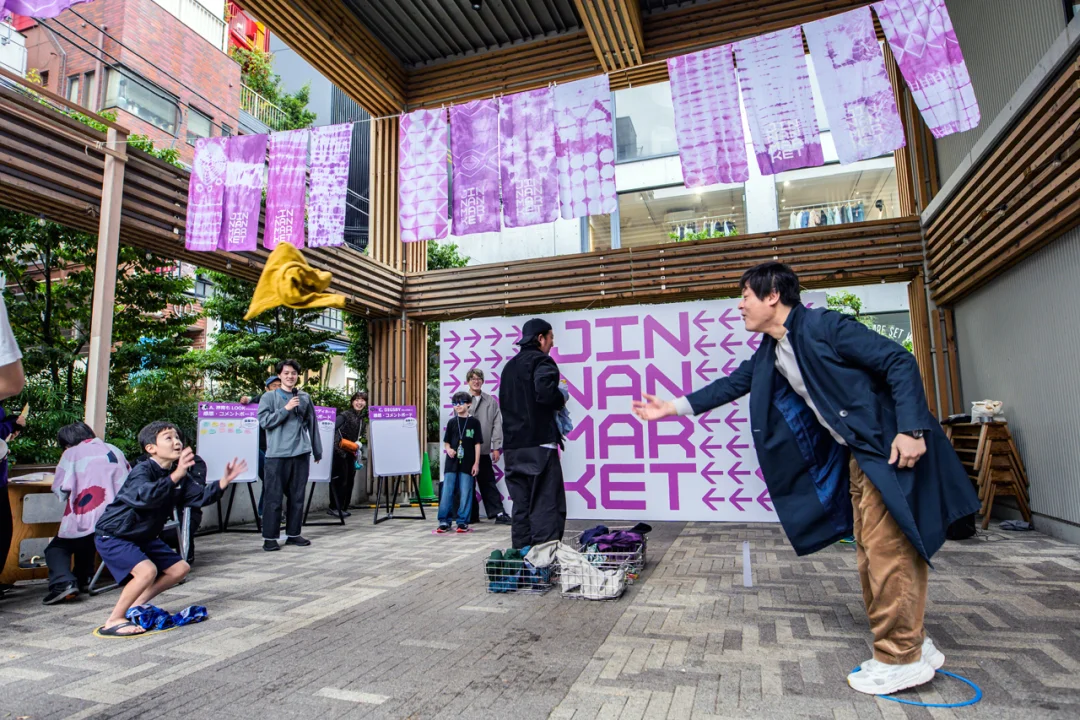
A game where players throw clothes at each other and try to match the colors of the stickers attached to the tags around the necks of their clothes.
The competition is played in teams of five, with one person acting as the "buyer" in the center and four people acting as "customers" around them. In honor of Shibuya (4-2-8), each team member stands inside a circle approximately 42.8 centimeters in diameter and has two minutes to pass clothes from one person to the next. Starting with their backs to each other, they must twist their bodies to throw the clothes without stepping outside the circle. The clothes have stickers of six different colors, and each participant can keep up to three pieces. Collecting two pieces of the same color earns one point, and collecting three pieces earns two points. Furthermore, if every member of the team has at least one piece of clothing of a predetermined color, a bonus of 5 points is added.
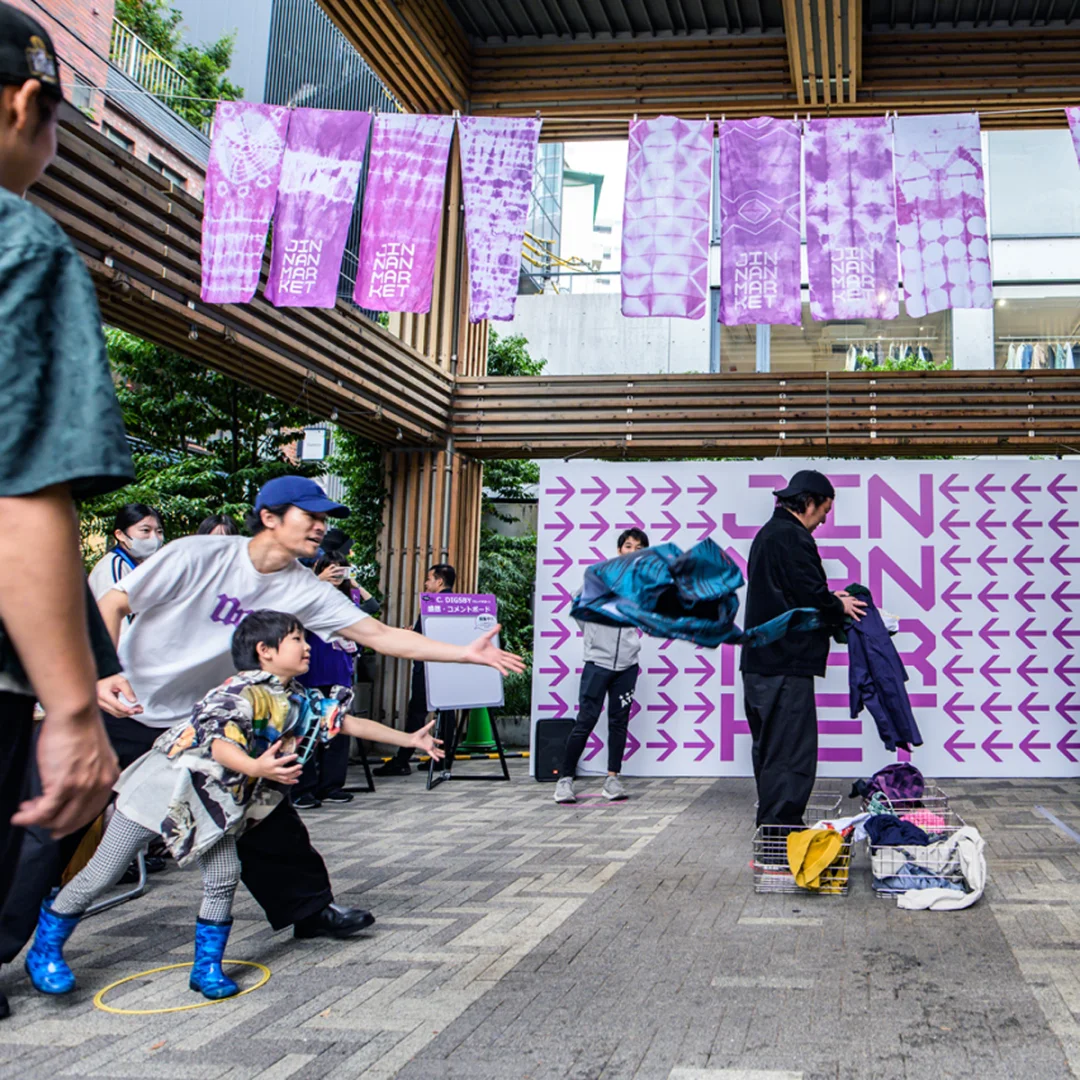
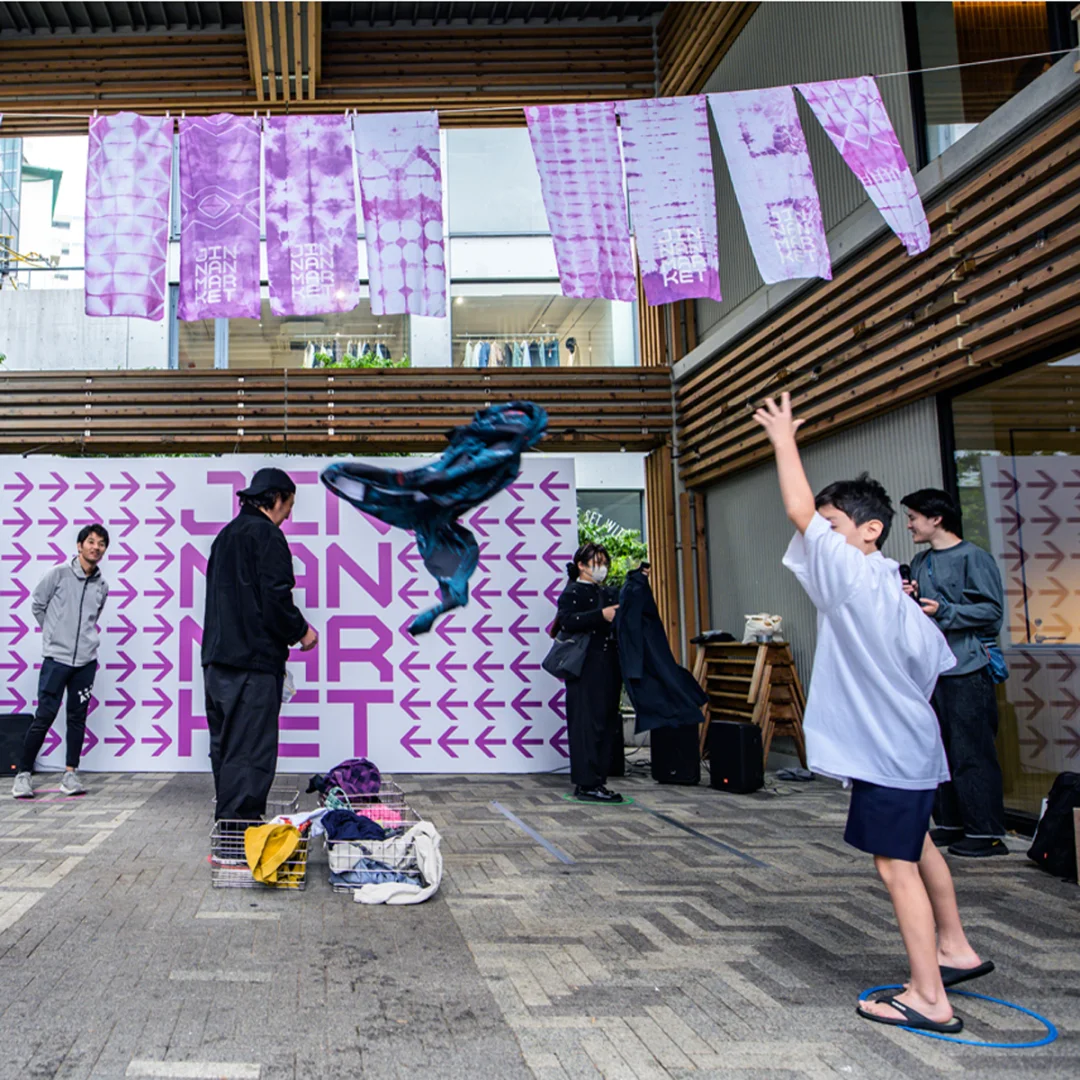
Players call out "Blue, blue..." and "Red, red..." to each other, collecting their own color and the color the team needs to match. The game features a unique mix of individual and team play. The sight of clothes flying through the air is also quite distinctive.
It's not just about scoring your own points; you also need to think about which clothes to pass to whom so that the whole team can match the target color. If you drop a piece of clothing or your foot goes outside the circle, you have to start over, so there was laughter when the passes didn't go as planned.
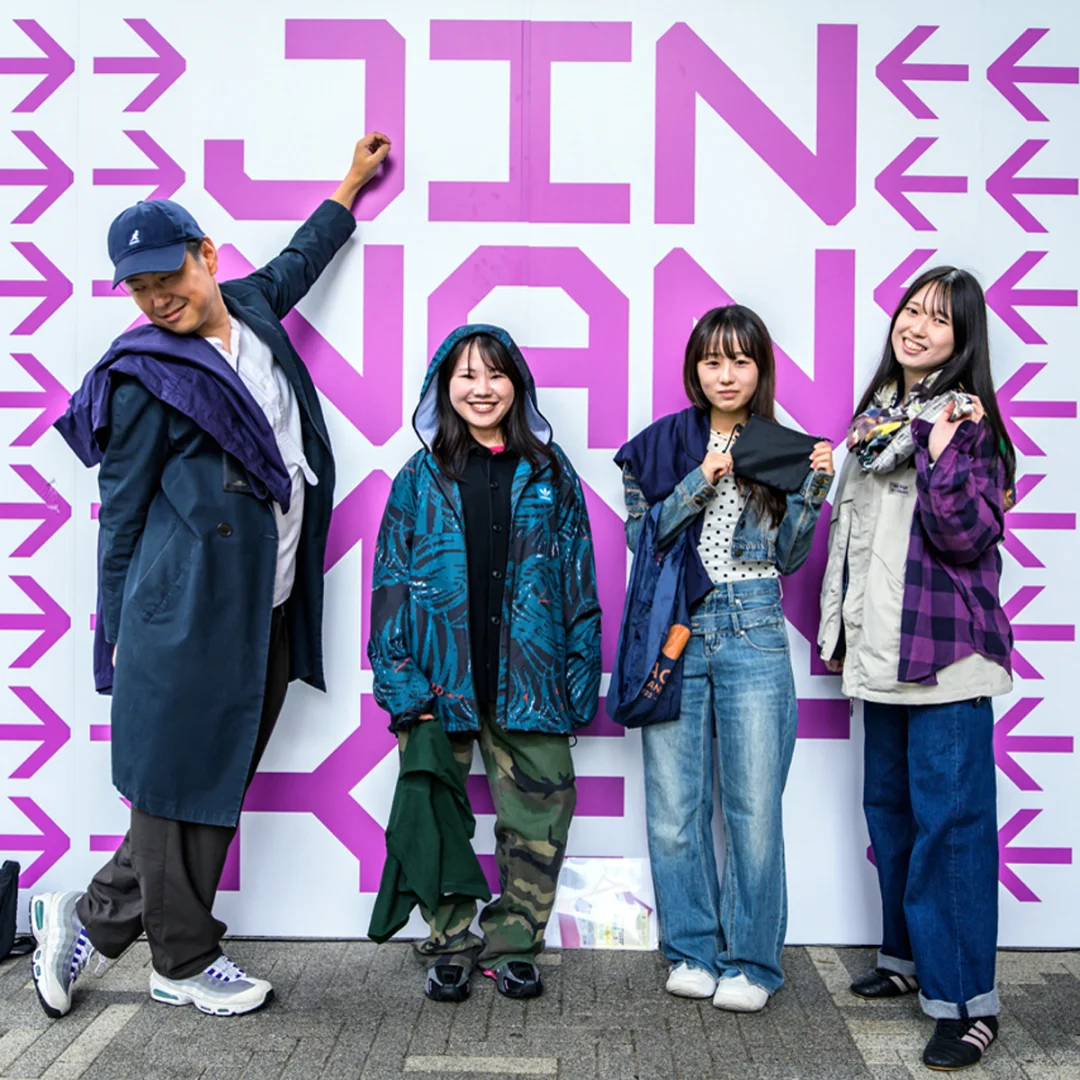
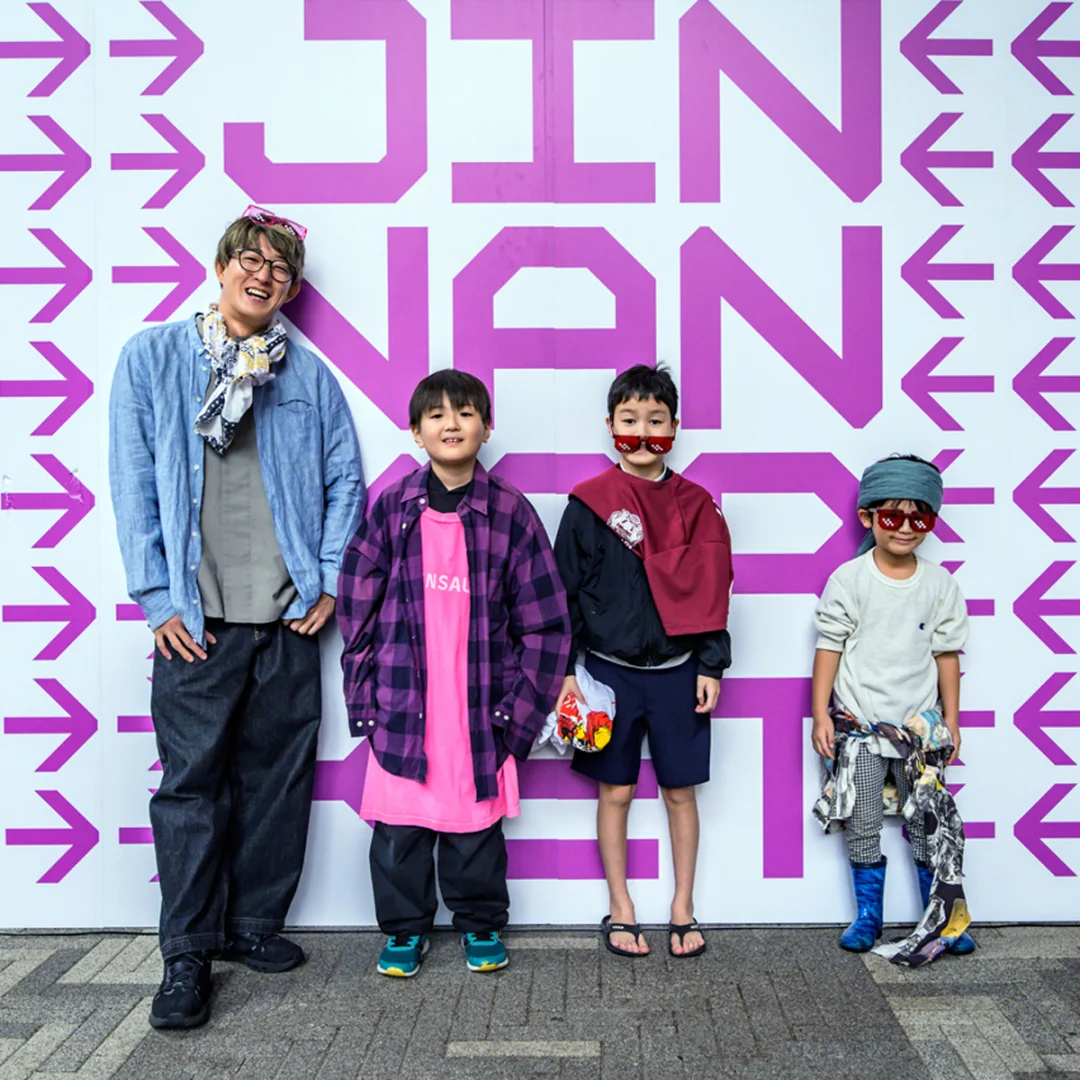
After the game ends, the winner is determined by counting how many different colored tags on the clothes each participant has collected. Participants were also seen coordinating outfits with their winnings and striking poses like professional models.
Participants commented, "It was fun playing a thrilling game while coordinating outfits," "It was fun to participate and have fun with everyone," and "Throwing clothes is a novel idea." On the other hand, some suggestions for improvement were also received, such as "I wish the sticker colors were easier to see" and "It would be even more fun if there were more types of items."
"DIGSBY" - Sing, throw, and have fun!
Team C developed a new sport called "DIGSBY," themed around Jinnan, a town known for its music scene. It combines the culture of "digging" for favorite music in record shops with a frisbee shaped like a record. The name of the sport incorporates the letters "SBY (Shibuya)" to reflect the joy of discovering music and the desire for people to get to know Shibuya more deeply.
In teams of five, one person acts as the "DJ" and the other four as "singers." The DJ selects a theme from a box resembling a record jacket, such as "flower," "fruit," "goodbye," or "rain." The singers take turns singing a line from a song containing that theme while throwing a frisbee. If the judge recognizes the meaning of the song and the singer catches the frisbee, they score a point.
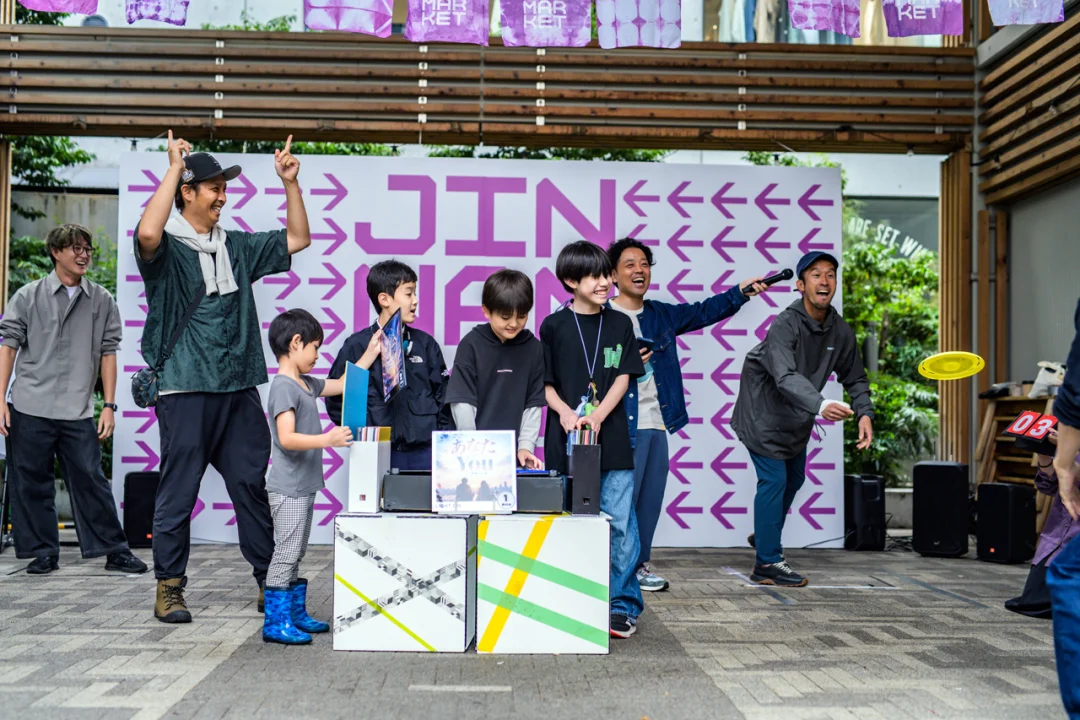
This game involves four people taking turns throwing a frisbee while singing lyrics to a song that includes a theme chosen by the DJ in the center. It's surprisingly difficult to throw a frisbee while thinking of the lyrics.
The challenges have varying difficulty levels; relatively easy "light digs" are worth 1 point upon success, while difficult "deep digs" are worth 2 points. The DJ can choose a theme that their teammates are likely to be good at and give hints as needed. Players can also pass if they can't think of a song, and the competition is based on the total score within the 4-minute time limit.
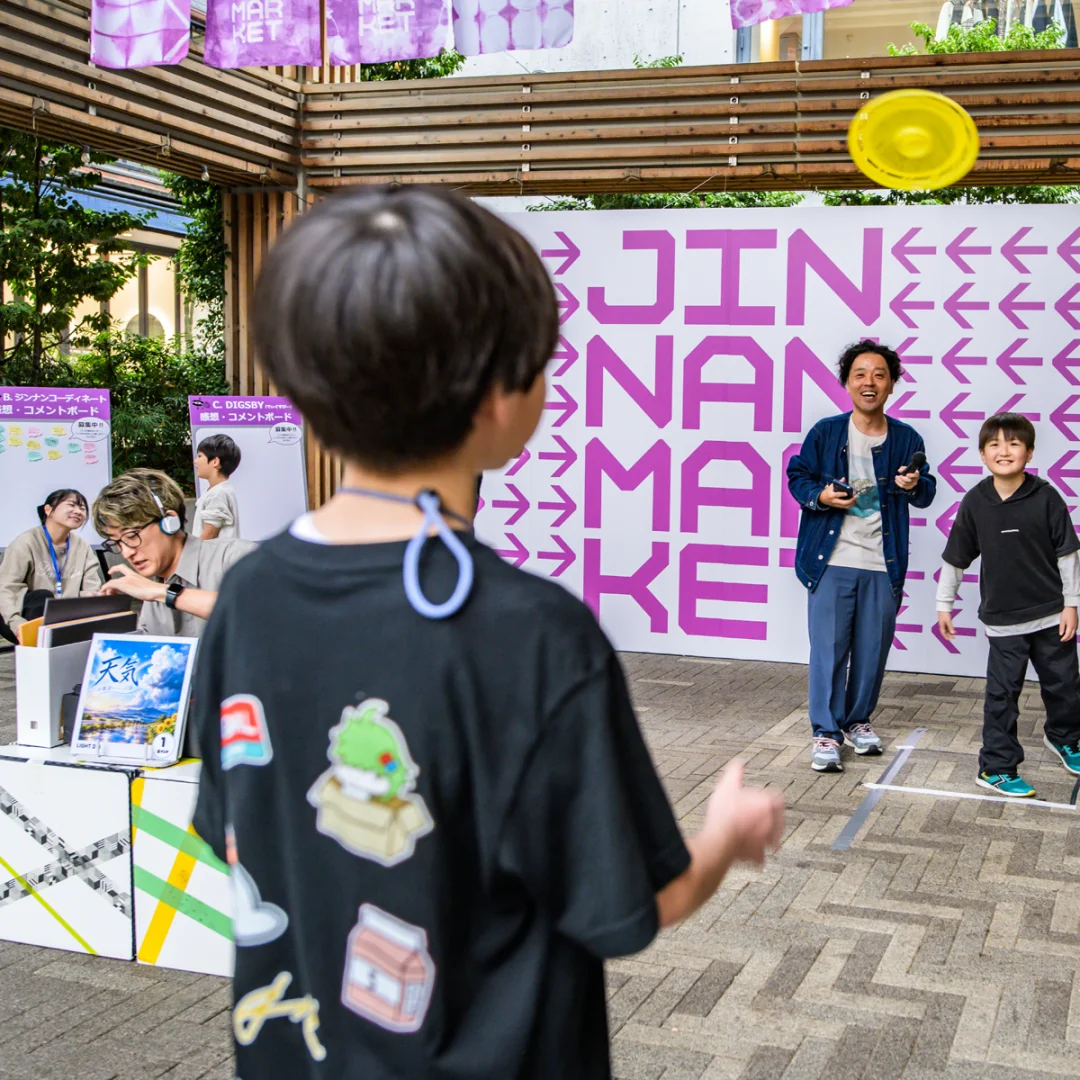
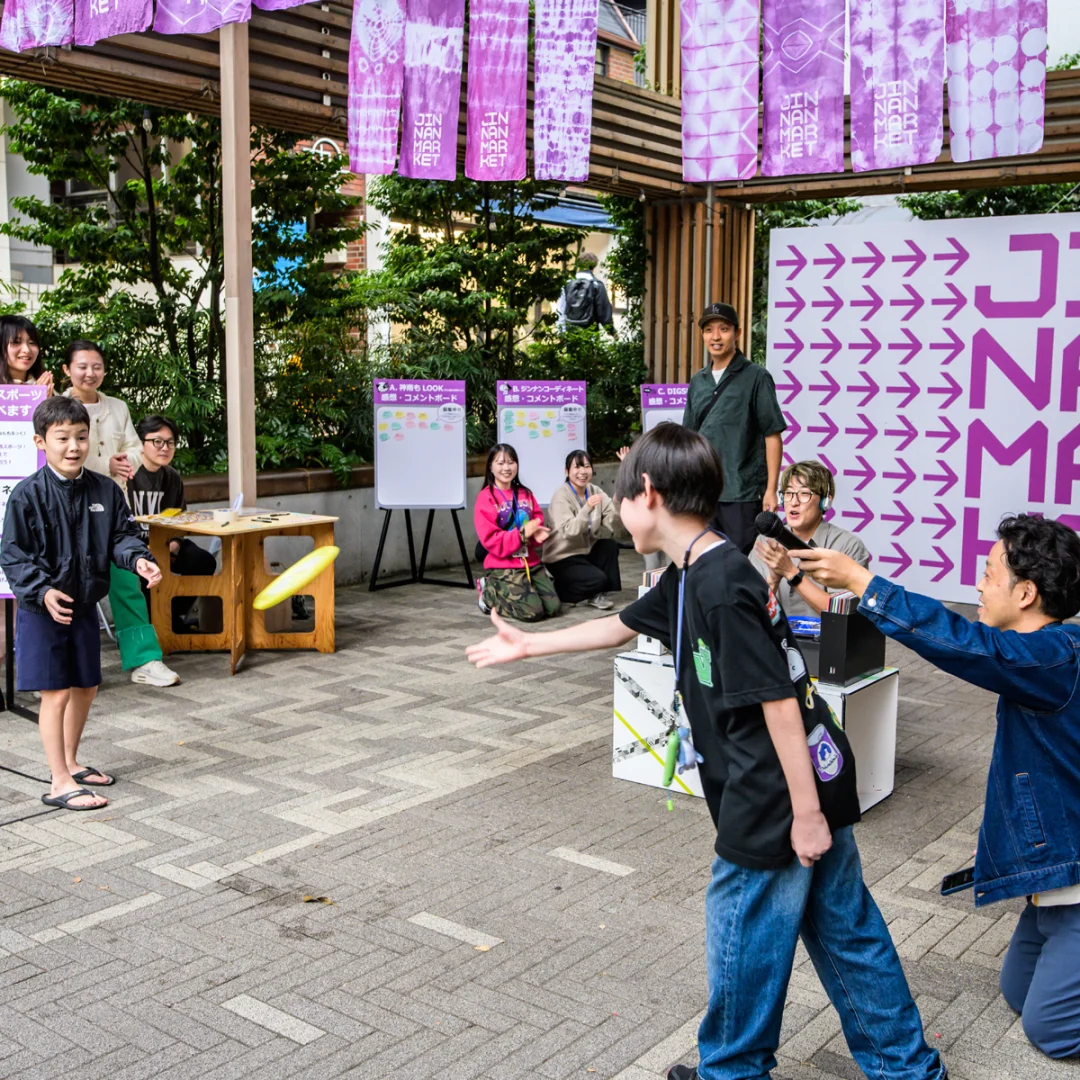
The teacher and students took on the challenge together. The teacher gave hints by humming, but due to the generation gap, there were times when they couldn't come up with lyrics that fit the theme.
At the venue, students from Jinnan Elementary School, along with a teacher acting as a DJ, participated in a game where they had to come up with songs that fit a given theme and throw frisbees while singing. When a team had trouble thinking of a song or singer, voices from the audience would shout "Dig it up!", and some even hummed hints, creating a lively atmosphere where teams and the audience came together through music. A unique feature of the event was that the audience could help with the judging, as there were generational differences in song knowledge. Even if the judge didn't know a song, if someone in the audience did, their reaction would help with the judging.
Participants shared comments such as, "It was fun to share music with everyone," and "It was fun and exciting to think together about what songs to sing." They also made suggestions like, "It would be more flexible if it were a team competition."
Local adults spent about three months developing the sport.
These three sports were created as part of the "JINNAN Yuru Sports Development Project," a collaborative effort between "Shibukita Partners," which manages and operates Chatan Park, and the World Yuru Sports Association.
"Yuru Sports" is a new type of sport designed to be enjoyed by everyone, regardless of age, gender, athletic ability, or disability. The World Yuru Sports Association has been developing it since 2015, and with the motto "It's great to win, and fun even if you lose," they are working to create a sport that brings smiles not only to those who compete but also to those who watch.
This project was primarily driven by members of "JINNAN NEIGHBORS," a local community comprised of people working in companies and businesses in the Jinnan area. Divided into three teams, they devised the competition through a series of workshops. Their first task wasn't to create rules for the sport, but to consider "what kind of town is Jinnan?" Participants shared their images of Jinnan, including its fashion, music, and geography, and incorporated the region's characteristics into the competition.
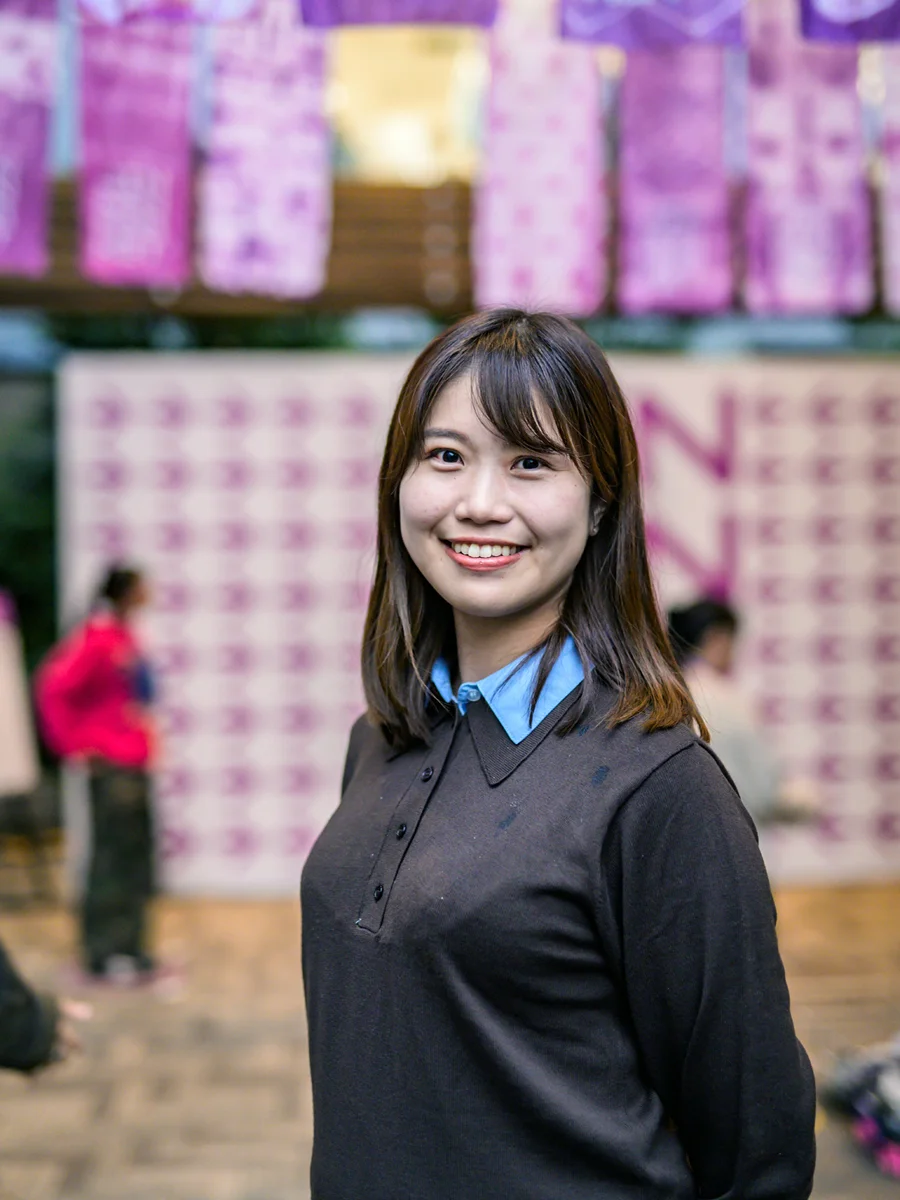
This time, Kaho Fukushima of Tokyu, who is in charge of the project, was also involved in the development of "Yuru Sports" herself.
Fukushima reflects, "When we started thinking about creating a sports event, it became an opportunity to discuss in detail what the strengths and characteristics of the Jinnan area are. Our perception of the town changed from vague images like 'a fashionable town' or 'a town of music' to concrete details like what kinds of places are actually there and what kind of elevation differences there are in the terrain."
Although all three teams used the same city as their theme, the resulting games were all unique. "Each game was a complete sport in its own right. It was interesting to see how the three teams approached Jinnan in completely different ways, even though they went through the same number of workshops," said Fukushima.
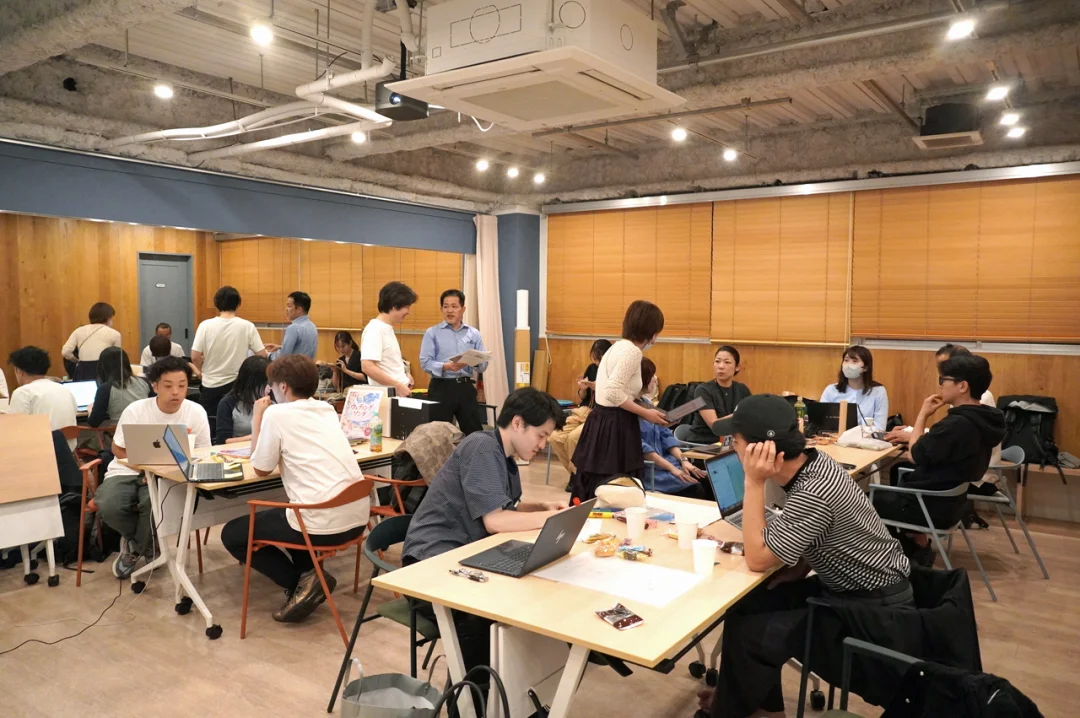
This photo shows a workshop held in early October. Over the course of about three months, participants have been holding workshops to transform their ideas into concrete forms.
The key to developing casual sports is "a blanket that's not long enough."
During development, every detail of the rules was carefully considered to ensure that everyone could enjoy the games. New technologies were also utilized, such as using AI to identify inconsistencies in the rules and creating explanatory diagrams. Takuya Hagiwara of the World Casual Sports Association, who supported the development, also praised the three completed games as "quite impressive." He particularly noted that the idea of incorporating the culture of "digging" for music in record stores into a sport was fresh, especially with "DIGSBY."
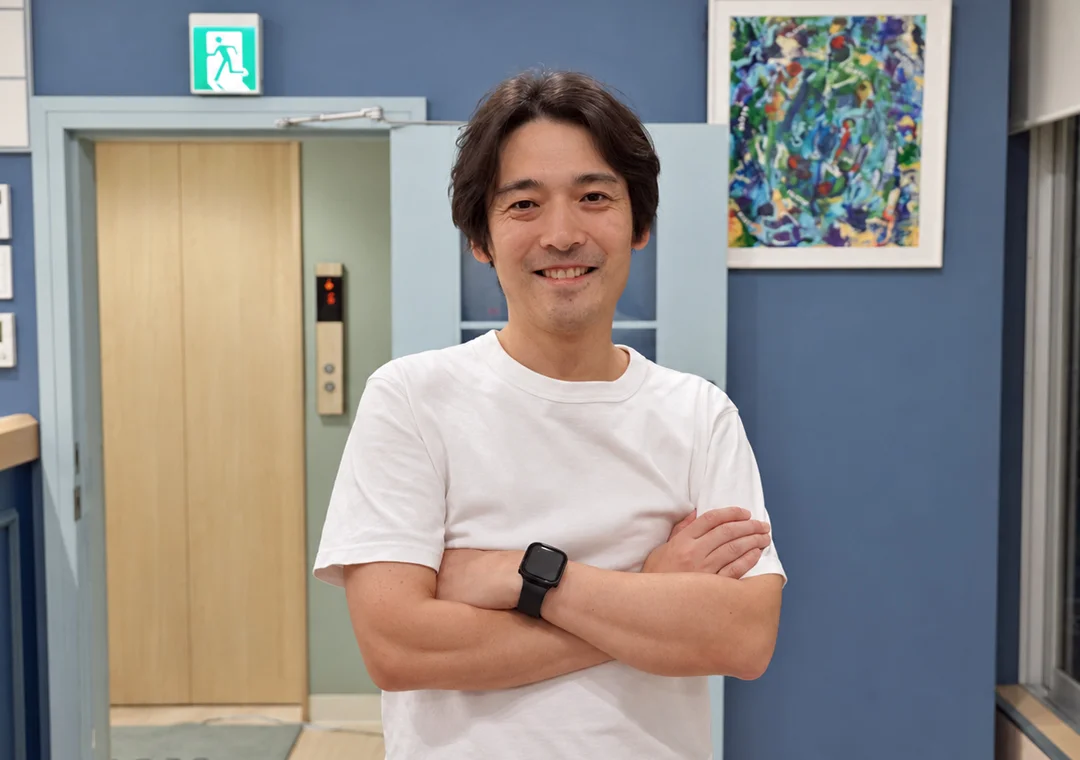
Hagiwara-san supported the development of "Yuru Sports" originating from Jinnan at the workshop.
Hagiwara says, "Yuru Sports may sound 'relaxed,' but the rules are well-defined." He emphasizes that the important thing is that the game is designed so that only those who are good at sports have an advantage, everyone has a chance to win, and even if you lose, you can still enjoy it.
When explaining the appeal of sports, Hagiwara often cites the quote by legendary football coach Rinus Michels: "Football is like a blanket that's too short." "If you try to keep your head warm, your feet get cold. If you try to keep your feet warm, your head gets cold. In football, if you try to attack hard, your defense will be weak, and if you try to defend hard, your attack will be weak. Sports are interesting because you have to make choices and decisions for yourself when something is lacking."
In developing new casual sports, the first step is to consider where the gameplay lies, like the "blanket that's too short" aspect. Rather than simply simplifying the rules, leaving room for participants to think, make judgments, and sometimes make mistakes is what leads to sports that everyone can enjoy.
The event also included sales of artwork by art students and workshops led by students.
Meanwhile, at "SLOTH JINNAN," which was moved to a different venue due to the rain, an art market and hands-on workshops were held, attracting many visitors.
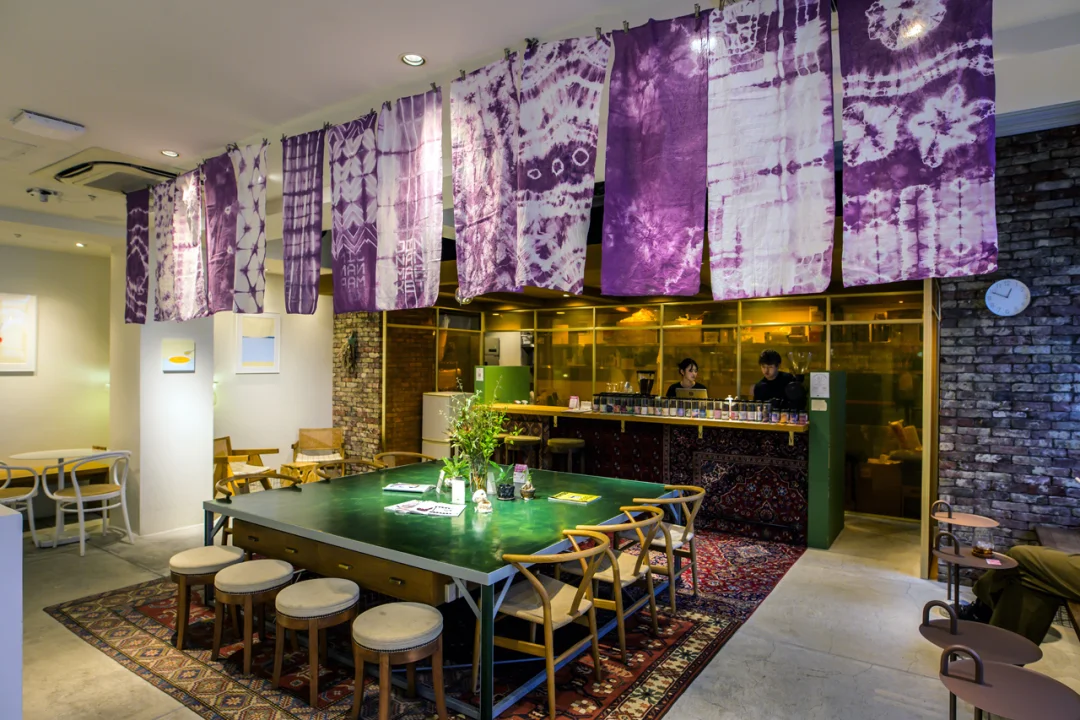
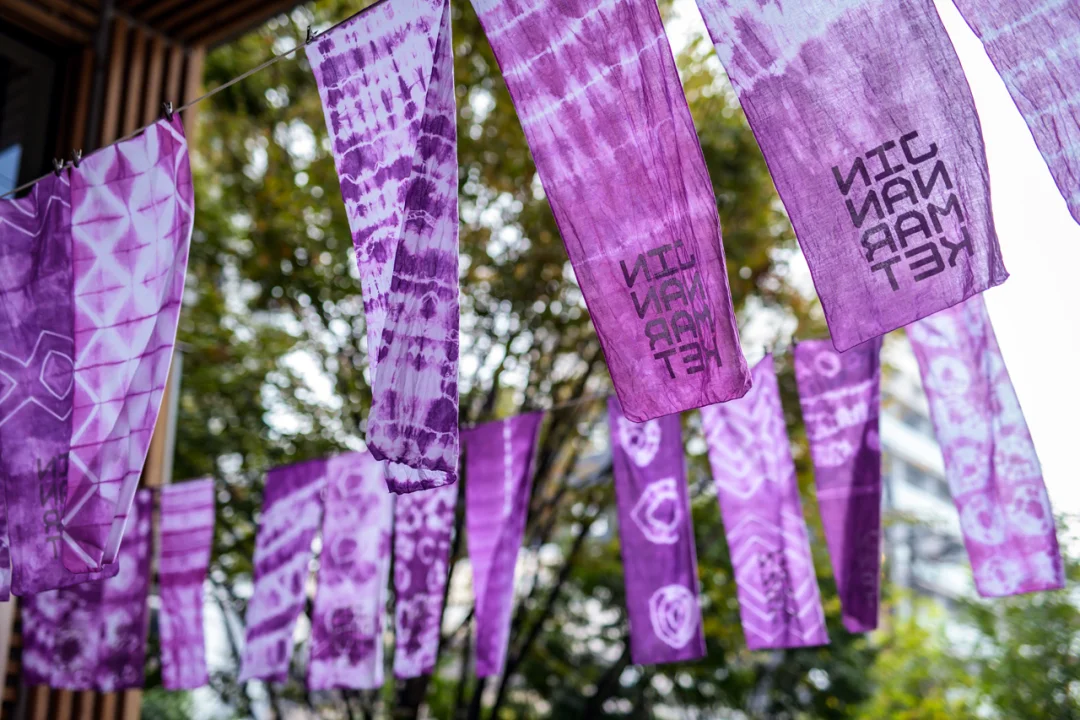
The interior of "SLOTH JINNAN" is also decorated with tapestries made from tenugui (Japanese hand towels) dyed in purple, the color of this JINNAN MARKET.
Five students and graduate students from Tokyo University of the Arts participated in the art market, exhibiting and selling works that showcased their individual styles.
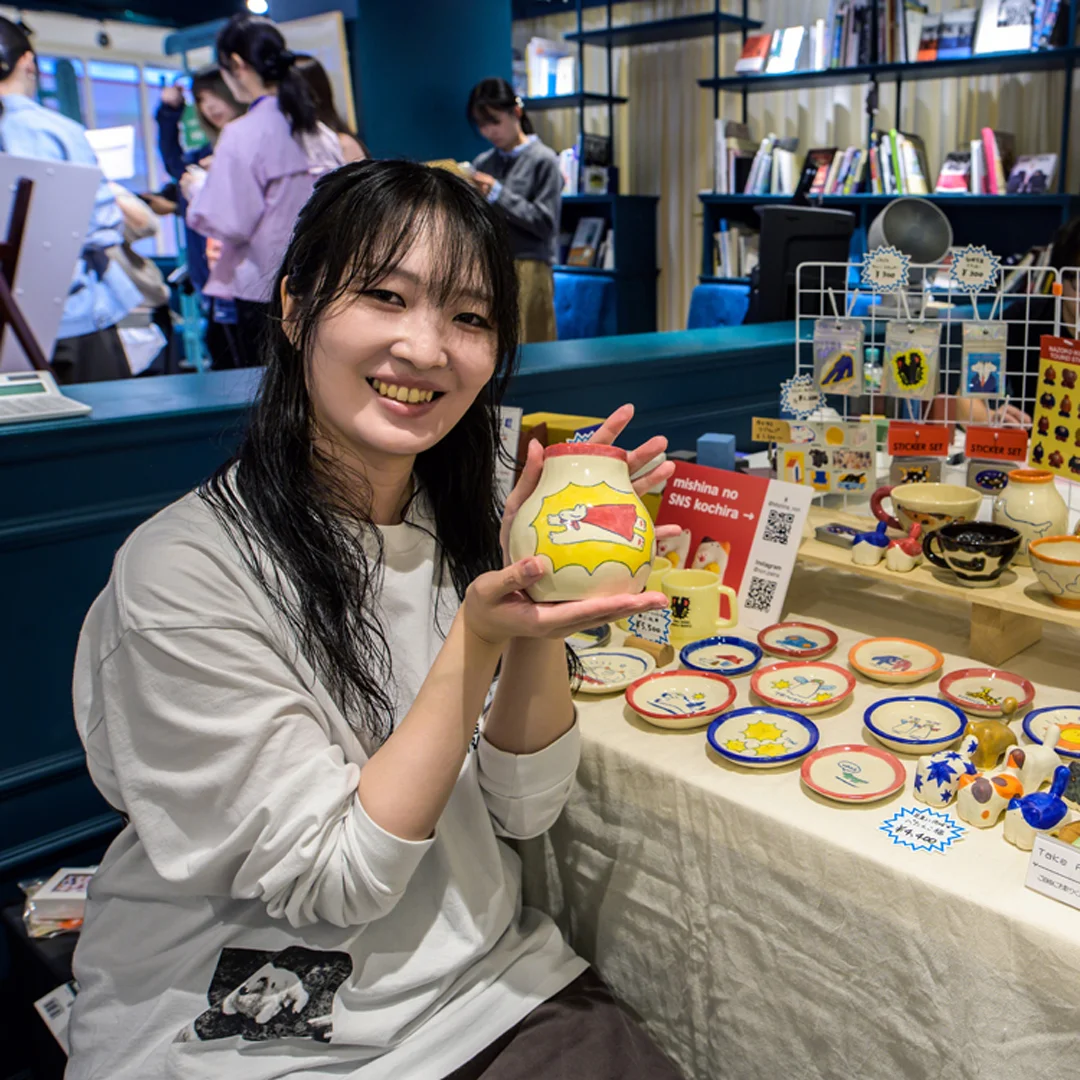
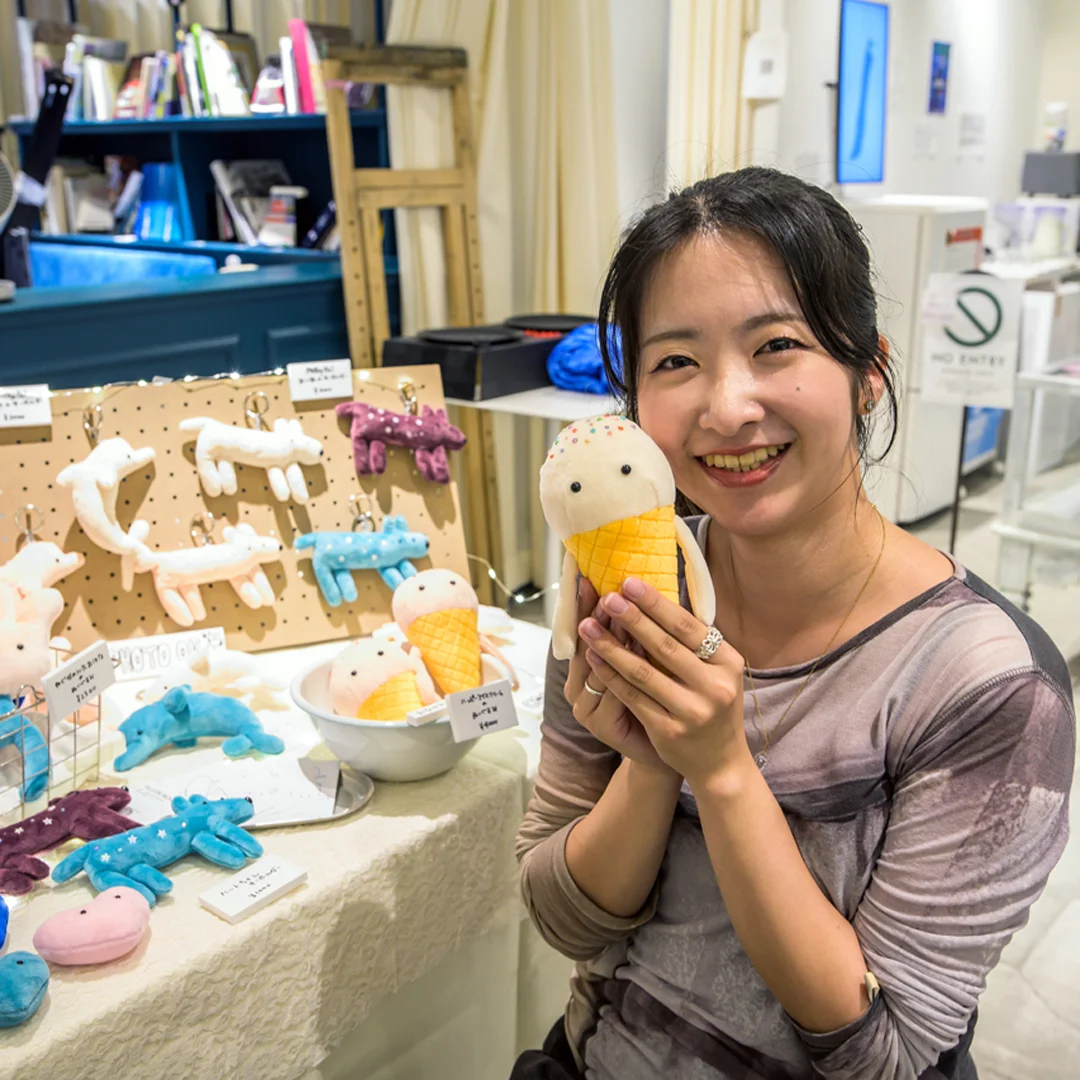
Mishina (pictured left), a student in the design department, exhibited ceramic works featuring characters and animals as motifs. Fujita Noa (pictured right), a Yuzen dyeing artist specializing in dyeing and weaving in the crafts department, created unique stuffed animals that make sounds when pressed.
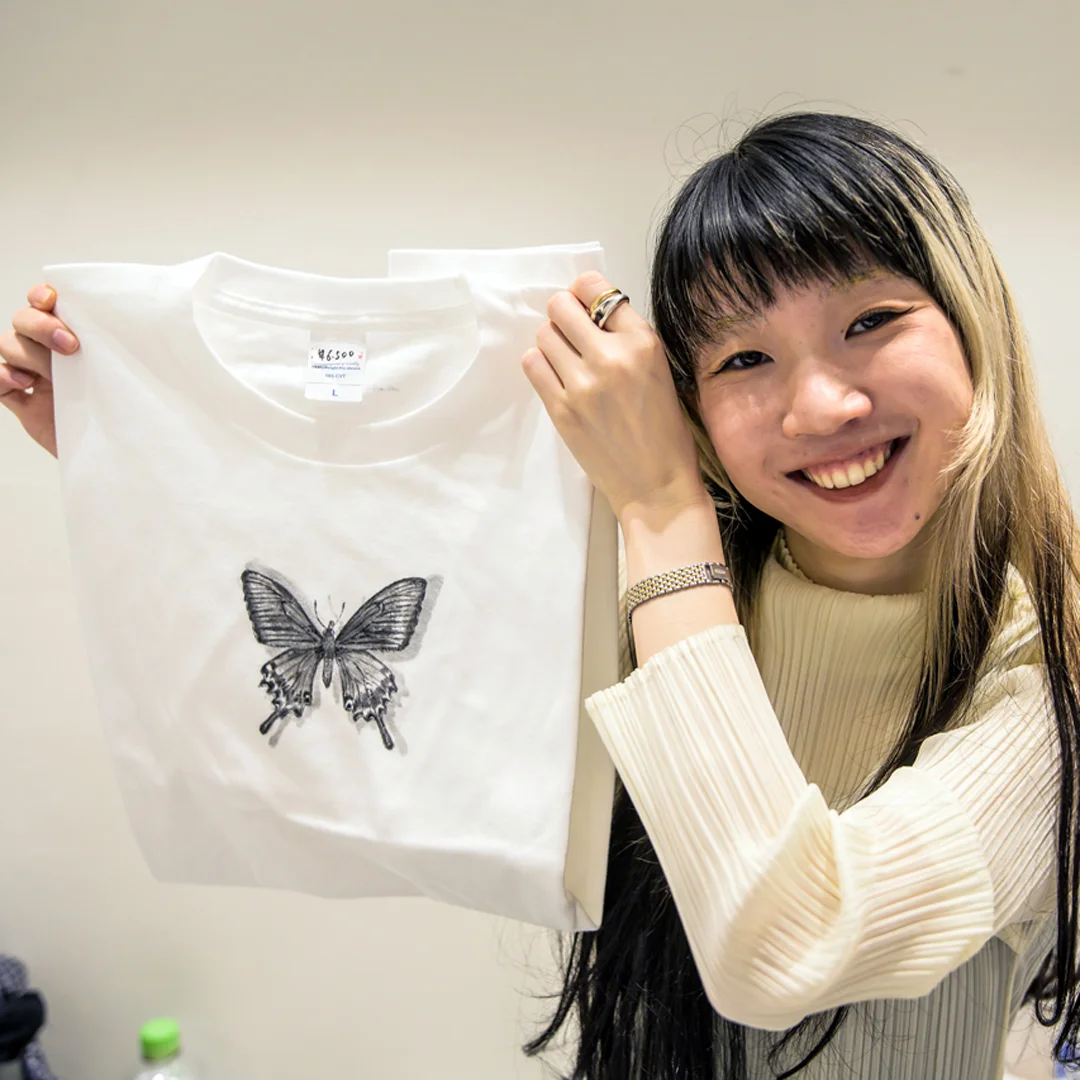
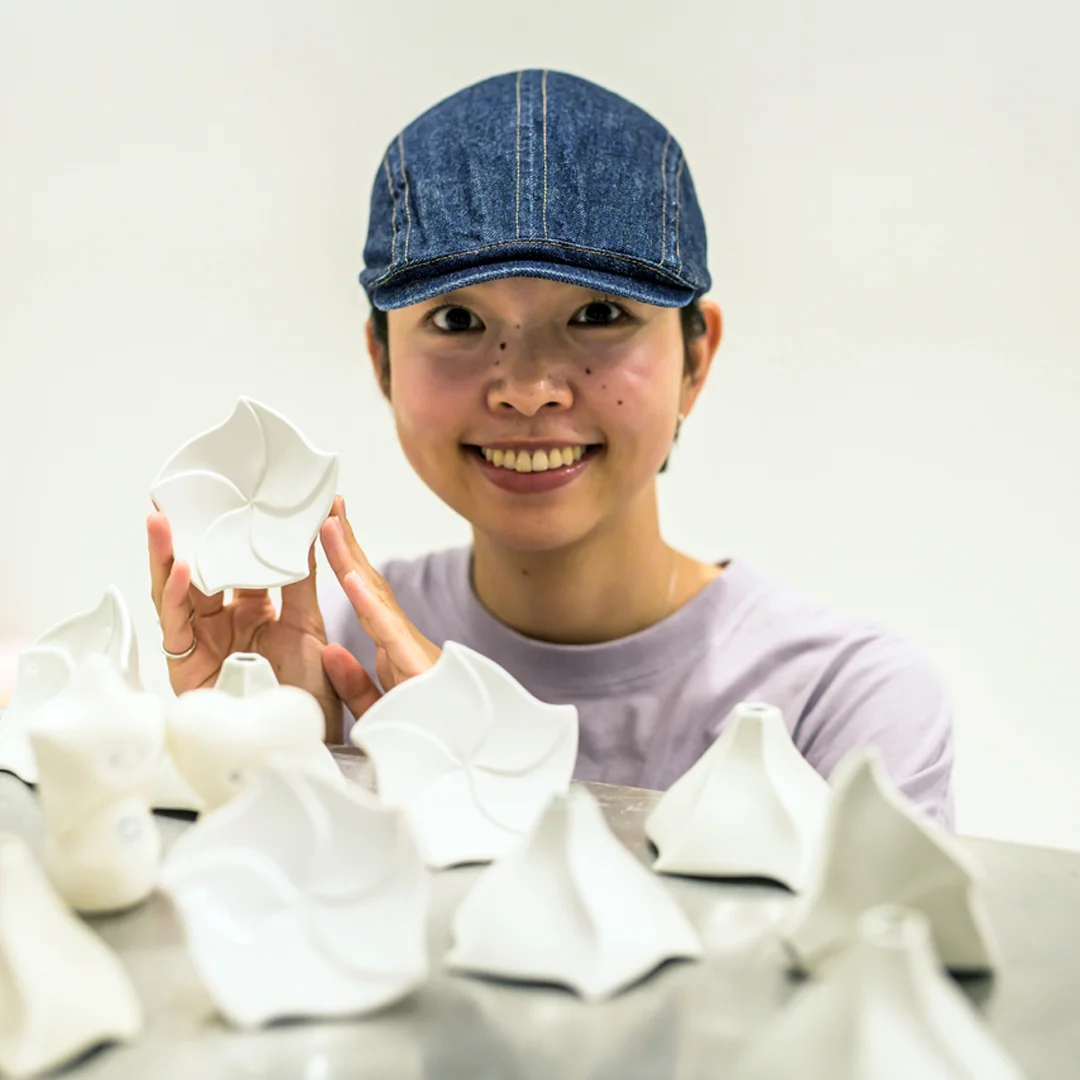
Akari Takahashi (pictured left), who majors in metal engraving, sells original T-shirts with designs hand-painted onto fabric. Nana Nishinaga (pictured right), who is majoring in ceramics in graduate school, displays white porcelain tableware and vases.
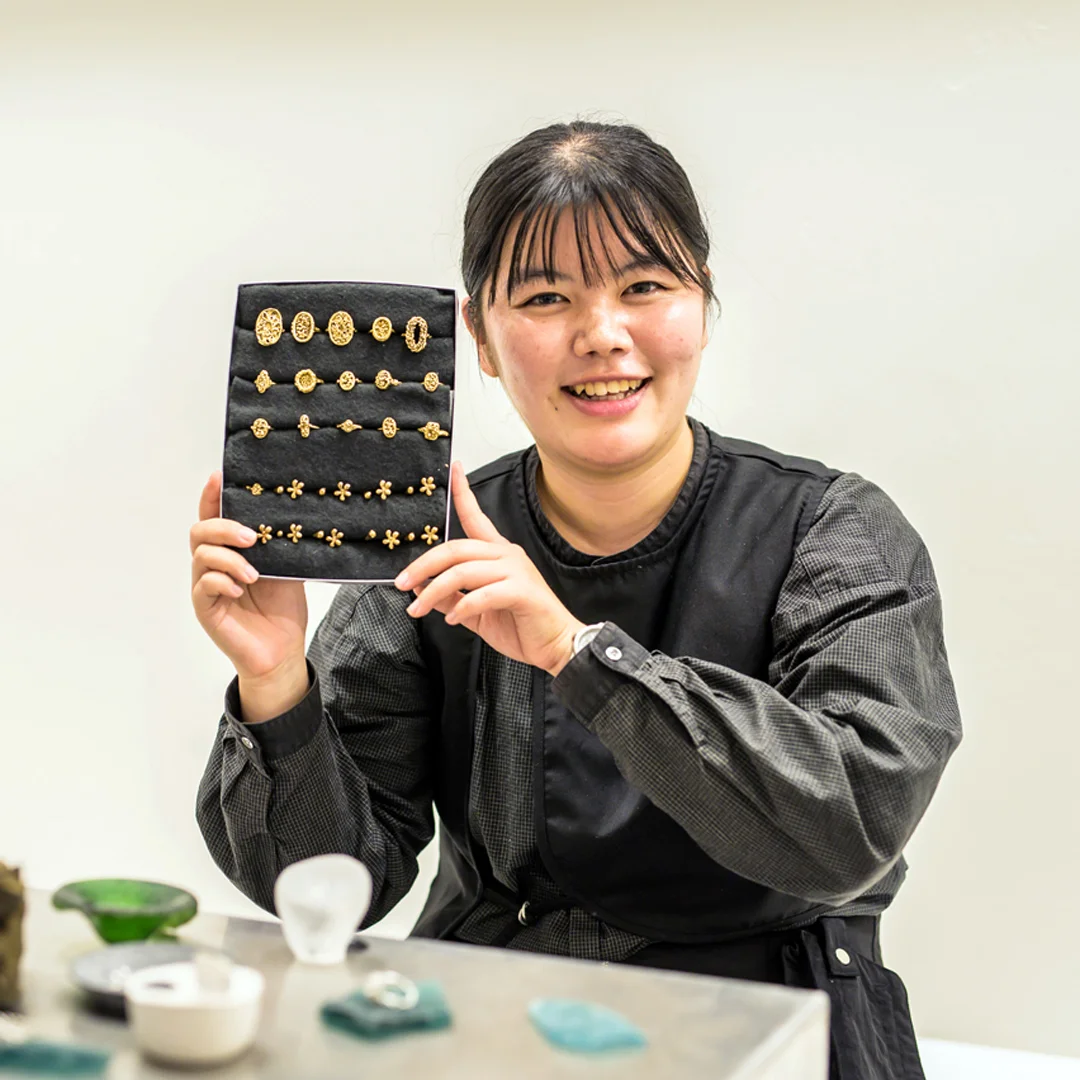
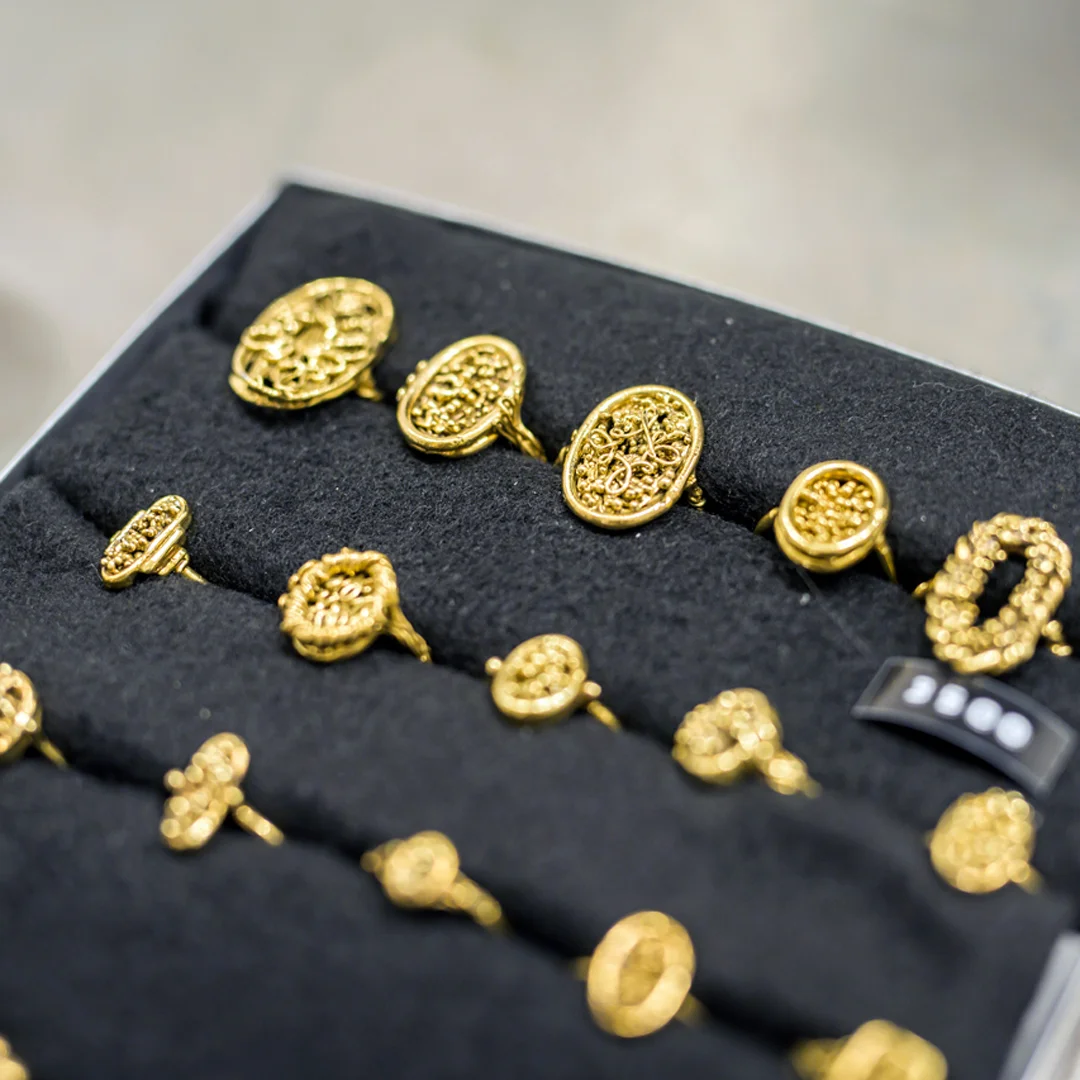
In addition, Yo Ichimaru from the metal engraving department exhibited jewelry pieces such as rings, and the venue was filled with a diverse array of works by the students.
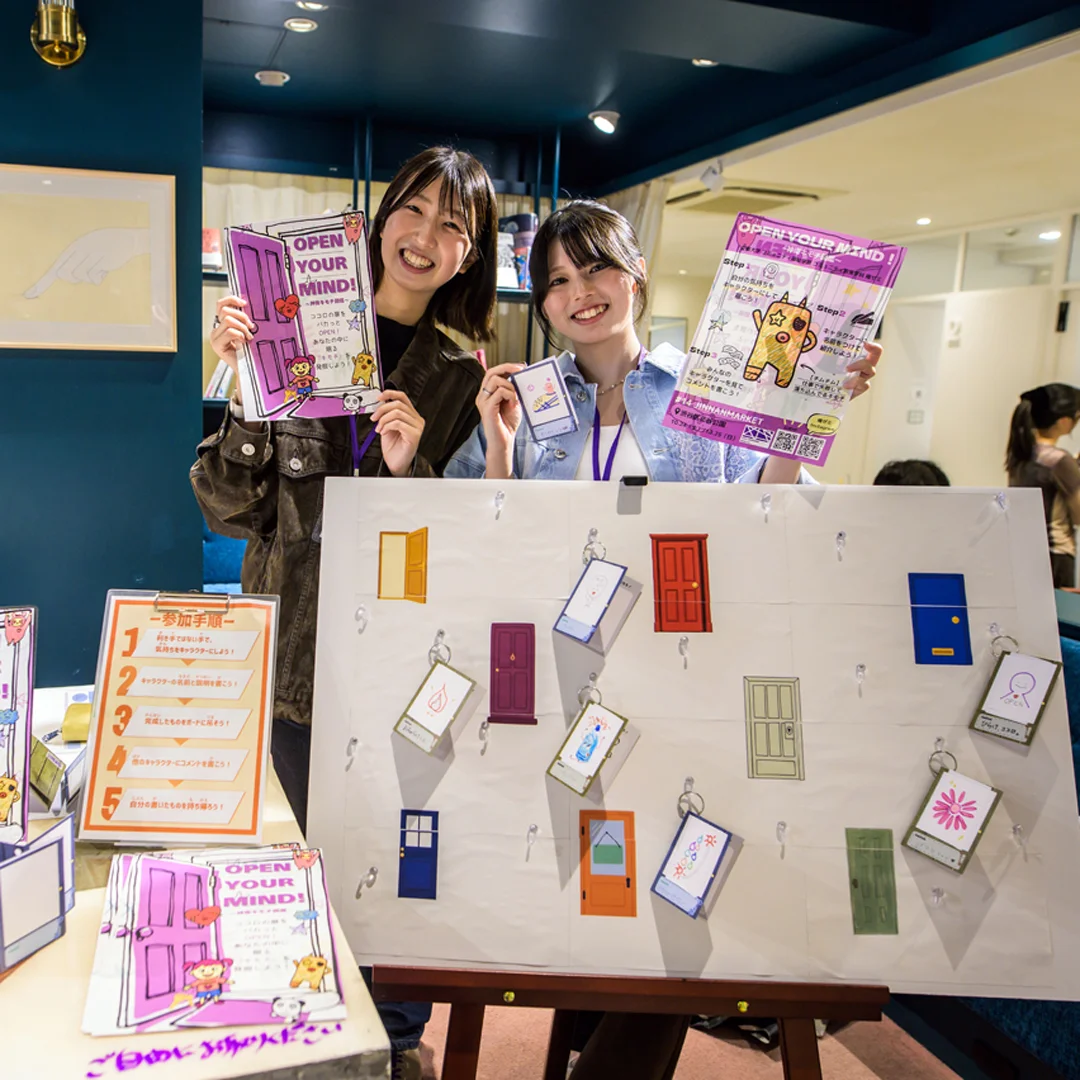
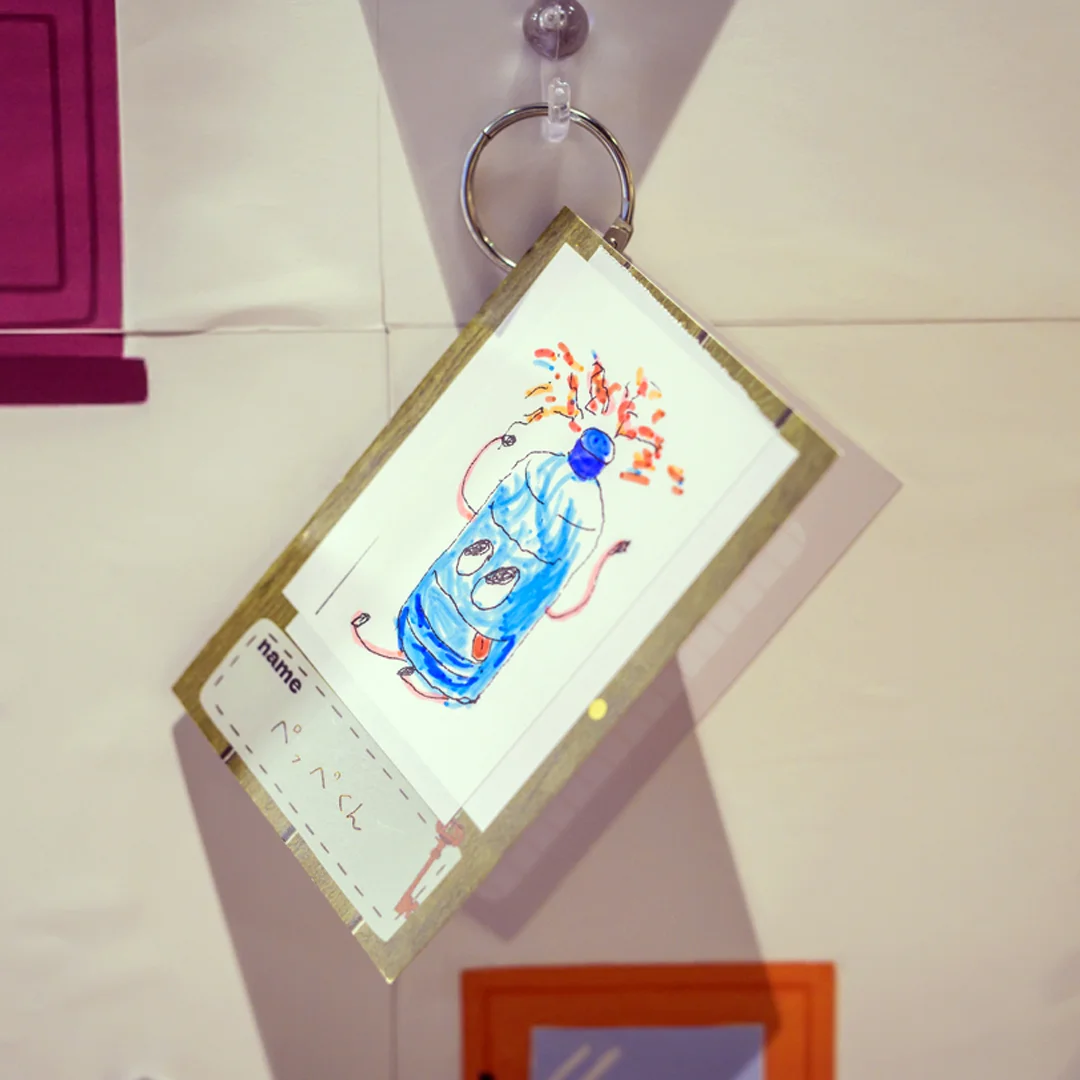
Left: Booth for a workshop hosted by Professor Gon's seminar in the Department of Community Welfare at Rikkyo University; Right: Characters drawn by participants based on their own feelings.
The Gon Seminar at Rikkyo University's Faculty of Community Welfare conducted a workshop titled "OPEN YOUR MIND ~Jinnan Emotional Encyclopedia~". Participants drew their own feelings as characters, gave them names, and commented on characters drawn by others, creating an opportunity to learn about each other's feelings.
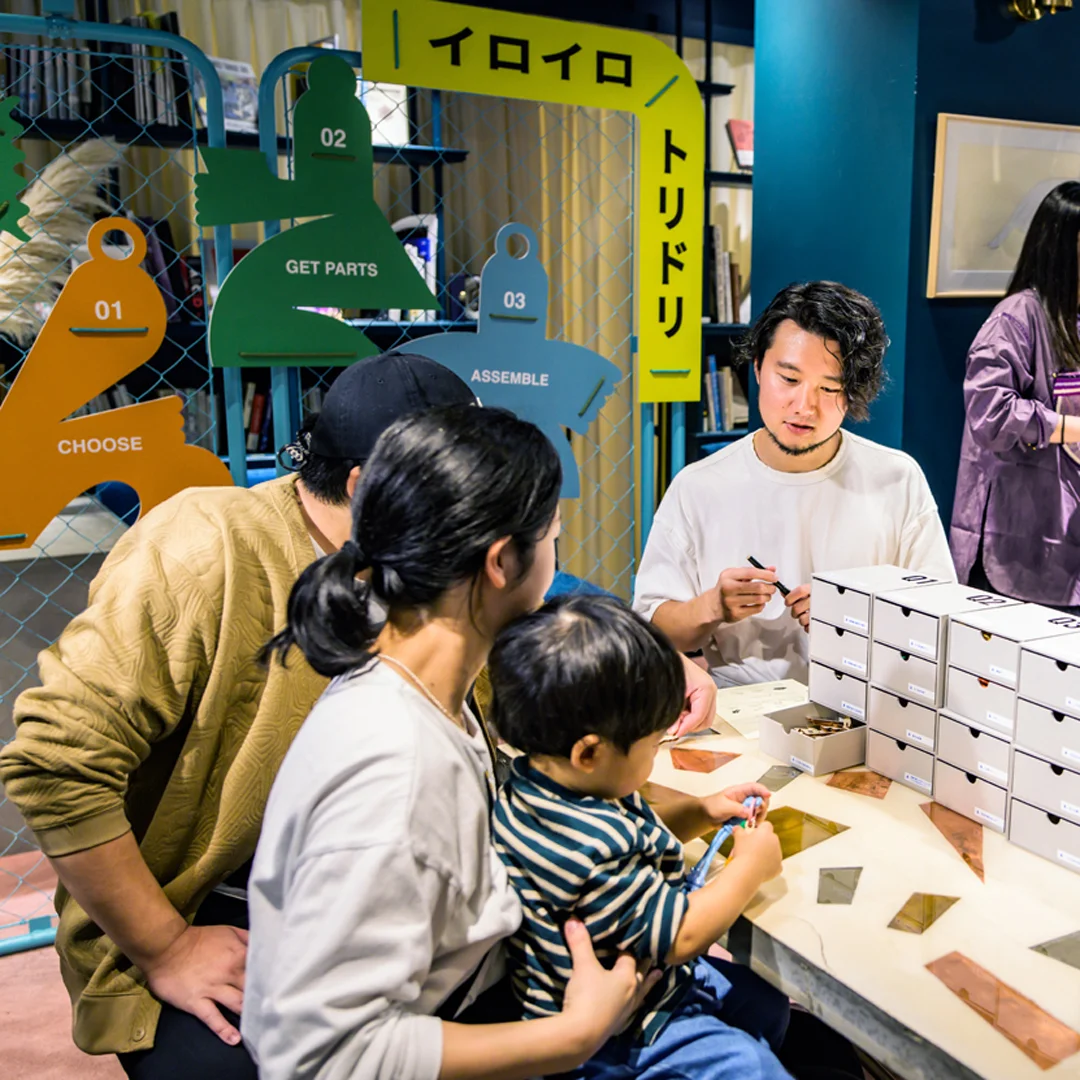
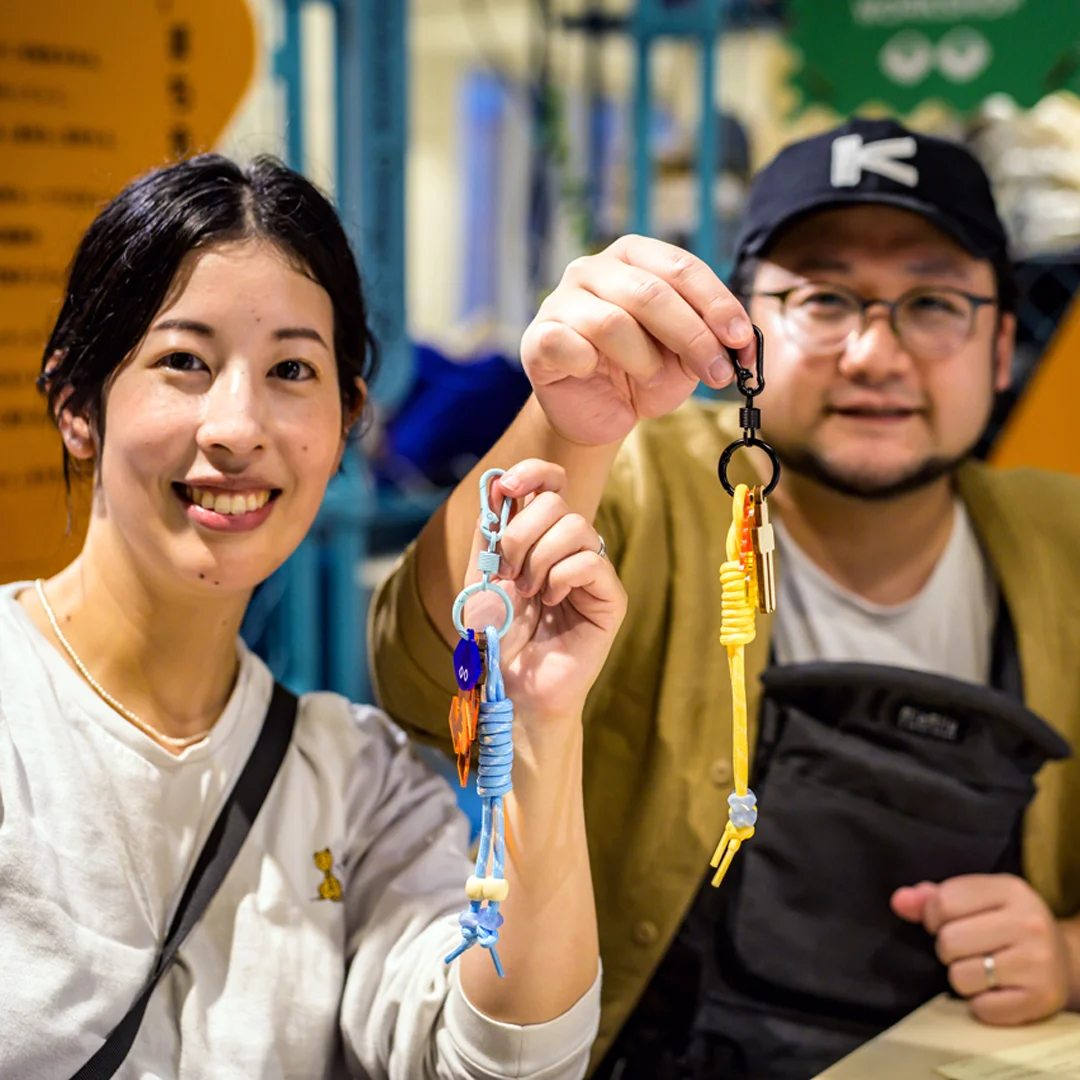
Left: Booth for a workshop hosted by Nikken Sekkei's Inclusive Design Lab; Right: Keychain completed by answering five questions.
Nikken Sekkei's Inclusive Design Lab conducted "Iroiro Toridori," an activity where participants created original keychains. Participants answered five questions about themselves and then selected and assembled parts based on their answers. Through the completed keychains, they deepened their understanding of their own individuality and way of thinking, as well as that of other participants.
Although it wasn't possible to hold the event throughout the entire park as originally planned, exchanges through art, crafts, and sports took place at two venues.
Connecting people in Jinnan through casual sports
The background to this project was the desire to create new connections within the community amidst changes in the urban environment, such as the redevelopment of the Jinnan area and the temporary relocation of Jinnan Elementary School due to the rebuilding of its school building.
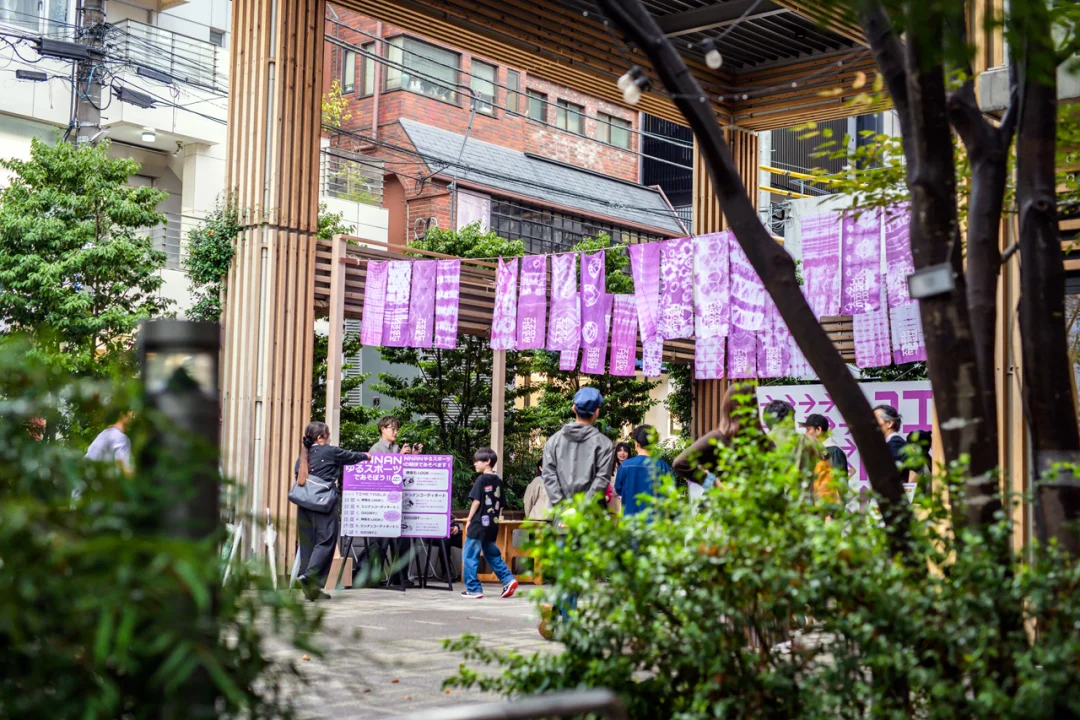
The Jinnan area of Shibuya, a major metropolitan area, presents unique challenges in community building compared to the suburbs. The aim of this initiative was to use Kitaya Park as a hub for interaction, where adults and children could enjoy themselves together through casual sports, fostering connections across generations.
Fukushima explains the background of the project, saying, "I had the idea that businesses in Jinnan should work together more closely. As the designated manager of Chatan Park, which is in the heart of the area, I wanted to do something that would contribute to community building in the region."
Hagiwara also says that casual sports are meaningful precisely because Shibuya is a city where many people come and go. "In rural areas, you often start by thinking about 'gathering people.' But here, there are already people. That's why connecting the people who are already here is important in this area."
In parallel with the development of the sport by local adults, fourth-grade students at Kannan Elementary School, currently studying in a temporary school building, are also working on creating their own original "Yuru Sport" (a type of casual sport). The students are devising a sport that utilizes the unique characteristics of Kannan through their lessons, and they are considering holding trial sessions and other events once the sport is completed.
Regarding the workshop, Ms. Fukushima expressed regret that the scale had to be reduced due to the rain, but showed enthusiasm, saying, "It would be a shame to just create something and leave it at that. I want to create opportunities to showcase the sport that was created this time to more people and let them actually play it." She also added, "I would be happy if we could spread the 'Yuru Sports' created by the elementary school students together with them."
Hagiwara emphasizes that there is no such thing as a finished product when it comes to creating sports, saying, "We will actually run the games, and then fix and refine the problems that arise." At this trial event, participants offered various opinions and suggestions for improvement regarding the rules and equipment. The three sports created by local adults are likely to continue evolving as they incorporate feedback from those who actually play them.
Interview and writing: Takashi Fujii / Photography: Osamu Matsuba
Venue
Genres within watch
Articles in the same genre
2026-11-10〜
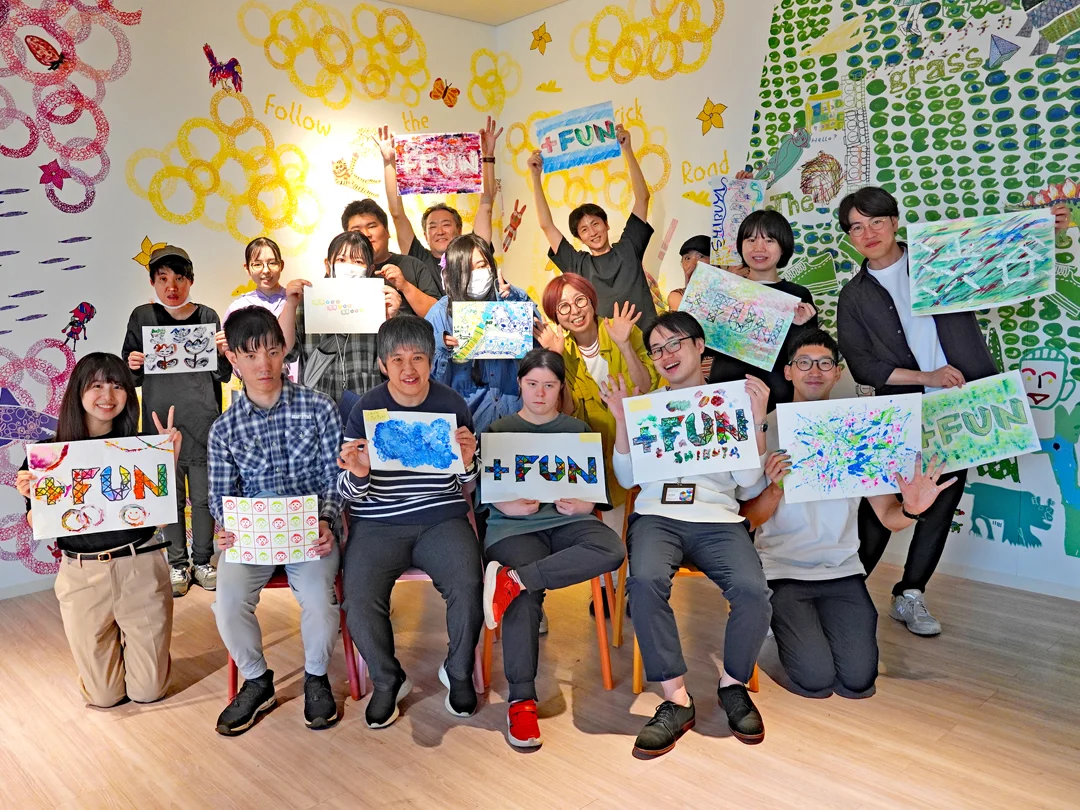
Making Shibuya Station's East Exit More Enjoyable with Art: Collaboration Between People with Disabilities and Urban Development Members
2026-11-04〜
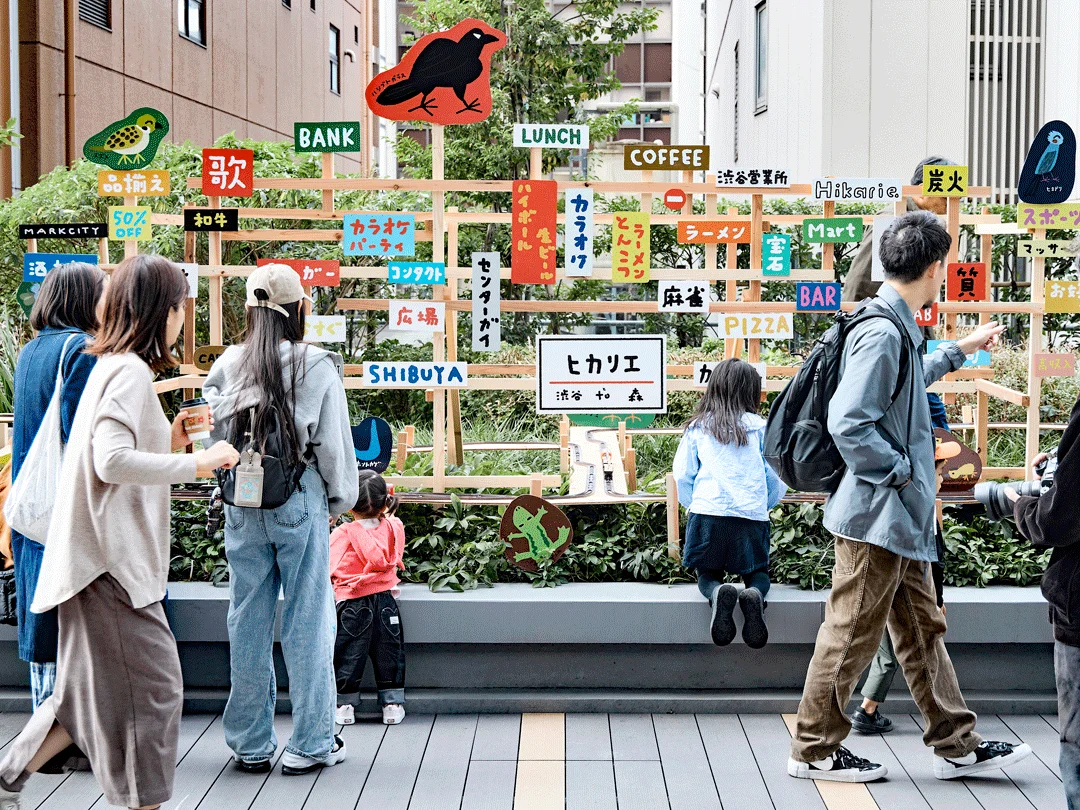
Create "animal keychains" at Shibuya Hikarie Deck: Parents and children can experience the "cycle of life."
2026-11-04〜
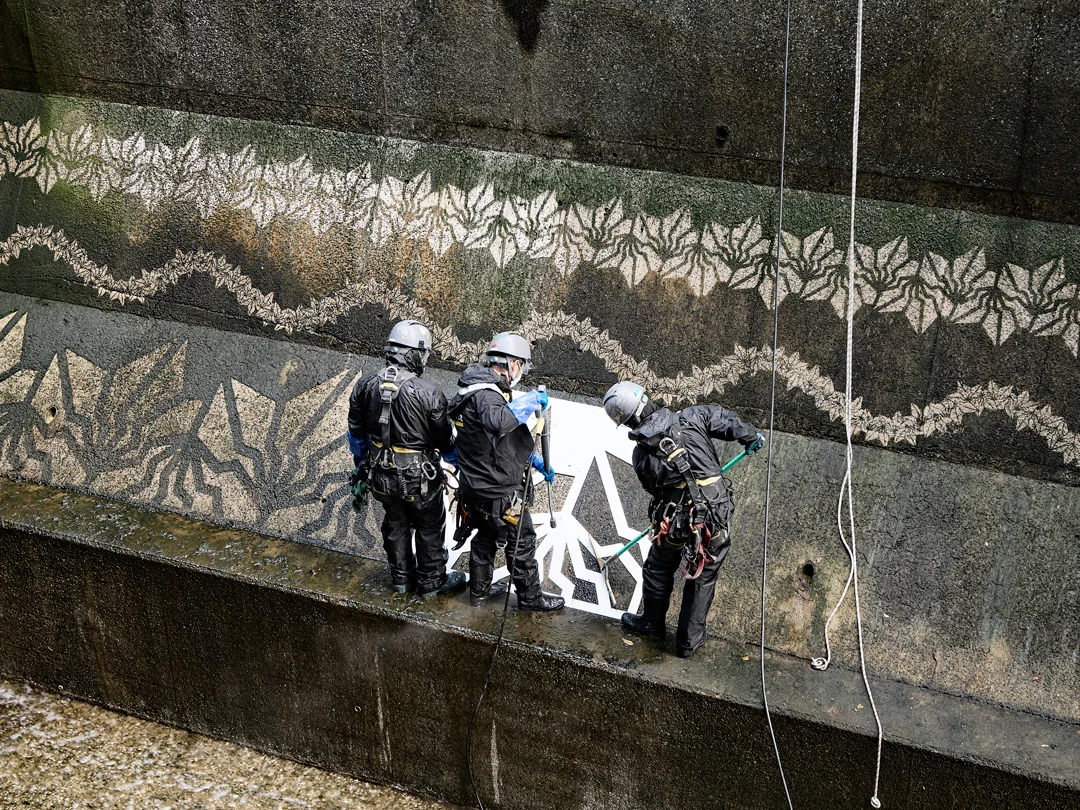
A giant "washing art" piece has appeared along the Shibuya River, created by BAKIBAKI using a high-pressure washer.
2026-11-02〜
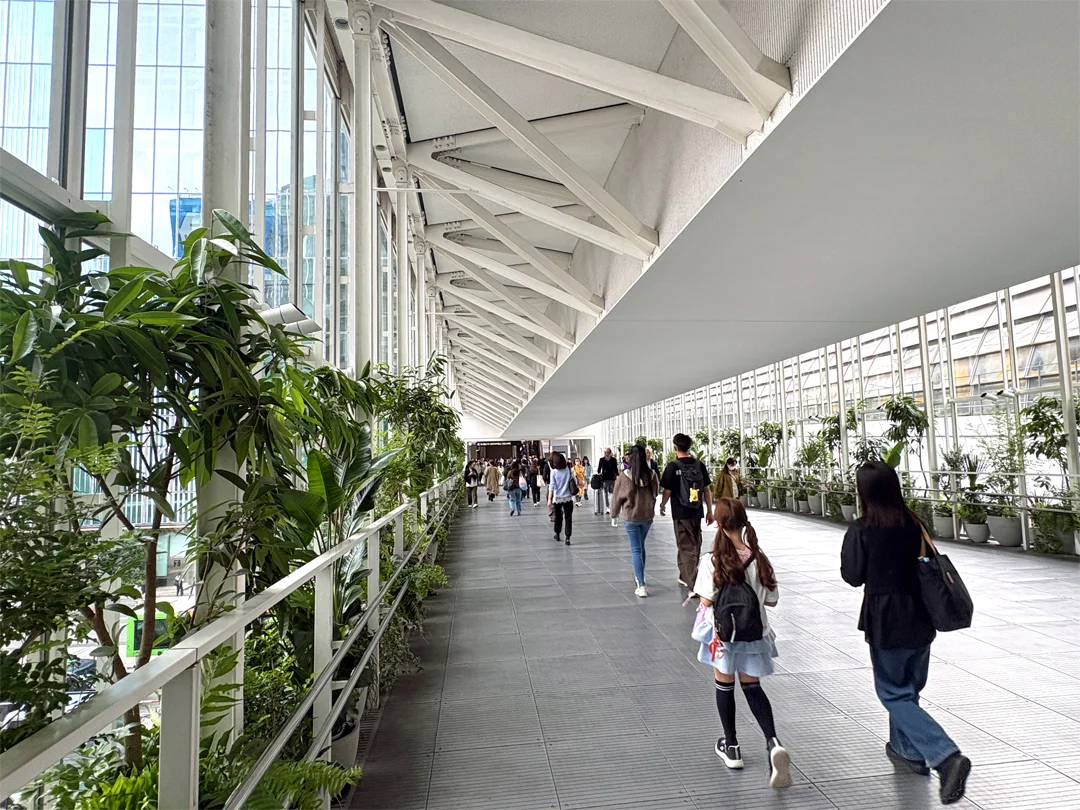
The connecting passageway directly linked to Shibuya Station has been transformed into a "city forest" with 180 potted plants.
Featured articles on the site
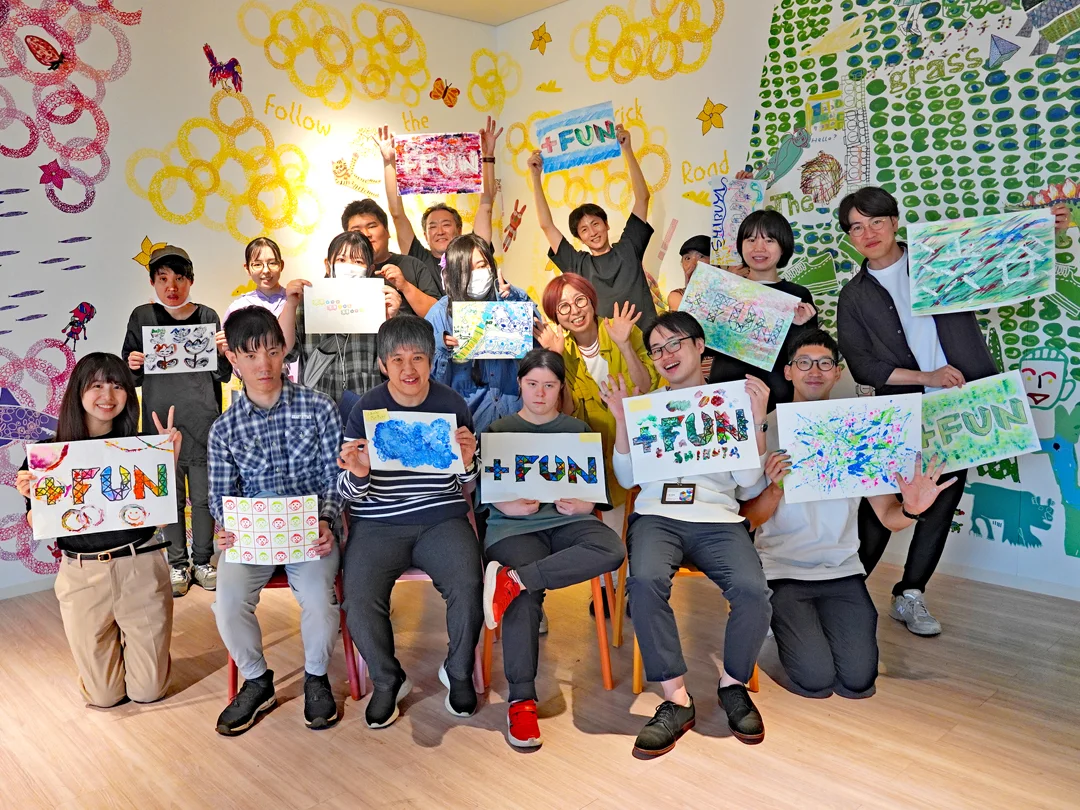
Making Shibuya Station's East Exit More Enjoyable with Art: Collaboration Between People with Disabilities and Urban Development Members
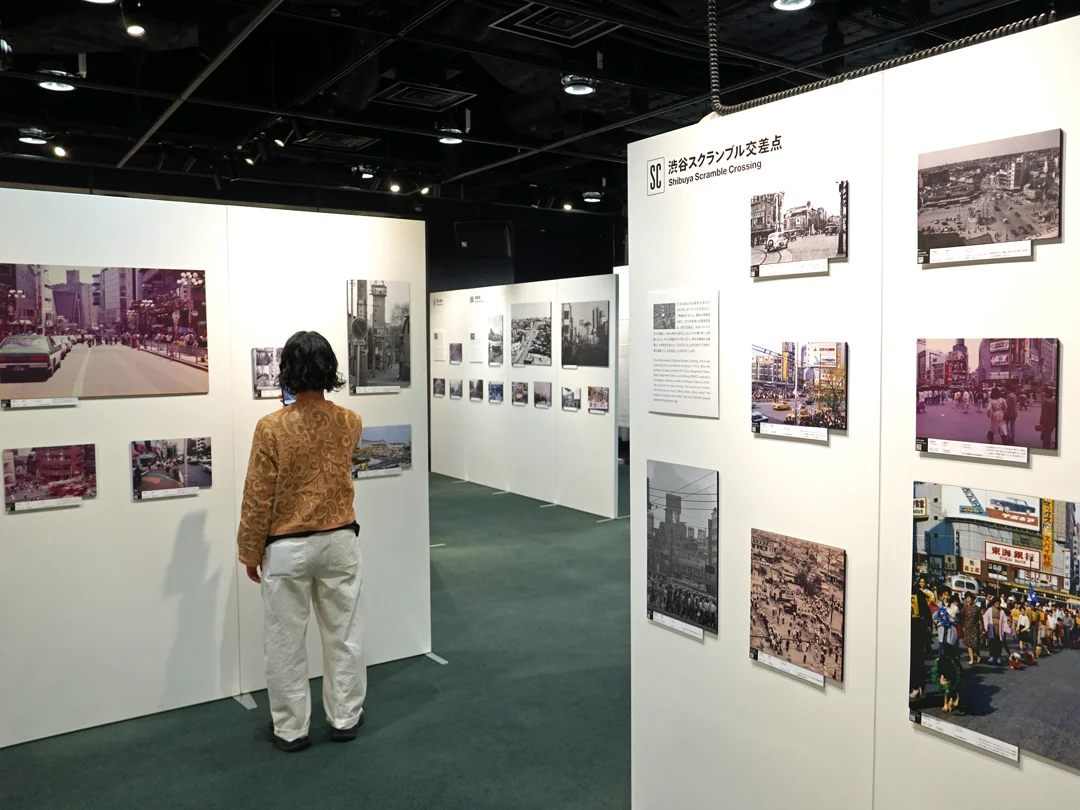
A photo exhibition tracing the memories of Shibuya's "vanished streets" and the city itself: 186 photographs and people's testimonies.
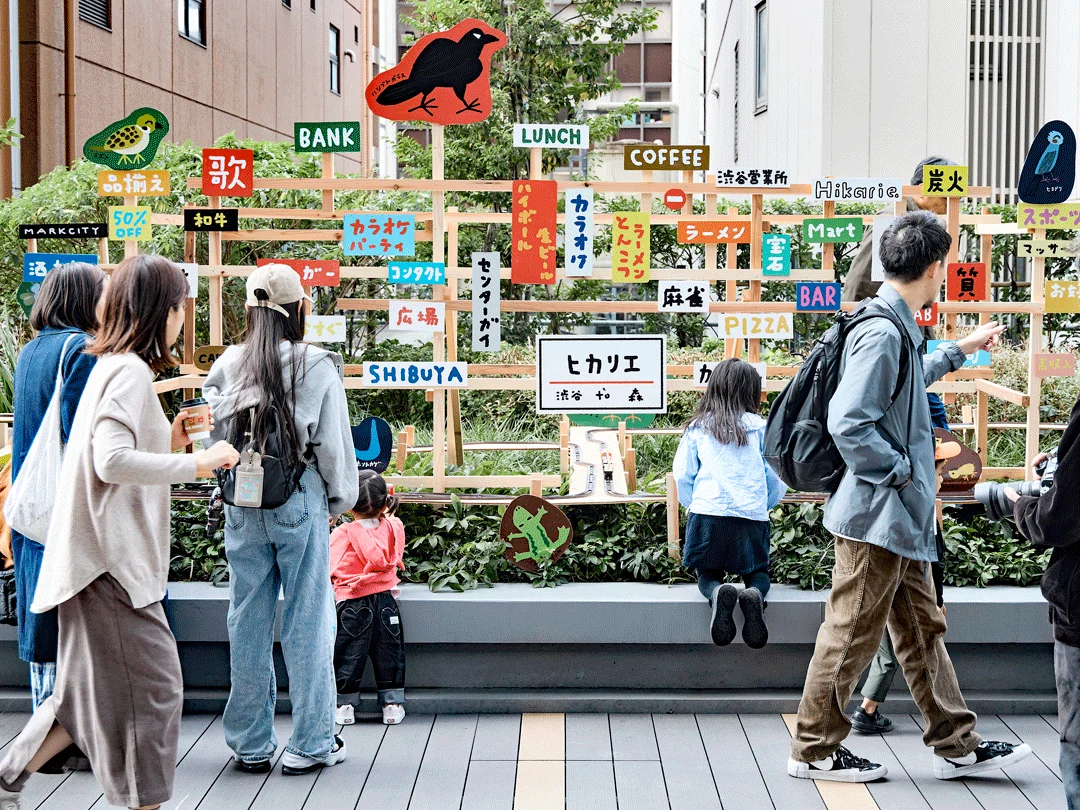
Create "animal keychains" at Shibuya Hikarie Deck: Parents and children can experience the "cycle of life."