SHIBUY.A. × WATCH

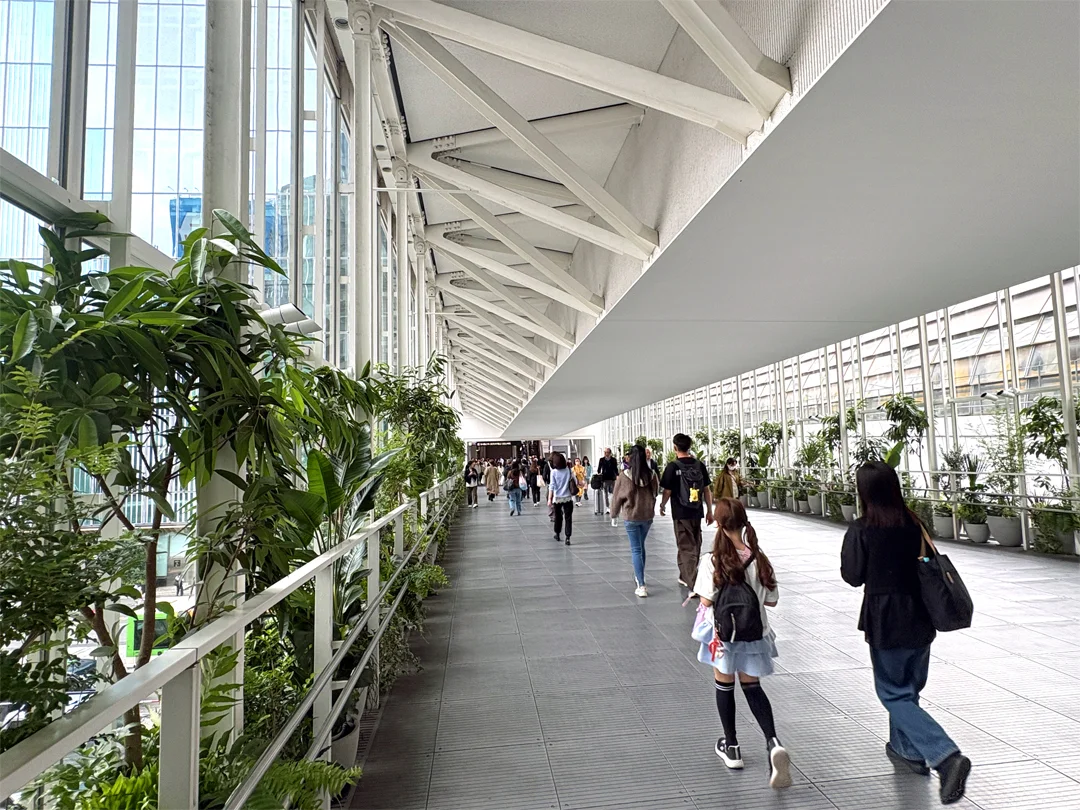
The connecting passageway directly linked to Shibuya Station has been transformed into a "city forest" with 180 potted plants.
2026-11-02
SHARE
On October 22nd, a temporary "greening project" began in the second-floor connecting passage between SHIBUYA SCRAMBLE SQUARE and Shibuya Hikarie, featuring the installation of approximately 180 potted plants. A wide variety of plants have been placed in the passageway, which is used daily by office workers, shoppers, and station users. The addition of greenery to the urban space surrounded by concrete and glass has transformed the usual route into a space where people can feel comfortable and refreshed.
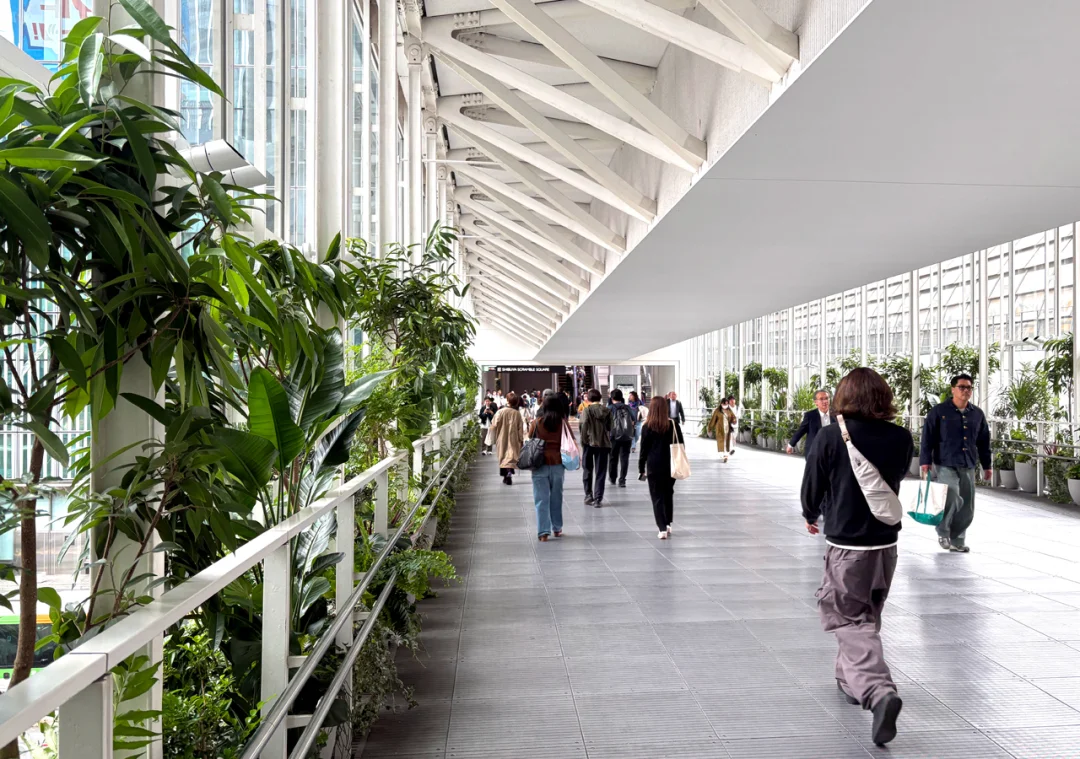
The 36-meter walkway connecting the station and the town will be greened.
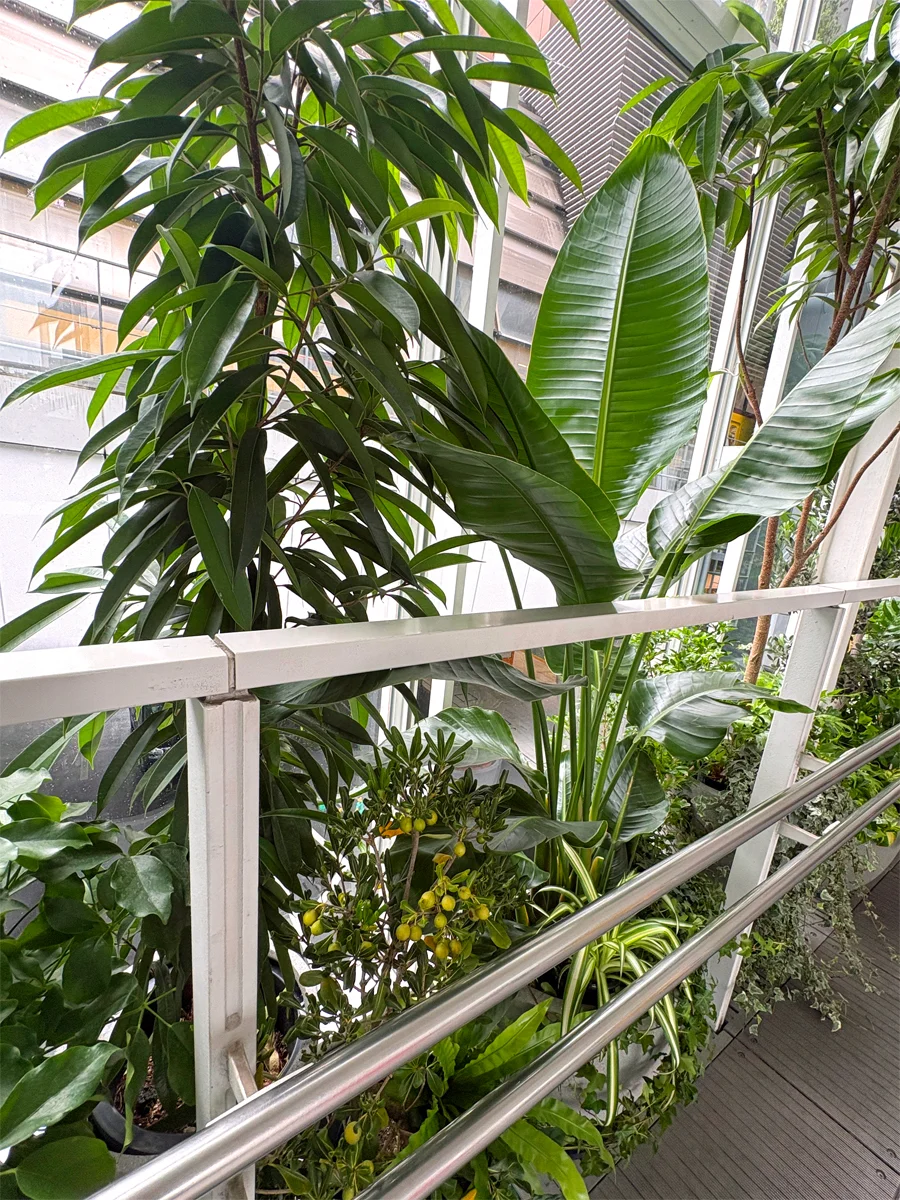
This project is part of the "Urban Forest Project," an initiative promoted by the Tokyo Metropolitan Government as part of "Tokyo Green Biz." The project aims to enhance urban tourism by installing plants in places that have not traditionally been greened, such as indoor spaces in train stations, passageways leading to parks, and artificial ground, allowing Tokyo residents who use stations and other facilities to experience a sense of spaciousness and refreshment through greenery, and by promoting the benefits of green spaces. At Shibuya Station, Tokyu Corporation and Tokyo Metro Co.,Ltd. are participating, exploring new ways of greening urban spaces by incorporating plants into station facilities and connecting passageways that were previously difficult to green. The greened area is approximately 36 meters long, in the "connecting passageway" that links SHIBUYA SCRAMBLE SQUARE and Shibuya Hikarie. 180 pots of plants were placed in total, 90 on each side of the passageway, north and south, and along the railings by the windows. Variations in plant height, leaf shape, and color create a continuous green landscape.
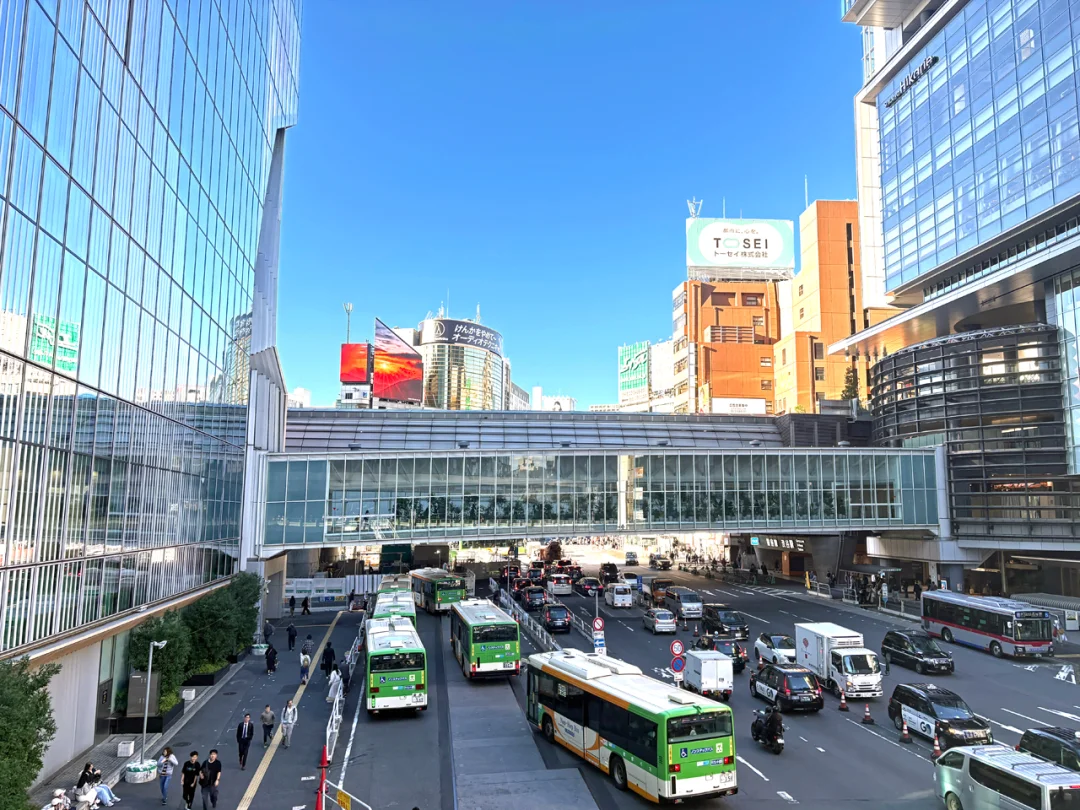
The "Forest in the City" greening project is being implemented in the second-floor connecting passageway between Shibuya Hikarie and SHIBUYA SCRAMBLE SQUARE
Regarding the reason for choosing this location, Tokyu representative Natsuki Shinoda explained, "It's an iconic passageway connecting the station and the city, linking Shibuya Hikarie and SHIBUYA SCRAMBLE SQUARE, and also connecting to the urban cores on both sides. We thought it was a place with a lot of foot traffic where people could easily experience the benefits of greening." She added that the sufficient width of the passageway, which makes it easy to maintain the plants and ensure pedestrian safety, was also a deciding factor in the selection.
By combining plants of different heights and leaf colors, a natural forest is created.
The green shop "garage SHIBUYA," located on the 9th floor of SHIBUYA SCRAMBLE SQUARE, handled everything from plant selection and spatial design to installation and maintenance. Masahiko Futamura, the shop's representative, said, "We planned this with the hope that the connecting passageway, which people usually just pass through, would become a place where they can enjoy the expressions of the plants as they walk."
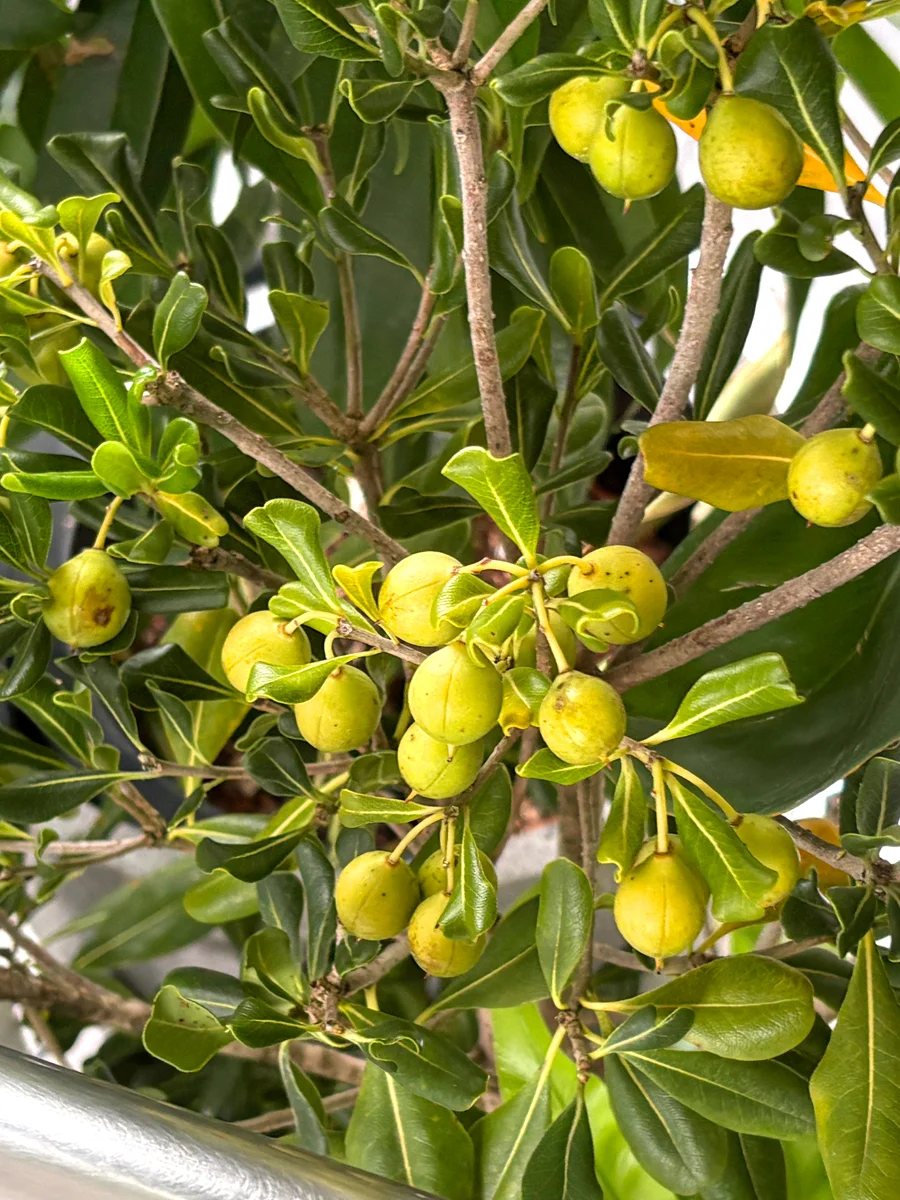
For the planting, 30 "Amsterdam" plants, each about 2 meters tall, were placed as the framework of the space. Large-leaved plants such as Strelitzia reginae and Monstera were combined with plants with smaller leaves, such as olive trees, to create visual variation. Furthermore, plants like rhododendron were added around the base of the plants, and the trailing vines of pothos and ivy were utilized to create a sense of depth and softness in the greenery of each pot.
Futamura explains, "I focused on creating a natural overlap and depth by combining plants of different heights, leaf sizes, shapes, and colors." Unlike neat, artificial plantings, he arranged plants of various sizes irregularly. He aimed for a natural and deep landscape that makes the most of the individuality of each plant, as if diverse plants were coexisting in a forest.
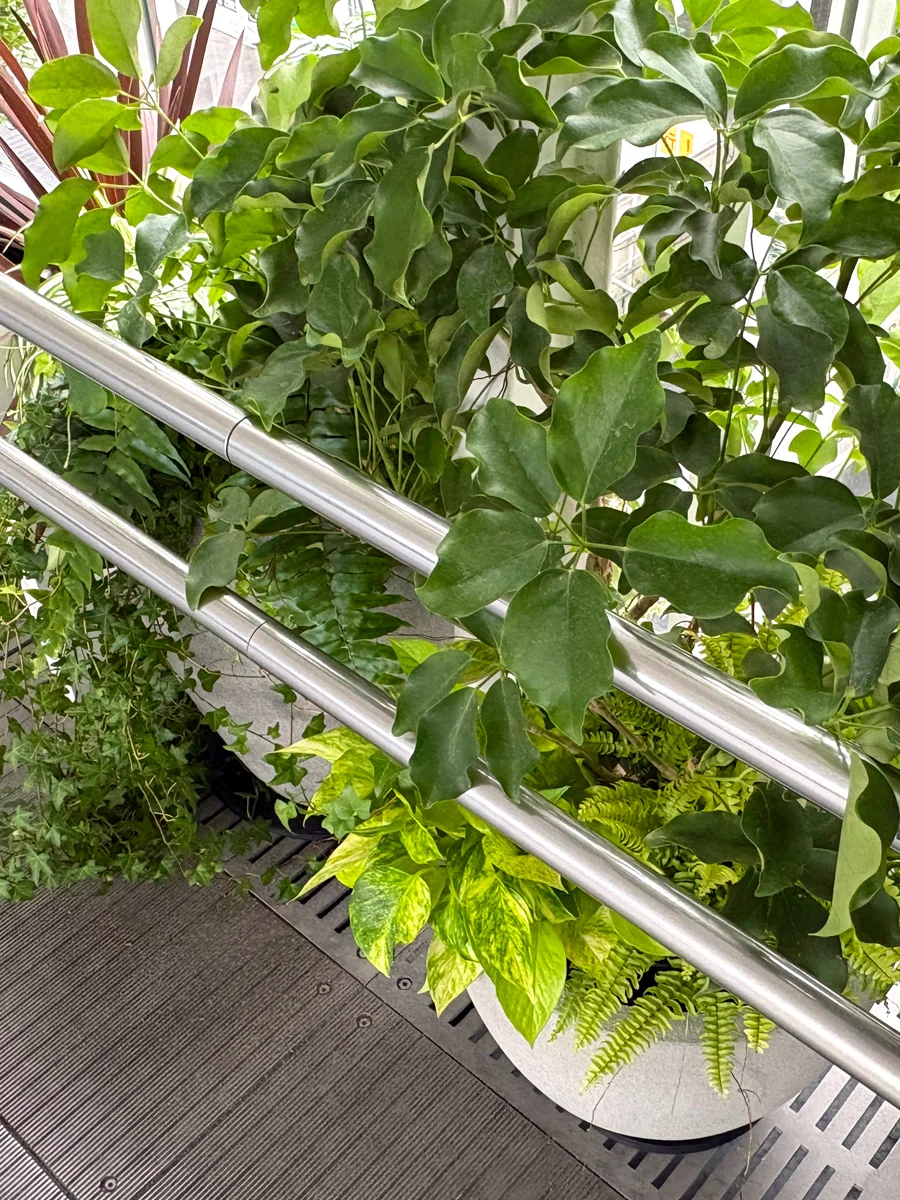
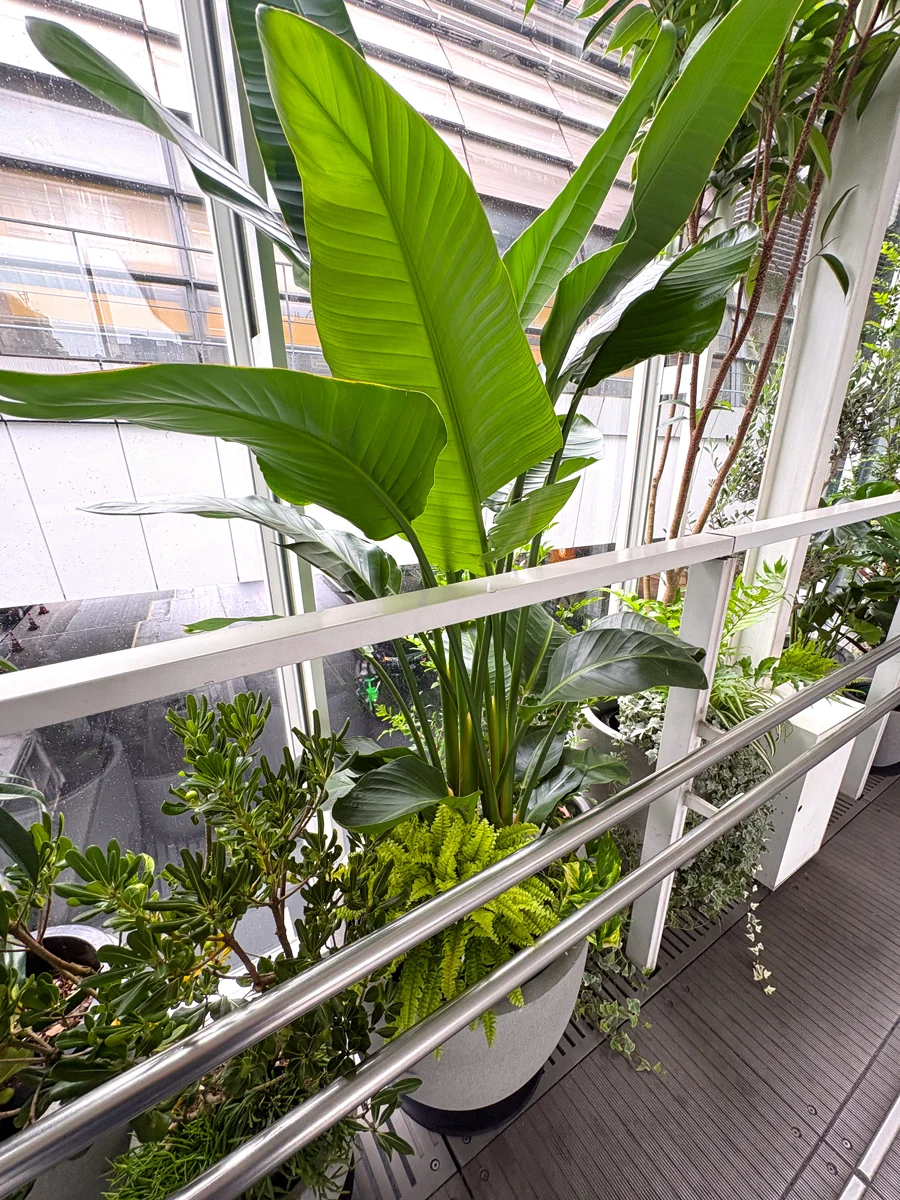
The goal of this greening project is not merely to beautify the walkways. It also aims to create a space where people can relax and feel refreshed during their daily commutes by incorporating greenery into the area around the station, where many people pass by quickly. For office workers and shoppers on their way to work, the addition of greenery to the familiar walkways could be a small trigger to change their mood. By transforming walkways that are merely a means of getting to one's destination into places where one can appreciate the colors and shapes of plants and the changing seasons, a new kind of charm will be added to the experience of walking through the city itself.
Hideyuki Honda, a representative from Tokyo Metro Co.,Ltd. said, "Shibuya is a city where diverse cultures and people intersect, creating new value, while at the same time, there are various sizes of green spaces within the city, adding to the charm of the urban area." As a railway operator, they want to make stations and passageways not just transit points, but places where people can spend time comfortably, and they hope that "by feeling the changes of the seasons and nature on the way to their destination, and enjoying the journey itself, it will lead to the discovery of new charms of Shibuya and encourage people to explore the city."
In Shibuya Ward, a similar greening project has also begun on the Ebisu Skywalk, which connects Ebisu Station and Ebisu Garden Place (October 22 to February 26, 2027). Meanwhile, at the Hikarie Deck, an outdoor space on the 4th floor Shibuya Hikarie, an art event called "Shibuya to Mori" will be held from October 31 to November 8, where existing plants will be transformed into a small forest. Ms. Shinoda encourages people to "take advantage of this opportunity and enjoy both events."
As part of the effectiveness evaluation, a survey with a QR code is being conducted in the connecting passageway, targeting people who use the green space, asking about their comfort level and impression. The survey can also be answered online.Survey page).
The greening project will run until February 22, 2027. Attention is focused on what kind of changes this small forest, created amidst the hustle and bustle of the city, will bring to the people passing through Shibuya.

In Tokyo, the "Tokyo Green Biz" initiative is being promoted to further enhance the value of greenery, which provides comfort and enrichment to people's lives, and to pass it on to future generations. As part of this initiative, efforts are underway to green spaces that have not been greened before (indoor spaces in train stations, passageways leading to parks, and artificial ground). The aim is to allow people using train stations and other facilities to experience comfort and enrichment through greenery, to communicate the effects of greening, and to strengthen urban tourism functions. At the same time, the Tokyo Metropolitan Government is collecting knowledge necessary for promoting greening of indoor spaces and verifying the challenges involved.
- For more informationThis direction(Go to the Tokyo Metropolitan Government website)
Venue
Editorial Department: Takashi Fujii
Shibuya registrar. In addition to Shibuya of Culture information, seasonal news and topics, it will spell write that feel every day.
Genres within watch
Articles in the same genre
2026-10-30〜
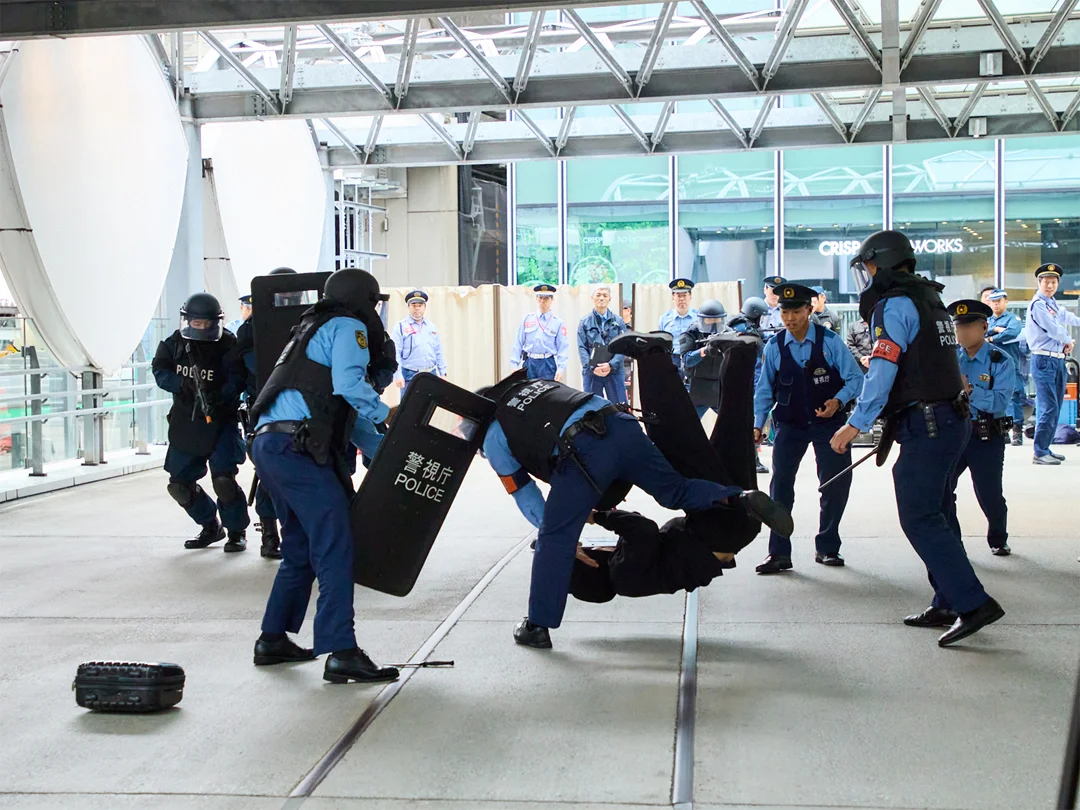
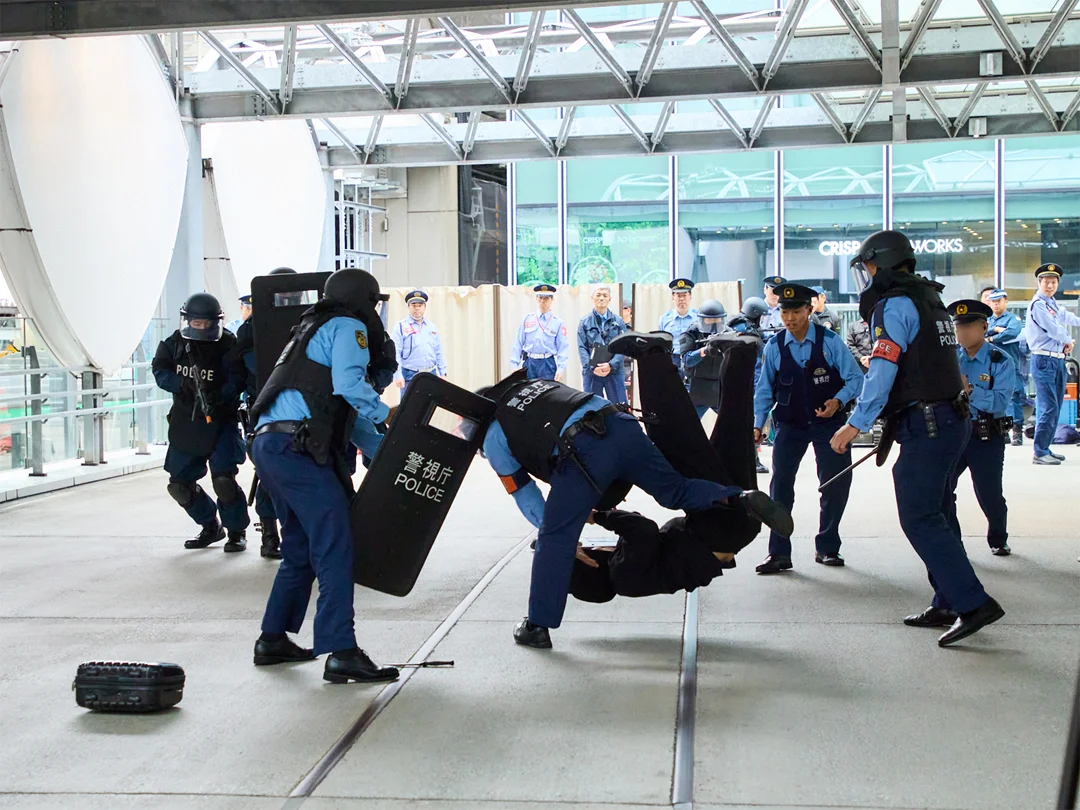
Security drill conducted at the pedestrian overpass at Shibuya Station, simulating scenarios involving a suspicious person with a handgun and explosives.
2026-09-30〜
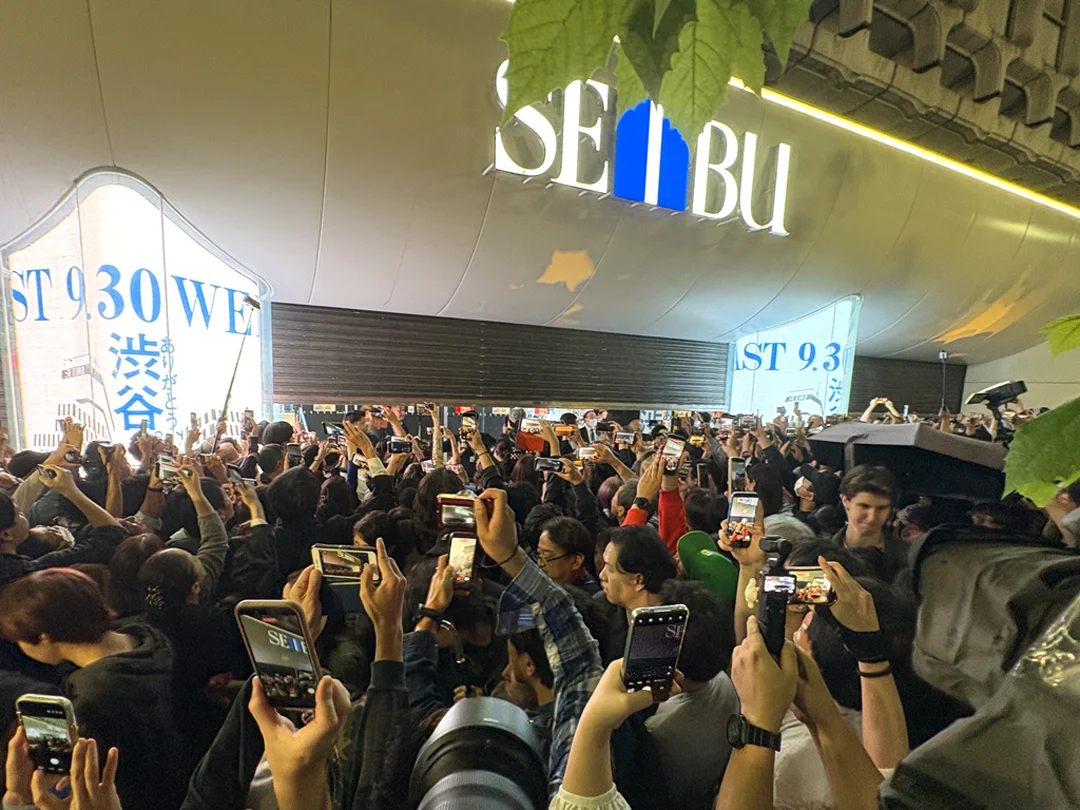
Seibu Shibuya Store closes its doors after 58 years of history: The department store that created "Shibuya" marks the end of its history.
2026-09-02〜
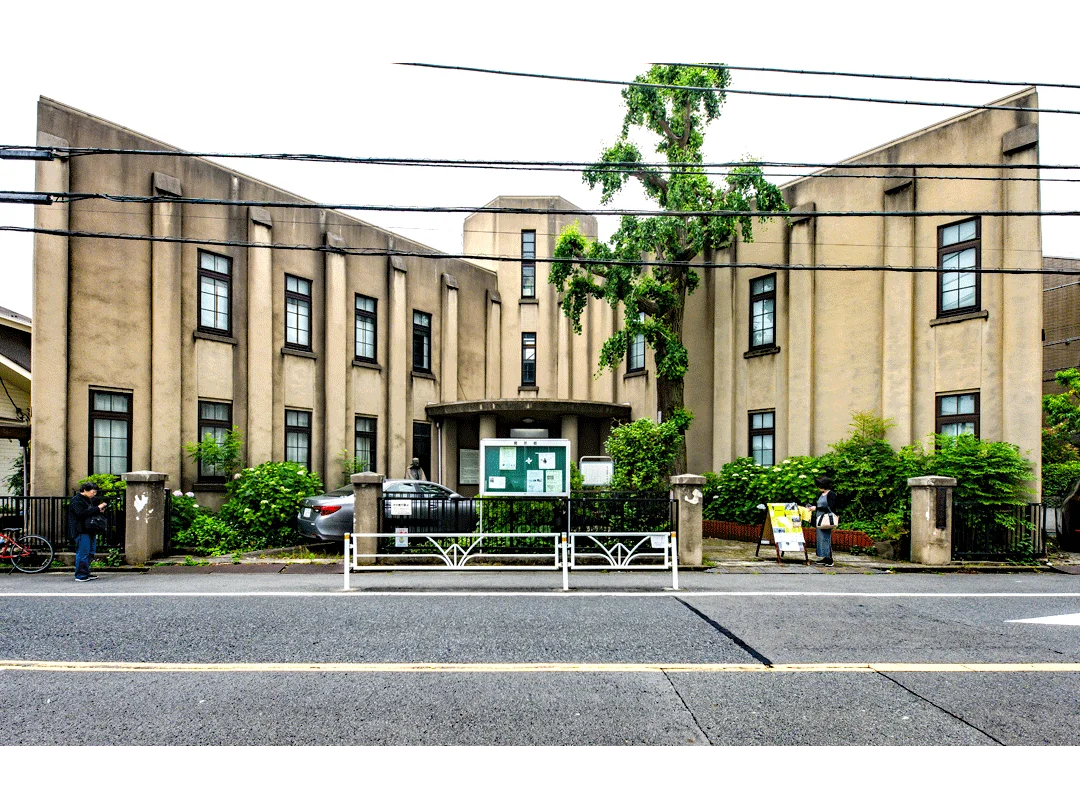
[Shibuya Scenery Records Vol. 2] The "Onko Gakkai Kaikan" continues to preserve the legacy of blind scholar Hanawa Hokiichi
2026-08-10〜
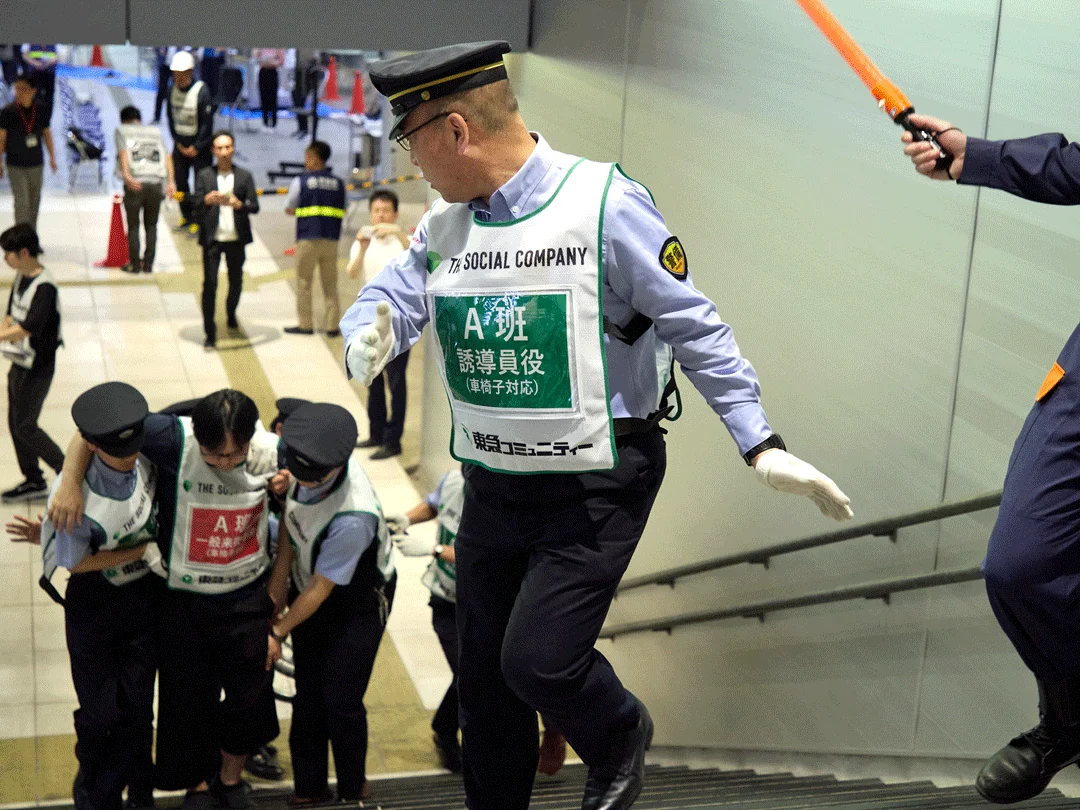
To ensure the safe guidance of visitors during flooding, a joint drill led by local residents was held for the first time around Shibuya Station.
Featured articles on the site
The connecting passageway directly linked to Shibuya Station has been transformed into a "city forest" with 180 potted plants.
Security drill conducted at the pedestrian overpass at Shibuya Station, simulating scenarios involving a suspicious person with a handgun and explosives.

Canva user networking event held in Shibuya, bringing together representatives from five fields including business and education.