SHIBUY.A. × WATCH

Create "animal keychains" at Shibuya Hikarie Deck: Parents and children can experience the "cycle of life."
2026-11-04
SHARE
On November 3rd, a workshop titled "Let's make 'creature keychains' that inhabit Shibuya together with artists!" was held on the 4th floor of the Hikarie Deck, an outdoor pedestrian space at Shibuya Hikarie, and was attended by families and others.
This workshop is part of the participatory art event "Shibuya to Mori ~Let's create a forest for living creatures in Shibuya!~" which has been running since October 31st. It is organized by Tokyu Corporation and planned in cooperation with Art Front Gallery. In the heart of Shibuya, which is undergoing redevelopment, the event aims to help people feel the connection between living creatures and life through art, with the theme of coexistence between the city and nature.
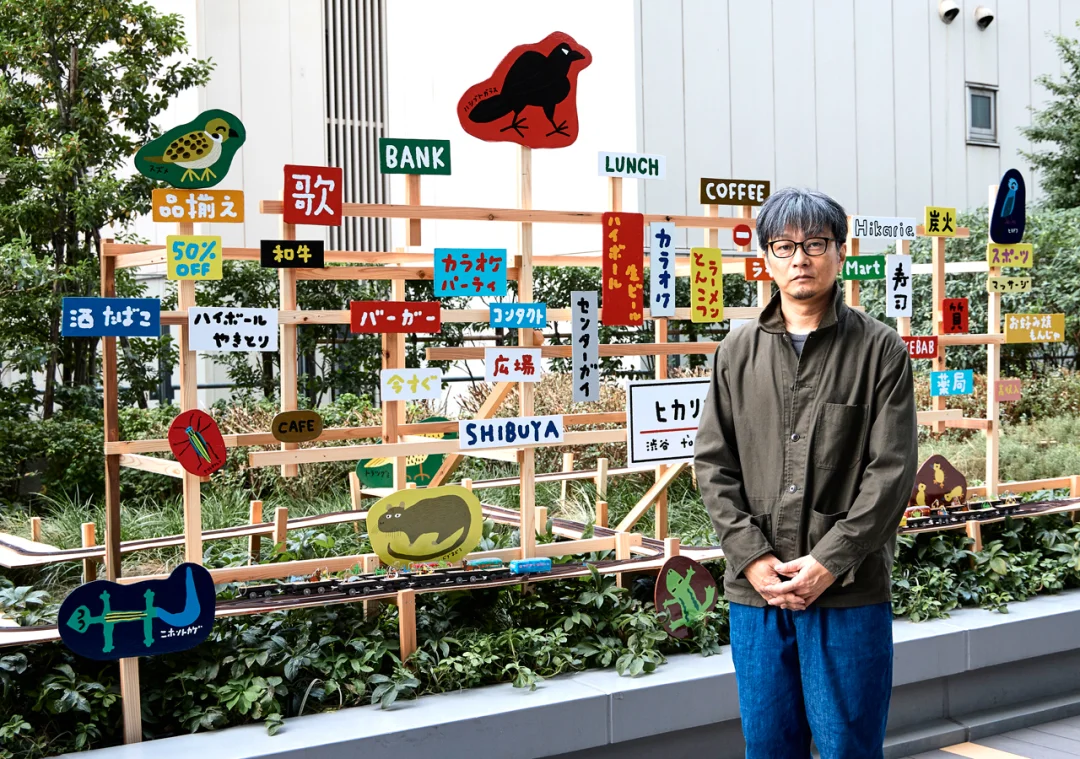
Artist Jin Hasegawa
The artwork was created by Jin Hasegawa, an artist from Hokkaido. After studying sociology at university, he studied product design at Kuwasawa Design Institute in Shibuya and began his career as an artist. He is currently involved in art festivals, public art, and participatory art projects in various locations.
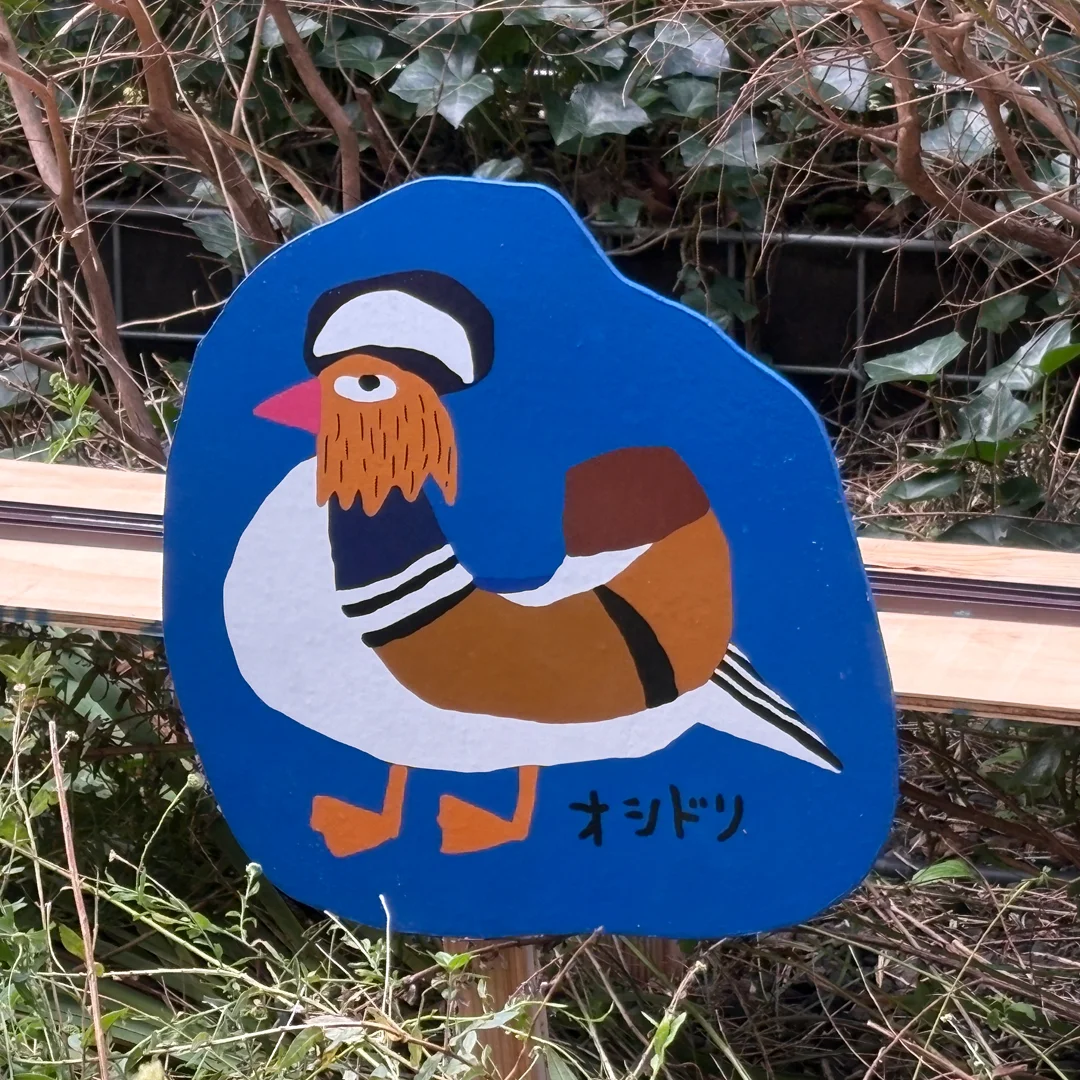
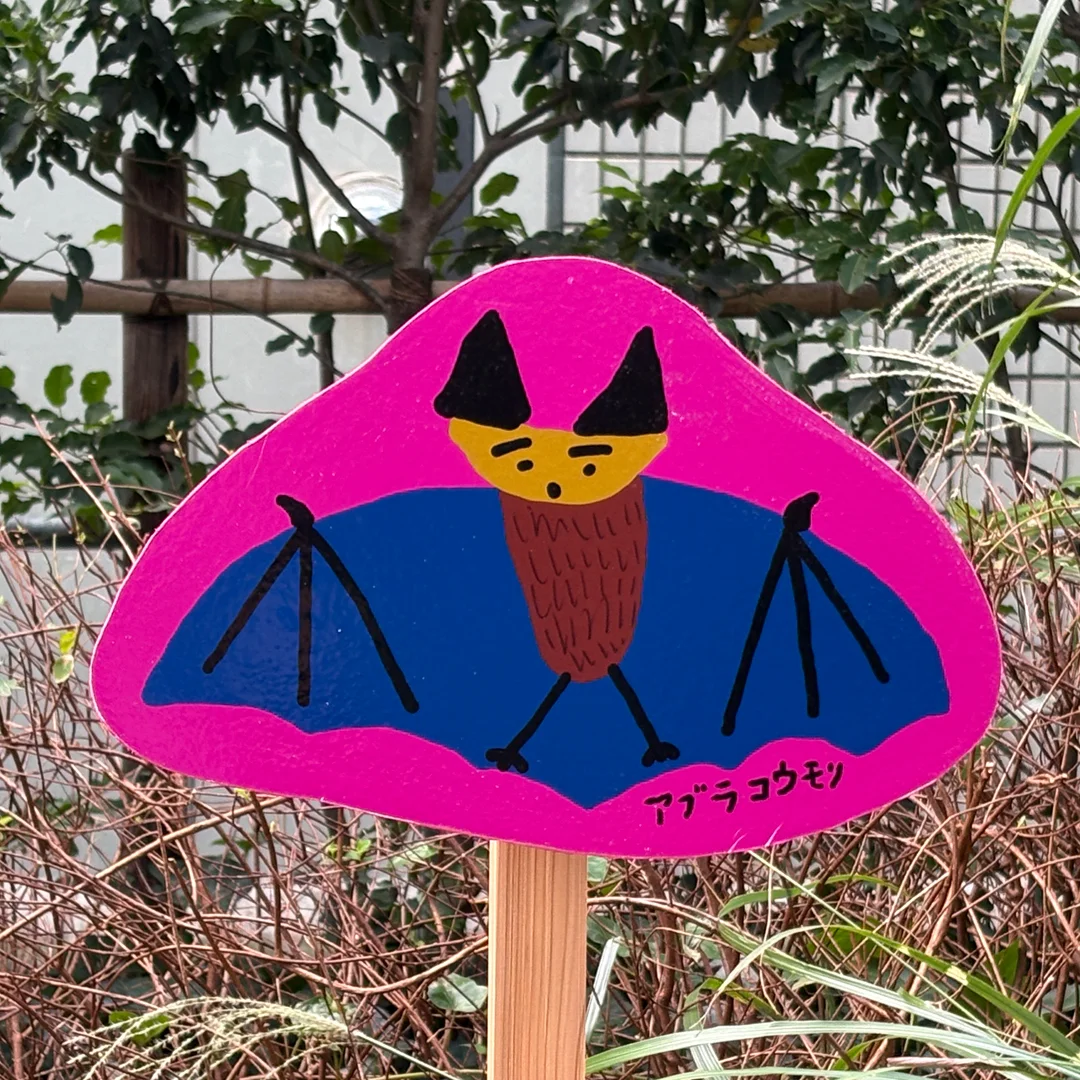
Creatures that inhabit Shibuya: Mandarin duck (left), Japanese house bat (right)
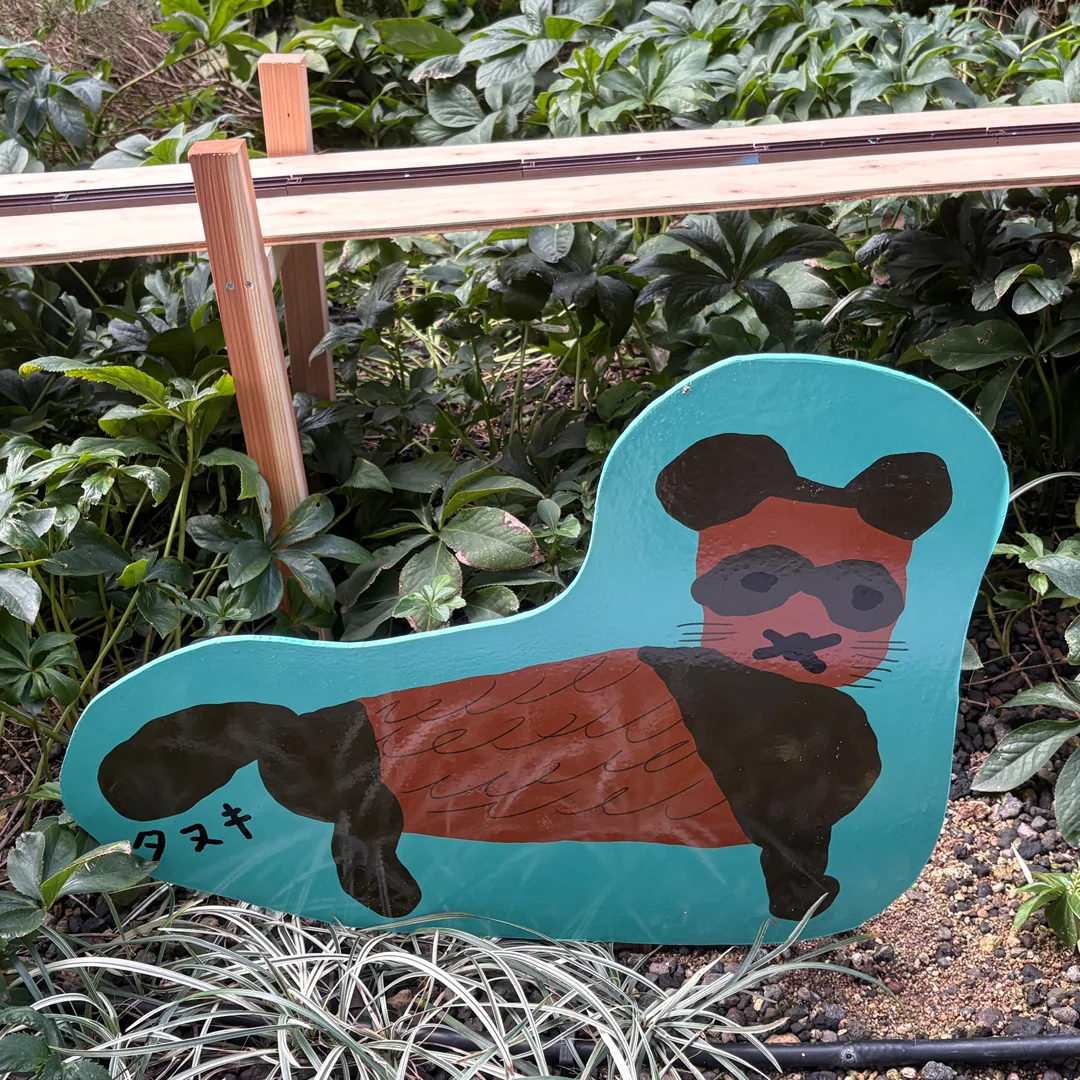
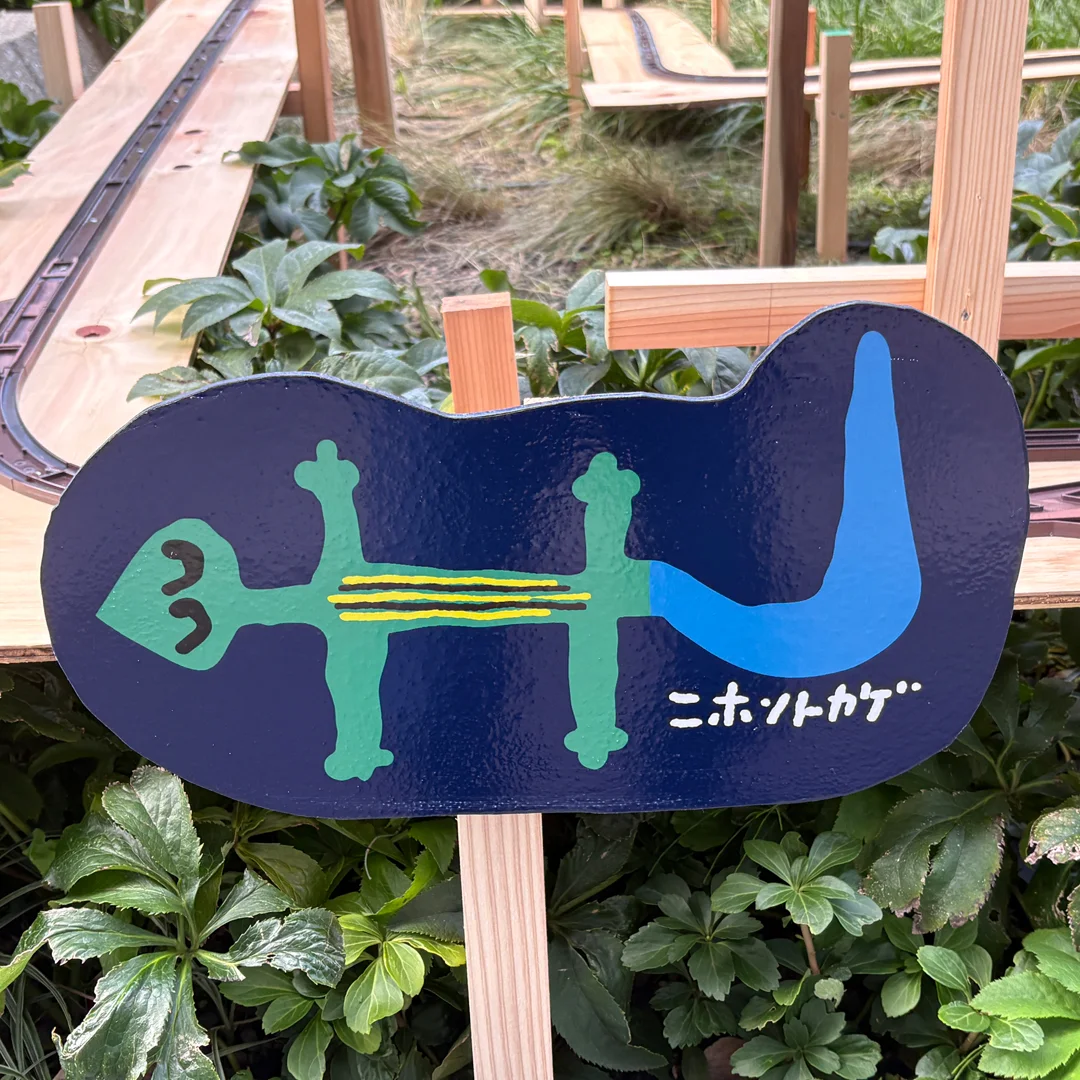
Shibuya, with its surprisingly abundant greenery including Yoyogi Park, is home to a variety of creatures. The photo shows a raccoon dog (left) and a Japanese lizard (right).
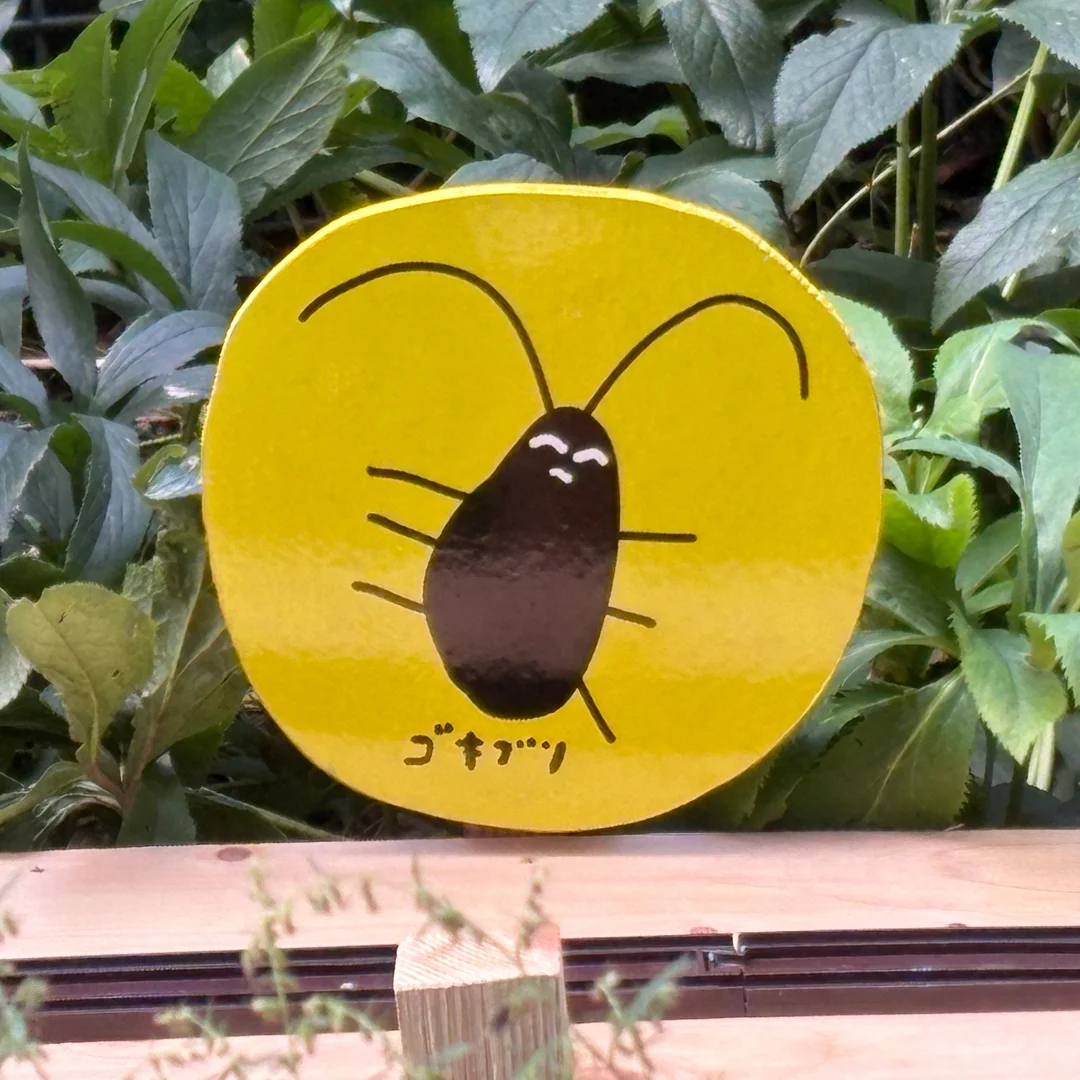
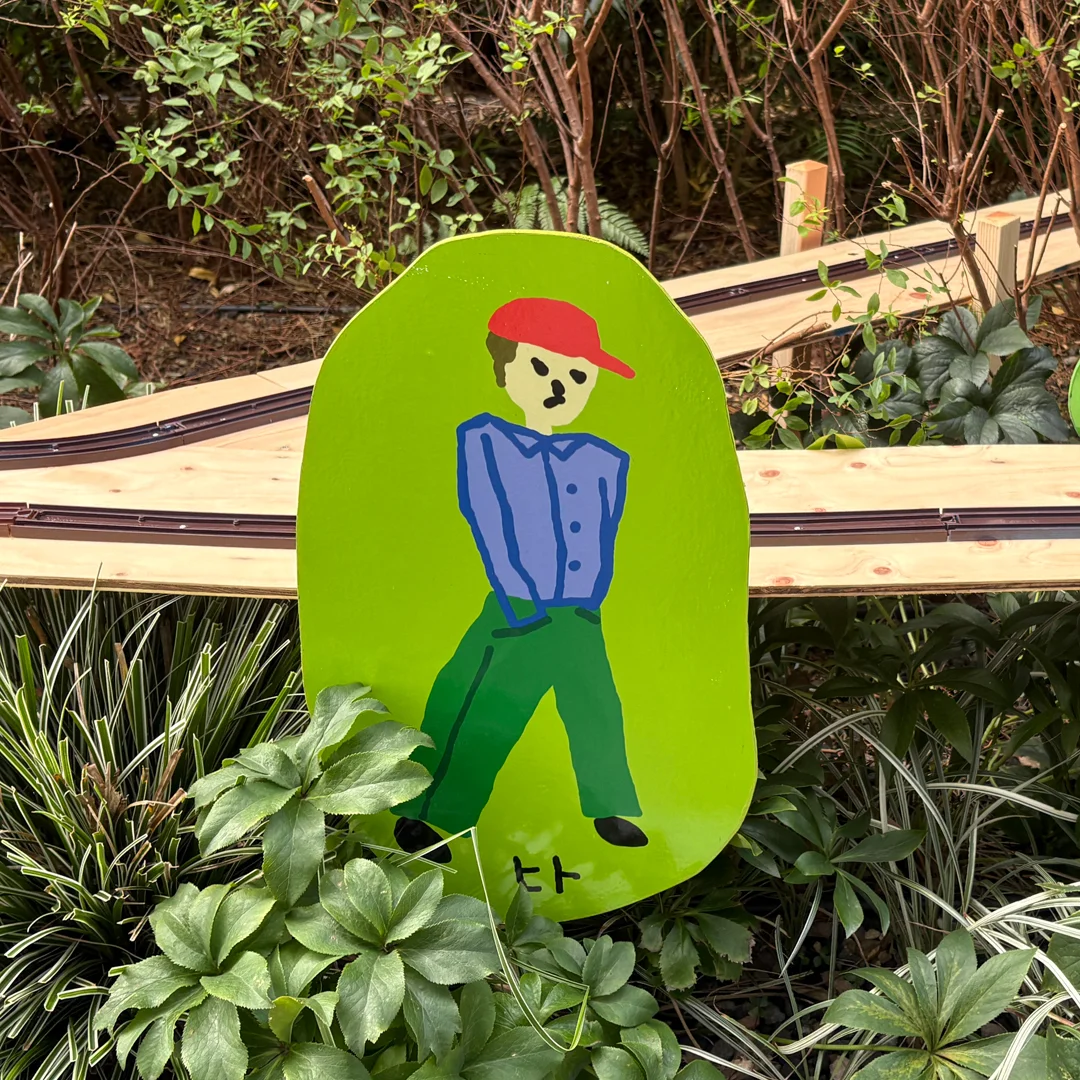
Cockroaches (left) and humans (right) also live as inhabitants of this "small forest."
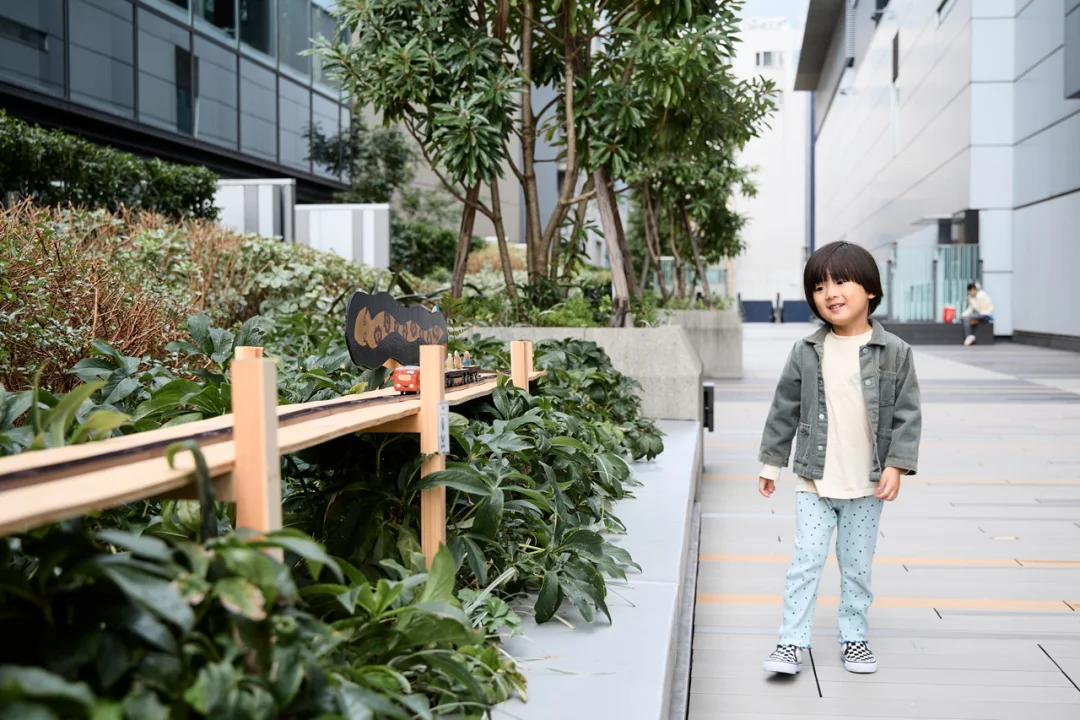
At the venue, the planted area of the Hikarie deck was transformed into a "small forest," and panels depicting the Shibuya cityscape created by Hasegawa, as well as various creatures that inhabit the Shibuya area, such as sparrows, carrion crows, bats, raccoons, cockroaches, ants, and even humans, were created and displayed. Toy train tracks were laid between the plants, creating a mechanism where the train travels through the forest, passing under the trees like tunnels.
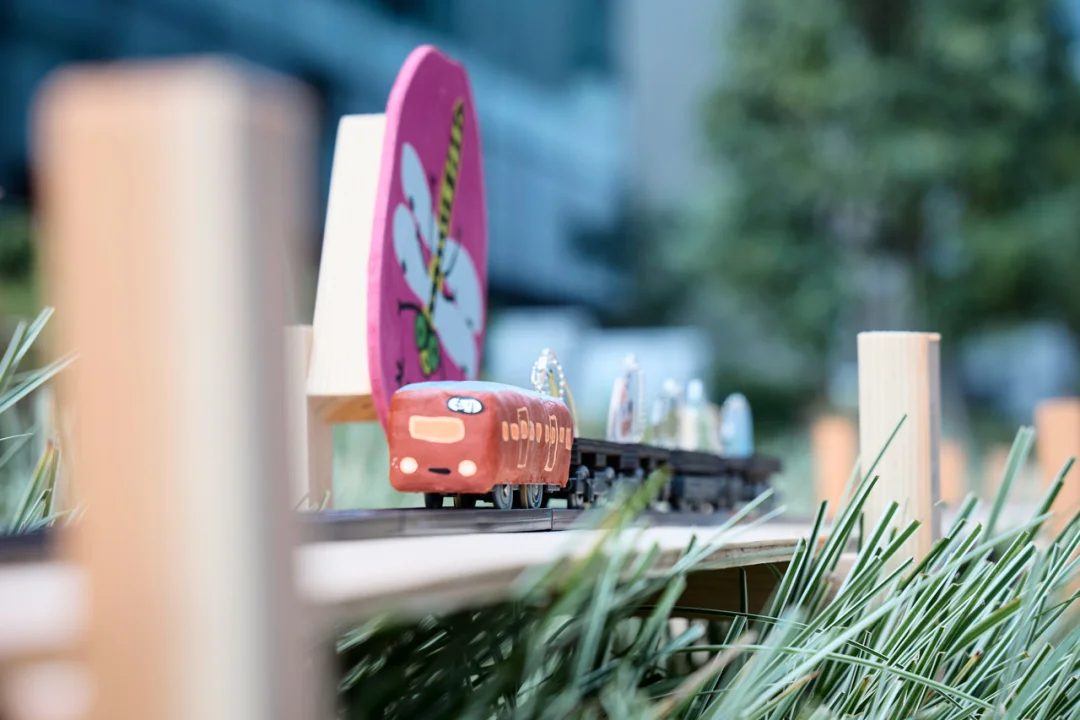
Passing through the small forest on the Hikarie deck, trains carrying creatures come and go.
Hasegawa recalls, "Initially, I was thinking of a different project, but when I saw the long, narrow plantings (on the Hikarie deck), I thought I wanted to envision this as a forest and incorporate something that moves." He also noted that there is still plenty of nature remaining around Shibuya, such as Yoyogi Park and Meiji Jingu Shrine, and said, "I wanted children to know that there are actually so many different kinds of living things all around them."
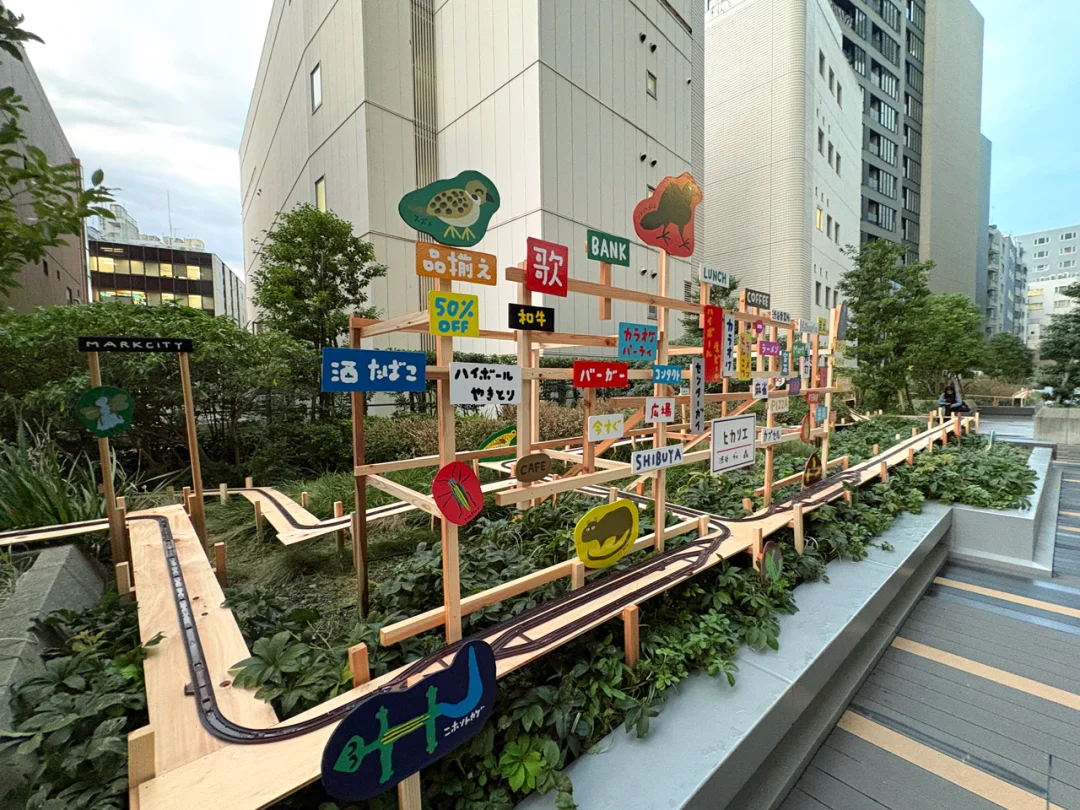
Hasegawa said he came up with the idea after seeing the plantings that lined the Hikarie deck.
The creatures I drew myself travel through a "small forest".
The rain from the previous day had stopped, and on the day of the workshop, under a clear blue sky, parents and children, including kindergarteners and elementary school students, participated. Participants chose a transparent acrylic keychain of their favorite shape and drew their own creatures with markers. A list of "creatures of Shibuya" was also provided at the venue, so that participants could learn about familiar creatures and expand their imagination while creating their keychains.
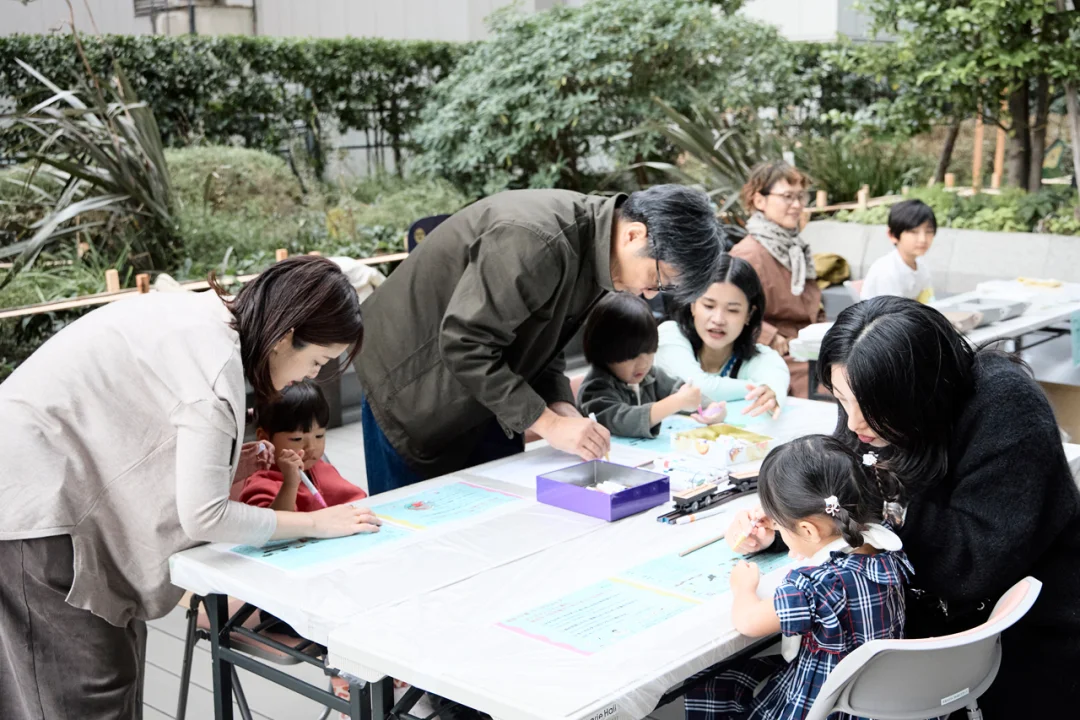
Scenes from the "Making Animal Keychains" workshop.
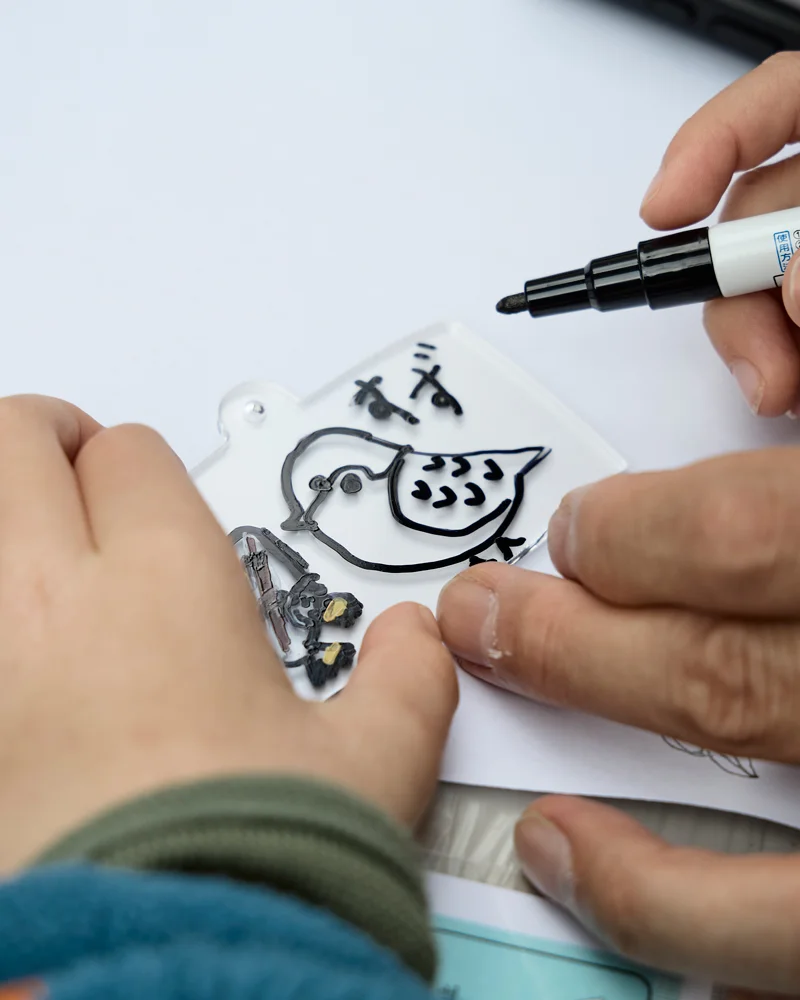
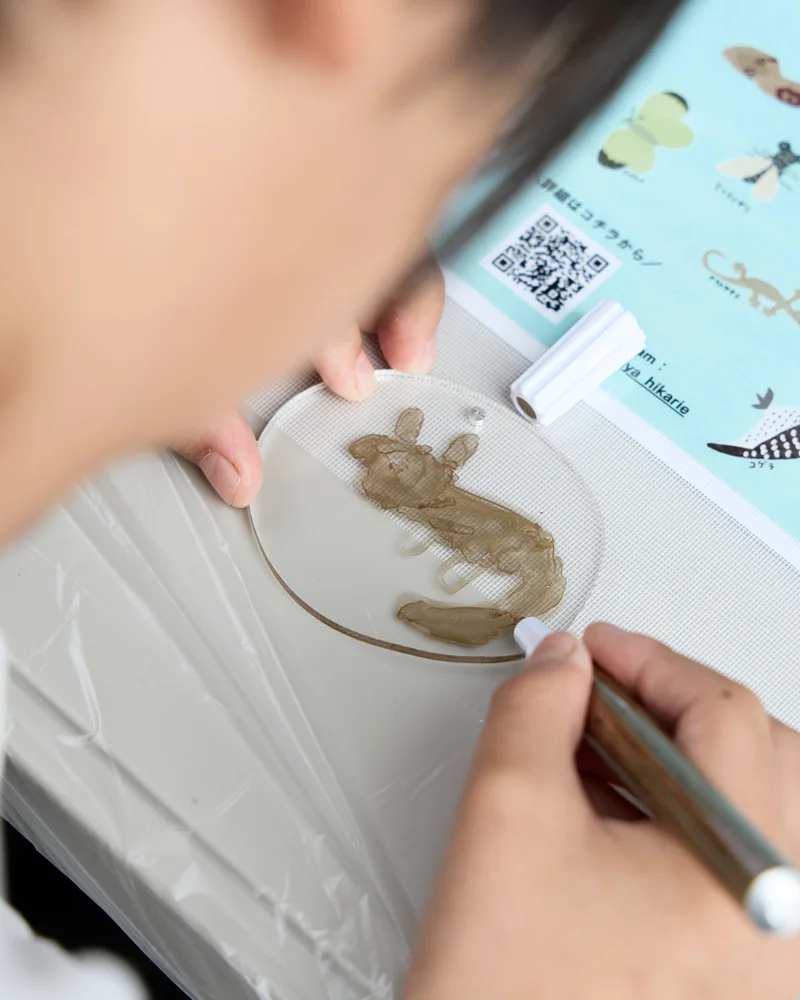
Participants draw whatever creatures they like on acrylic sheets using markers.
The completed keychains were placed on a toy train that ran around the venue, traveling through the planted areas. As the train carrying the creatures they had drawn approached, the children shouted, "Here comes the train!" and chased after the train as it sped away, showing their joyful expressions.
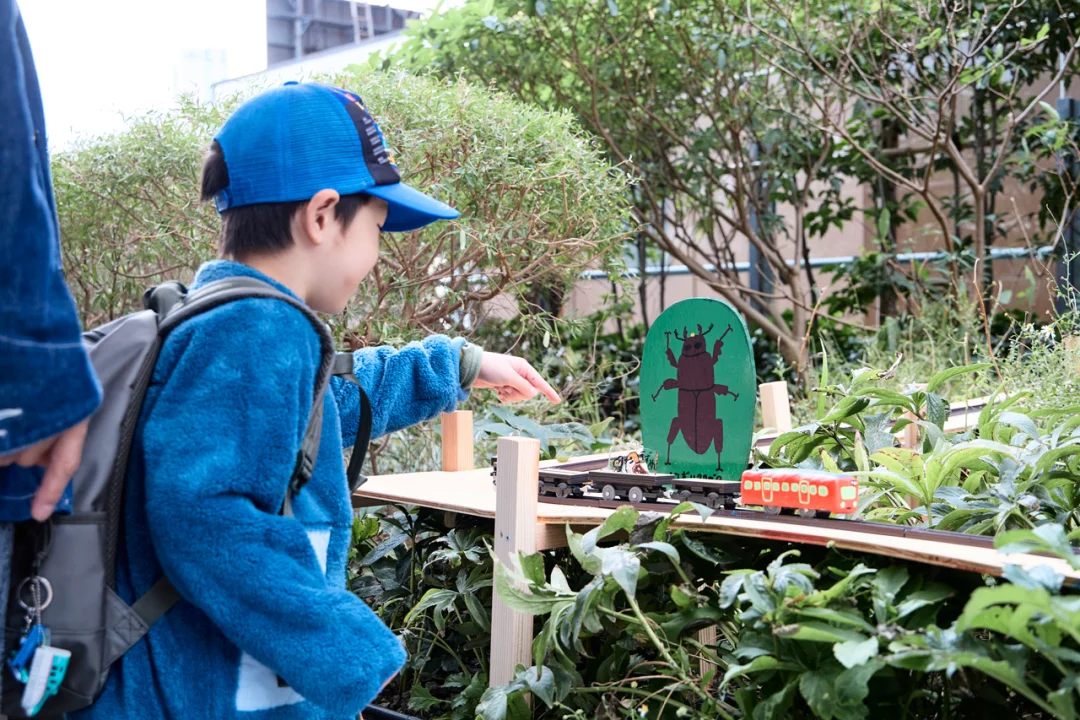
"This is mine!" The children were excited to see the creatures they had drawn running around in their "little forest."
You can take one keychain home with you, and you can also exchange it for other artworks on the train. The system allows you to leave the creature you drew in the forest and take home another creature drawn by someone else, expressing the connection between people through art.
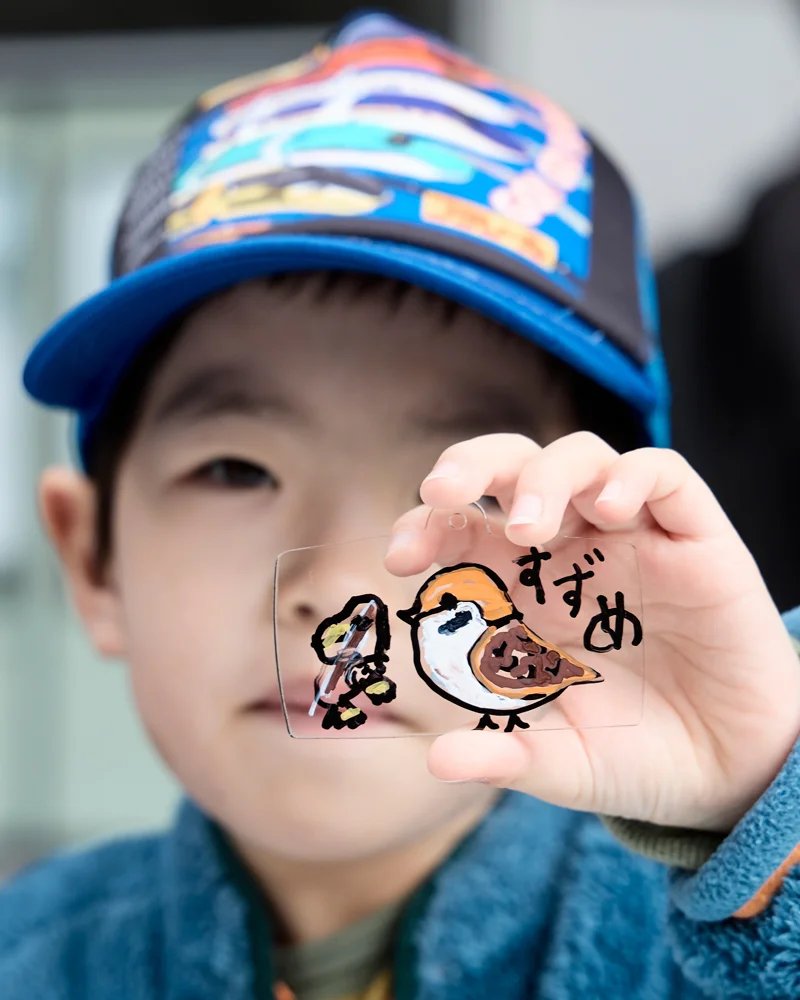
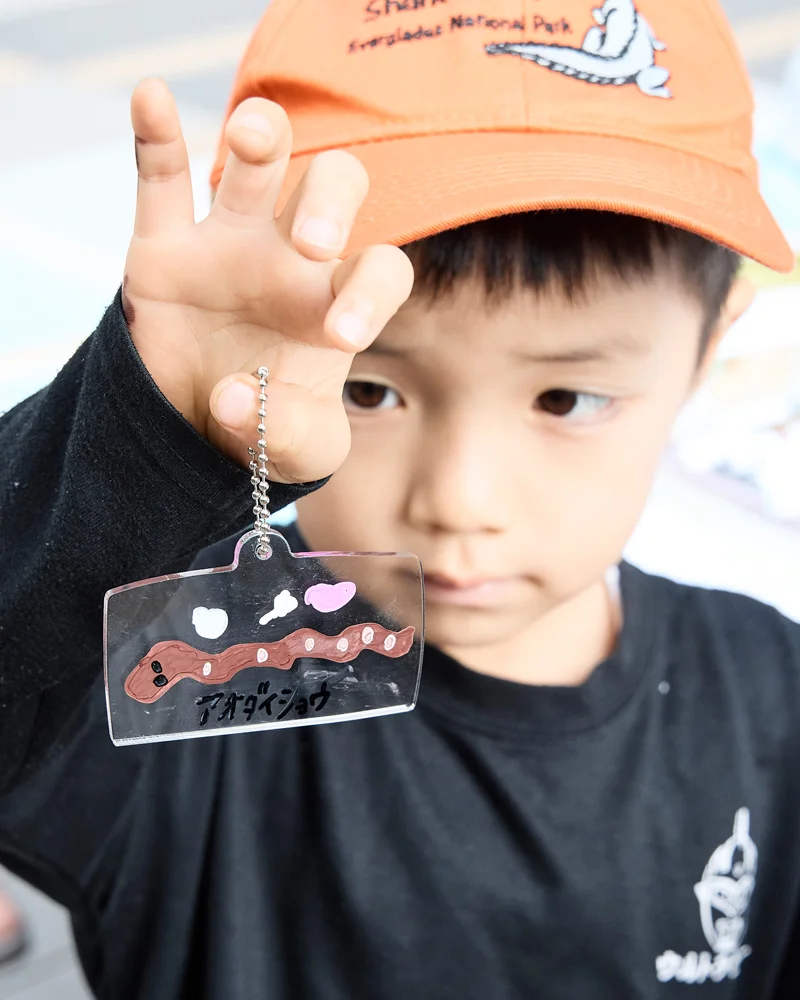
Animals drawn by children: a sparrow (left) and a Japanese rat snake (right).
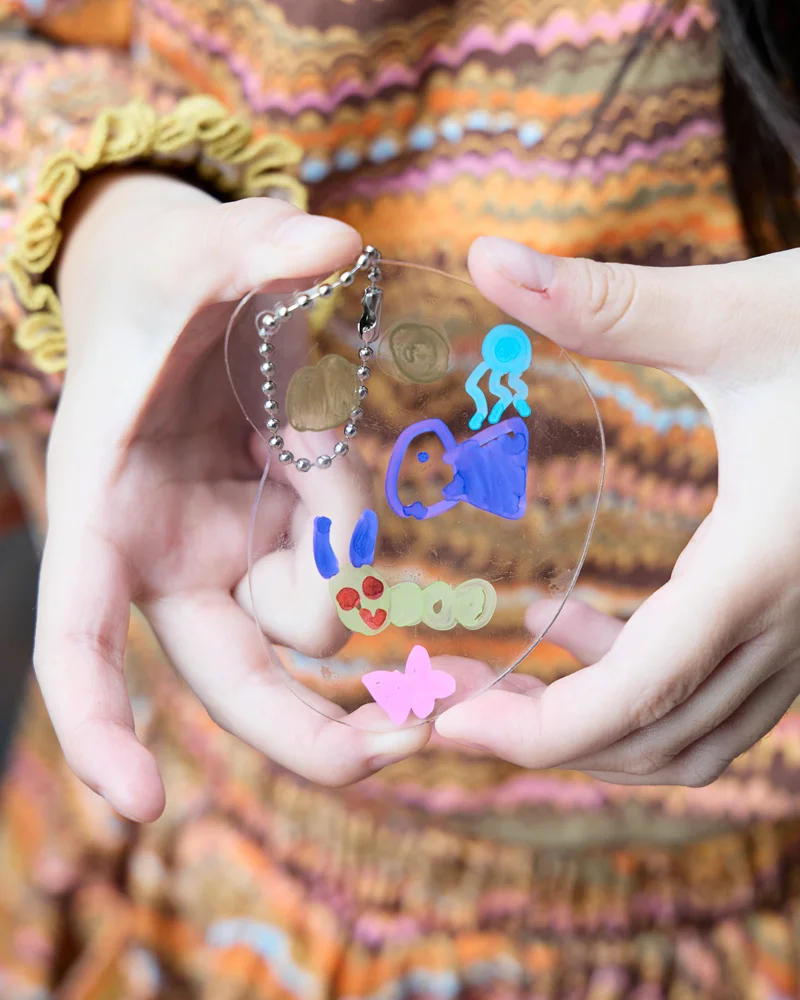
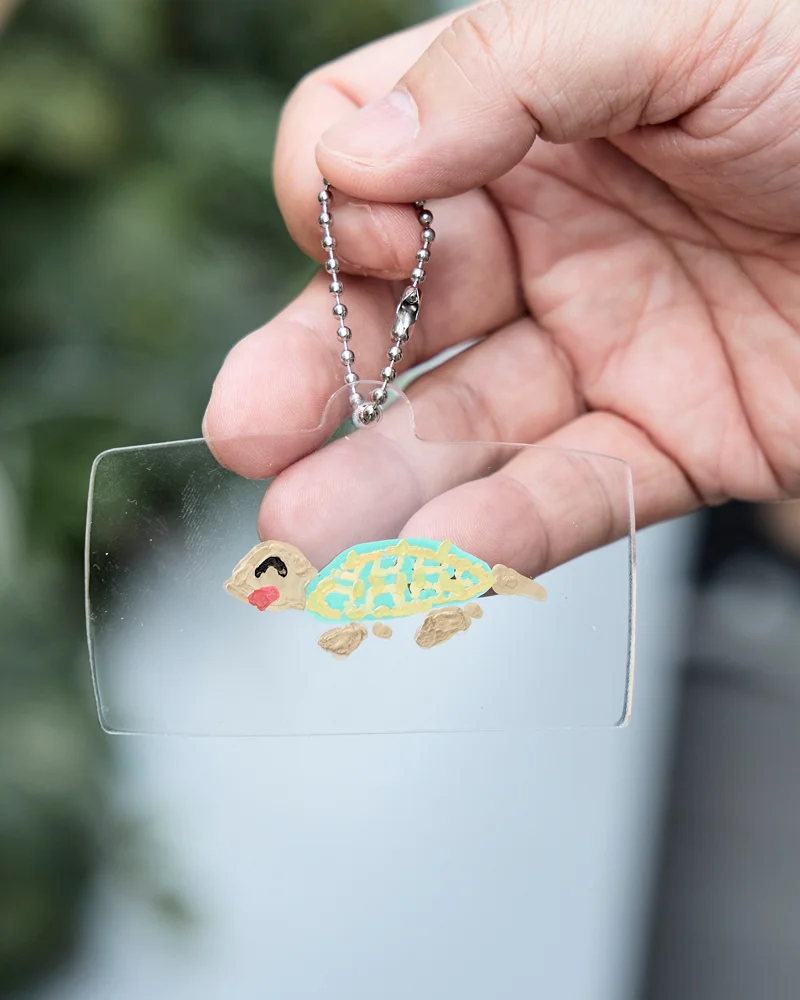
Adorable creatures such as swallowtail butterfly larvae (left) and turtles (right) are being born one after another.
Hasegawa said, "The creatures I create ride on trains, travel through the forest, and are exchanged for someone else's work. I might even give the keychain I brought home to another friend," connecting the idea of "circulation" to the way the artwork is passed from person to person.
Communicating the "cycle of life" through art
At the heart of this work is the theme of "the cycle of life and matter," which Hasegawa has been exploring in his recent creative activities. Living things eat other living things, eventually die, decompose, and return to the earth. He superimposed this natural cycle onto the movement of a train repeatedly running through the forest.
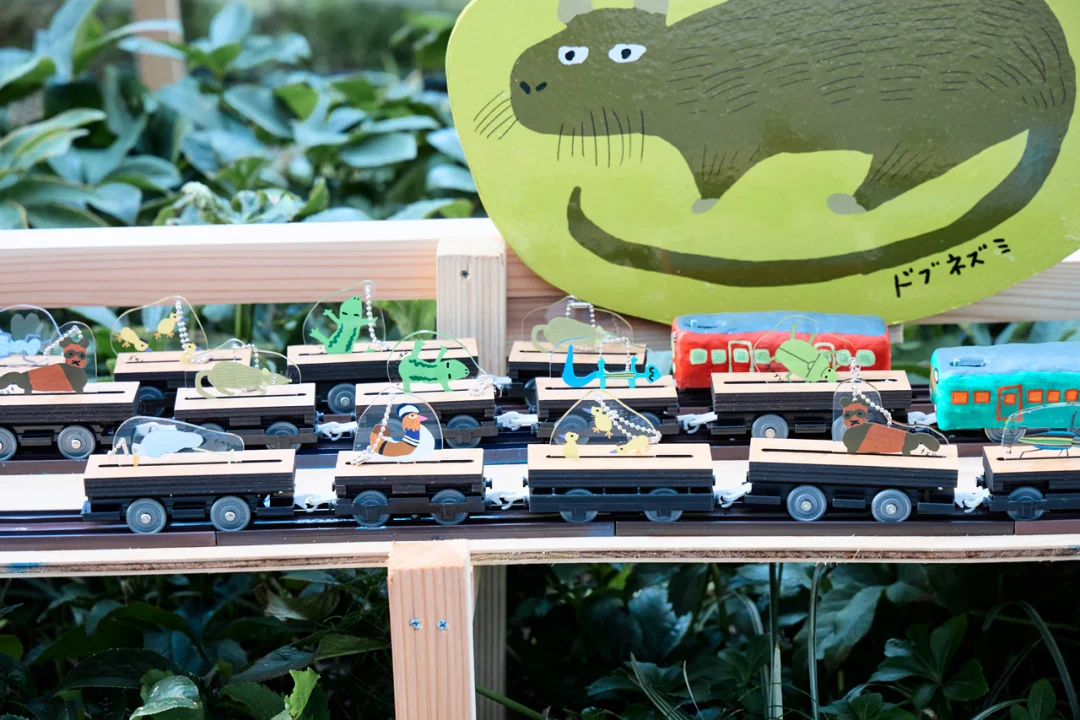
A train carrying "living things = life" runs in a line.
"Humans are also a part of nature. We live in connection with various living things. Just being a little more aware of these connections might allow us to be a little more tolerant of people and living things," he said, adding, "Ultimately, I continue to create art with the hope that it will make the world a little easier to live in."
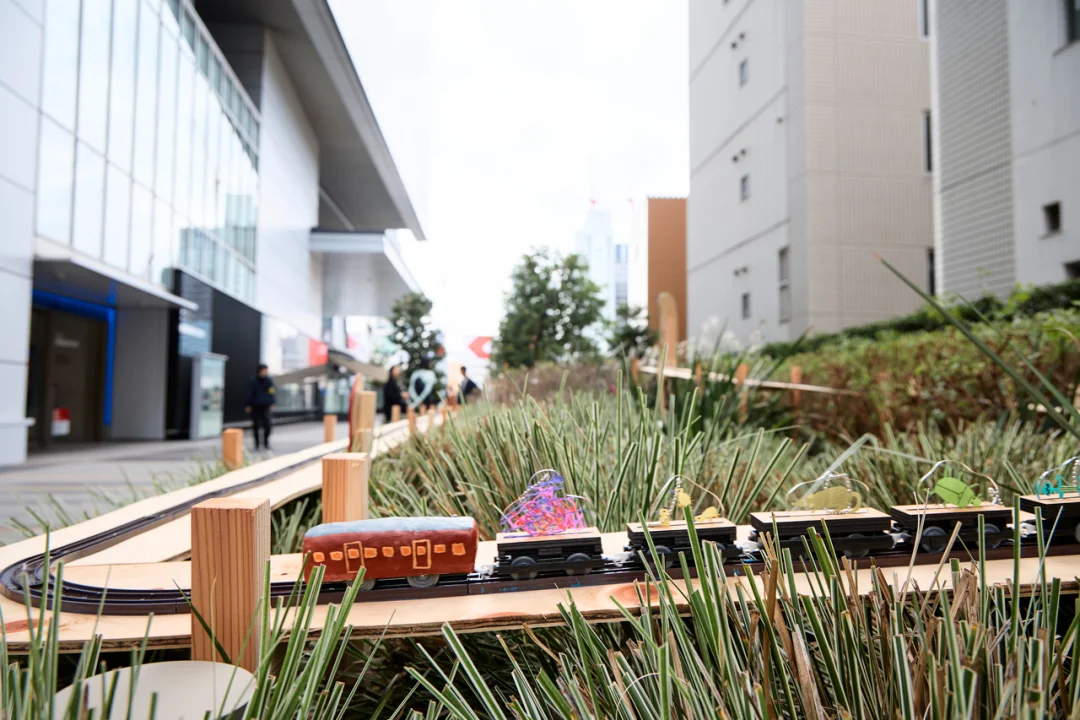
We want to convey the "cycle of life" through the way creatures move about in a small forest.
Regarding the workshop, Hasegawa smiled and said, "There were many young children, so the idea of drawing creatures found in Shibuya might have been a little difficult for them, but everyone seemed to enjoy participating. I think they also enjoyed chasing the train carrying the creatures they drew." She added that some children even brought their own toy trains, and said, "I was happy to see that some people were looking forward to it. In the future, I hope that not only children but also people of a wider age range will participate."
I want people to notice the creatures that thrive in the metropolis of Shibuya.
For Hasegawa, Shibuya is a city she has had a connection with since childhood. Both of her parents graduated from Kuwasawa Design Institute, and as a child, whenever she visited Tokyo, she would go to Tokyu Hands in Shibuya or to the Taiwanese restaurant Reikyo. In this work, she created a fictional station adorned with Shibuya's characteristic lively signs, expressing a world where trains travel from the city to the forest.
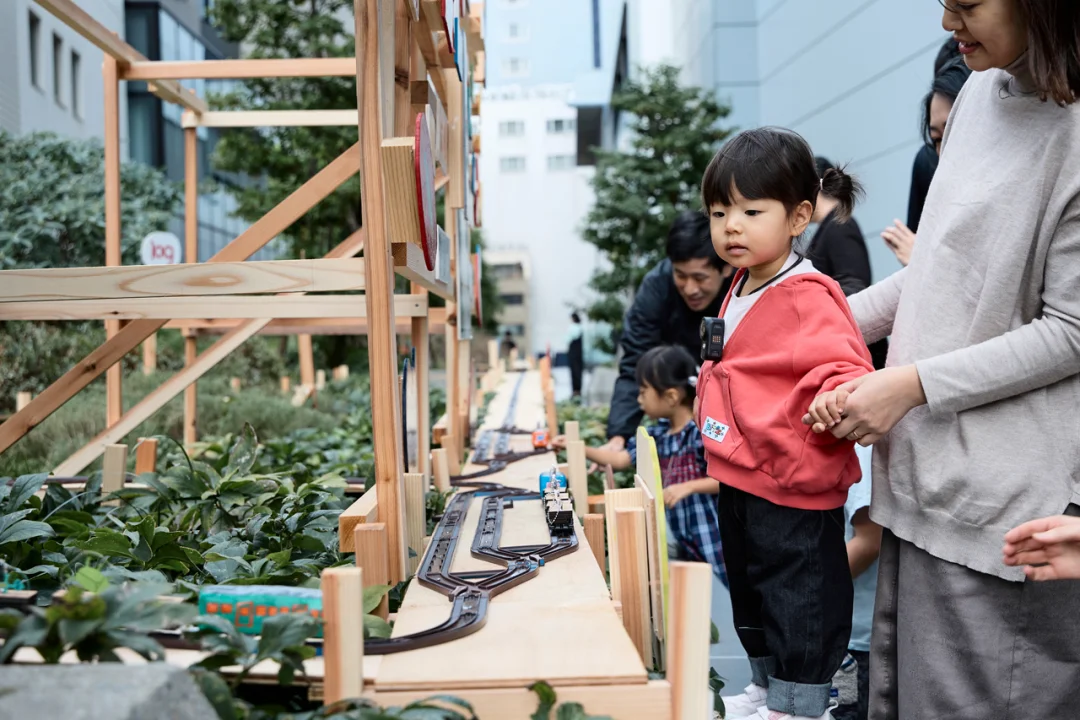
"At first glance, it's enough if people just think, 'Oh, a cute train is running.' But if they see the creatures they see here in the city, I hope they'll feel some kind of connection. I want people to realize that even in a big city like Shibuya, there are actually a variety of creatures," says Hasegawa. He hopes that this will encourage people to pay attention to the plants they usually pass by and feel the nature that breathes within the city.
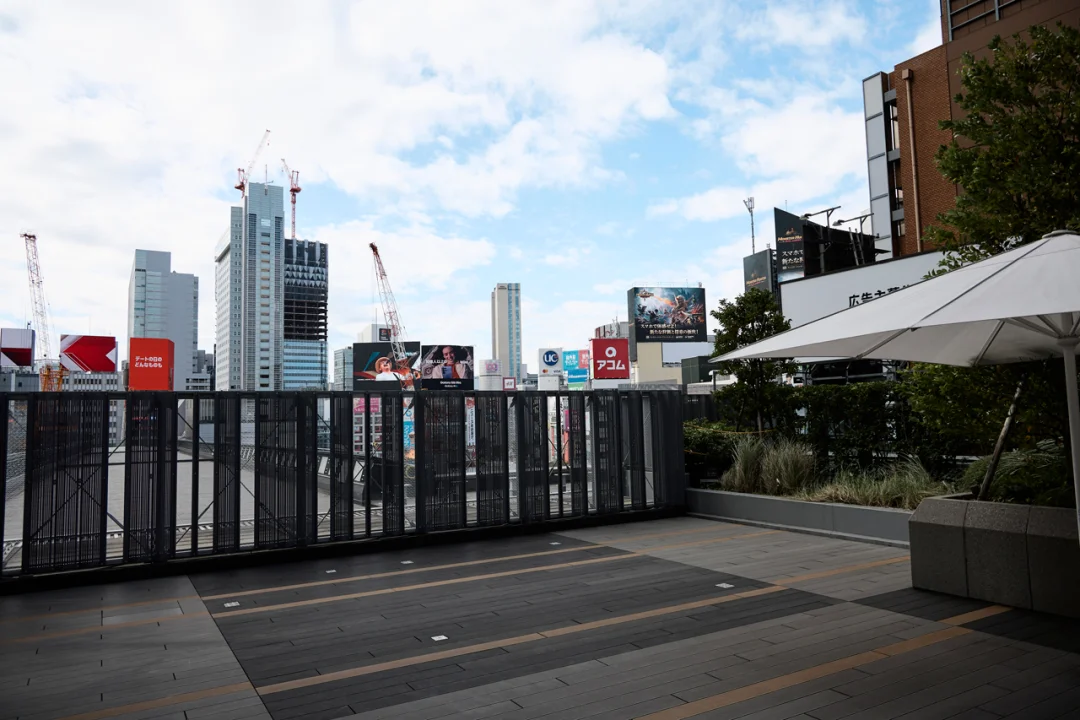
Currently closed off by a fence, the Hikarie Deck is planned to connect to the "Skyway" that will link the east and west sides of Shibuya Station in the future.
Hikarie Deck is a pedestrian space built on the north side of Shibuya Hikarie, above Tokyo Metro Co.,Ltd. GINZA LINE tracks, and opened in July 2021. In the future, it is planned to become part of the "Skyway (tentative name)," a pedestrian walkway connecting the east and west sides of Shibuya Station. Shibuya Hikarie has previously undertaken large-scale art exhibitions utilizing the building's exterior walls. This time, they have expanded the exhibition space to include the planted area and, for the first time, have planned a workshop that visitors can freely participate in.
The workshop will also be held on November 7th and 8th. The hours are 1:00 PM to 4:00 PM (last registration at 3:45 PM). The participation fee is 100 yen, which will be donated to environmental conservation activities. No reservation is required.
- Let's create Shibuya-themed "creature keychains" together with artists!
- Dates: November 7th (Sat) and 8th (Sun), 2026
- Time: 13:00 - 16:00 (Last entry 15:45) *Event will proceed in light rain, but will be cancelled in case of severe weather.
- Venue: Hikarie Deck (Outdoor area on the 4th floor Shibuya Hikarie)
- Reservation: Not required
- Fee: 100 yen *Participation fees will be donated to environmental conservation activities through the artists.
Interview and writing: Takashi Fujii / Photography: Takeshi Otsuru
Venue
Genres within watch
Articles in the same genre
2026-11-12〜
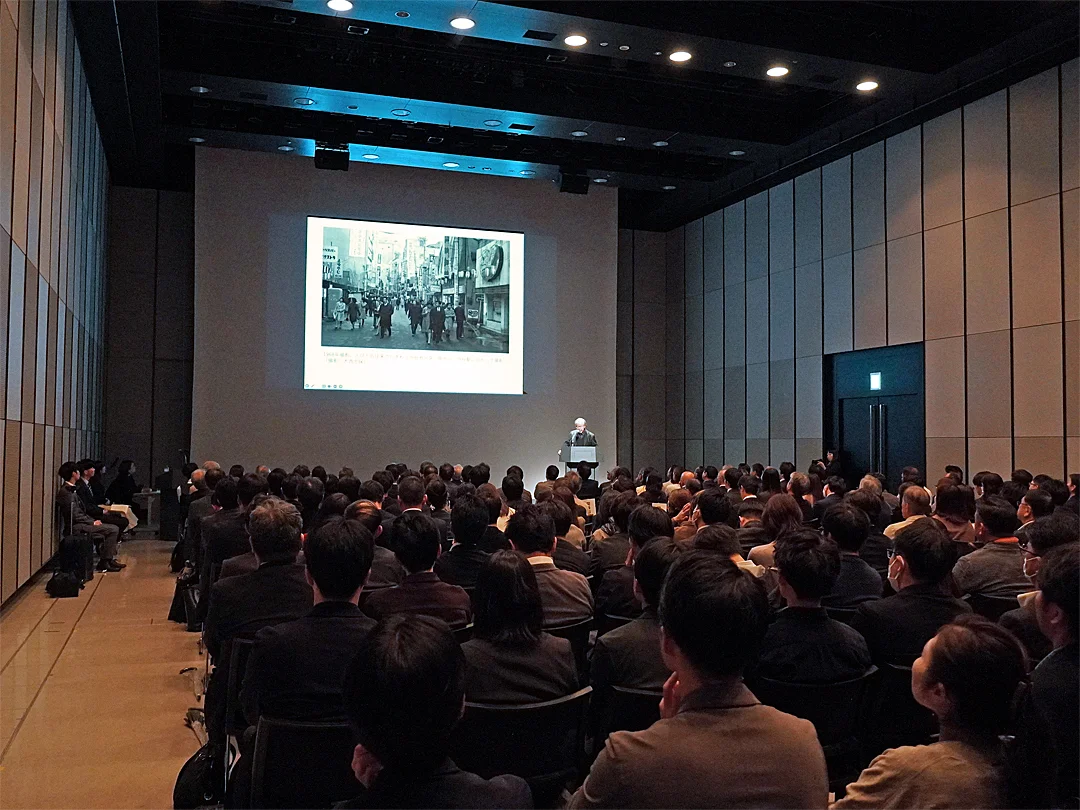
Architect Hiroshi Naito talks about "Memories of Shibuya": Unraveling the city's DNA and future through photographs
2026-11-11〜
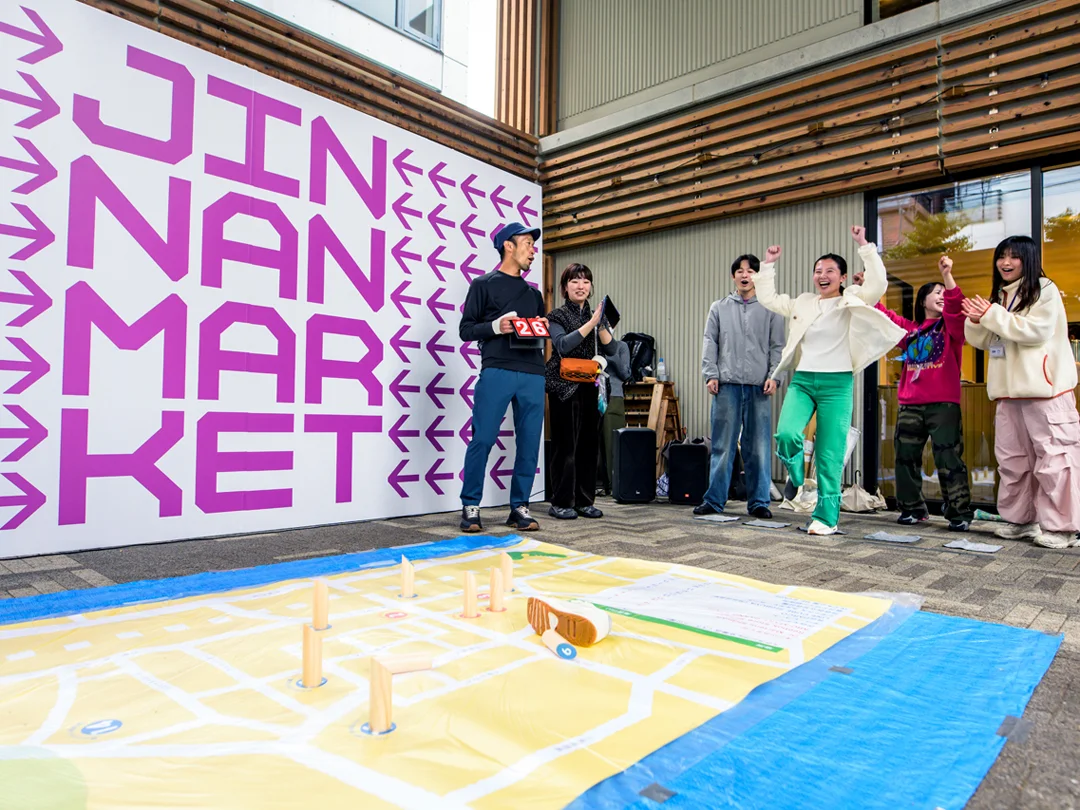
[Report] Three "casual sports" originating from Jinnan, including shoe-throwing, were unveiled for the first time, devised by local adults.
2026-11-04〜
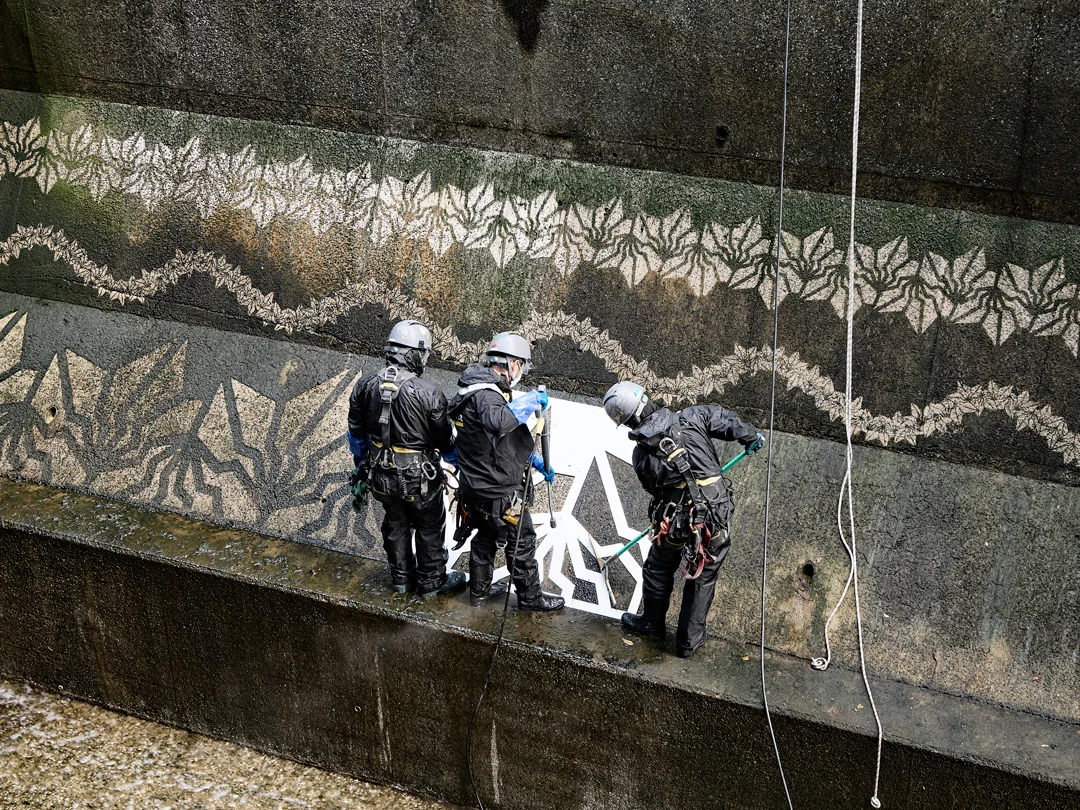
A giant "washing art" piece has appeared along the Shibuya River, created by BAKIBAKI using a high-pressure washer.
2026-10-18〜
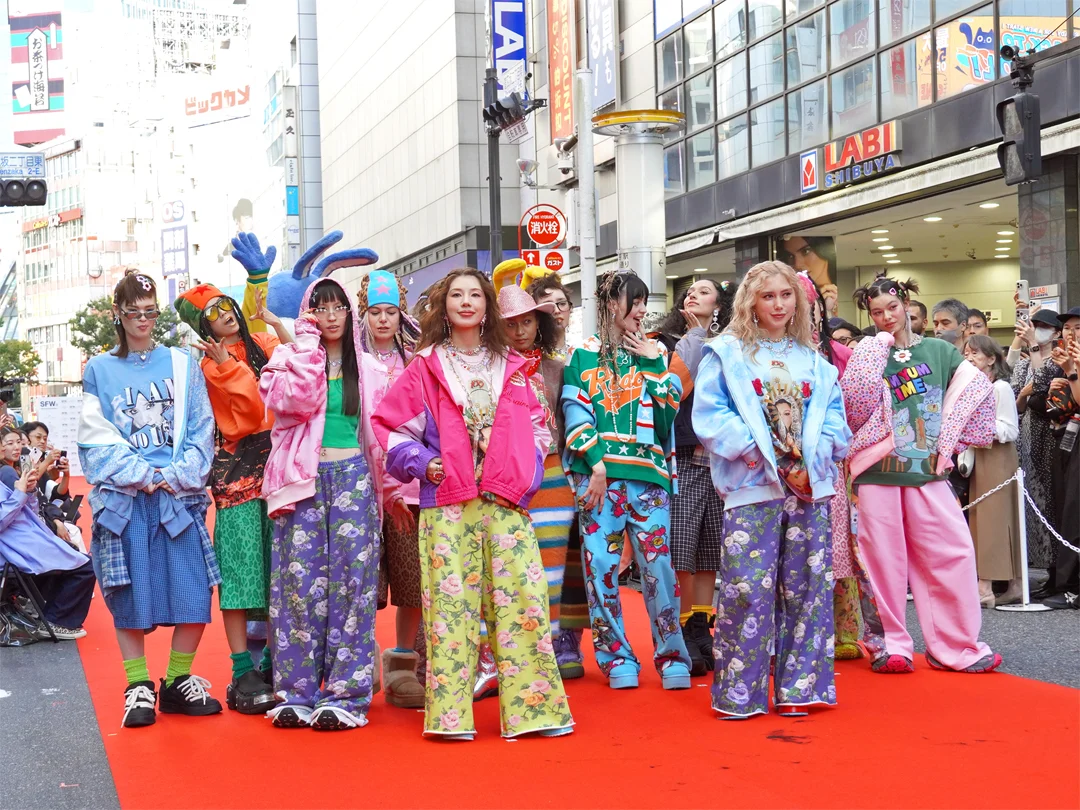
Fashion and culture intersect in the heart of Shibuya: Riisa Naka and others take part in a street runway.
Featured articles on the site
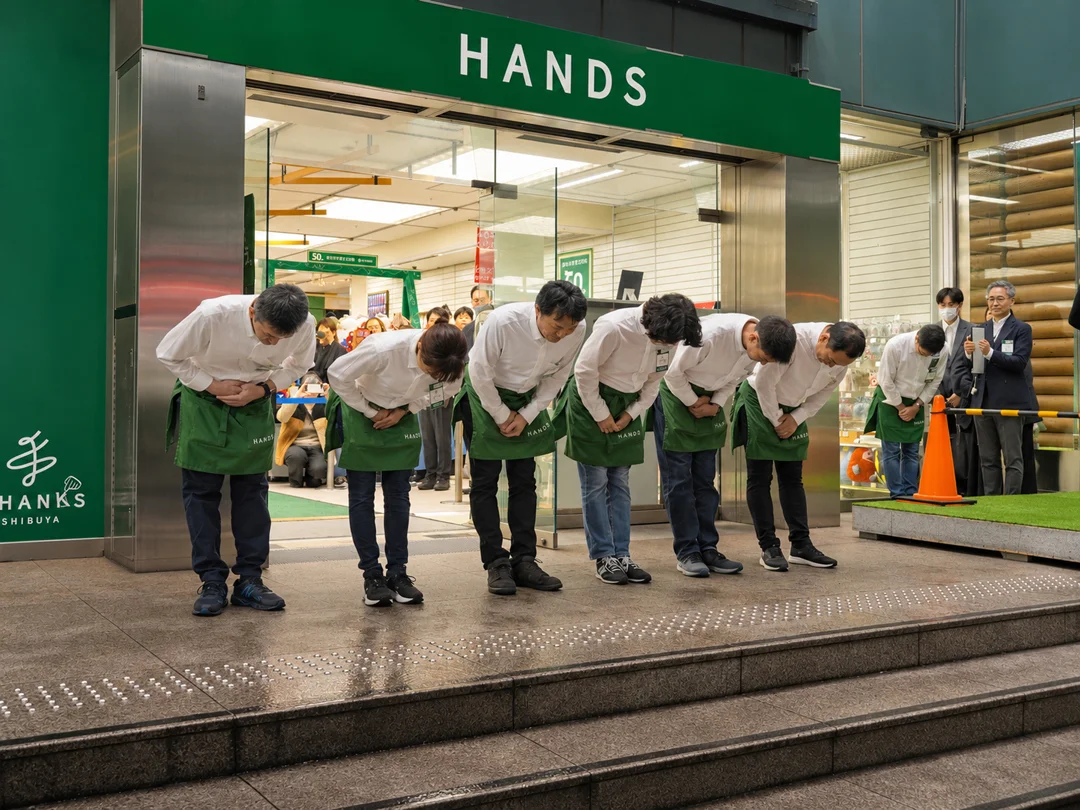
さよなら、渋谷のハンズ。48年の歴史に幕 坂の街に生まれた「創造の迷宮」
Architect Hiroshi Naito talks about "Memories of Shibuya": Unraveling the city's DNA and future through photographs
Making Shibuya Station's East Exit More Enjoyable with Art: Collaboration Between People with Disabilities and Urban Development Members