

SHIBUY.A. × WATCH

Sarugaku Bridge, connecting Shibuya and Daikanyama, to be rebuilt after more than 10 years of road closure; model on display at ward office
2026-01-06
SHARE
A model exhibition regarding the replacement project for Sarugaku Bridge, the overpass connecting Shibuya and Daikanyama, is currently being held in the entrance hall on the second floor of the Shibuya Ward Office main building.
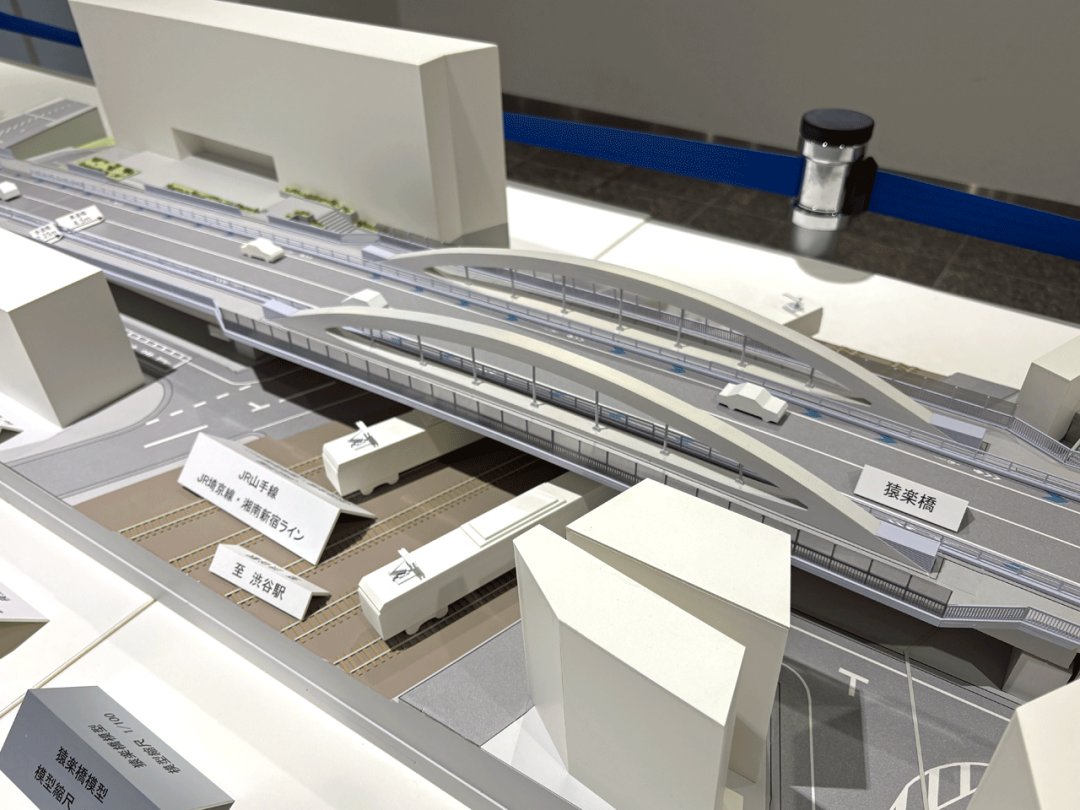
On display is a model of the Sarugaku Bridge (1/100 scale), which is scheduled to be rebuilt. It will be an arch bridge with a curved arc.
Due to the aging of Sarugaku Bridge, which has supported the city for over 90 years, the planned removal and reconstruction work from fiscal year 2026 onwards will be a large-scale project that will involve a complete road closure for over 10 years. The model exhibit aims to inform people connected to Shibuya, and provides an easy-to-understand overview of the project, from the background that led to the replacement to proposed detour routes during construction.
A major transportation line that has supported the growth of the city for over 90 years
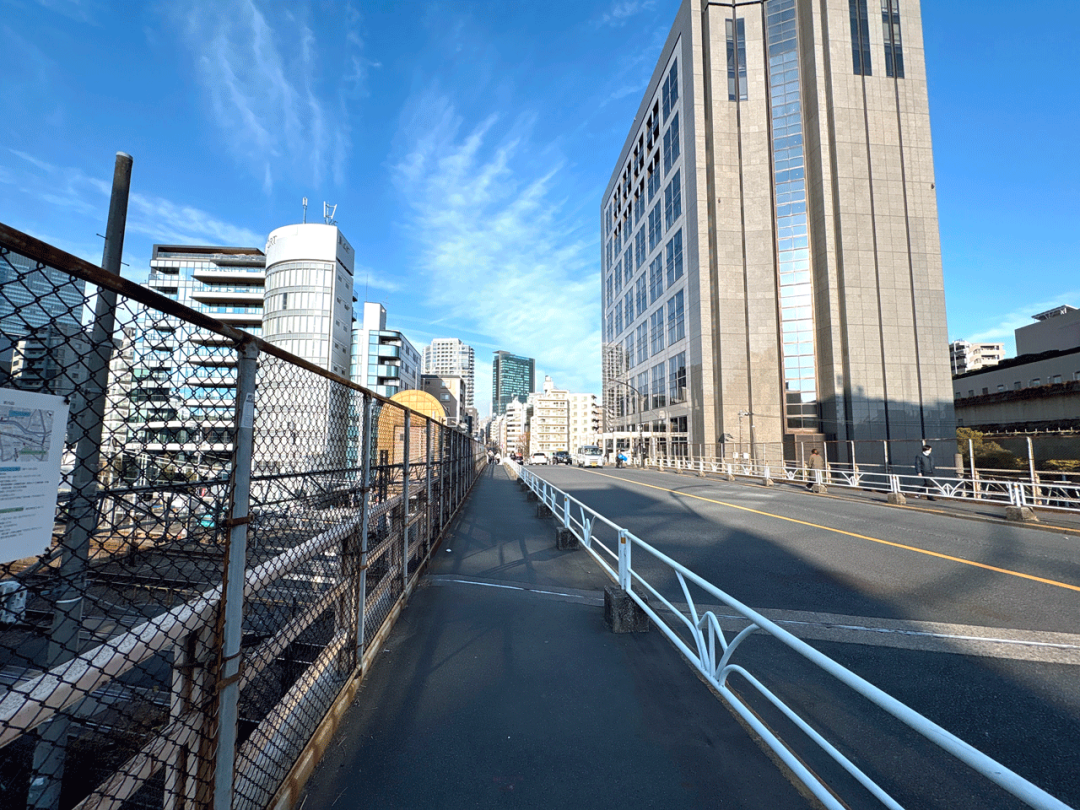
View of Shibuya and Namikibashi from Sarugakubashi Bridge
Sarugaku Bridge was completed in 1934 (Showa 9), the same year that the Tokyu Toyoko Department Store East Building, which closed and was demolished in 2013 (Heisei 25) as part of the Shibuya Station redevelopment project, opened, making it over 90 years old. As part of Urban Planning Road Auxiliary Route 20 (Hachiman-dori), it connected pedestrians and vehicles from Namikibashi Intersection to Daikanyama and further towards Roppongi. Its complex structure, comprised of a series of large structures, includes a steel bridge spanning the JR YAMANOTE LINE and SAIKYO LINE Lines, concrete bridges on either side, and retaining walls supporting the elevation difference. Since its completion, vehicles have grown larger, and traffic volume has increased. Currently, approximately 15,000 cars, 4,000 pedestrians, and 1,300 cyclists travel across the bridge daily, making it an essential part of the local transportation infrastructure.
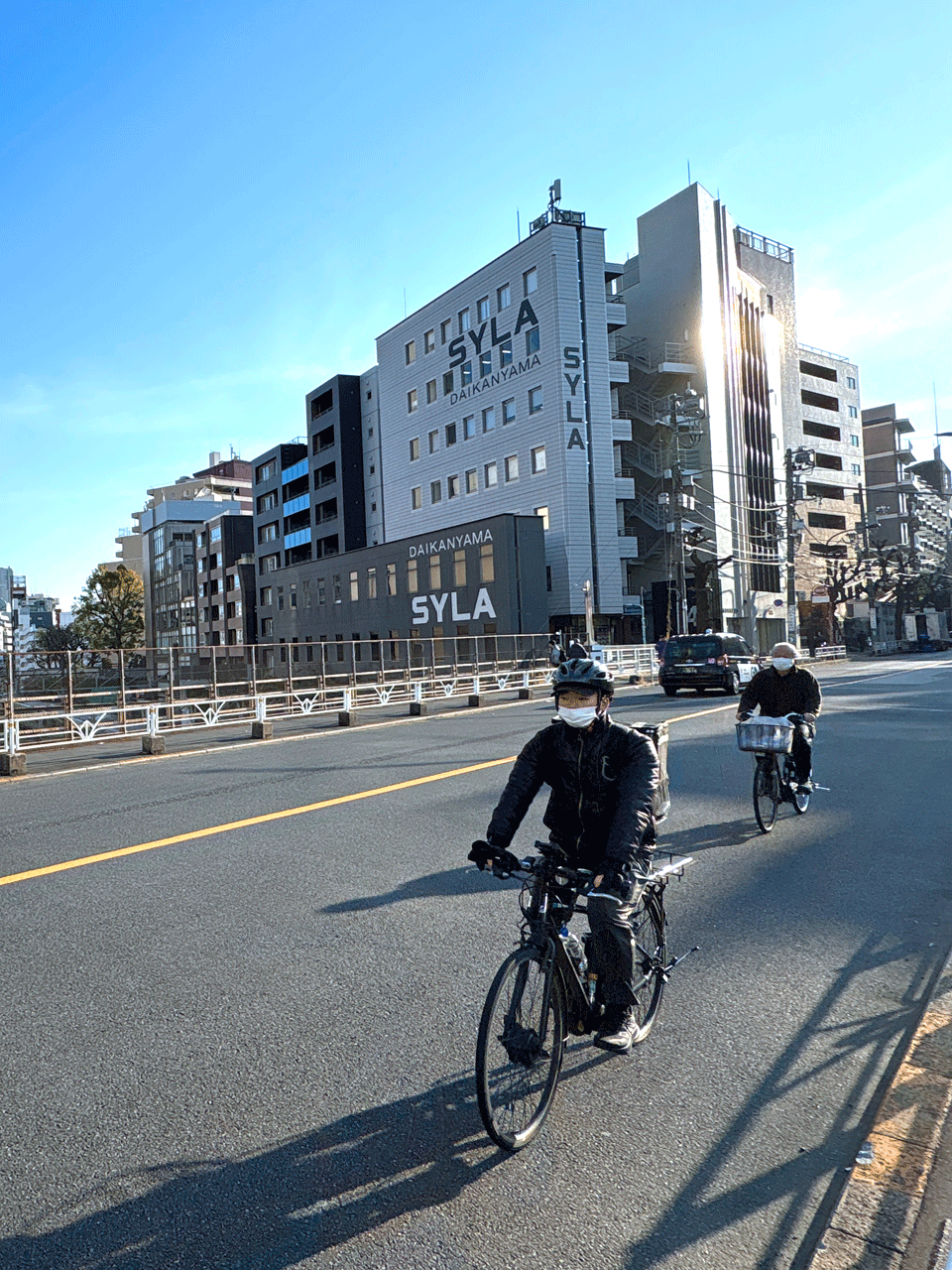
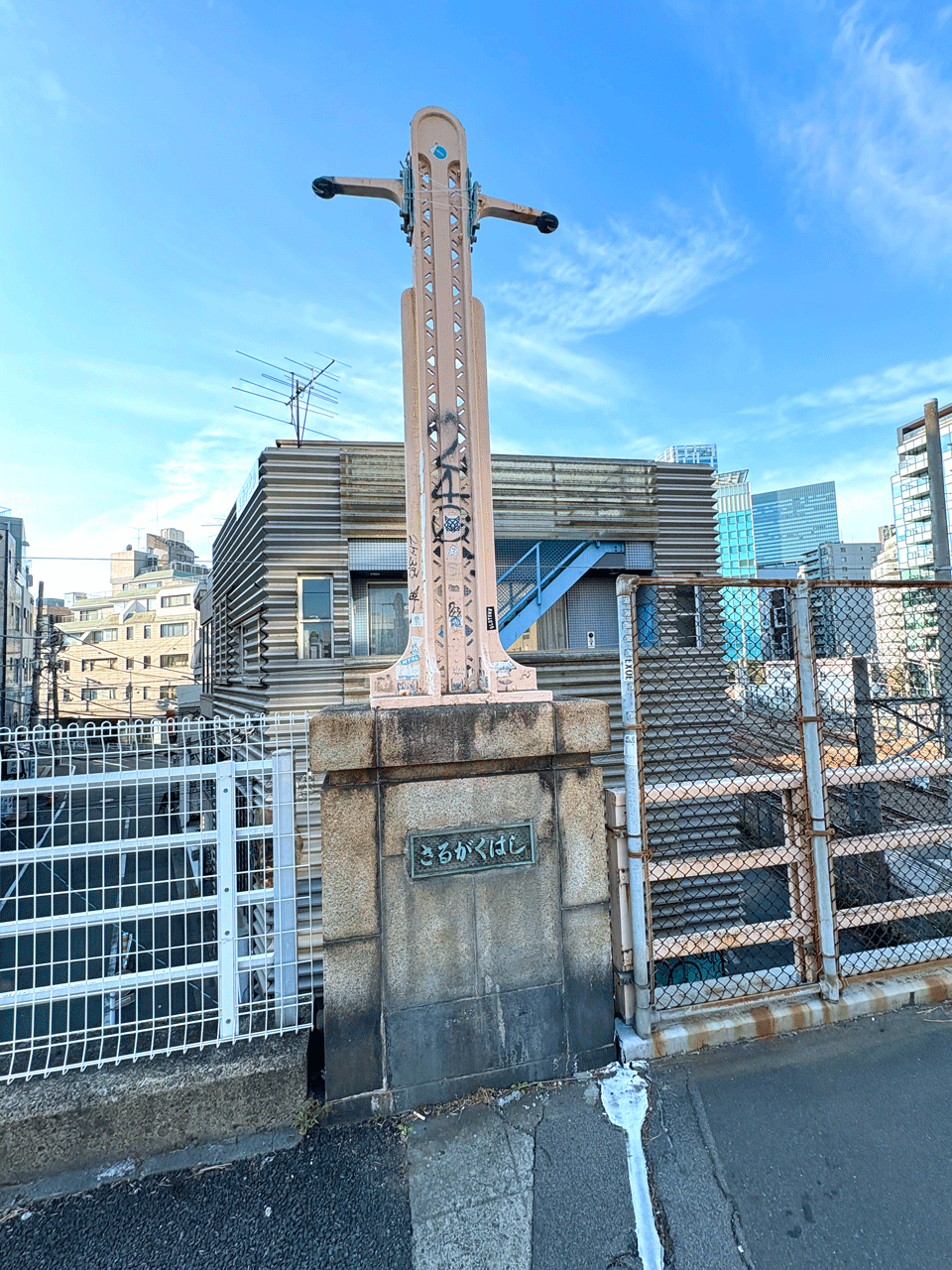
Left: In addition to cars, there is also a lot of bicycle and pedestrian traffic. Right: Streetlights were once installed on both sides of the balance-shaped pillar.
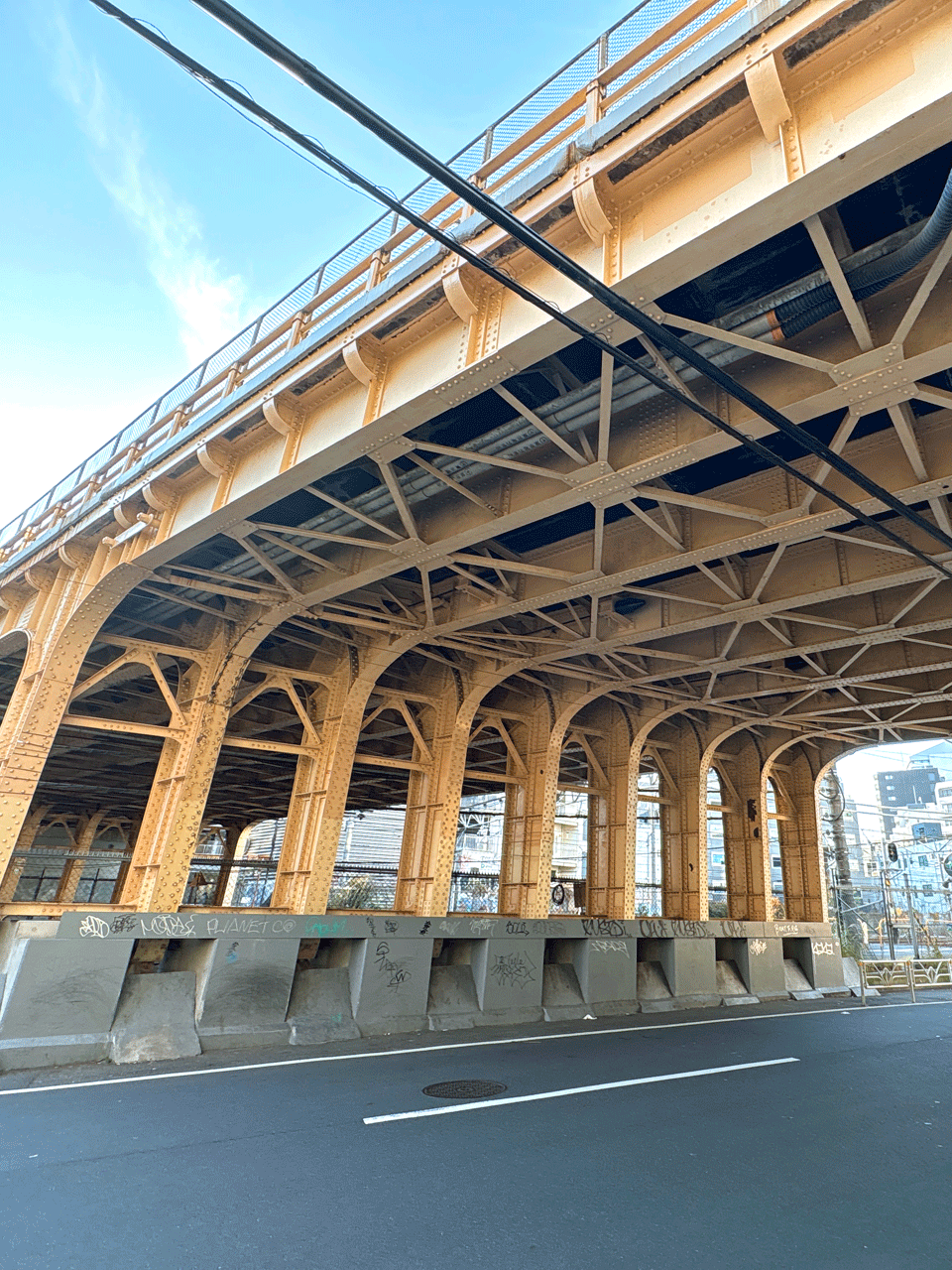

Left: Under the steel bridge over the JR line. The truss structure, which combines strength and lightness, is attractive for its functional beauty and complex geometric pattern. Right: Retaining wall that supports the difference in elevation.
However, the bridge has deteriorated over the years, and no major seismic reinforcement work has been carried out to date. Faced with the need to respond to plans to widen Urban Planning Road Auxiliary Route 18, which passes underneath the bridge, Shibuya Ward organized the Sarugaku Bridge Study Group in 2016, a group of experts. With an eye to the future, the committee has been examining multiple maintenance options over a long period of time. Discussions ranged from a "longer lifespan" plan through reinforcement, a "permanent temporary bridge" plan, which would eventually become a permanent temporary bridge, an "underpass" plan, or even abolishing the bridge altogether. However, reinforcement measures were only temporary, while the temporary bridge and underground plans required increased time and cost due to land acquisition. Considering the bridge's importance as a link between Daikanyama, Shibuya, and Roppongi, as well as its disaster prevention functions, abolishing the bridge was ultimately deemed the best option.
Construction work for two hours at night, long-term construction for over 10 years
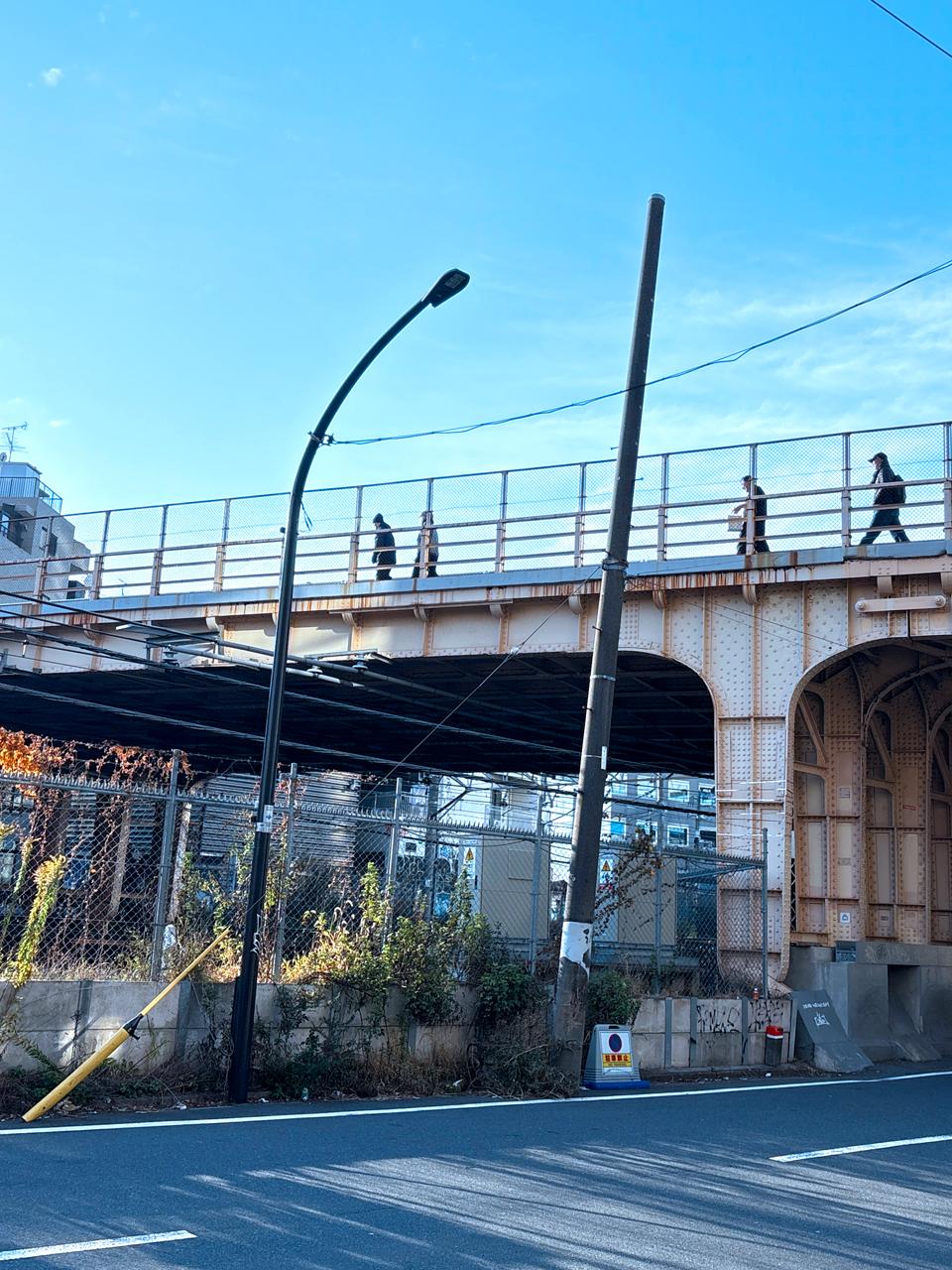
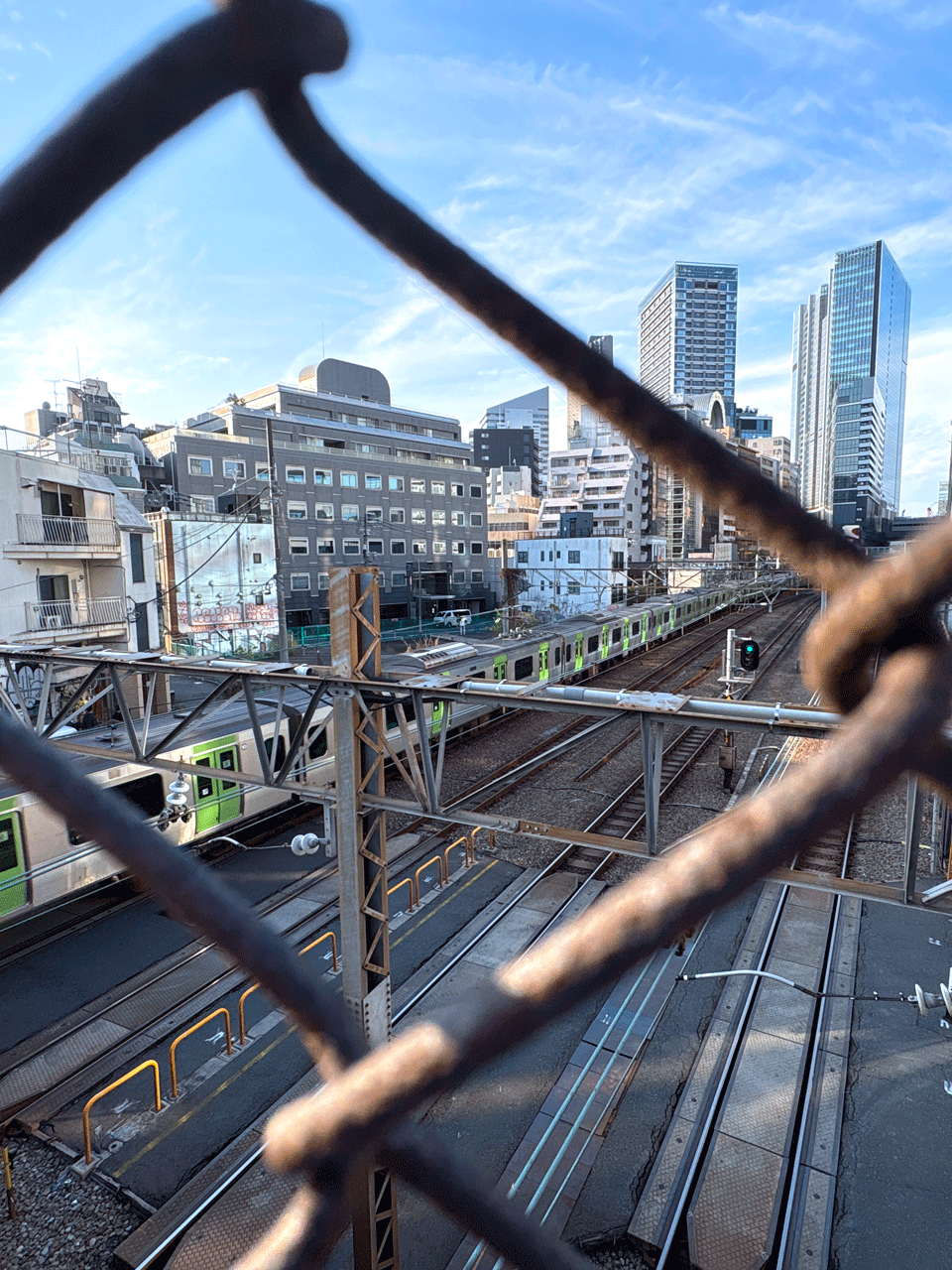
Because the bridge crosses over the JR line, the replacement work will be limited to late night hours only.
The estimated cost of the replacement work is 14.36 billion yen, and the construction period is expected to be more than 10 years. The biggest challenge is the construction environment. YAMANOTE LINE and SAIKYO LINE operate until late at night, so work is limited to about two hours, from after the last train to before the first train. The surrounding area is densely packed with buildings, making it difficult to secure work space. These conditions are contributing to the long construction period.
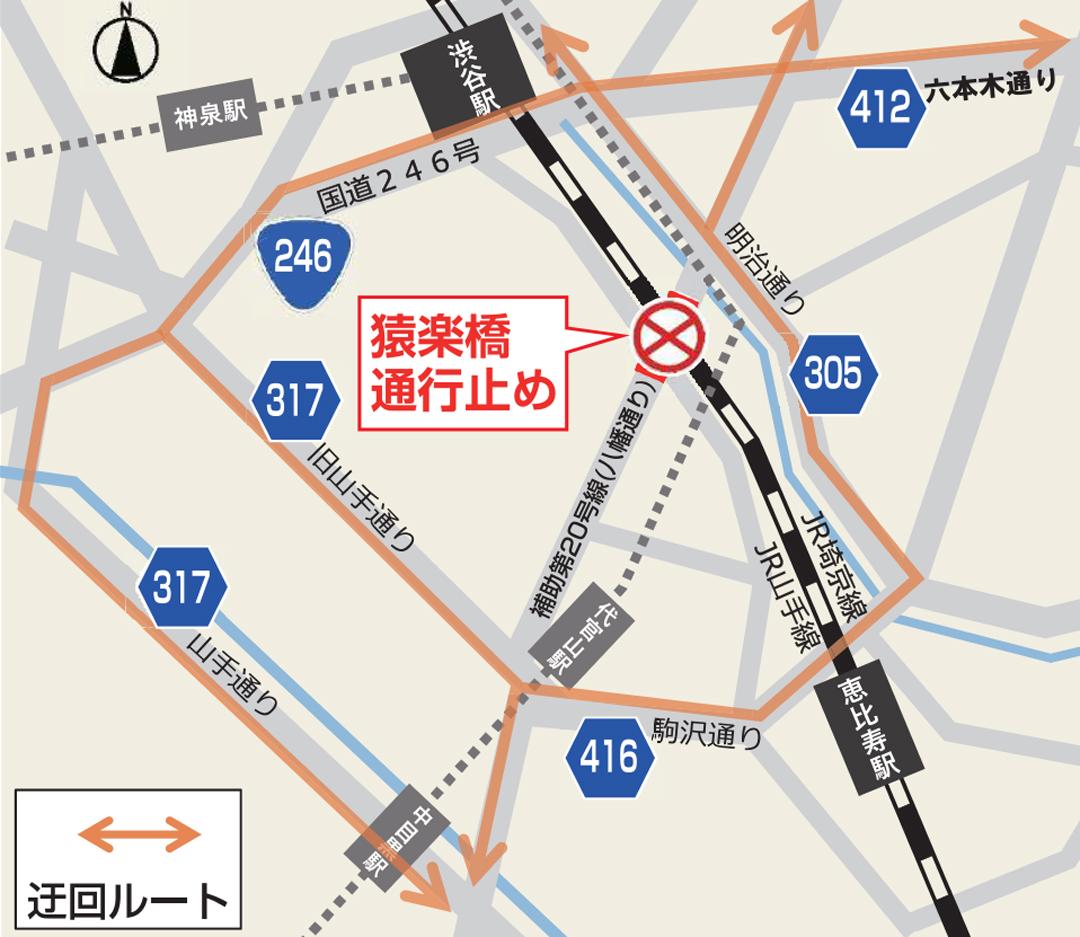
Detour routes for automobiles (from Shibuya Ward documents)
The biggest concern for local residents is that Sarugaku Bridge will be completely closed to traffic during the construction period. Two detours are planned for cars: 1) a route that uses National Route 246 from Old Yamate-dori (or Yamate-dori) to Roppongi-dori, and 2) a route that uses Komazawa-dori, Meiji-dori, Hachiman-dori, and Roppongi-dori.
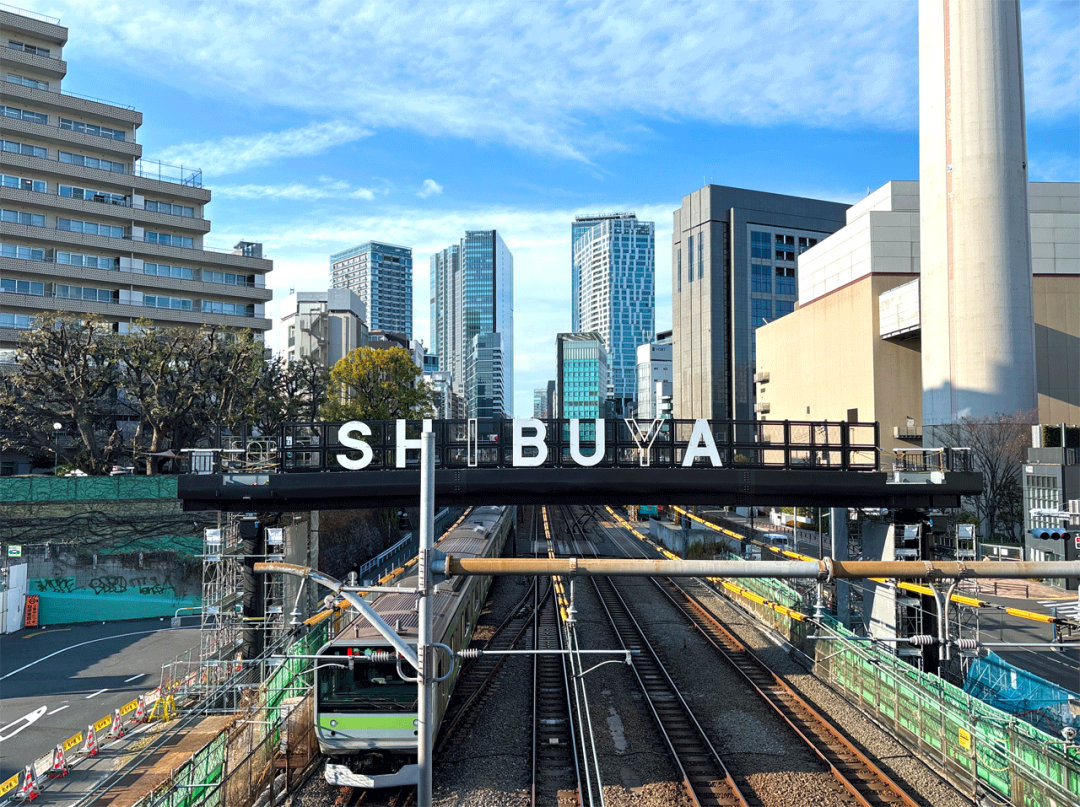
The Shitanmichi Overpass (near Ebisu) will be one of the pedestrian detour routes. The new bridge, currently under construction, will feature the SHIBUYA logo, creating an impression of "arrival at Shibuya" as the city's gateway.
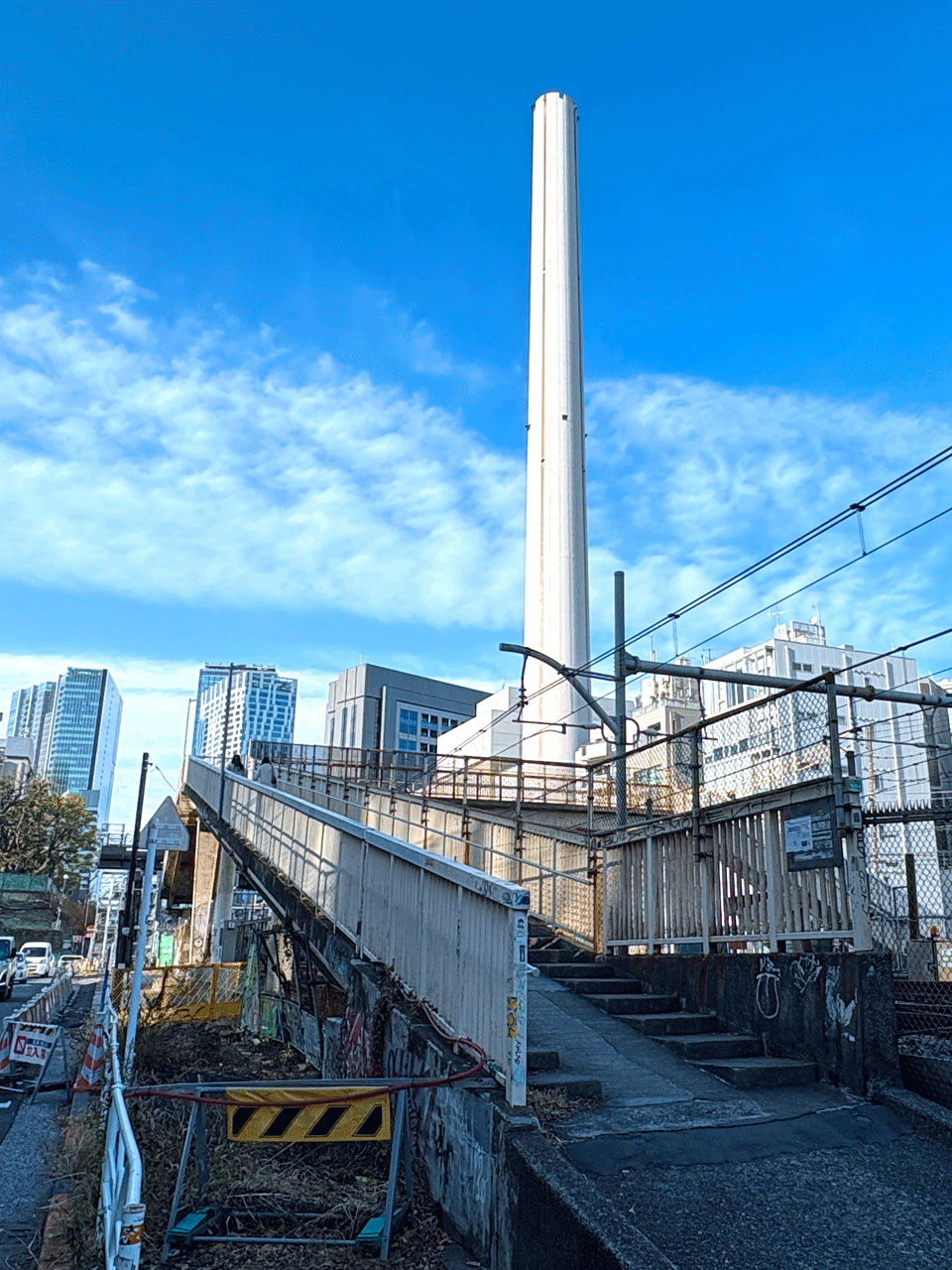
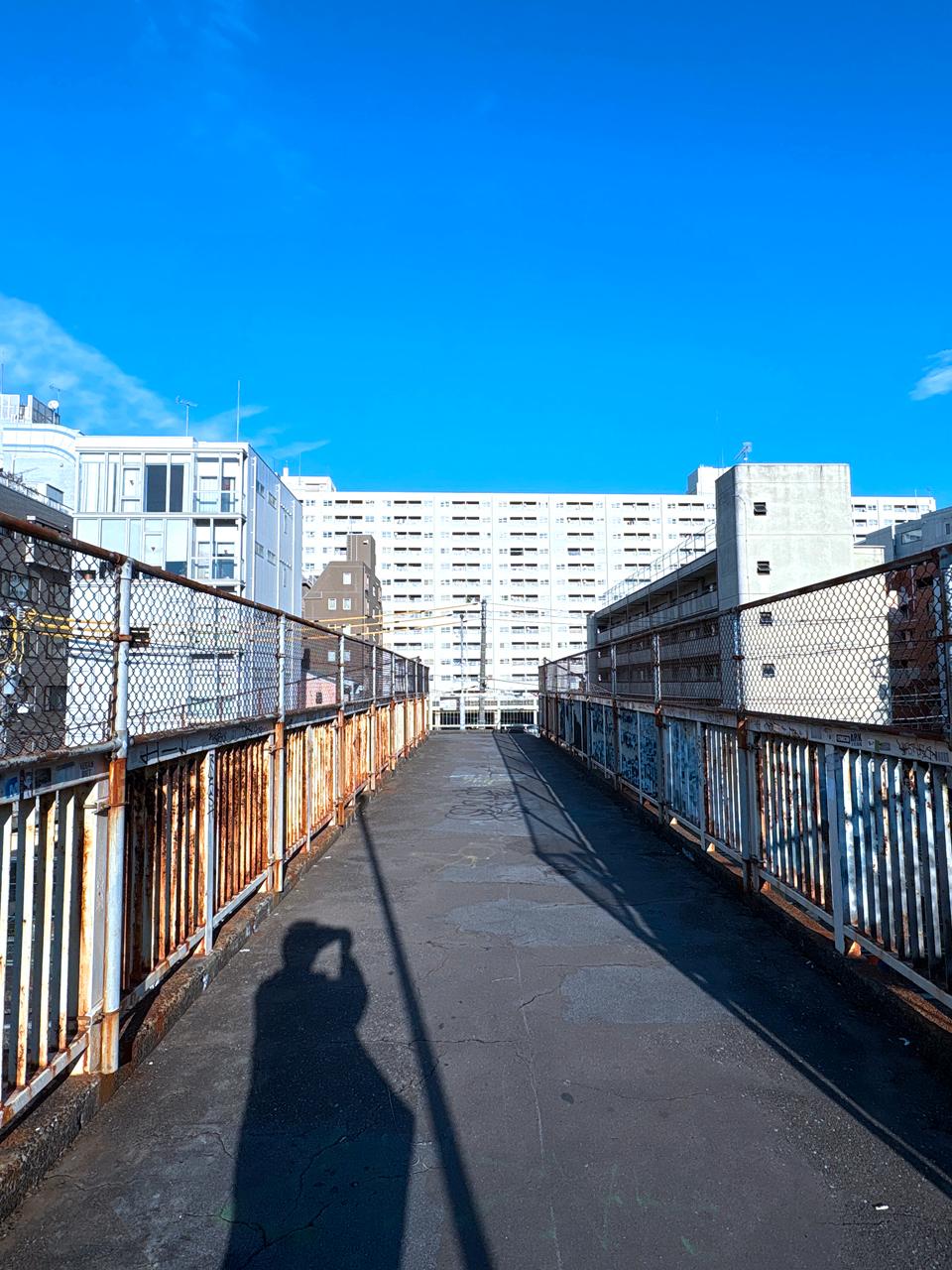
Next to the new bridge under construction stands the aging Shitando Overpass. It is still in use, and from the bridge you can see the new bridge being replaced directly in front. It is scheduled to be removed once the new bridge is completed, and it has become a limited-time photo spot during the construction period.
Pedestrians will have to use the Shibuya Station South Overpass (connecting Shibuya Sakura Stage and the old New South Exit) or the Shitancho Overpass, which is currently under construction, while cyclists will have to either go under the Shitancho Guardrail under the JR lines closer to Ebisu, or go around to the Shibuya Sakura Stage side. Either way, it's clear that access will be less convenient than it is now.
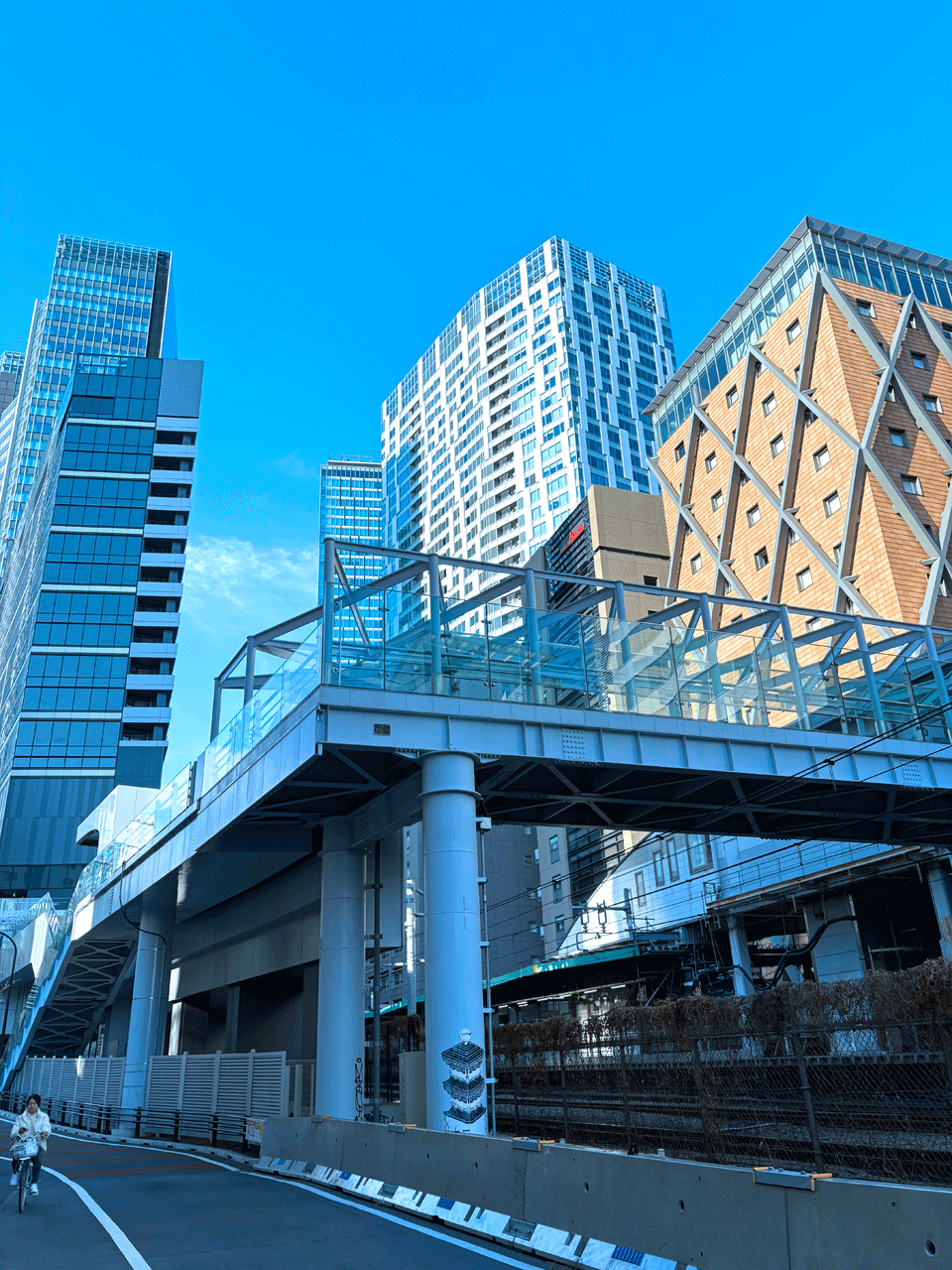
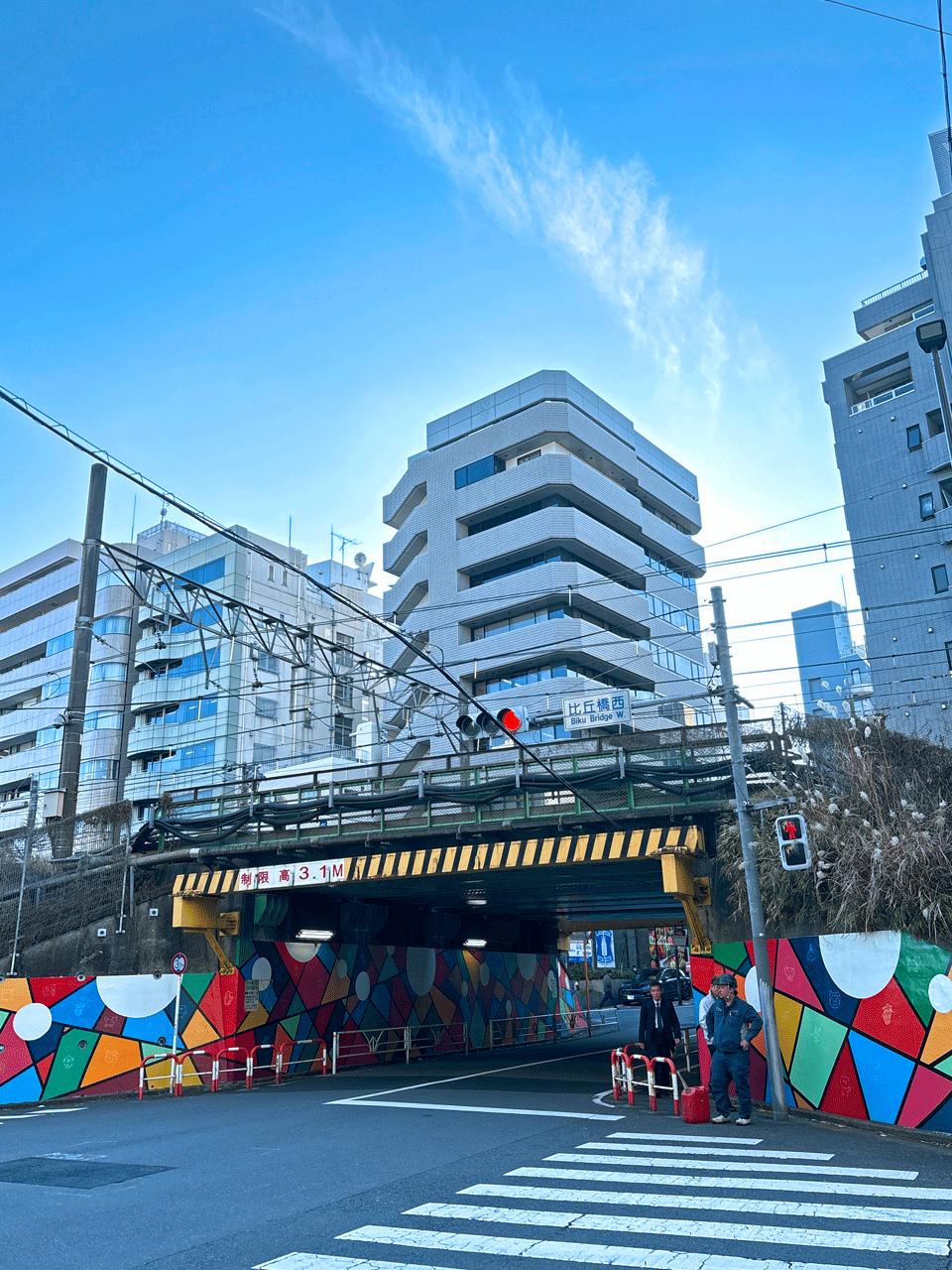
Left: The Shibuya Station South Overpass, which connects Shibuya Sakura Stage and the old new south exit. It is one of the detour routes for pedestrians towards Shibuya. Right: For those commuting by bicycle, we recommend the Shitanmachi Guard route near Ebisu Station, which allows you to go under the JR lines.
The aim of this model exhibition is to raise awareness of the background, impact, and construction schedule of this construction. The exhibition will be on display at the ward office until January 9th, before traveling to Refresh Hikawa on January 18th and 19th, and the Ebisu Community Center on January 23rd and 24th. The ward will continue to spread awareness through its official website, social media, and information sessions, and will announce details such as the start date of the road closures once the construction plan has been finalized.

The completed model is on display at the ward office. The area in the foreground on the left is near Namikibashi intersection, and the area in the background on the right is toward Daikanyama. The sidewalk width will be widened from 1.8 meters to 2.25 meters, making it easier to walk.
Editorial Department: Takashi Fujii
Shibuya registrar. In addition to Shibuya of Culture information, seasonal news and topics, it will spell write that feel every day.
Genres within watch
Articles in the same genre

2026-10-01〜
THE HIKARIE WINDOW / Keisuke Hara — The ever-changing Shibuya and the rhythm of everyday life
2026-09-30〜
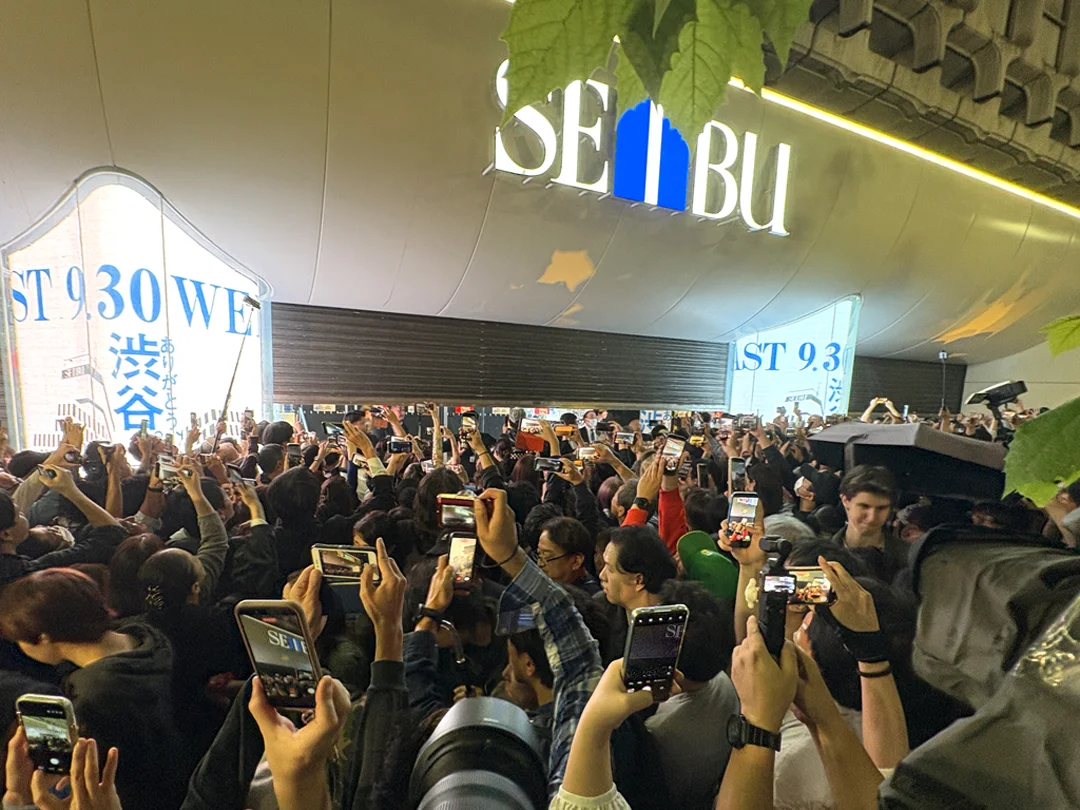
Seibu Shibuya Store closes its doors after 58 years of history: The department store that created "Shibuya" marks the end of its history.
![[Shibuya Scenery Records Vol. 2] The "Onko Gakkai Kaikan" continues to preserve the legacy of blind scholar Hanawa Hokiichi](https://biz.shibuyabunka.com/storage/images/watch//1787122066.webp)
2026-09-02〜
[Shibuya Scenery Records Vol. 2] The "Onko Gakkai Kaikan" continues to preserve the legacy of blind scholar Hanawa Hokiichi
![[Report] Art exhibition at Shibuya Hikarie that encourages "play": Giant board game and table tennis with pots that make noise.](https://biz.shibuyabunka.com/storage/images/watch//1787381088.webp)
2026-08-22〜
[Report] Art exhibition at Shibuya Hikarie that encourages "play": Giant board game and table tennis with pots that make noise.
Featured articles on the site

Yoyogi Park to host "Kyushu Tourism and Local Products Fair" featuring approximately 100 Kyushu gourmet food vendors and a tuna cutting show.
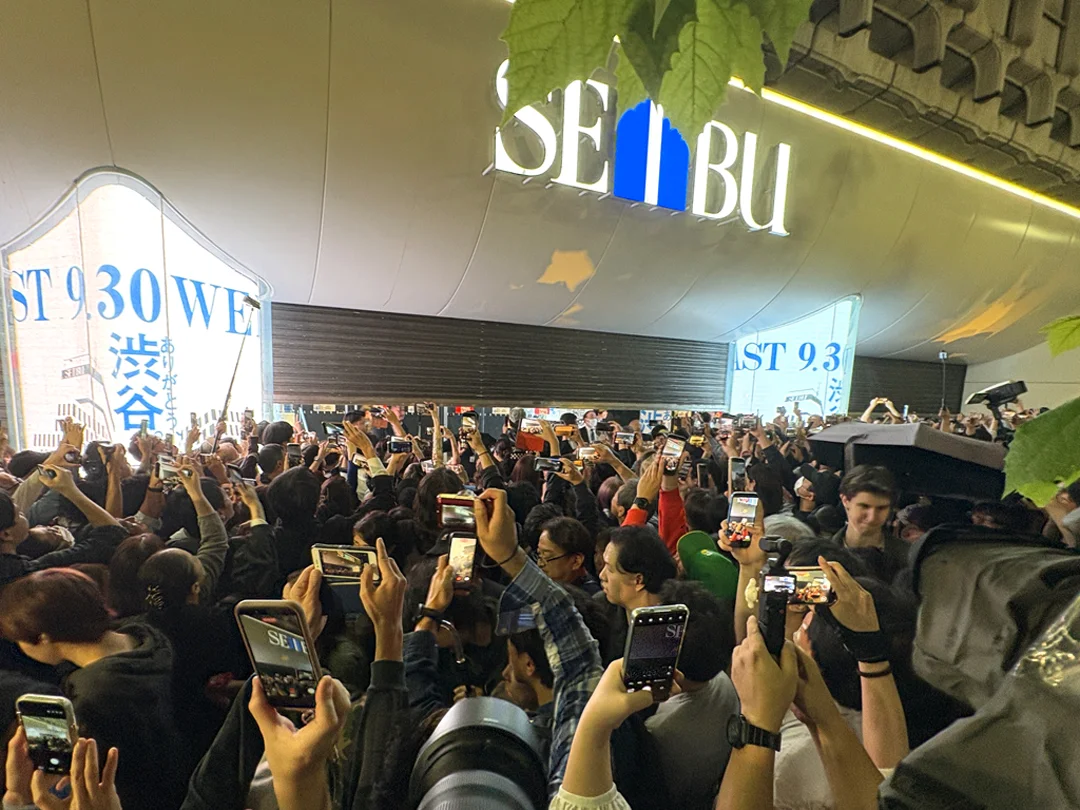
Seibu Shibuya Store closes its doors after 58 years of history: The department store that created "Shibuya" marks the end of its history.

Top 5 Recommended Meat Dishes in Shibuya! Shibuya resident Kago-san's hand-picked restaurants are introduced.