

SHIBUY.A. × EVENT

2026-09-19
"Are we intruding on the street?" at the Shoto Museum of Art: 40 years of the Street Observation Society question the public nature of the city.
"Whose are the streets?" From contemporary art to playground equipment, street performers, and public baths.
2026-09-07
SHARE
An exhibition exploring the public nature of cities with the theme of "the streets," titled "Am I intruding on the streets?", will be held at the Shoto Museum of Art in Shibuya Ward from September 19th.
This exhibition views the streets not merely as "roads" for transportation, but as "shared ground" where people gather, play, express themselves, and sometimes deviate from institutions and rules. Through a wide range of subjects including contemporary art, historical documents, playground equipment, street performers, and public baths, the exhibition explores the nature of public spaces where freedom and control, order and deviation, clash, starting from the question, "Whose are the streets?"
40 Years of the Street Observation Society: Re-examining the City Through the Lens of "Observation"
One of the catalysts for this event was the "Street Observation Society," which was founded in 1986 and is celebrating its 40th anniversary this year. Founded by avant-garde artist Genpei Akasegawa and architect Terunobu Fujimori, the society has been engaged in activities to find, photograph, and interpret unusual structures and landscapes that have coincidentally appeared in cities. They consider things that appear more artistic than art, despite having no creator or practical use, to be "super-art," and have been finding new value in ordinary street corners.
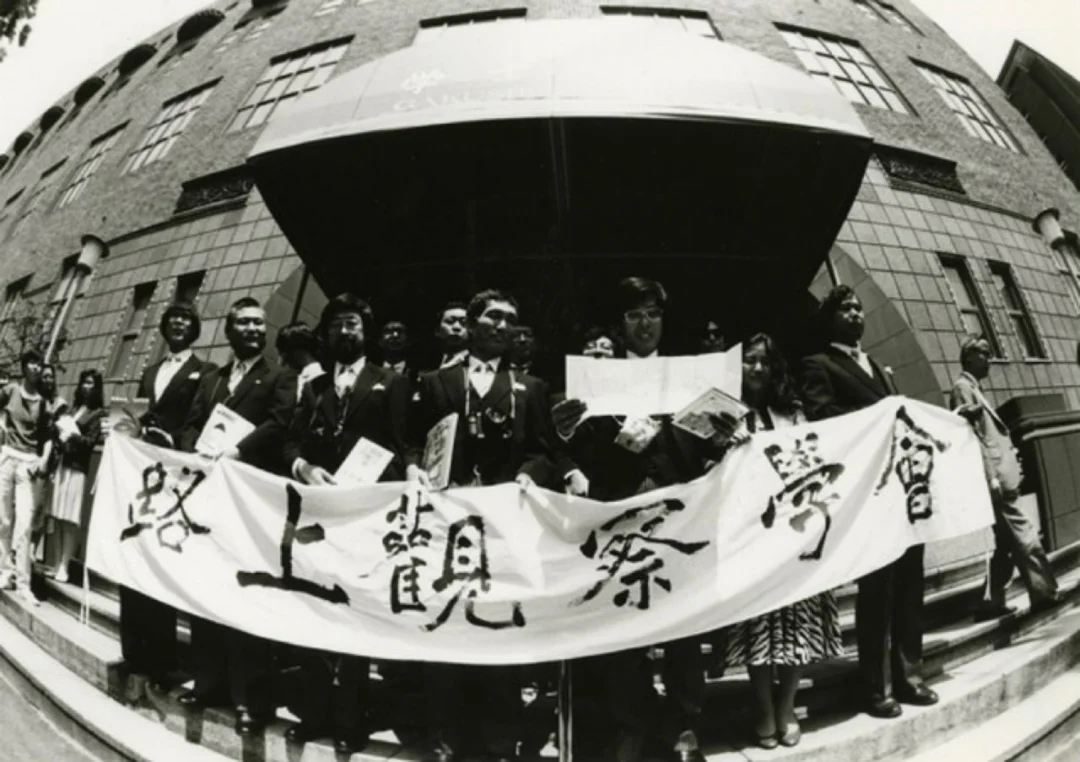
Street Observation Society Inaugural Ceremony 1986 © Akihiko Iimura
The venue will consist of seven sections: "Play and Hack," "After the Road," "Discovery on the Street," "Road or Square?", "Rules," "From the Street to the City," and "Final Chapter: Back to the Street."
Playground equipment, street performers, Shinjuku West Exit: "Freedom" and "Order" are born on the streets.
"Play and Hack" will introduce the work of artist Yasuhiro Suzuki, known as "Perspective of Playground Equipment," and the activities of 95-year-old active street performer Gilyak Amagasaki. Suzuki's work uses the "globe jungle," a spherical rotating playground equipment once popular in parks, as its subject matter to question the changing order surrounding play and safety. Meanwhile, Gilyak's "circles" drawn with chalk on the street are seen as both a stage for dancing and a boundary for performers and audiences to share a single space.
"Discoveries on the Street" looks back on 40 years of the Street Observation Society. It introduces activities such as "Super Art Thomasson" and "Architectural Detective Team," in which people have taken pictures of things that catch their eye in the city, calling them "objects," and shared them with accompanying comments. It traces the trajectory of discovering new meaning in everyday landscapes by changing the "eye for seeing" rather than changing the city itself.
"Road or Square?" explores the transformation of public spaces, focusing on the west exit of Shinjuku Station since the 1960s. It revisits the history of how the space, once known as a "square" where people gathered and discussed, was reclassified as a "passageway," and looks back at cardboard houses from the 1990s and the activities of artists, through the works and records of Chim↑Pom from Smappa!Group, Shuji Yamada, Naoko Sakagawa, and others.
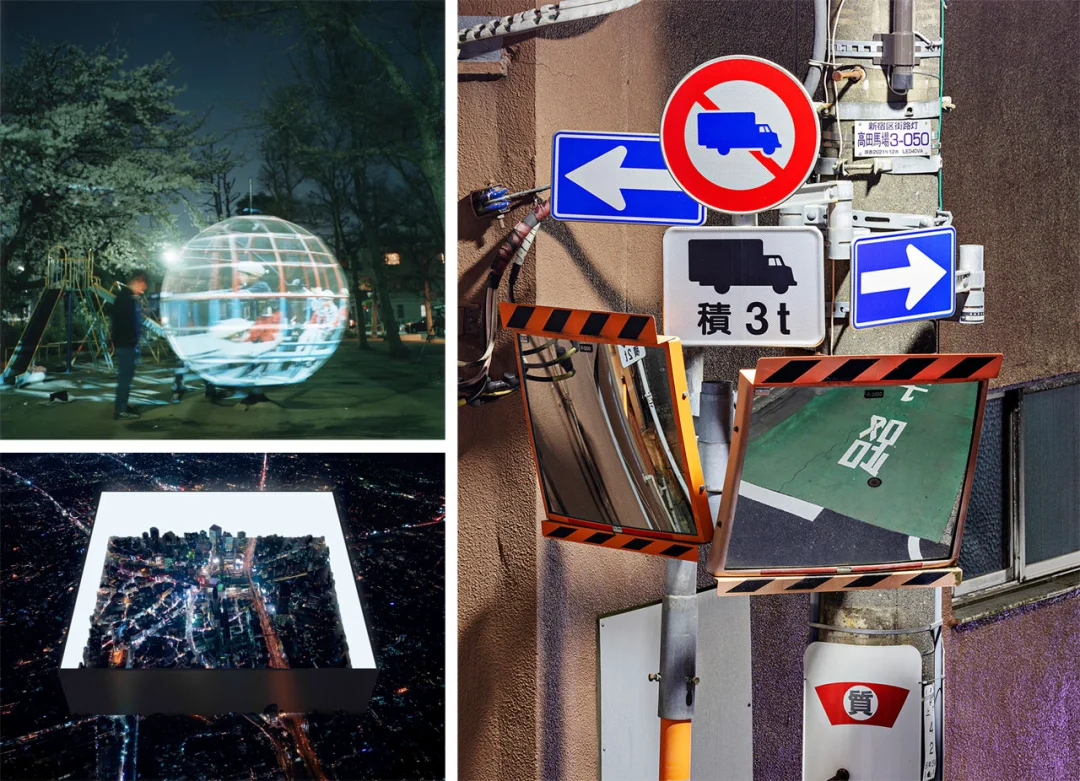
Top left: A work projecting images of children playing during the day onto the same playground equipment at night / Yasuhiro Suzuki, "Perspective of Playground Equipment," 2001, Photography: Noriko Kawauchi; Bottom left: GROUP, "The City That Never Sleeps," Partial Model, 2026, Direction: Tomohito Wakui; Right: A work that visualizes the rules and systems that permeate urban space by photographing road signs, etc. / Daniel Everett, "Untitled (from Marker)," 2024 © Daniel Everett
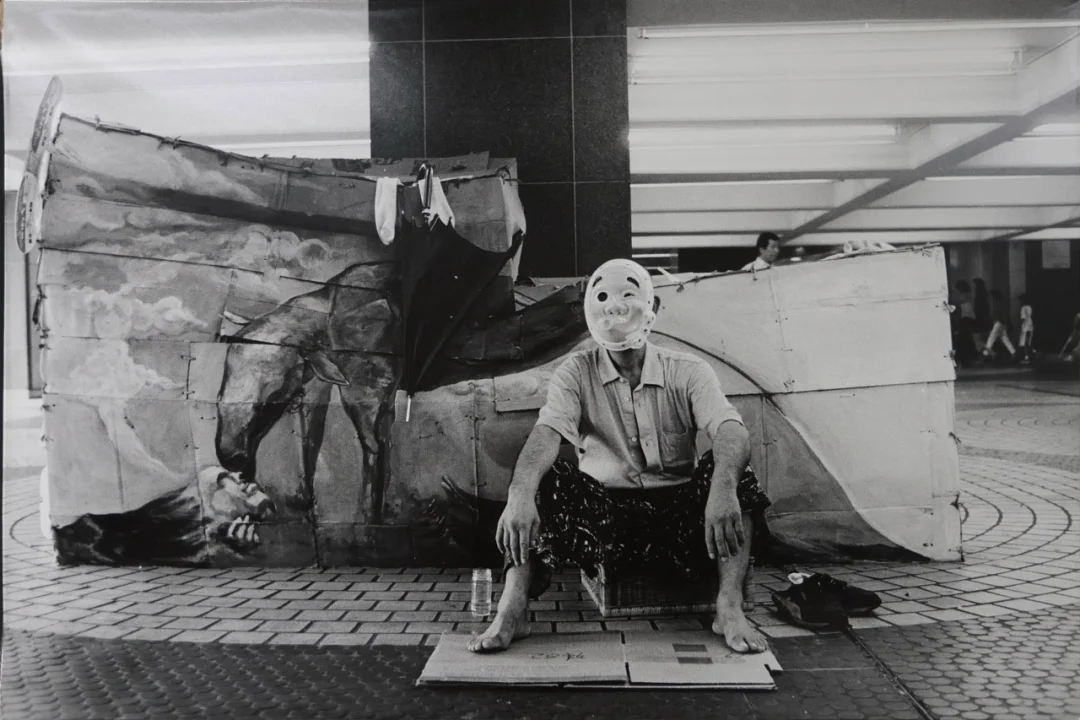
In the 1990s, the "Shinjuku Cardboard Village" was created in the underground area of Shinjuku Station's west exit by homeless people. Artists also painted murals on cardboard houses there. /Naoko Sakagawa Mr. Shinjo, wearing a mask and acting playfully. He is from Okinawa. Is that a right-wing propaganda van? When the national anthem "Kimigayo" started playing, he covered his head and crouched down. August 1996 ©Naoko Sakagawa
A closed public bathhouse transformed into a festival float: Bringing the memory of a lost place onto the streets.
In the final chapter, the "bathhouse float," created by the bathhouse float procession group, composed of architects and designers, is assembled from salvaged parts such as faucets, lockers, signs, and main pillars from a closed bathhouse. By reconstructing the lost bathhouse as a "mobile bathhouse" and parading it through the streets as a float, it is an attempt to bring back to the streets the function that bathhouses once played: "a place where people gather."
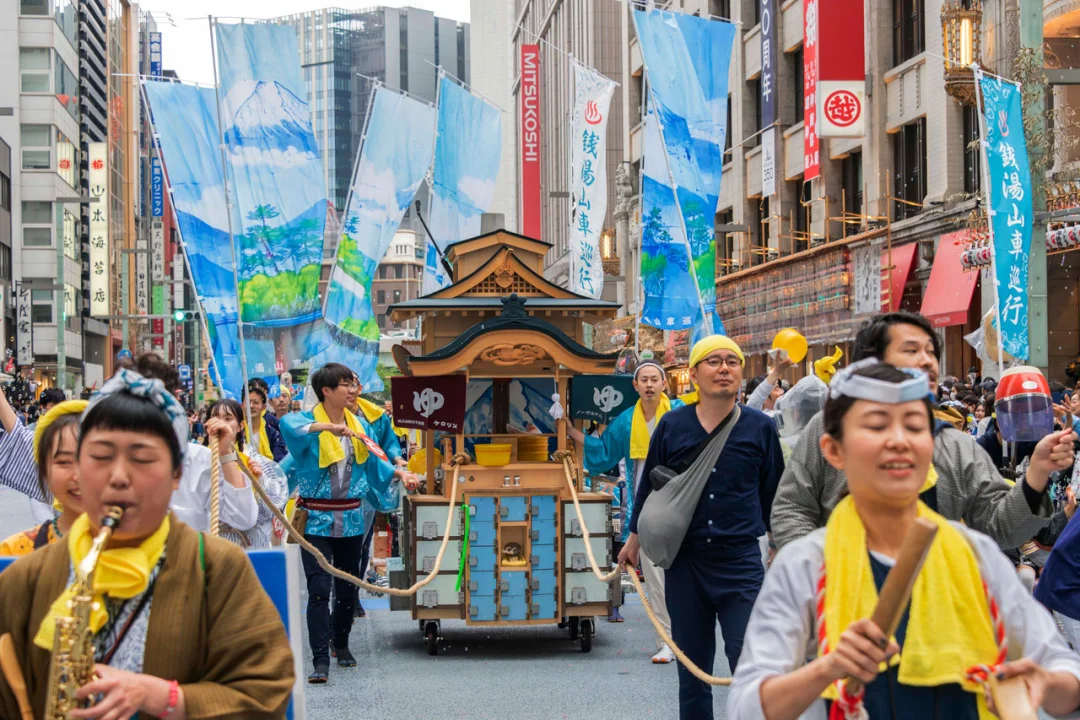
On the final day, November 23rd, the Sento Float Procession Club will parade through the streets of Shibuya with their "Sento Float" in a "Sento Float Procession." / Sento Float Procession Club "Sento Float" 2019 ©Jun Tainaka
Exhibitors include the Street Observation Society, as well as Yasuhiro Suzuki, Gilyak Amagasaki, Chim↑Pom from Smappa!Group, Shuji Yamada, Naoko Sakagawa, Fusako Kodama, Daniel Everett, the Public Bath Float Procession Club, and the architectural collective "GROUP".
Related events will also be held during the exhibition period. On October 10th, Mitsuyasu Tahara, curator at the Shirane Memorial Shibuya Ward Local History Museum and Literature Museum, will be the lecturer for a walking tour tracing the remnants of the Shibuya River, titled "Bura Shibuya Special Edition: Street Observation along the Shibuya River!" In the morning, participants will learn about the topography and history of Shibuya, and in the afternoon, they will walk from Shibuya Station to Togo Shrine via the site of the former Sandobashi Bridge and the site of the former Harajukubashi Bridge.
On October 17th, a commemorative lecture entitled "Things on the Street and Things on the Roadside" will be held by Naoyuki Kinoshita, Director of the Shizuoka Prefectural Museum of Art and Professor Emeritus of the University of Tokyo. On November 22nd, a closing talk is scheduled by Hitoshi Motohashi (Curator at the 21st Century Museum of Contemporary Art, Kanazawa) and Takahiko Kihara (Curator at the Shoto Museum of Art, Shibuya Ward), who planned the exhibition.
Participation in each related event requires prior registration via the application form on the official website. Hours are 10:00 AM to 6:00 PM (until 8:00 PM on Fridays; last entry 30 minutes before closing). The event runs until November 23rd.
Outline
Exhibition title: | Am I bothering you on the street? |
|---|---|
Holding period: | September 19, 2026 (Sat) - November 23, 2026 (Monday/Holiday) |
Opening hours: | 10:00 AM to 6:00 PM (until 8:00 PM on Fridays; last entry 30 minutes before closing) |
Venue: | Shoto Museum of Art |
Admission: | Adults 1,000 yen, university students 800 yen, high school students and those aged 60 and over 500 yen, elementary and junior high school students 100 yen |
official: | |
Organized by: | Shoto Museum of Art |
Academic cooperation: | Street Observation Society |
Supported by: | Modern Manners Study Group, Japanese Society of Lifestyle Studies, Takamatsu City, Architectural Institute of Japan |
Venue
Genres within EVENT
Articles in the same genre
2026-11-10〜2026-11-23
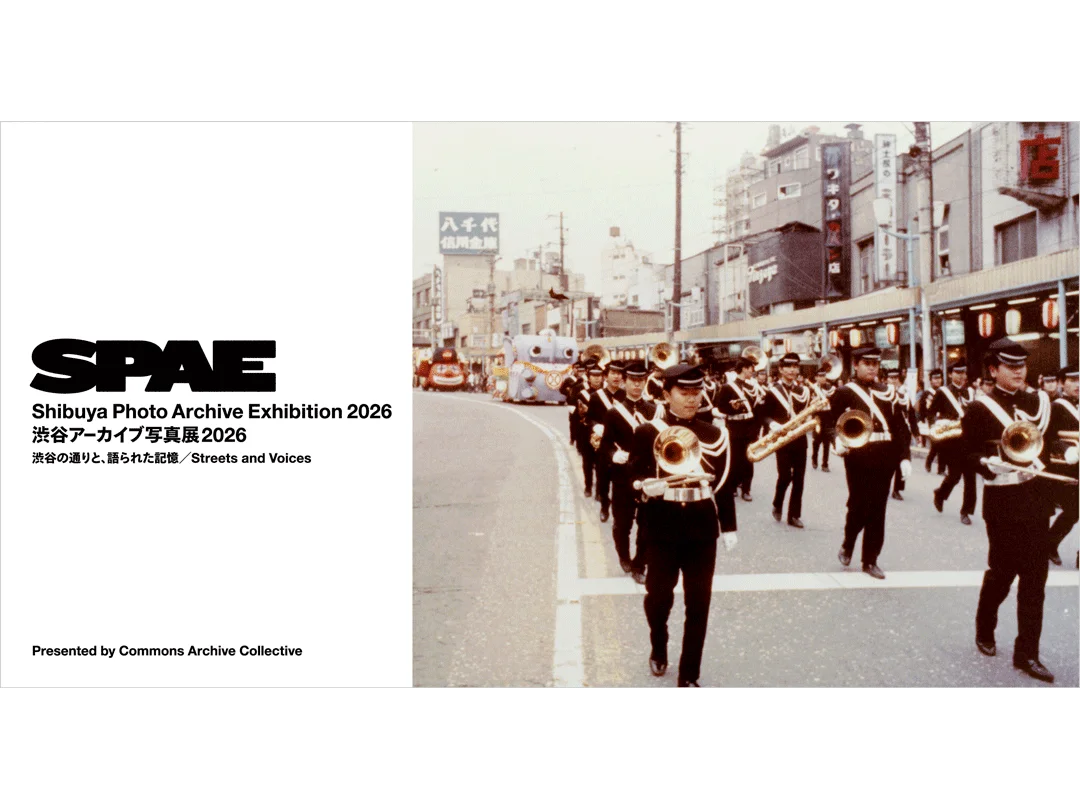
Shibuya Archive Photo Exhibition 2026: Tracing the city's memories through 180 photographs and 11 "narratives"
2026-11-19〜2026-11-24
Ryusei School 140th Anniversary Commemorative Flower Exhibition "Ikebana: Past, Present, East and West"
2026-11-20〜2026-11-20
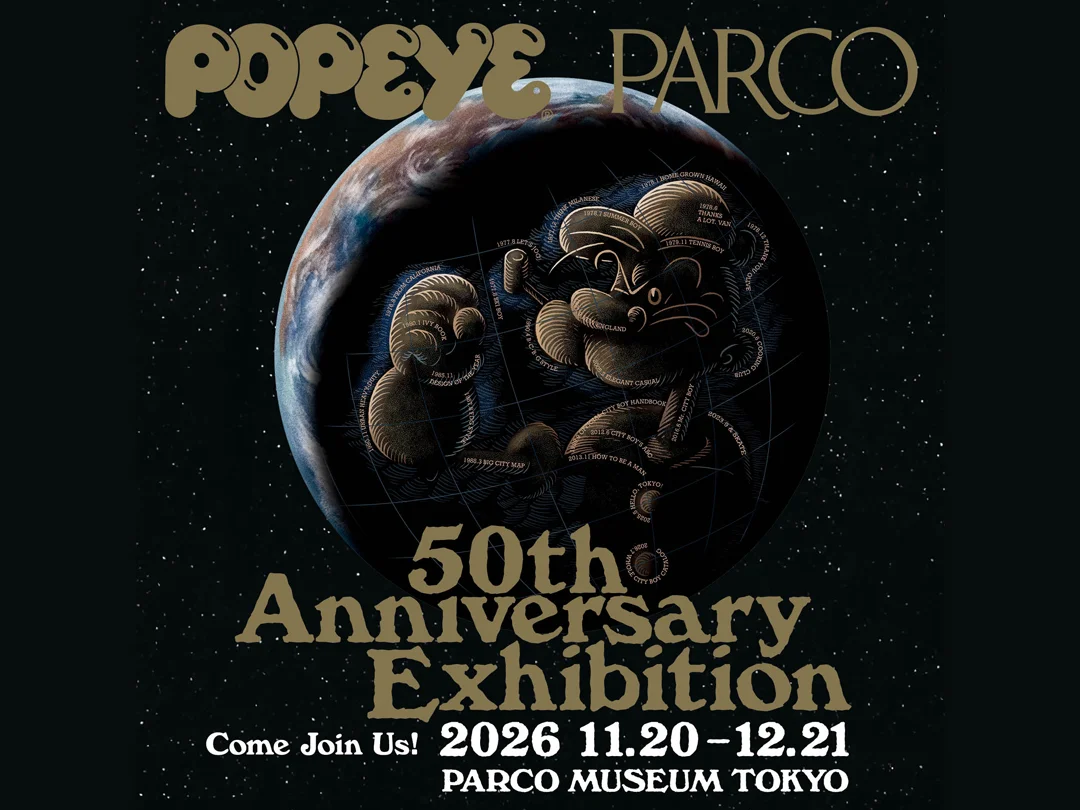
Shibuya Parco holds exhibition celebrating the 50th anniversary of the magazine "POPEYE," featuring 50 issues from throughout its history and a recreation of the editorial office.
Featured articles on the site
Fashion and culture intersect in the heart of Shibuya: Riisa Naka and others take part in a street runway.
#Shibuya Club Vol. 1 ~ Discussing "Innovation x Culture" in Shibuya
Interactive illuminations to open in Yoyogi Park: A 1.8-kilometer "Forest of Light" to begin in November.