

SHIBUY.A. × WATCH

SOIL "fertilizes cherry blossoms with compost" - Shibuya's food waste becomes "spring nutrients" and a small cycle takes shape
2026-03-02
SHARE
On March 2nd, a resource recycling event, "Applying Compost to Cherry Blossoms," was held in the plaza of "SOIL (SHIBUYA OPEN INNOVATION Labo)," an open innovation hub run by Tokyu. This was the third event, following the "How to Make Compost" course held in November last year and a follow-up course in January. The event involved applying locally grown compost to the base of cherry trees, leading to a cherry blossom viewing event in late March.
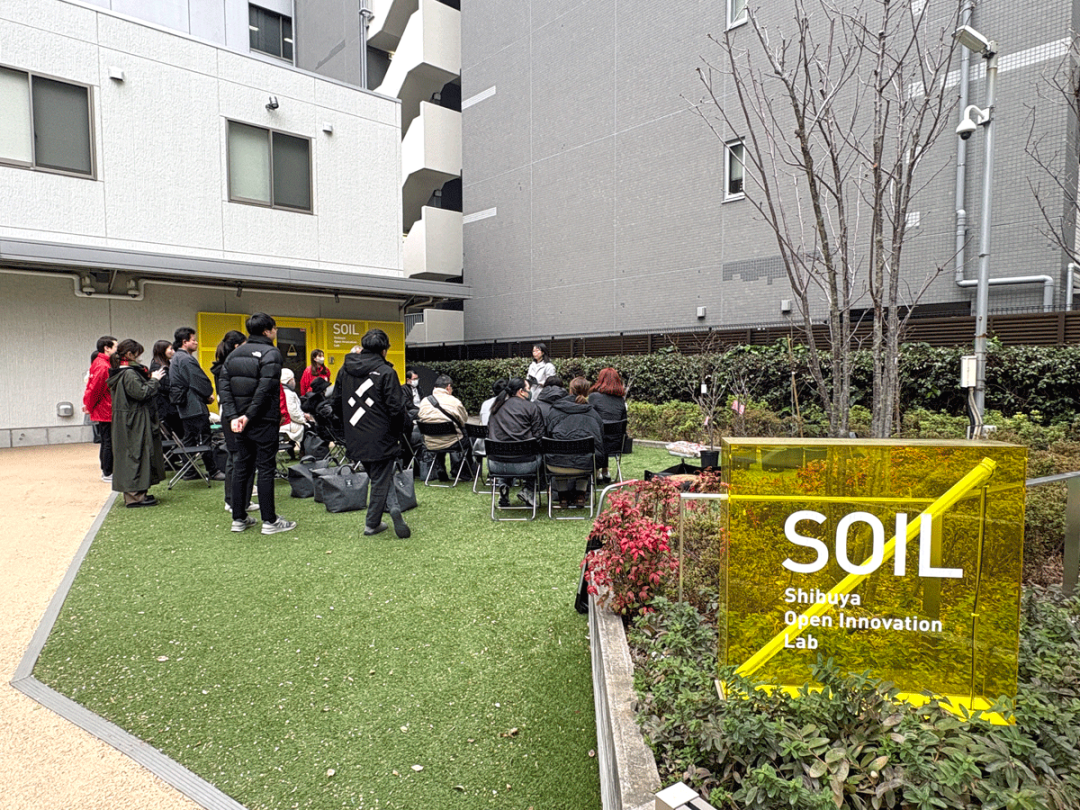
An event held in the plaza (outside area) of the open innovation hub "SOIL (SHIBUYA OPEN INNOVATION Labo)" (Shibuya 3-chome)
The event took place in the plaza (outdoor area) in front of the SOIL facility in Shibuya 3-chome. Approximately 25 people, including residents and office workers living in the area, participated, bringing compost that they had aged in their homes and workplaces.
Combining each person's compost allows a diverse mix of microorganisms to form
On the day, they mixed the compost they had brought with them with Akadama soil in a ratio of about 1:3. By combining compost with different properties based on each person's diet, a variety of microorganisms can mix together, resulting in more balanced soil.
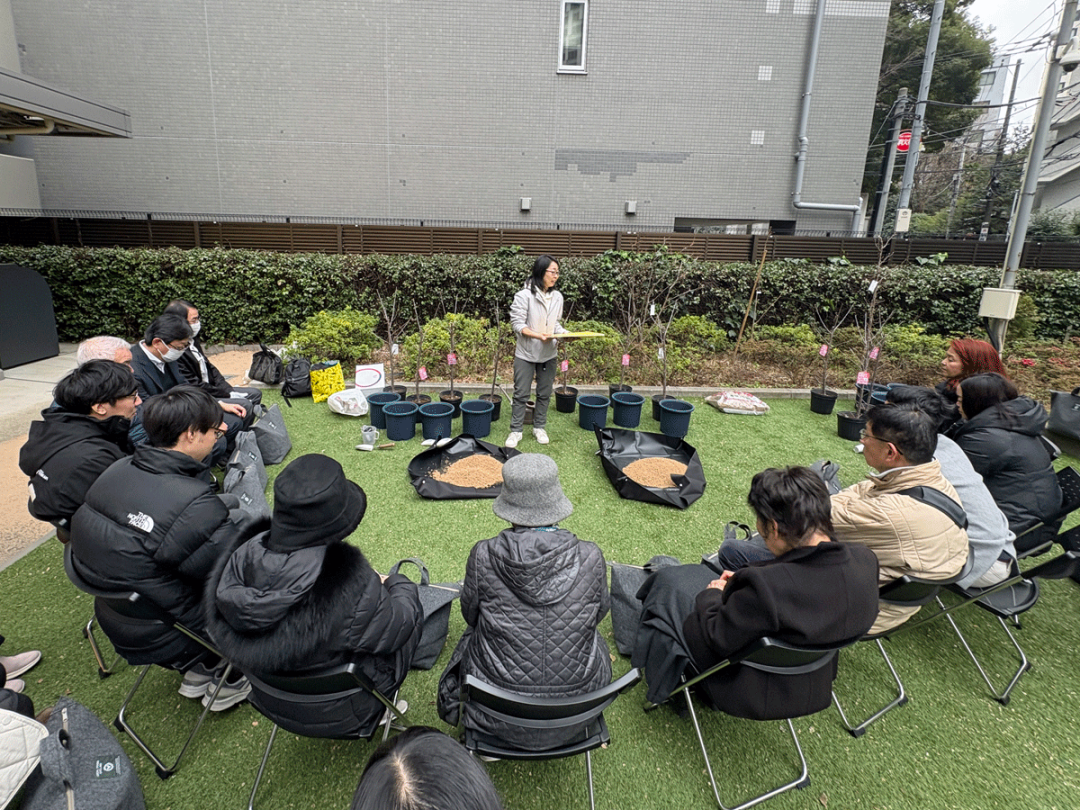
First, we explained how to make soil using the compost that each person had matured.
Yasuko Kamiyama, a compost advisor for Local Food Cycling (LFC) who served as the lecturer, said, "If the type of food waste you put in is different, the microorganisms that will grow will also be different.Even if there are differences in color and texture, they are all correct."
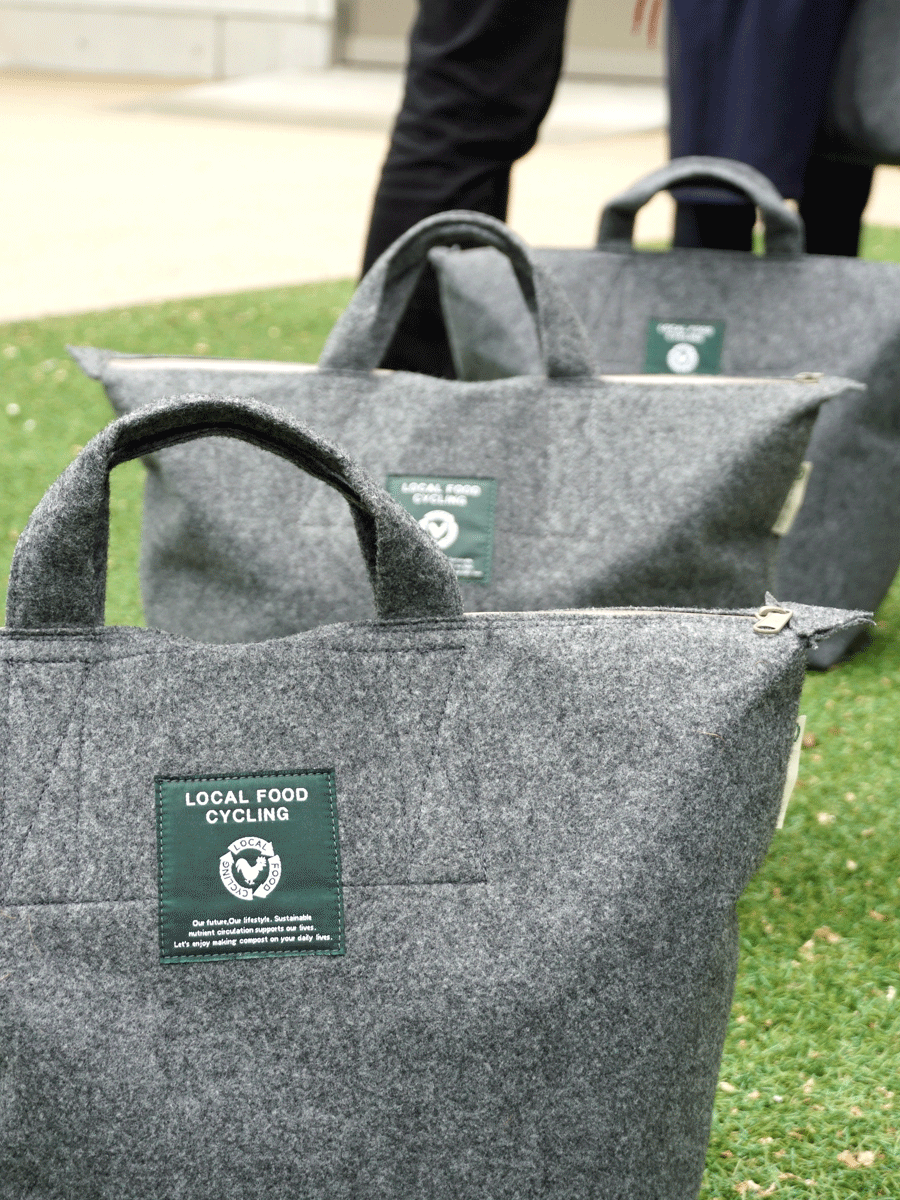
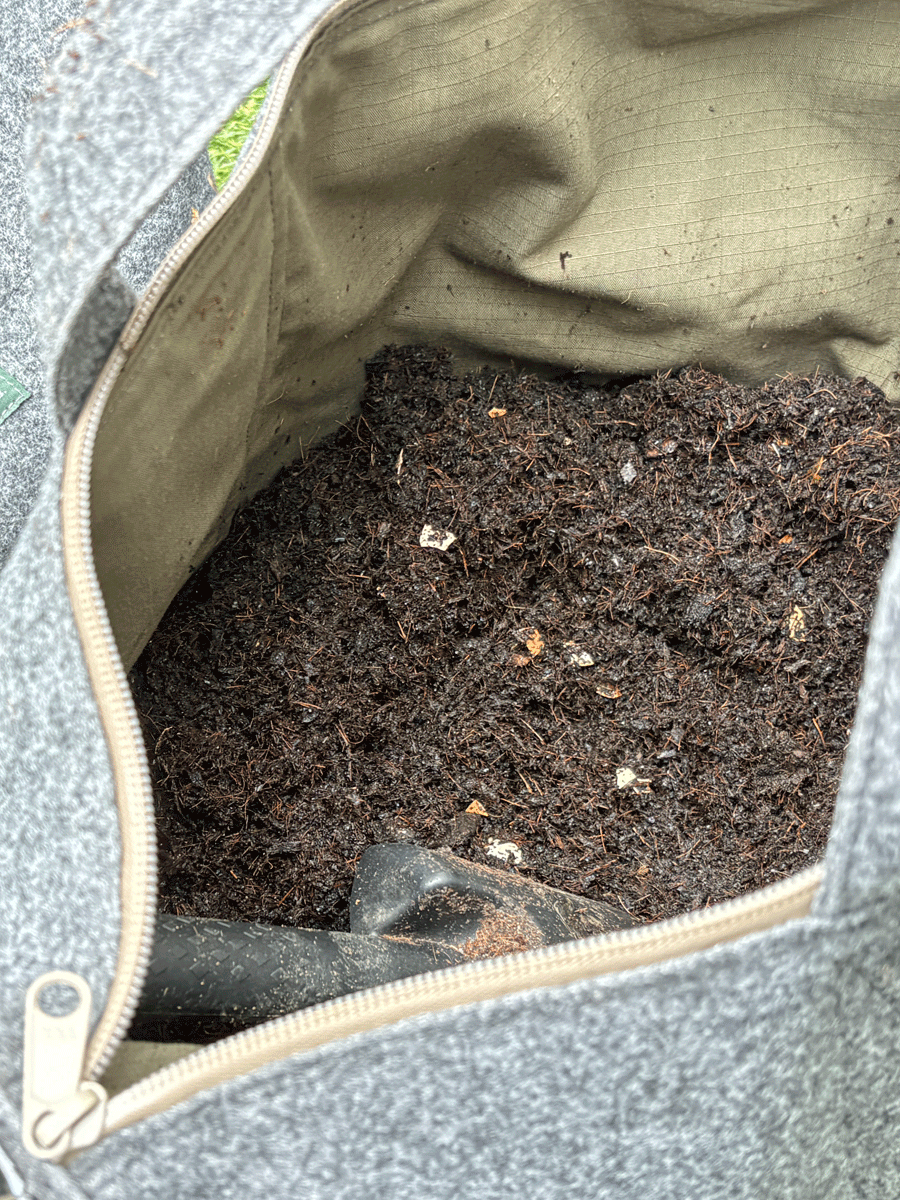
When we opened the bag-type compost, we could see the compost, which varied in color and moisture level. Each household has a different diet, with some families eating mostly vegetables and others eating more protein and oil. These differences are reflected in the types of microorganisms and the condition of the compost.
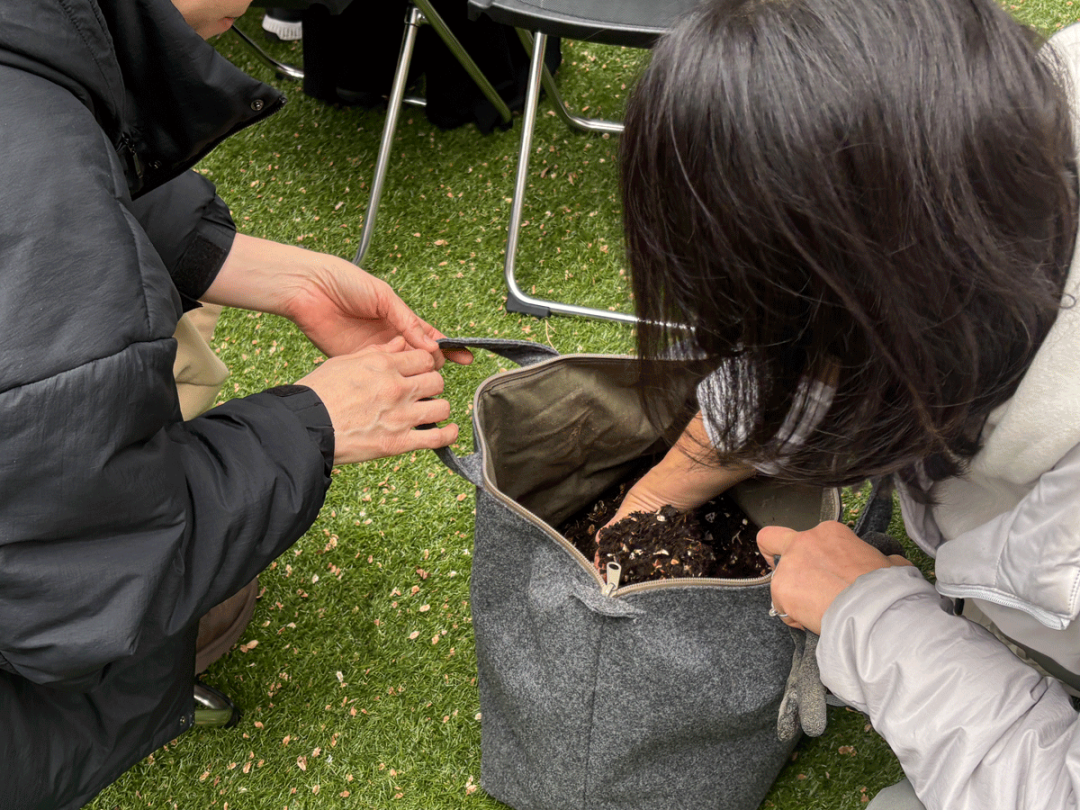
Kamiyama puts his hands into each compost to check the maturity and other conditions. He gives appropriate advice such as "There's not enough water" or "It's still hot, so it needs to mature a little more." "You can put anything in as long as it's food waste. Bones are fine, but shells don't decompose," he explains. He also says that materials with strong fibers, such as chestnut skins, bamboo shoot skins, and corn husks, take a long time to decompose.
The bag-type food waste compost was developed by Fukuoka-based LFC (Local Food Cycling), and its unique feature is that it does not contain microorganisms themselves, but instead uses a "substrate" that naturally grows on vegetables and other foods, making it easy for the naturally occurring microorganisms to work. It can process about 400 grams of food waste per day, for a total of about 40 kilograms.
"There is no need to drain the water. Composting does not cause food to rot, but rather leads to fermentation and decomposition. Many people are surprised at how much food waste it reduces," says Kamiyama.
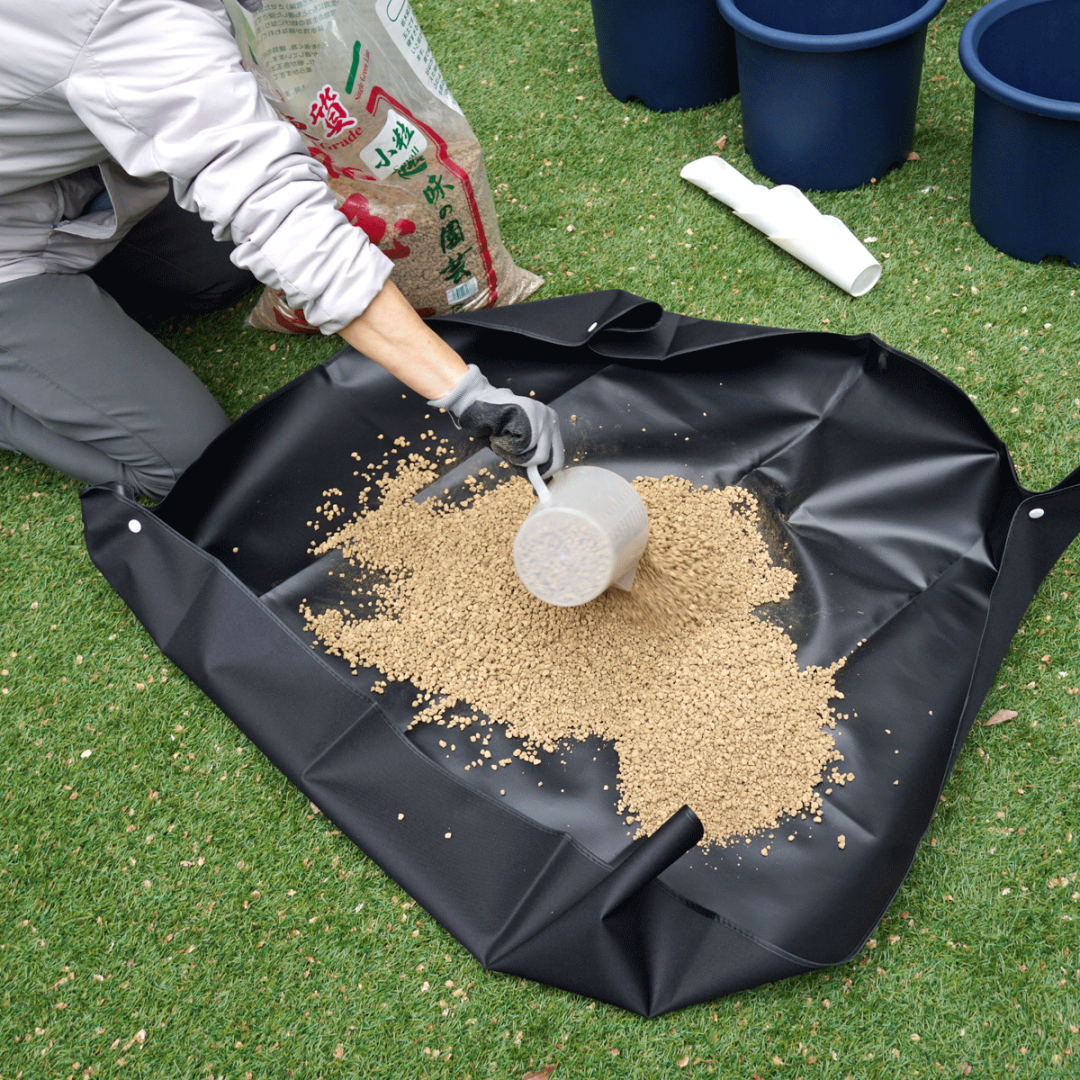
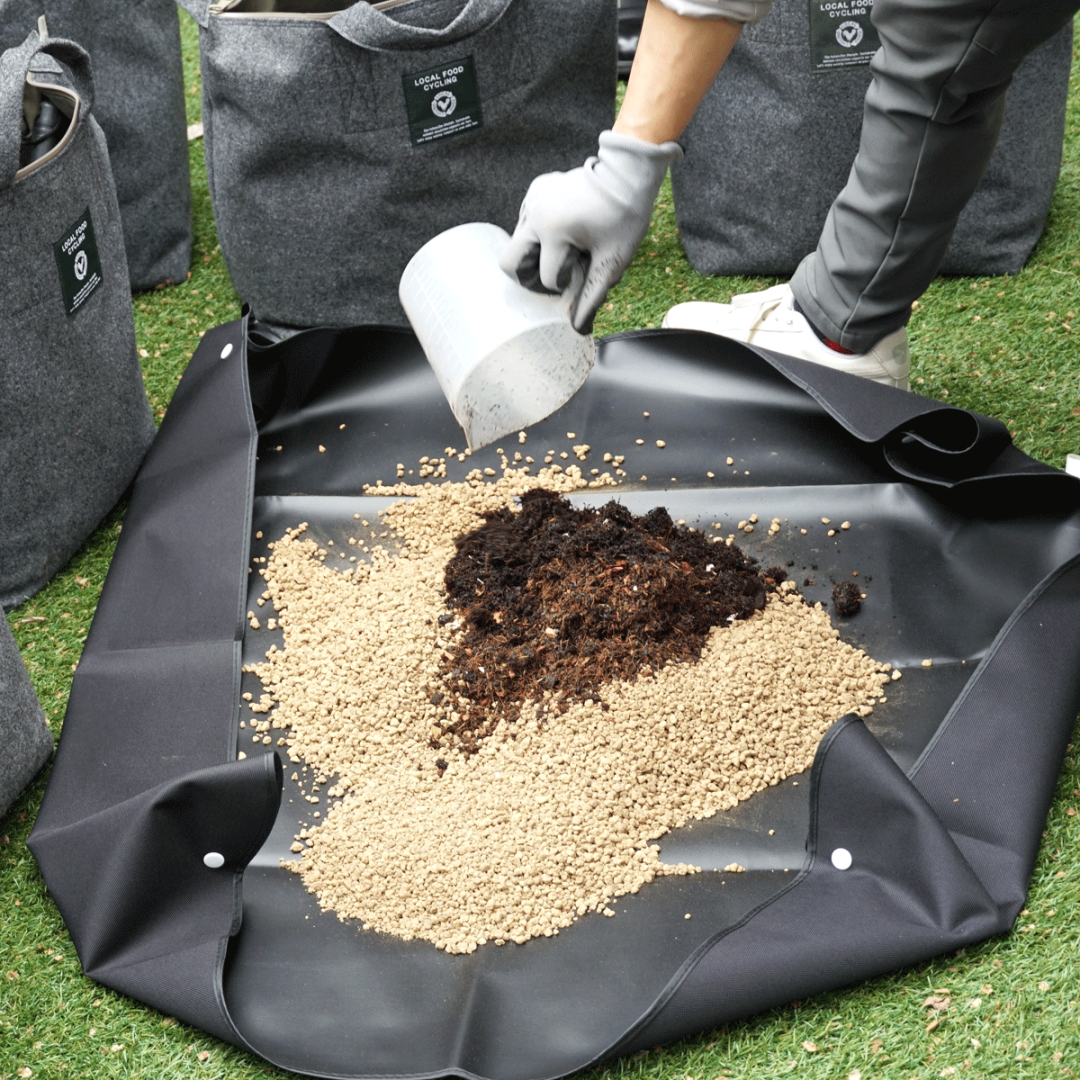
Each person adds their own unique compost to the Akadama soil.
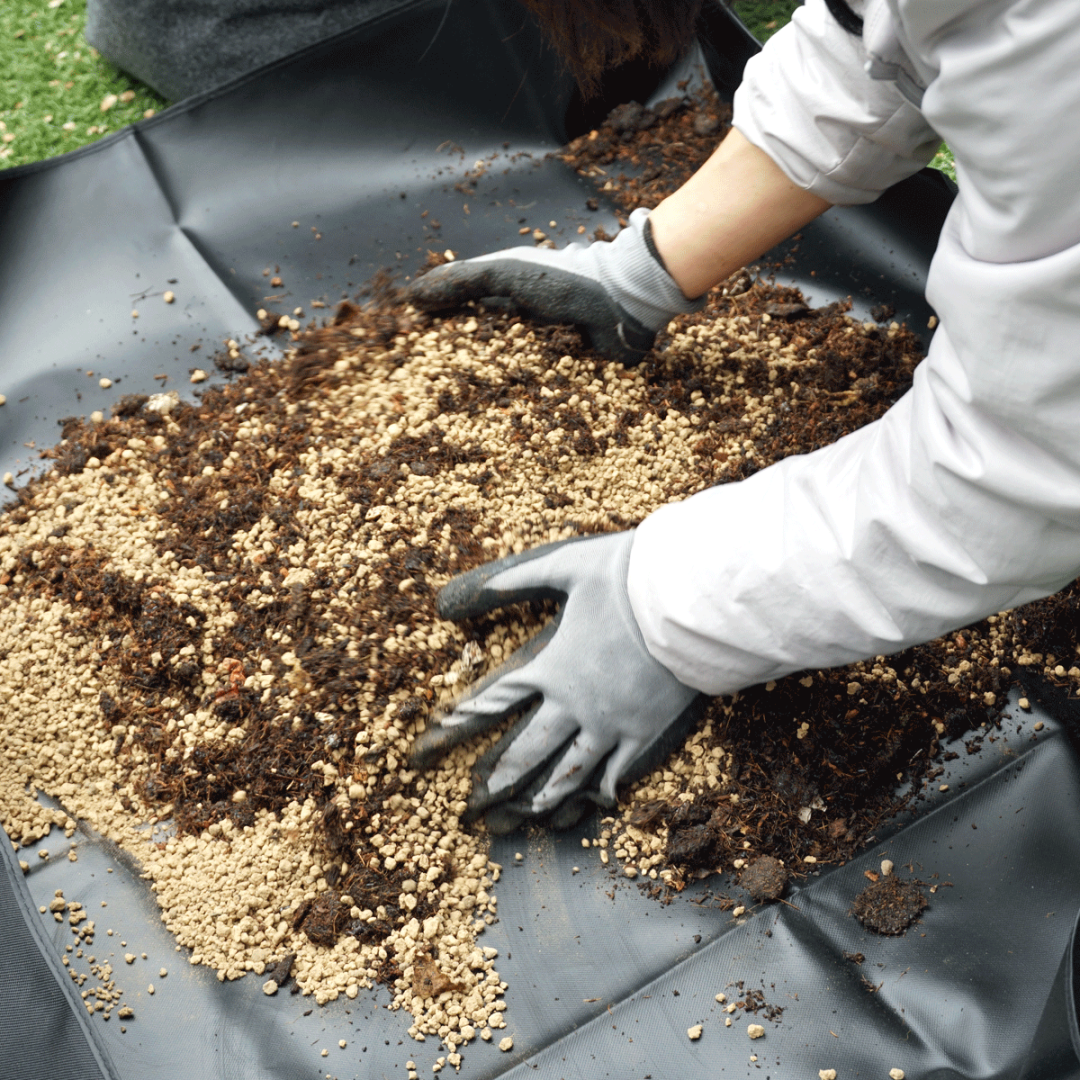
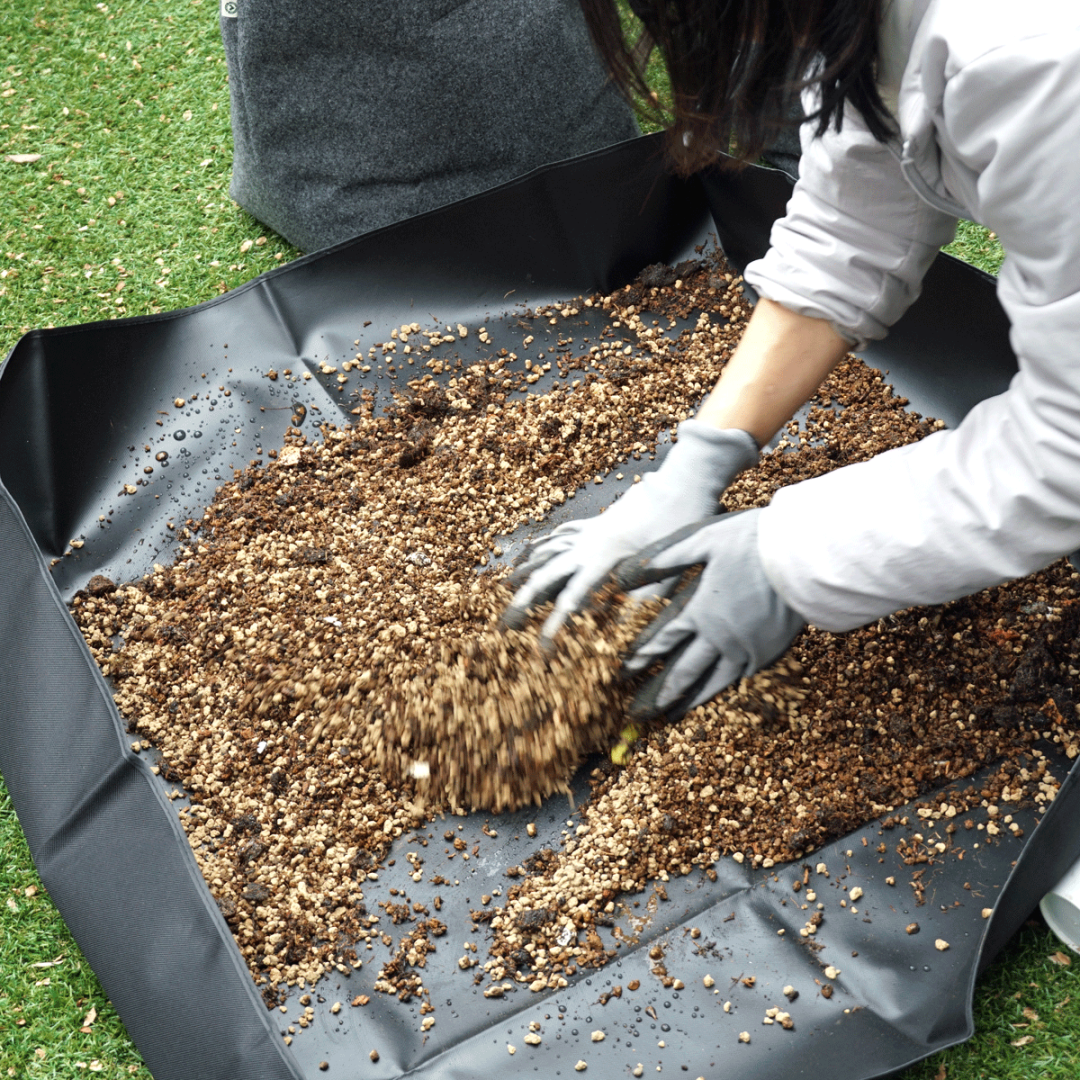
Using both hands, mix the Akadama soil with 1 part compost. Mixing in the compost you bring little by little will create a more nutritiously balanced soil than using a single compost.
Participants commented, "It was a refreshing experience to touch the soil," and "I realized that our food waste can become nutrients for the cherry blossoms."
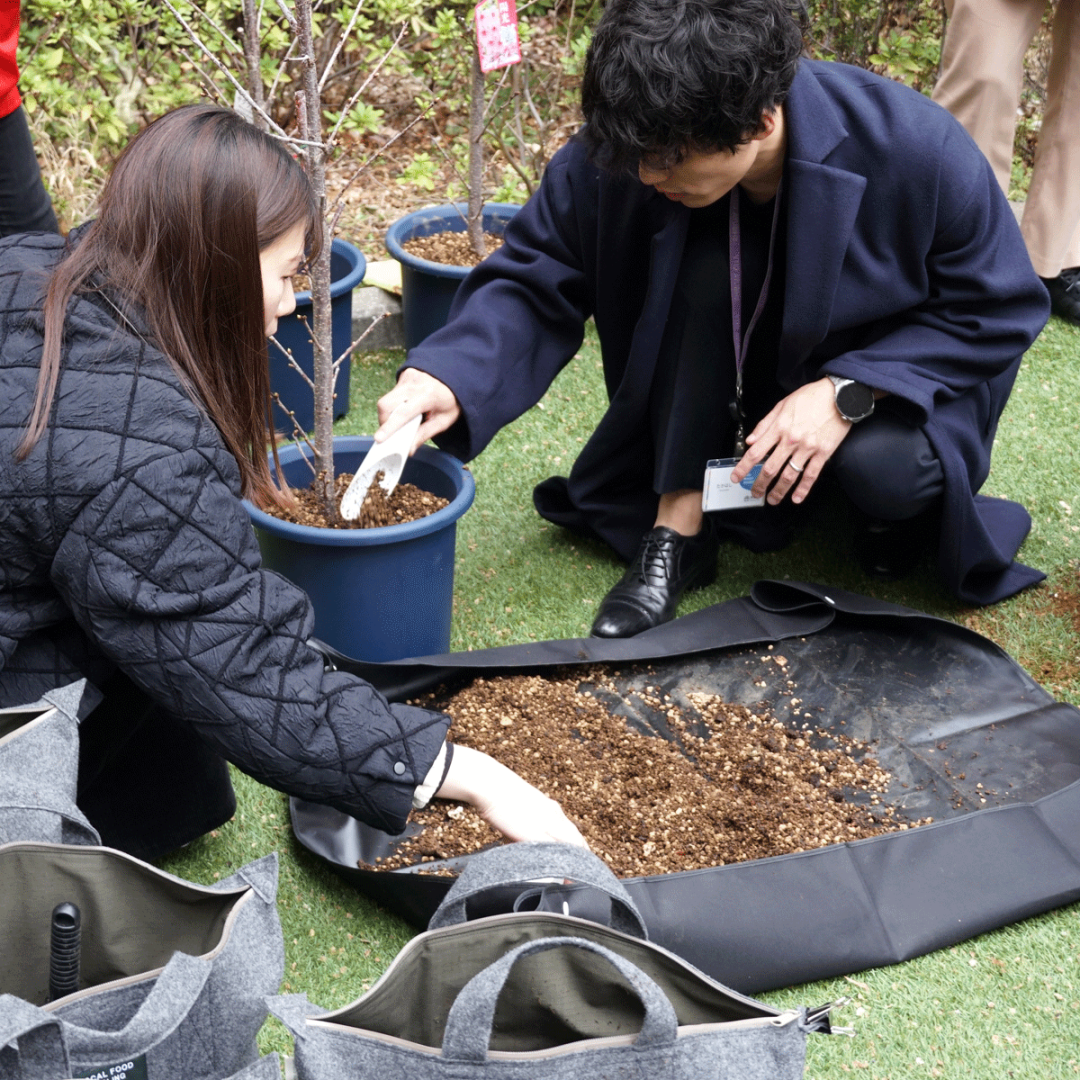
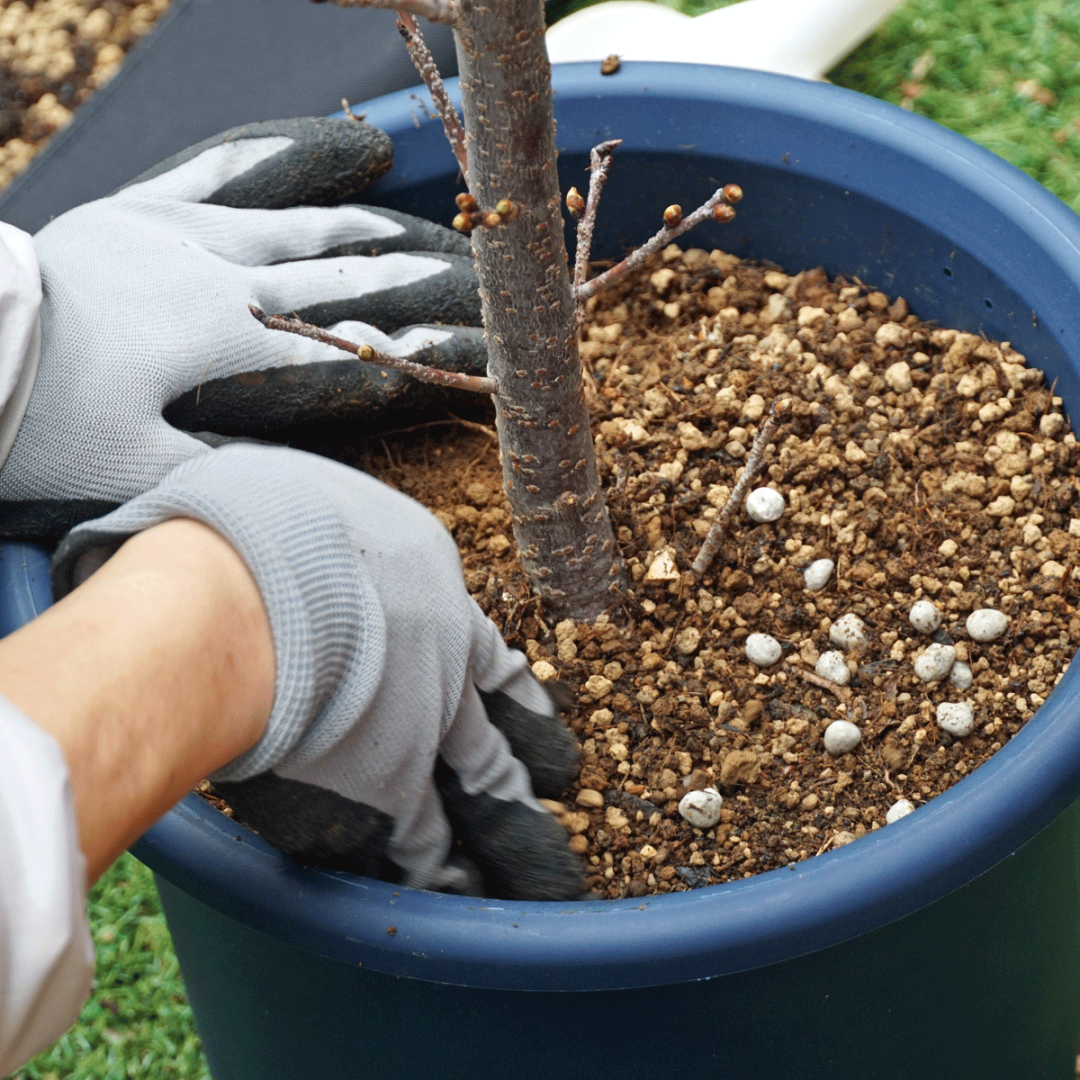
Use the blended soil when transplanting cherry tree seedlings into pots one size larger. Fill the soil into any gaps or on the surface, and gently press it down with your hands.
From a "city of consumption" to a "city of circulation"
Ai Yasue of Tokyu, who organized the event, explained the background to the event, saying, "I wanted to make SOIL Plaza a place that is open to the local community." Although there is a sign at the entrance that reads "Anyone is welcome," it can actually be difficult to get in. First of all, she wanted to host the event herself and increase her connection with the local community.
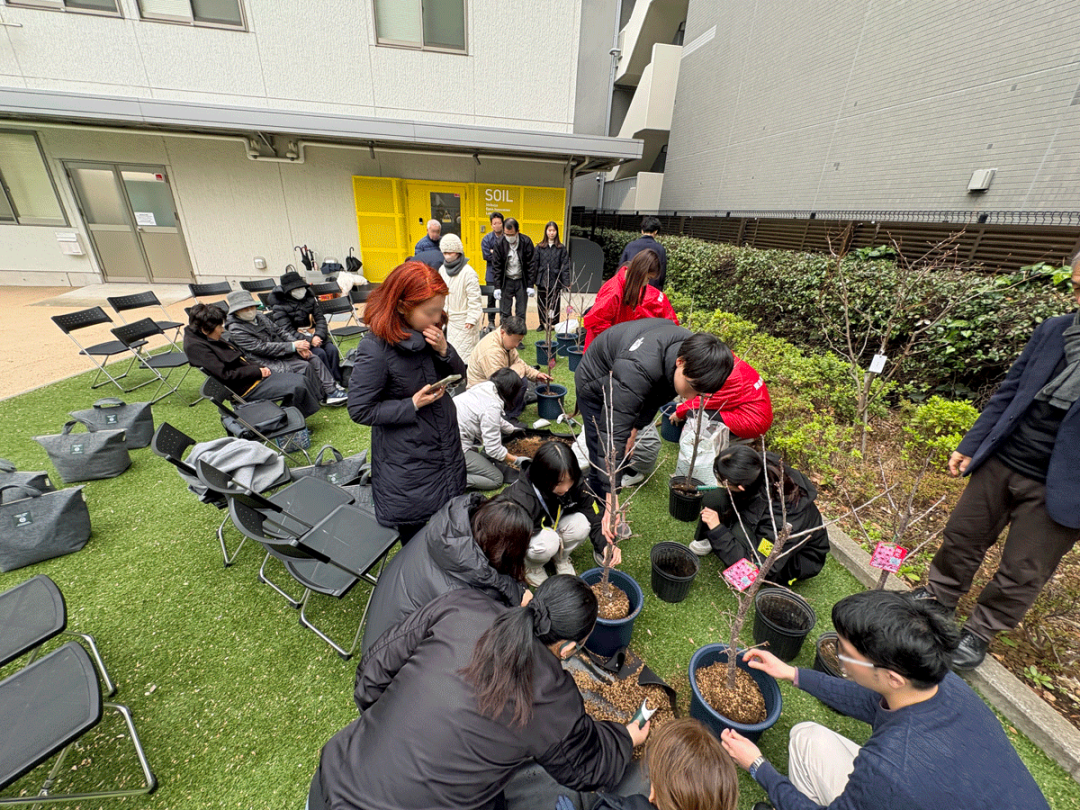
Through soil preparation and replanting, local residents and workers come together, creating new connections and communication.
"Shibuya has a strong image as a 'city of consumption,' but from now on we will be in the era of a recycling-oriented society. I want to create a 'small cycle' that circulates waste generated in the community within the community," says Yasue, who has been composting at home since November last year. "I've become more conscious of how much food waste I produce, and I've started thinking about reducing the amount of food I leave uneaten. The smell has also decreased, and this change in awareness has been the biggest thing."
Cherry blossoms connect the community
The trees fertilized this time are the same variety of Yokouzakura cherry trees as those along Meiji Dori. The same cherry trees were chosen with the flow of the approach leading from Meiji Dori to Konno Hachimangu Shrine in mind. A cherry blossom viewing event is planned for March 26th, and the area hopes to become a place where local residents and business people can gather.
"The project is about getting everyone to enjoy the cherry blossoms that we have grown with our own hands. We hope to create interaction not only between local people, but also with companies that we have not had contact with before," says Yasue.
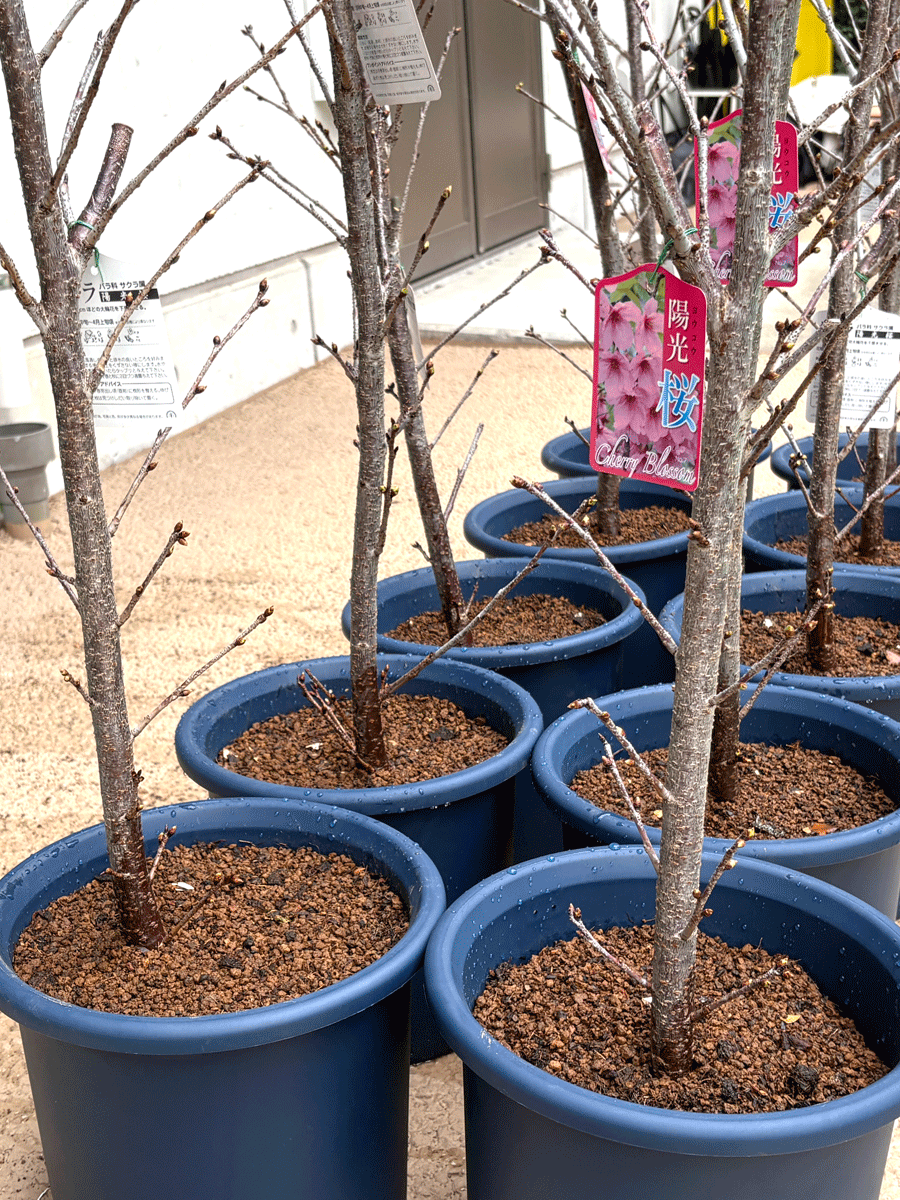
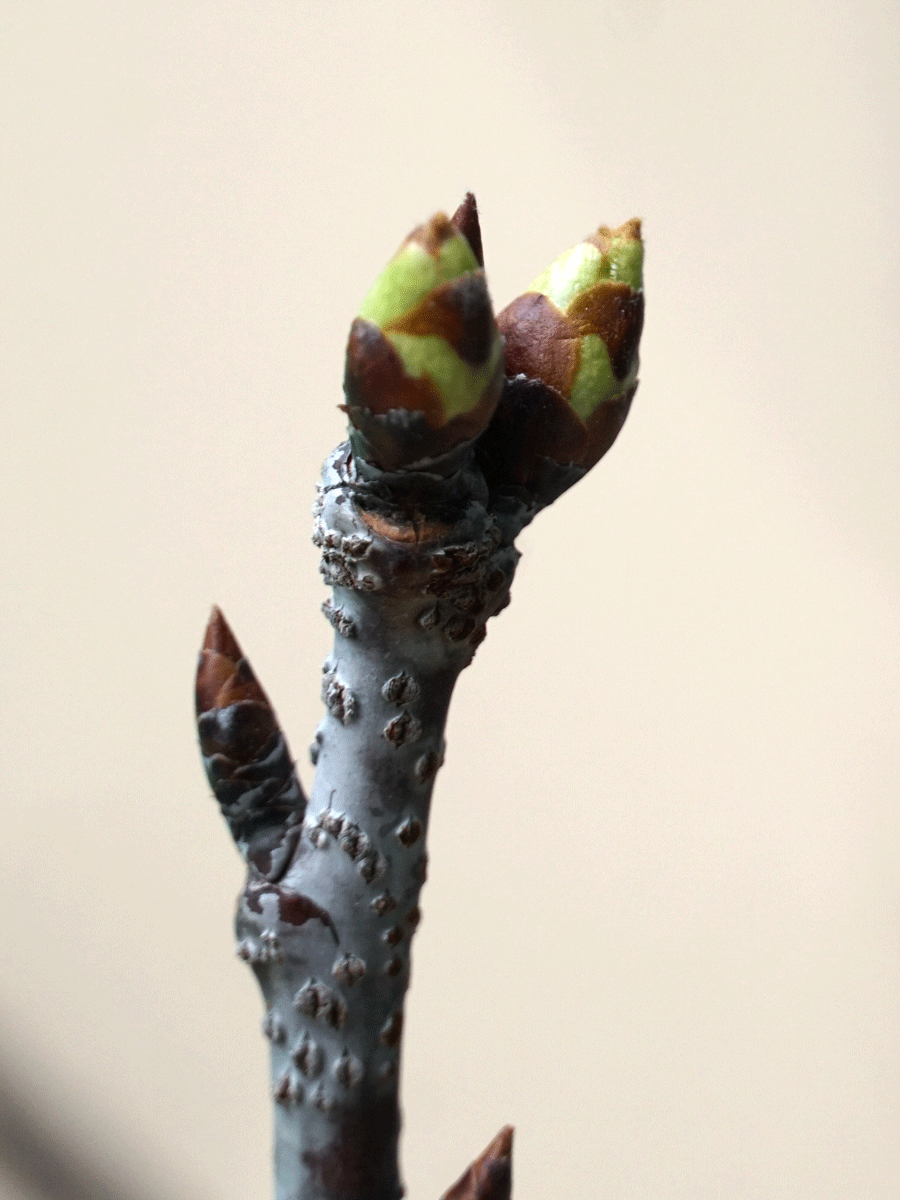
The cherry blossom pots were fertilized during this event. This year, temperatures are higher than usual, and the cherry blossoms are expected to bloom earlier than usual.
A small cycle has been born in the heart of the city. Food waste is transformed not into the "end point of consumption" but into the "starting point for spring." The budding cherry blossoms are likely to become a symbol of the results. Anyone can participate in the cherry blossom viewing party. If you're interested in composting, why not come and visit?
Venue
Editorial Department: Takashi Fujii
Shibuya registrar. In addition to Shibuya of Culture information, seasonal news and topics, it will spell write that feel every day.
Genres within watch
Articles in the same genre
2026-10-18〜
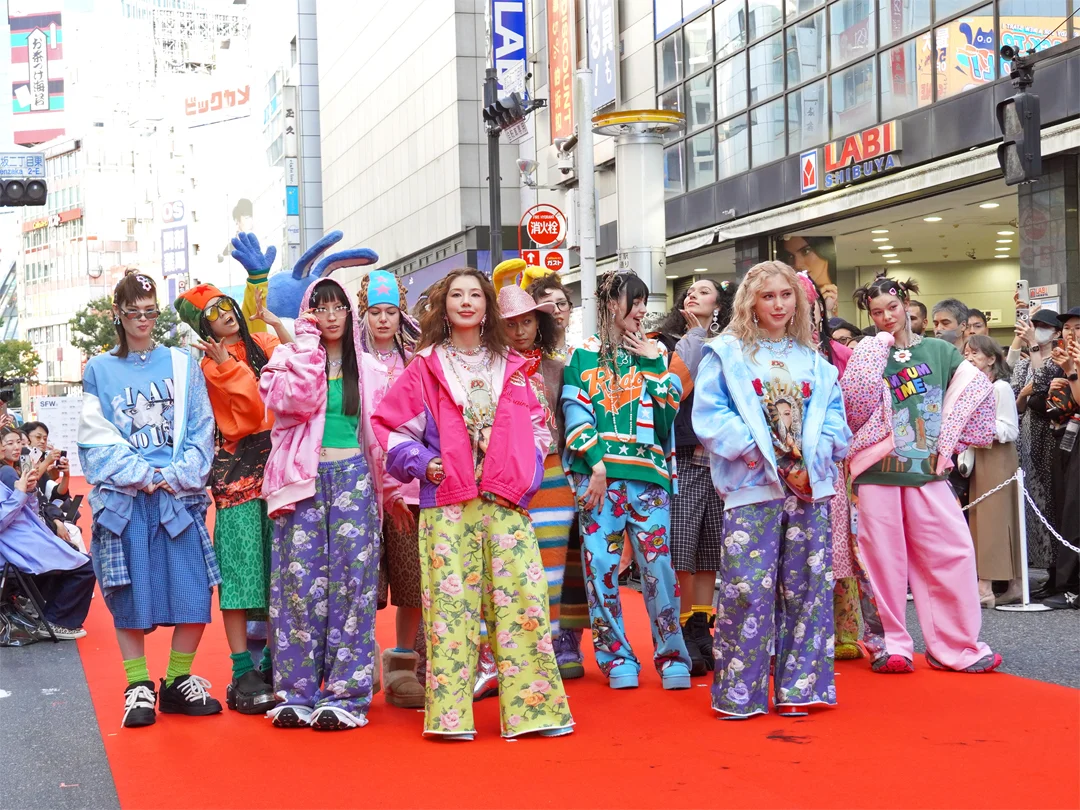
Fashion and culture intersect in the heart of Shibuya: Riisa Naka and others take part in a street runway.
2026-10-18〜
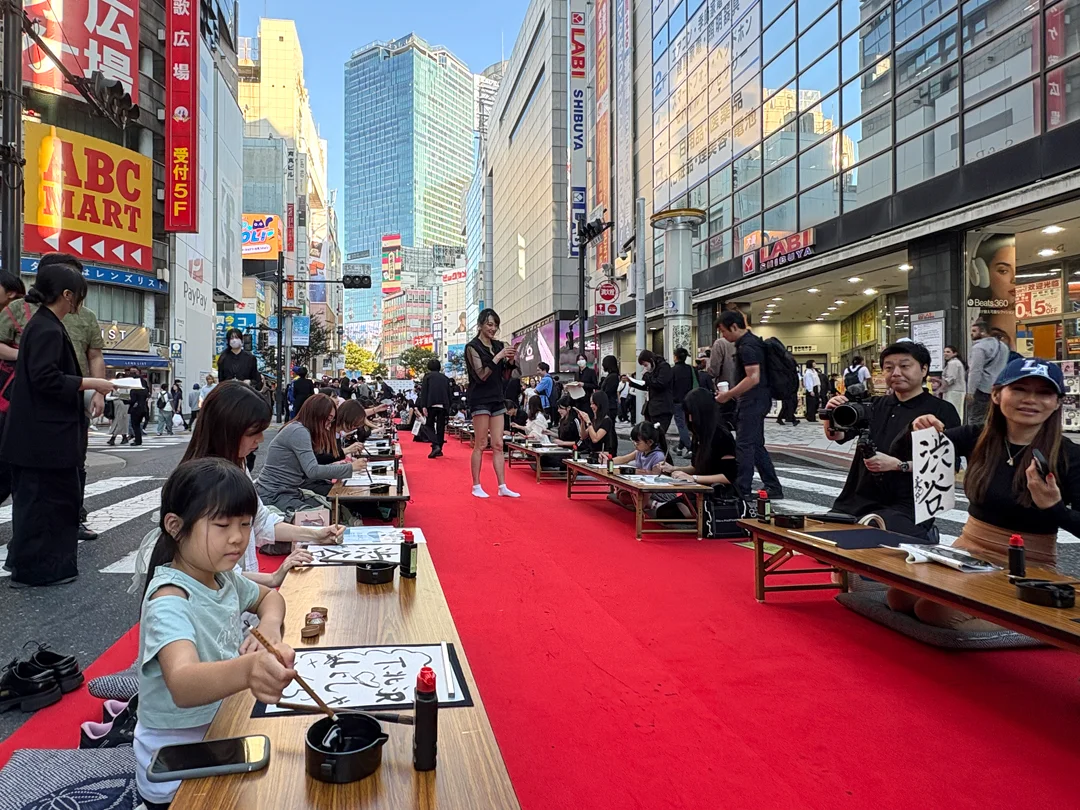
Calligraphy experience held on Bunkamura Street in Shibuya; over 100 people line the red carpet, including foreign tourists.
2026-08-20〜
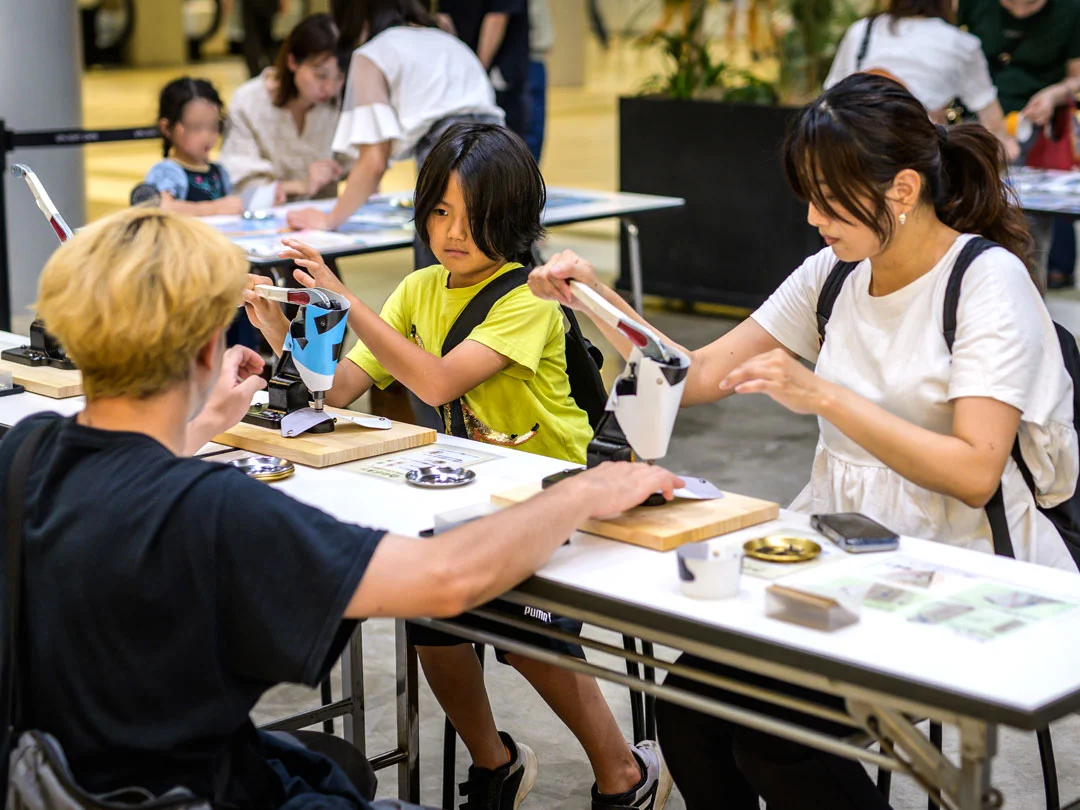
Parents and children reuse advertising banners displayed at Shibuya Station to create one-of-a-kind wallets.
![[Report] Japan's national team, hailed as the strongest ever, sparks excitement in Shibuya for their World Cup match against Tunisia!](https://biz.shibuyabunka.com/storage/images/watch//1782038663.webp)
2026-06-21〜
[Report] Japan's national team, hailed as the strongest ever, sparks excitement in Shibuya for their World Cup match against Tunisia!
Featured articles on the site
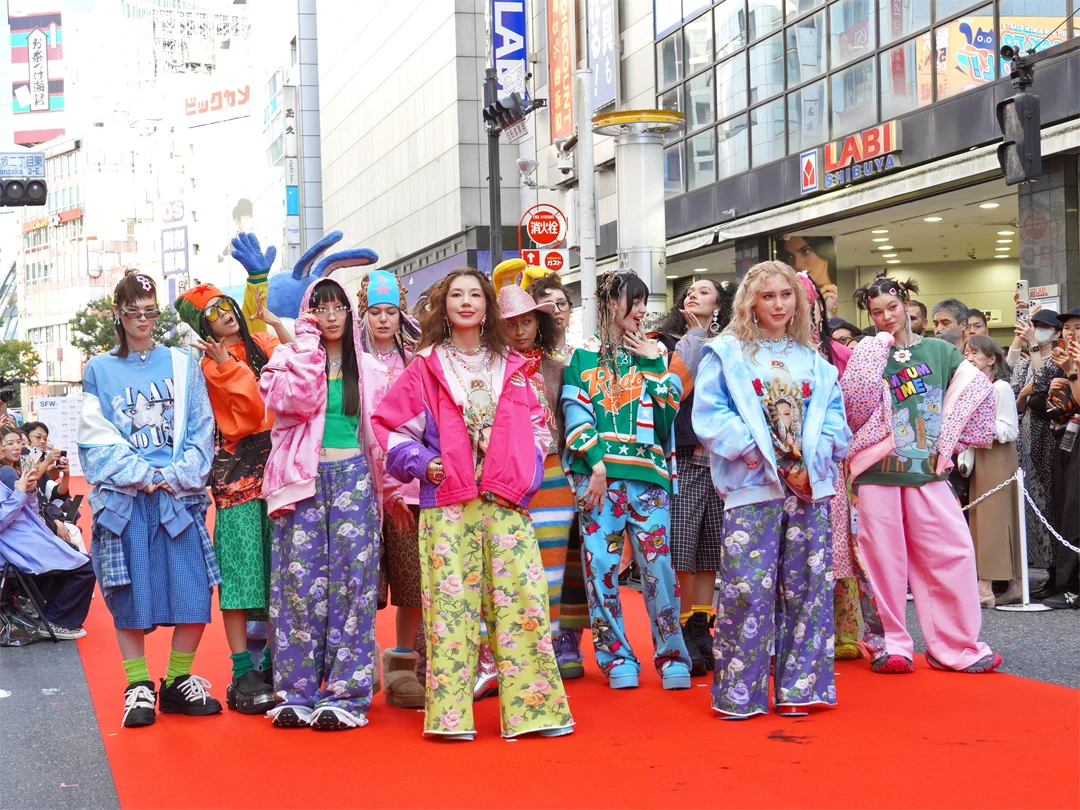
Fashion and culture intersect in the heart of Shibuya: Riisa Naka and others take part in a street runway.
#Shibuya Club Vol. 1 ~ Discussing "Innovation x Culture" in Shibuya
Interactive illuminations to open in Yoyogi Park: A 1.8-kilometer "Forest of Light" to begin in November.